Buildability in Practice: Shaping a Sustainable and Equitable Built Environment explores the often-overlooked concept of buildability in construction, how easily and efficiently a design can be built.
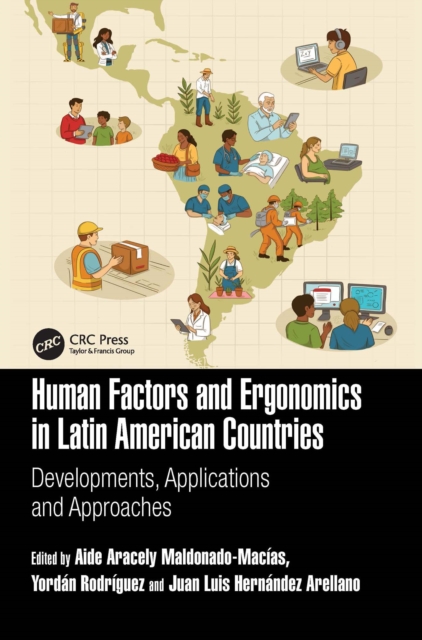
While the discipline of Human Factors and Ergonomics (HFE) has expanded globally, the specific sociotechnical realities of developing nations have long remained underrepresented in scientific literature.
While the discipline of Human Factors and Ergonomics (HFE) has expanded globally, the specific sociotechnical realities of developing nations have long remained underrepresented in scientific literature.
Mary Ruggie's controversial study of British and Swedish labor market, anti-discrimination, and child care programs argues that gender-based policy alone cannot substantially raise the economic status of women workers.
Although the political and military aspects of great-power diplomacy in Eastern Europe during the interwar period have been studied extensively, the economic aspects have been relatively neglected.
Colin Winston traces the Libres' emergence following the collapse of Catholic syndicalism in Catalonia and shows how, in the period up to the Civil War, they moved from radical Carlism to a form of proletarian fascism.
This volume contains revised versions of the papers presented in 1971 at the Princeton University Conference on Discrimination in Labor Markets, and the formal discussions of them.
This comprehensive and detailed analysis of the factors that determine who is in the labor force in the United States is equally interesting for the light it sheds on what people are not working or seeking work-and why they are not.
This thought-provoking study of academic job markets over the next quarter century uses rigorous analysis to project substantial excess demand for faculty starting in the 1997-2002 period.
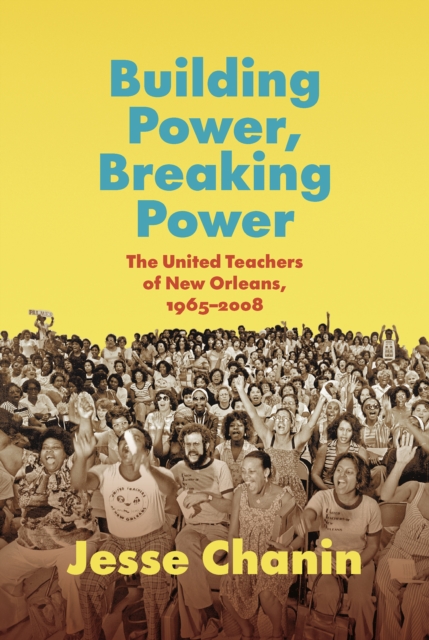
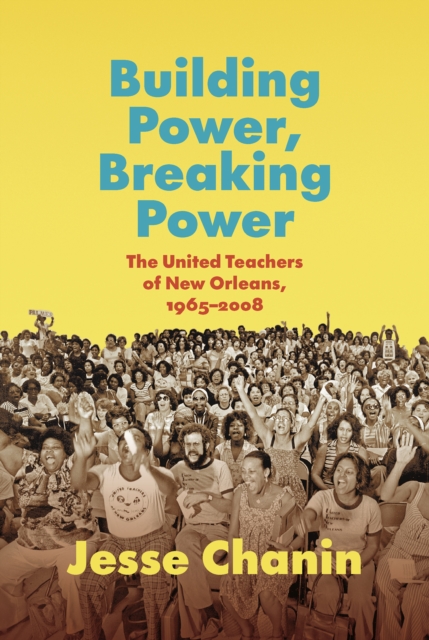
From 1965 to 2005, the United Teachers of New Orleans (UTNO) defied the Souths conservative anti-union efforts to become the largest local in Louisiana.
More than seventy years since the Bolsheviks came to power, there is still no comprehensive study of workers' activism in history's first successful workers' revolution.
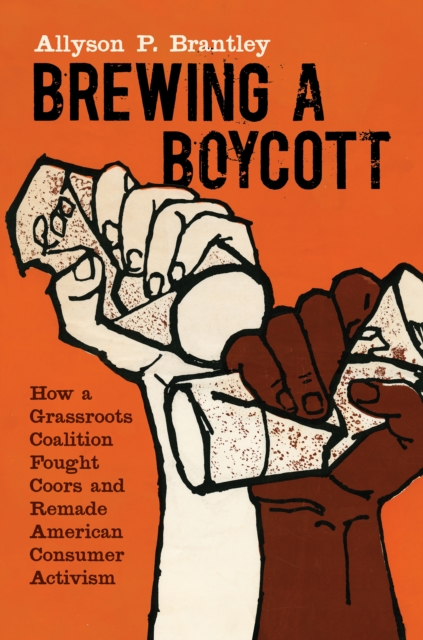
In the late twentieth century, nothing united union members, progressive students, Black and Chicano activists, Native Americans, feminists, and members of the LGBTQ+ community quite as well as Coors beer.
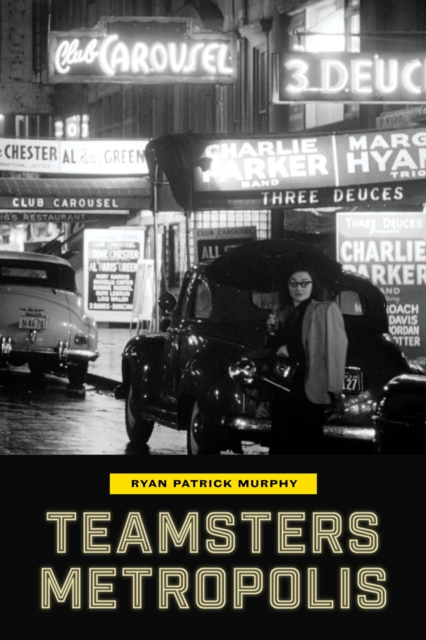
In the 1950s, the International Brotherhood of Teamsters empowered poor immigrants who had grown up in the crowded blocks of the central city to move upward and outward to comfortable suburbs.
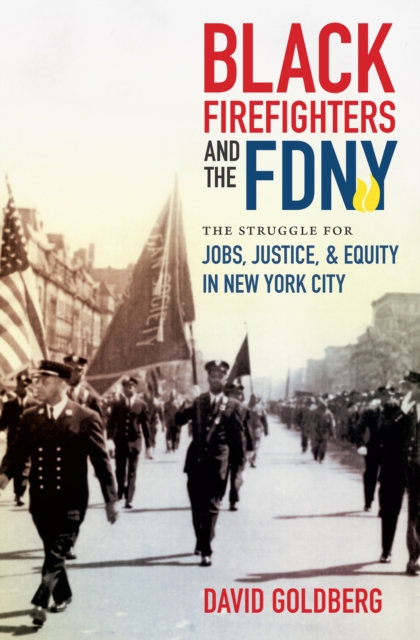
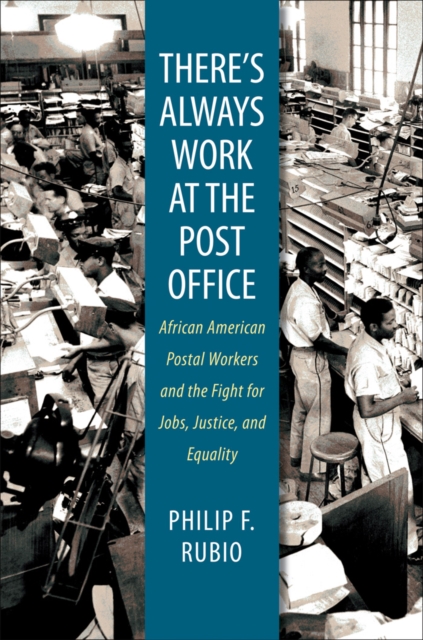
For many African Americans, getting a public sector job has historically been one of the few paths to the financial stability of the middle class, and in New York City, few such jobs were as sought-after as positions in the fire department (FDNY).
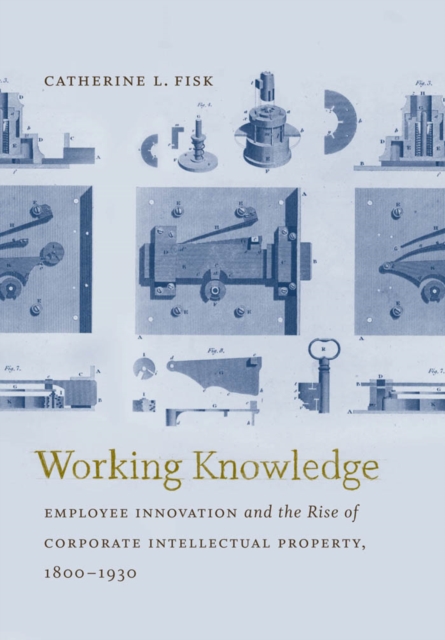
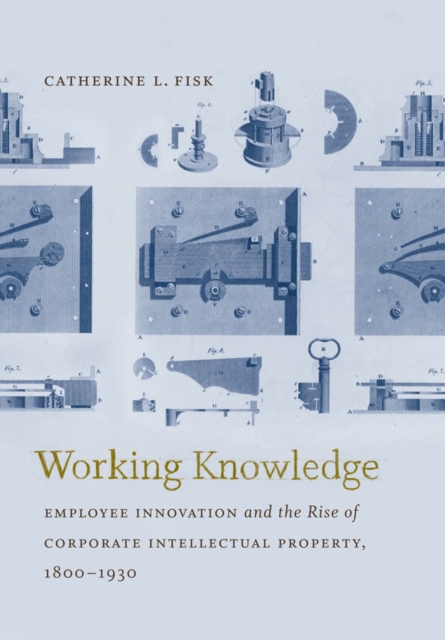
Skilled workers of the early nineteenth century enjoyed a degree of professional independence because workplace knowledge and technical skill were their property, or at least their attribute.
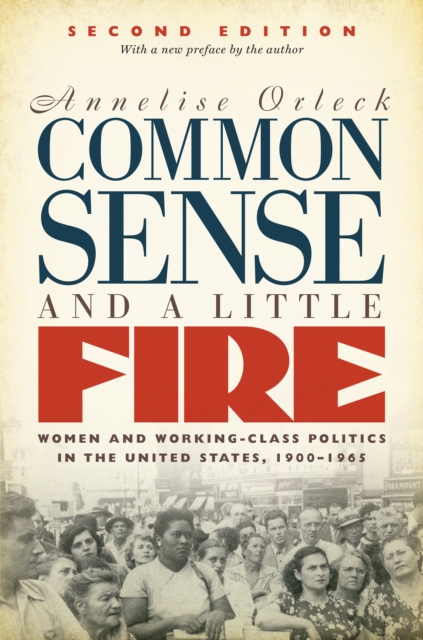
Over twenty years after its initial publication, Annelise Orlecks Common Sense and a Little Fire continues to resonate with its harrowing story of activism, labor, and womens history.
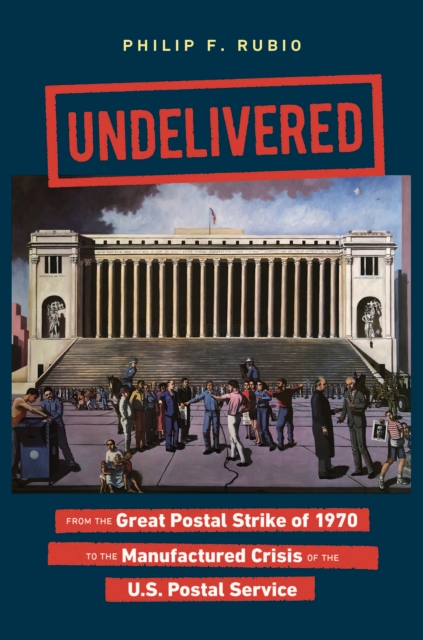
For eight days in March 1970, over 200,000 postal workers staged an illegal “wildcat” strike — the largest in United States history — for better wages and working conditions.
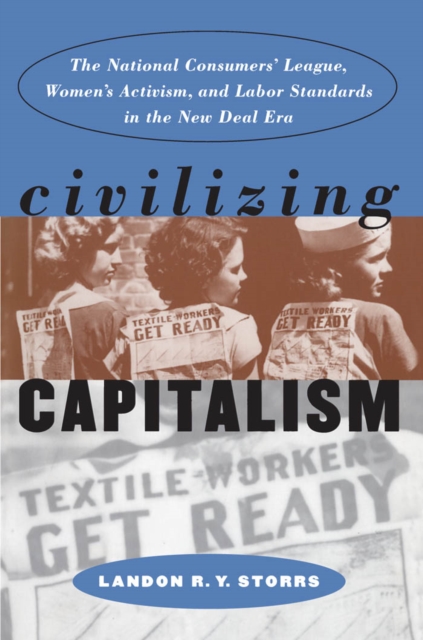
Offering fresh insights into the history of labor policy, the New Deal, feminism, and southern politics, Landon Storrs examines the New Deal era of the National Consumers' League, one of the most influential reform organizations of the early twentieth century.
A contemporary classic in Peru, where it was first published in 1986, this book explores changes in the political identity and economic strategies of the Peruvian working class in the 1970s and 1980s.
In this fresh perspective on one of the major demographic trends in our history, Weiner skillfully interweaves evidence on womens employment, government social policy, and the contemporary debate about womens sphere to explore the interconnections between patterns of womens work and the ideologies that arose in response to that work.
A history of the Hollywood film industry as a modern system of labor, this book reveals an important untold story of an influential twentieth-century workplace.
Through the late nineteenth and early twentieth centuries, employers and powerful individuals deployed a variety of tactics to control ordinary people as they sought to secure power in and out of workplaces.
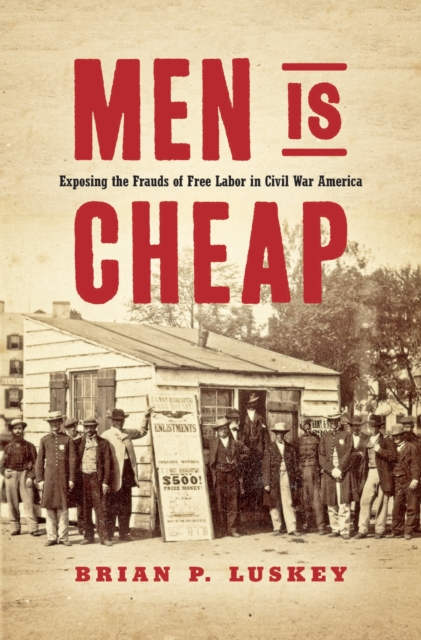
When a Civil War substitute broker told business associates that Men is cheep here to Day, he exposed an unsettling contradiction at the heart of the Unions war effort.
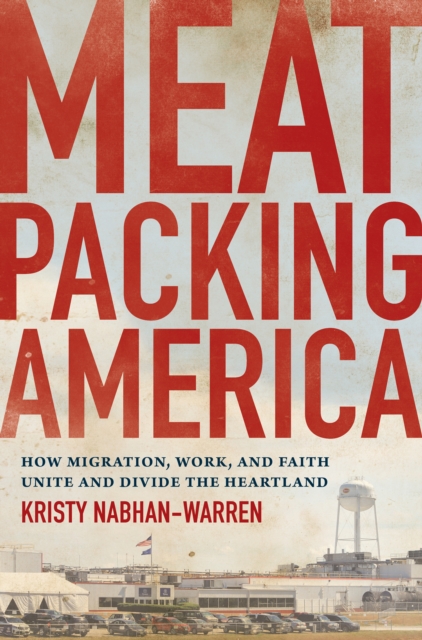
Whether valorized as the heartland or derided as flyover country, the Midwest became instantly notorious when COVID-19 infections skyrocketed among workers in meatpacking plantsand Americans feared for their meat supply.
Skilled workers of the early nineteenth century enjoyed a degree of professional independence because workplace knowledge and technical skill were their property, or at least their attribute.
From 1965 to 2005, the United Teachers of New Orleans (UTNO) defied the Souths conservative anti-union efforts to become the largest local in Louisiana.