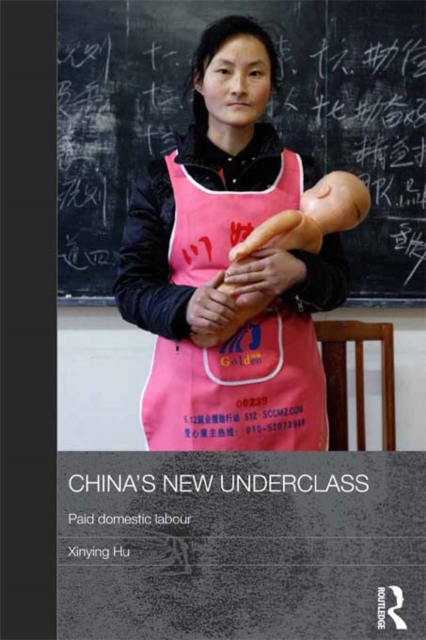
More than nine out of every ten working women in India are employed in the informal economy, unprotected by labour laws and excluded from basic forms of social security.
More than nine out of every ten working women in India are employed in the informal economy, unprotected by labour laws and excluded from basic forms of social security.
First published in 1987, this Routledge Revival reissues the first systematic and integrated analysis of working time and employment, reaching to the core elements of a vital area of labour economics.
First published in 1987, this Routledge Revival reissues the first systematic and integrated analysis of working time and employment, reaching to the core elements of a vital area of labour economics.
Based on extensive original research, this book examines the challenges confronting trade unions in the global South, by focusing on trade union struggles in Sri Lanka under neo-liberal globalisation.
Based on extensive original research, this book examines the challenges confronting trade unions in the global South, by focusing on trade union struggles in Sri Lanka under neo-liberal globalisation.
Cole saw the trade unions as being critical to progress, but to realise their role they needed to change and the issue of trade union structure therefore became fundamental.
Cole saw the trade unions as being critical to progress, but to realise their role they needed to change and the issue of trade union structure therefore became fundamental.
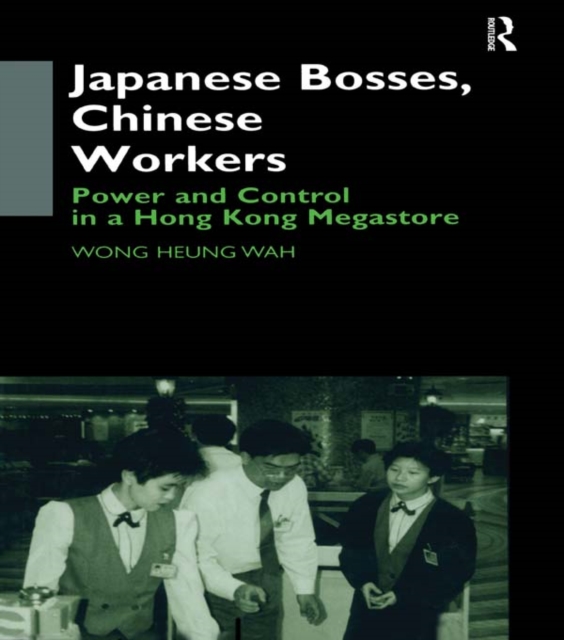
Examines the ways in of organising work, rank, compensation, and promotion inside a large Japanese company in Hong Kong, and its spiritual training, to reveal the socio-economic base of managerial control.
Examines the ways in of organising work, rank, compensation, and promotion inside a large Japanese company in Hong Kong, and its spiritual training, to reveal the socio-economic base of managerial control.
This volume in SIOP's Organizational Frontiers Series is a state-of-the-art overview of contemporary conflict research which aims to place conflict research and theory squarely within the realm of industrial and organizational psychology.
This volume in SIOP's Organizational Frontiers Series is a state-of-the-art overview of contemporary conflict research which aims to place conflict research and theory squarely within the realm of industrial and organizational psychology.
The layout and presentation of the text, with bullet points, checklists and sample policy documents make the book useful for staff training sessions as well as a reference point for practitioners with management responsibility for any aspect of early years practice.
As unions in most other industrialized democracies continue to decline, unions in Spain have been able to regain and maintain strength despite unfavorable institutional, political, and economic conditions.
As unions in most other industrialized democracies continue to decline, unions in Spain have been able to regain and maintain strength despite unfavorable institutional, political, and economic conditions.
A leader of the Starbucks and Tesla union movements shares stories from the front lines to help us organize our own workplaces and ';better understand the aims and goals for a resurgent trade union movement and how workers all over the country can join in solidarity with it' (Senator Bernie Sanders).
There is perhaps no area of British life where attitudes are more strongly influenced by shared traditions and past experiences than the trade union movement; the memory of the working-class movements is a long one.
There is perhaps no area of British life where attitudes are more strongly influenced by shared traditions and past experiences than the trade union movement; the memory of the working-class movements is a long one.
Covering the role of trades unions and labour organizations in industrial relations, Industry's Democratic Revolution contains case studies from Austria, Canada, France, Germany, Israel, Norway, Sweden, Switzerland, the UK and USA.
Covering the role of trades unions and labour organizations in industrial relations, Industry's Democratic Revolution contains case studies from Austria, Canada, France, Germany, Israel, Norway, Sweden, Switzerland, the UK and USA.