Classic film noir was Hollywood's 'dark cinema' of crime and corruption; a genre underpinned by a tone of existential cynicism which stripped bare the myth of the American Dream and offered a bleak, nightmarish vision of a fragmented society that rhymed with many of the social realities of forties and fifties America.
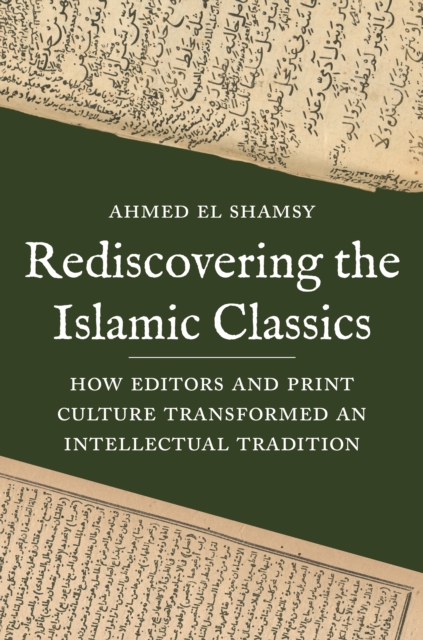
The story of how Arab editors of the late nineteenth and early twentieth centuries revolutionized Islamic literatureIslamic book culture dates back to late antiquity, when Muslim scholars began to write down their doctrines on parchment, papyrus, and paper and then to compose increasingly elaborate analyses of, and commentaries on, these ideas.
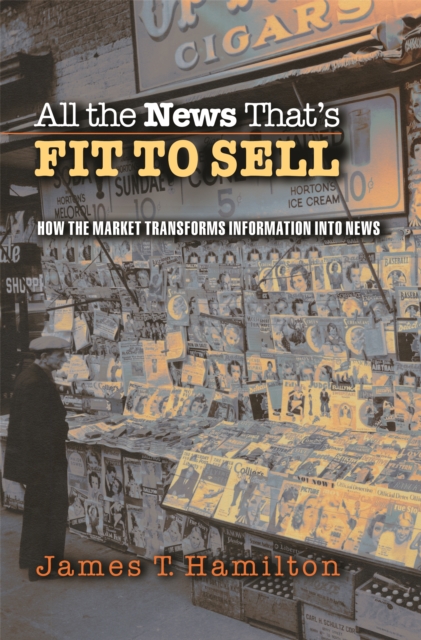
Journalism is complicated business: journalists are paid by management but work for the citizens; they tend to be self-taught (there is little evidence of mentoring and much disdain for journalism schools); and they need to be objective even when they're not impartial.
Many books are written on how to attract more business for retail stores or new products, but this is the only book written for the small business service provider.
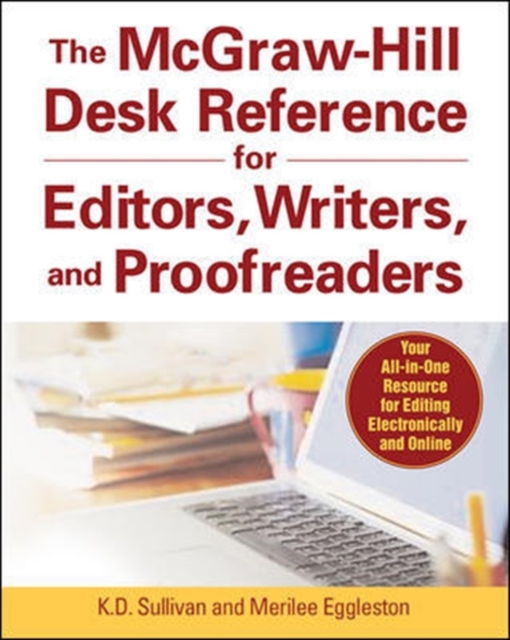
Packed with customizable editing tools-this practical, up-to-date reference includes the latest on writing and editing onlineThe McGraw-Hill Desk Reference for Editors, Writers, and Proofreaders is an indispensable resource for writers, editors, proofreaders, and virtually everyone responsible for crafting clear, polished writing.
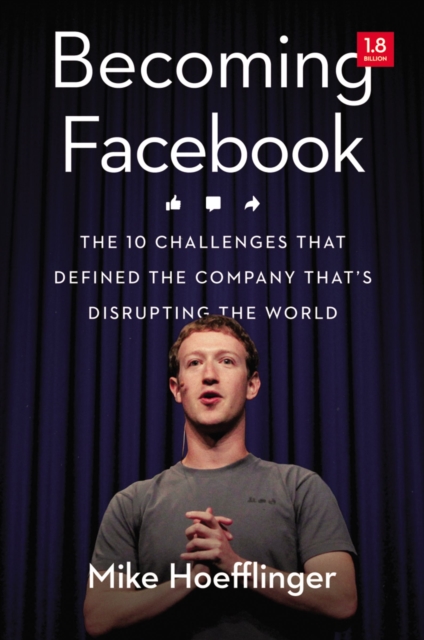
Discover the hard learned lessons to creating a successful company, straight from a stakeholder who had a front-row seat to Facebook's growing pains, stumbles, and reinventions.
This ethnographic study of the Egyptian underground hip-hop scene examines the artists who collectively molded the scene and analyzes their practices and explores how these artists have interacted with and responded to political and social upheaval and change.
This special supplement to the Key Indicators for Asia and the Pacific 2018 showcases the role that technology can play in improving the quality, timeliness, and frequency of agricultural statistics.
Economic Renaissance in the Age of Artificial Intelligence explores a wide range of new approaches to the economic, social, legal, scientific, technological, financial, architectural, environmental, and humanistic challenges that humanity will face due to increased automation.
Leading in a Technology-Driven WorldThe relationship of humans to technology is a ubiquitous theme in today's world of mobile devices, 24/7 internet access, and omnipresent digital business tools.
"e;a provocative new book"e; — The New York TimesAI-centric organizations exhibit a new operating architecture, redefining how they create, capture, share, and deliver value.
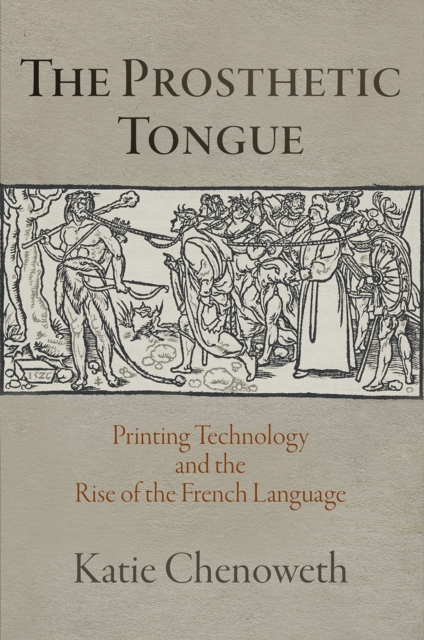
Of all the cultural "e;revolutions"e; brought about by the development of printing technology during the sixteenth century, perhaps the most remarkable but least understood is the purported rise of European vernacular languages.
At the dawn of the twentieth century, Lincoln Steffens, an internationally known and respected political insider, went rogue to work for McClure’s Magazine.
Though the field of book history has long been divided into discrete national histories, books have seldom been as respectful of national borders as the historians who study themleast of all in the age of Enlightenment when French books reached readers throughout Europe.
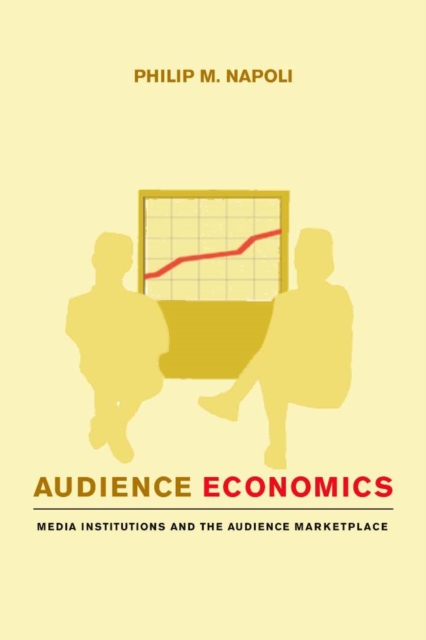
Focusing on the electronic media-television, radio, and the Internet-Audience Economics bridges a substantial gap in the literature by providing an integrated framework for understanding the various businesses involved in generating and selling audiences to advertisers.
Transformative Practice in Critical Media Literacy brings together a diverse selection of essays to examine the knowledge production crisis in higher education and the role that news media and technology play in this process.
Transformative Practice in Critical Media Literacy brings together a diverse selection of essays to examine the knowledge production crisis in higher education and the role that news media and technology play in this process.
IT management and staff are called upon to perform the almost-impossible tasks of evaluating, purchasing, integrating, and maintaining complex IT systems, and directing these systems to meet the ever-changing goals of an organization.
Dieser Band gibt einen Überblick darüber, wie Computerspiele sich zu einem populären Massenmedium entwickeln konnten und welche Mythen über ihre individuellen und gesellschaftlichen Nutzungsweisen und Wirkungen tatsächlich von der Forschung belegt werden können (und welche nicht).