Both Flesh and Not is an collection of essays and writing from the virtuosic genius David Foster WallaceBeloved for his brilliantly discerning eye, his verbal elasticity and his uniquely generous imagination, David Foster Wallace was heralded by critics and fans as the voice of a generation.
The hilariously accurate, witty and indispensable manual for everyone who longs to attain True Britishness'Got me in tears of laughter' 5***** Reader Review'Laugh-out-loud hilarious, witty and insightful' 5***** Reader Review_______Born in Hungary, George Mikes eventually spent more than forty years in the Britain observing behaviours and misbehaviours of local and foreign Brits.
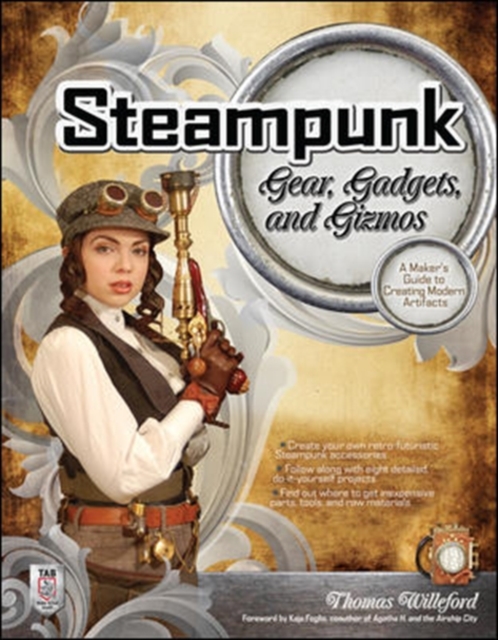
Unleash Your Inner Mechanical MastermindWelcome to the wondrous world of Thomas Willeford, aka Lord Archibald "e;Feathers"e; Featherstone, in which he shares his closely guarded secrets of Steampunkery.
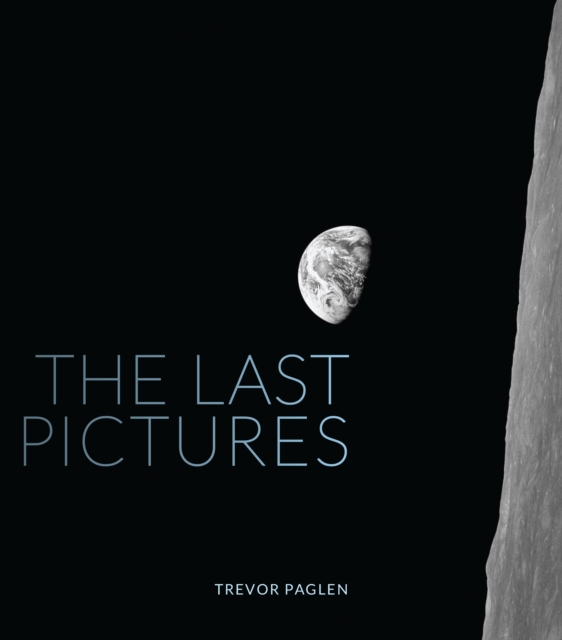
Human civilizations' longest lasting artifacts are not the great Pyramids of Giza, nor the cave paintings at Lascaux, but the communications satellites that circle our planet.
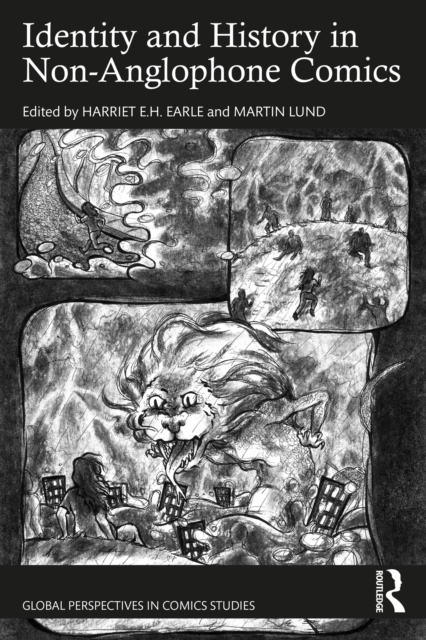
This book explores the historical and cultural significance of comics in languages other than English, examining the geographic and linguistic spheres which these comics inhabit and their contributions to comic studies and academia.
Visitors to Colorados famous ski resorts embrace alpine adventures, luxurious amenities, and a glamorous nightlife, all against a backdrop of towering mountains and high-drifted snow.
Comics Beyond Text and Image conceptualizes comics as "e;bodies,"e; exploring the substance and the many movements and expressions of comics first and foremost in terms of corporeality.
Fantastical, but also horrifying at times, this collection of eleven essays delves deep into the topics of Horror in the long-running and acclaimed series, Doctor Who.