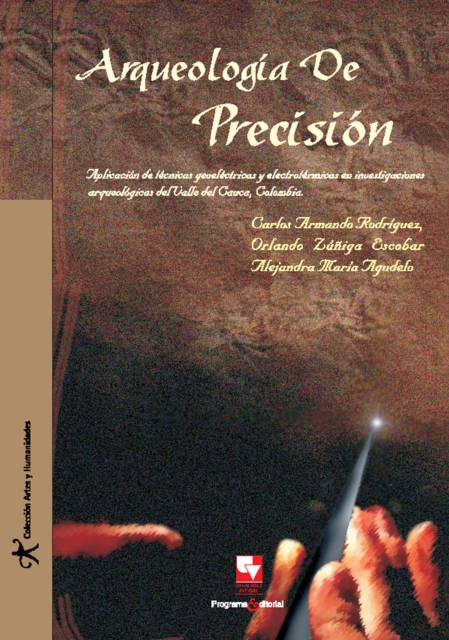
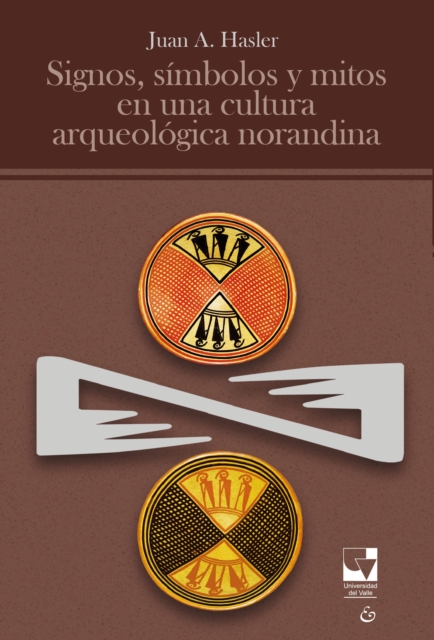
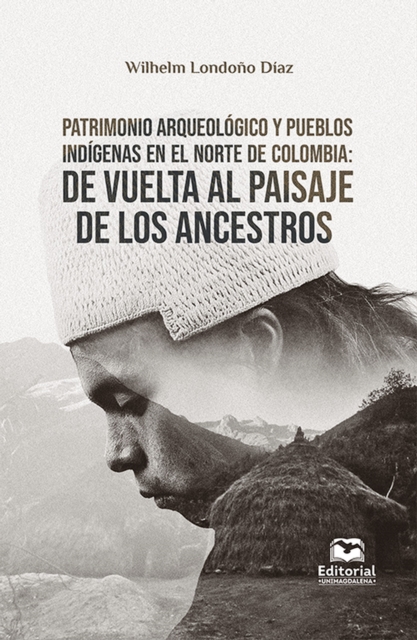
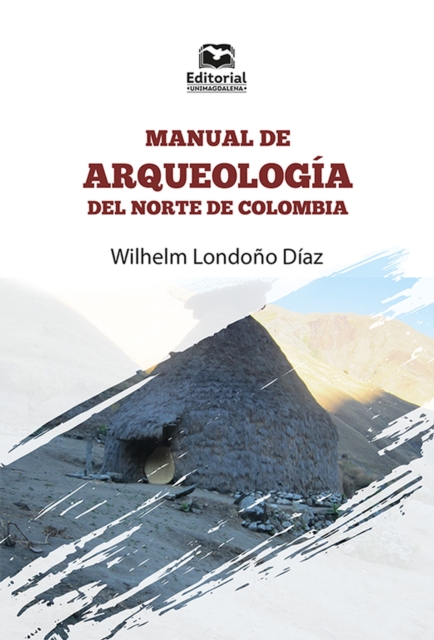
Cada día que pasa, la arqueología como ciencia social-histórica integra más en sus estudios del pasado, una gran cantidad de técnicas y metodologías provenientes de diversas disciplinas tanto de las ciencias naturales, como socioculturales.
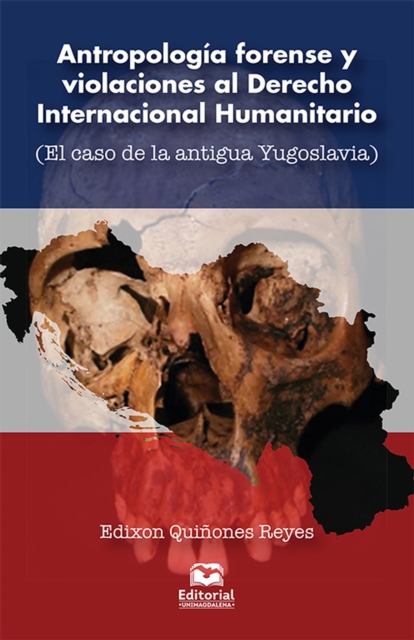
En 1989, Slobodan Milosevic, presidente de la Liga Comunista Yugoslava, implemento una reforma constitucional en la que privo del voto en el Congreso de la confederacion a la republica de Montenegro y a las provincias autonomas Kosovo y Vojvodina; en respuesta, las republicas de Eslovenia y Croacia se declararon independientes en 1991, seguidas de Macedonia y Bosnia-Herzegovina en 1992; el mismo ano, en la provincia autonoma de Kosovo, los albanokosovares proclamaron la independencia y constituyeron un gobierno paralelo.
Siguiendo un amplio concepto de investigacion transversal, y tras la celebracion de tres eventos relacionados con el Hombre y el Mar, en Cadiz -Facultad de Filosofia y Letras (2016-2017) y la Universidad Nova de Lisboa- Facultad de Ciencias Humanas y Sociales (2018), presentamos en esta obra coral una seleccion de nueve trabajos que nos incitan a reflexionar sobre la arqueologia y la historia maritimas.
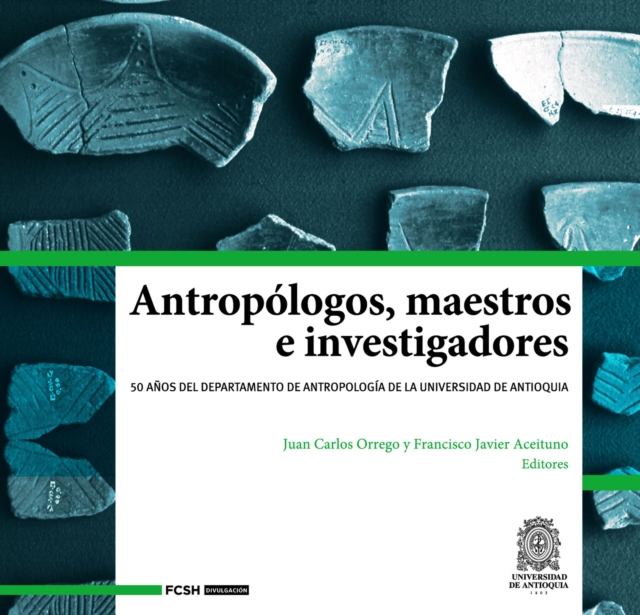
Este libro pretende recuperar los hitos históricos de la carrera antropológica en Antioquia por medio de las palabras y miradas de algunos de sus testigos.
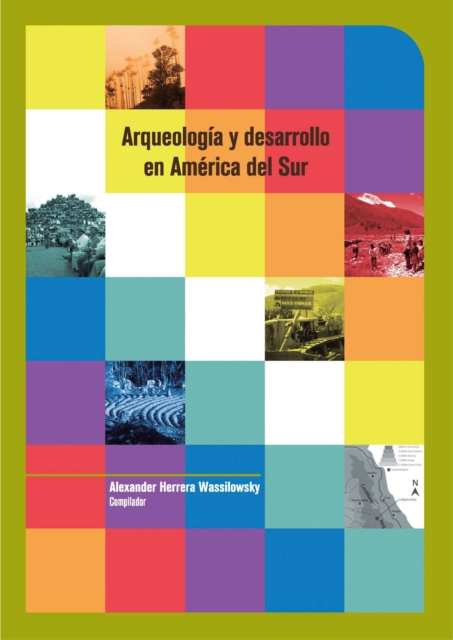
Arqueología y desarrollo en América del Sur reúne trabajos que abordan los multifacéticos vínculos entre el desarrollo y la arqueología a inicios del siglo XXI, en Argentina, Brasil, Colombia, Perú y Venezuela.
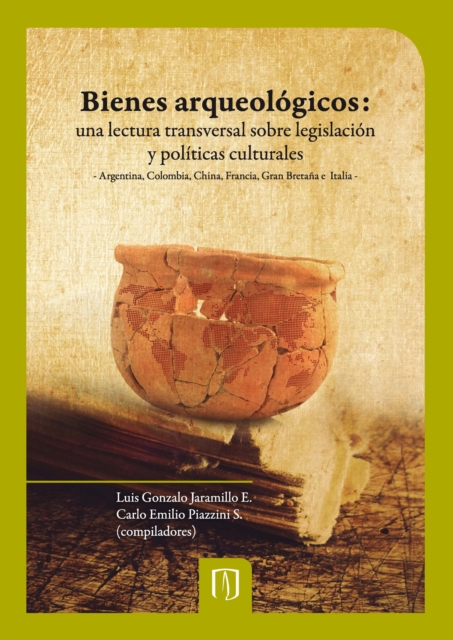
LOS ARTEFACTOS ARQUEOLÓGICOS -las huellas del pasado humano- son considerados a menudo como bienes y testimonios que hacen parte del acervo, la herencia o el patrimonio cultural de países, naciones o grupos culturales particulares e, incluso, como parte de la memoria de la humanidad.
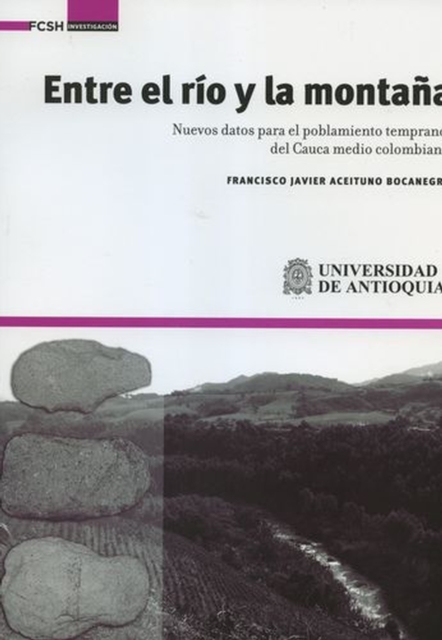
Entre el río y la montaña es el resultado de una investigación arqueológica sobre la ocupación temprana del Cauca medio colombiano, llevada a cabo en el sitio La Pochola, el cual forma parte de un grupo de sitios precerámicos localizados en esta región y datados entre los últimos momentos del Pleistoceno final y el Holoceno medio.
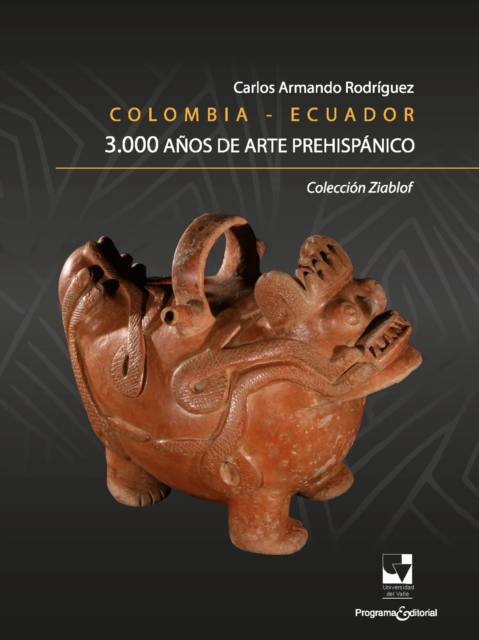
El libro que presentamos al lector trata de arte, pero no sobre cualquier tipo de arte, sino sobre un arte antiguo que aún no ha sido valorado en su verdadera dimensión histórico-cultural; de unas concepciones estéticas que aún se encuentran presentes en nuestro inconsciente colectivo, a pesar de que por más de 500 años se ha tratado de borrarlas de nuestra memoria histórica.
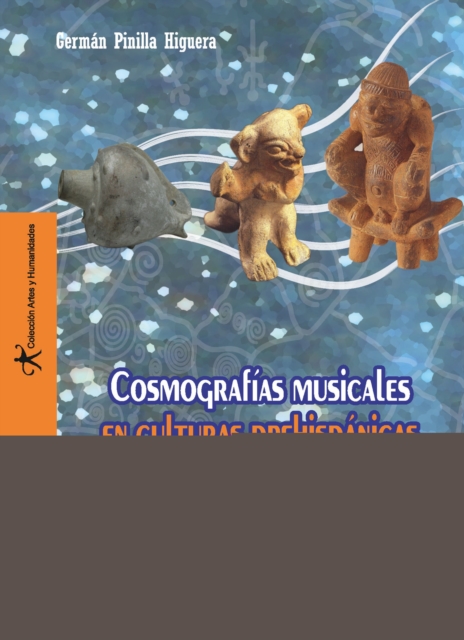
Las investigaciones musicológicas en el contexto arqueológico nacional son muy escasas y no han tenido la suficiente difusión en los círculos académicos, pese a que en los inventarios y descripciones de piezas recopiladas, estudiadas y catalogadas en los diferentes museos del país, se encuentren considerables colecciones de diversos instrumentos musicales arqueológicos en diversos materiales y tecnologías.
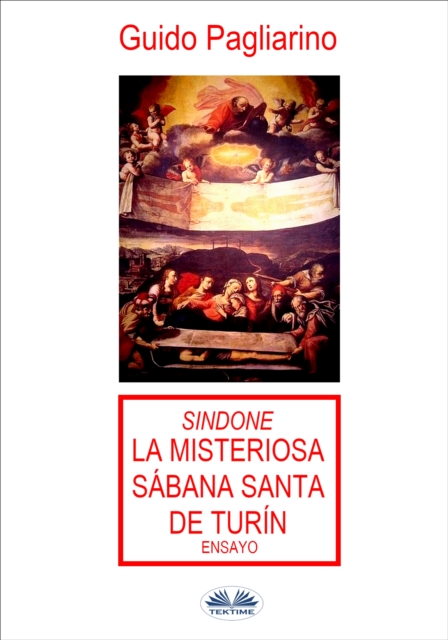
Este ensayo divulga lo que las investigaciones han descubierto hasta ahora sobre la célebre Sábana Santa de Turín, no con el fin de inducir a creer que la Sábana de Turín haya envuelto realmente el cuerpo de Cristo hace un par de milenios.
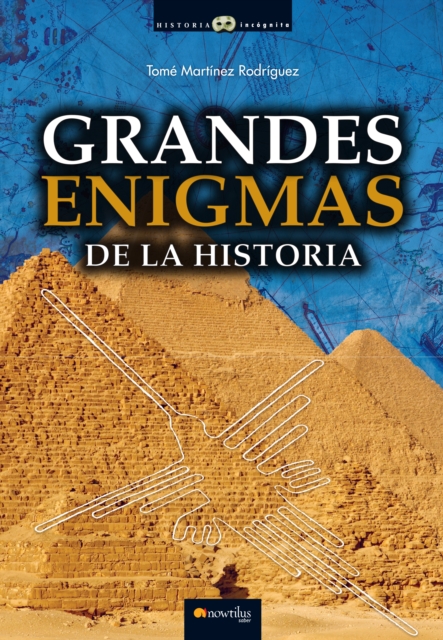
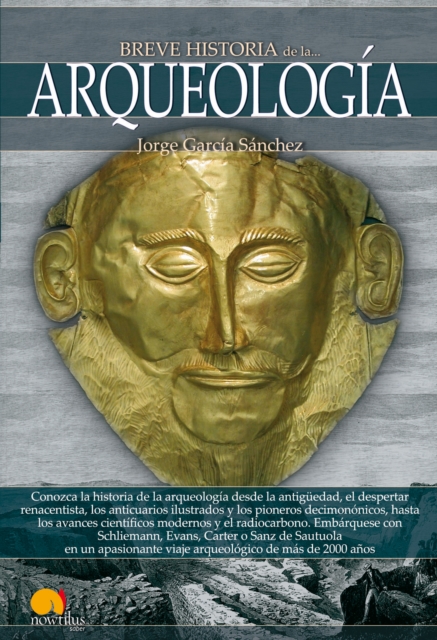
Conozca la historia de la arqueología desde la antigüedad, el despertar renacentista, los anticuarios ilustrados y los pioneros decimonónicos, hasta los avances científicos modernos y el radiocarbono.
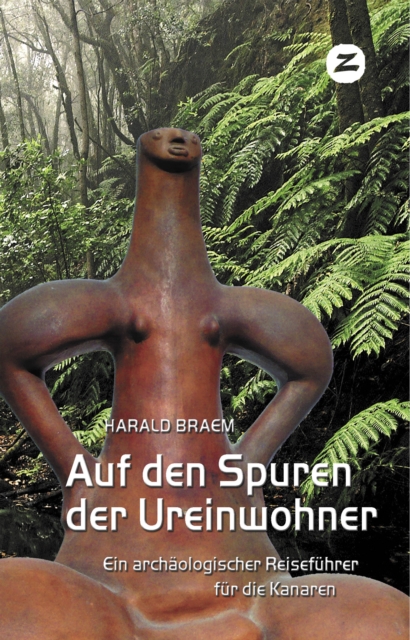
Spannende Entdeckungstouren auf Teneriffa, Gran Canaria, La Palma, La Gomera, El Hierro, Lanzarote und Fuerteventura: Der bekannte Buchautor Harald Braem forscht seit 30 Jahren auf den Kanarischen Inseln.
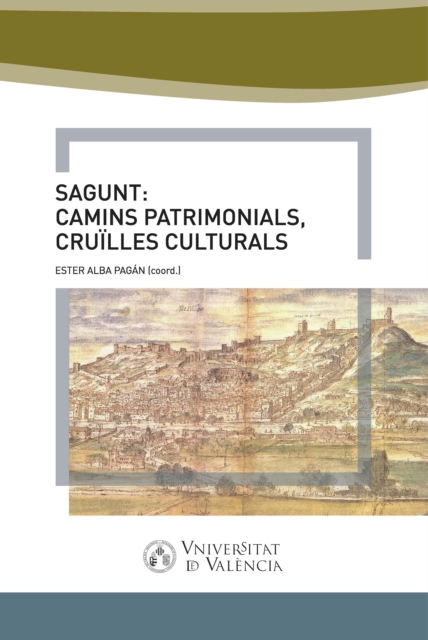
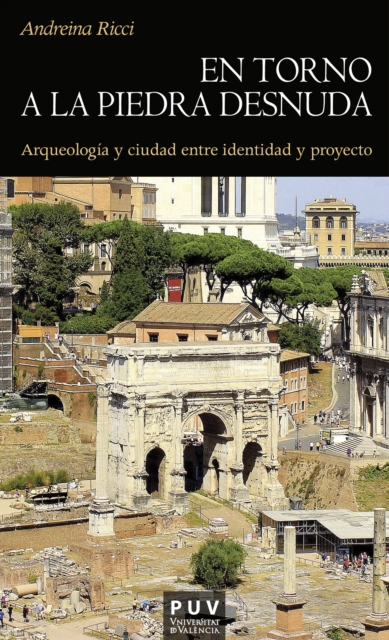
El conjunt patrimonial de Sagunt mereix una reflexio minuciosa, ja que conforma una fita historica i cultural que el situen com un clar exemple del que la Unesco qualifica com a lloc patrimonial.
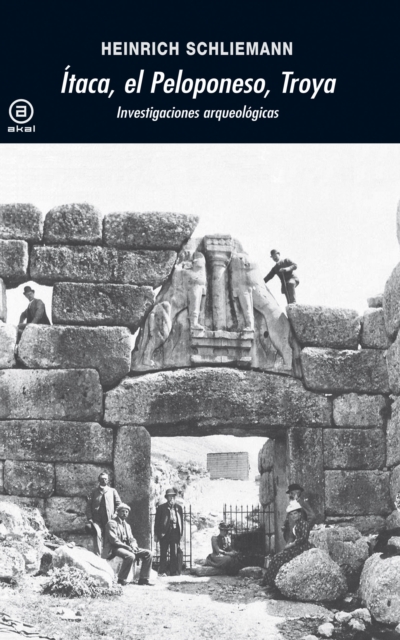
"Cuando, en Kalkhorst, aldea del Mecklemburgo-Schwerin, a la edad de diez años, entregué a mi padre, como regalo para la Navidad de 1832, un relato, en un mal latín, sobre los principales acontecimientos de la guerra de Troya, y las aventuras de Ulises y de Agamenón, estaba lejos de pensar que, treinta y seis años más tarde, ofrecería al público un libro sobre el mismo tema, luego de haber tenido la felicidad de ver con mis propios ojos el teatro de esta guerra y la patria de los héroes que Homero ha inmortalizado con sus nombres.
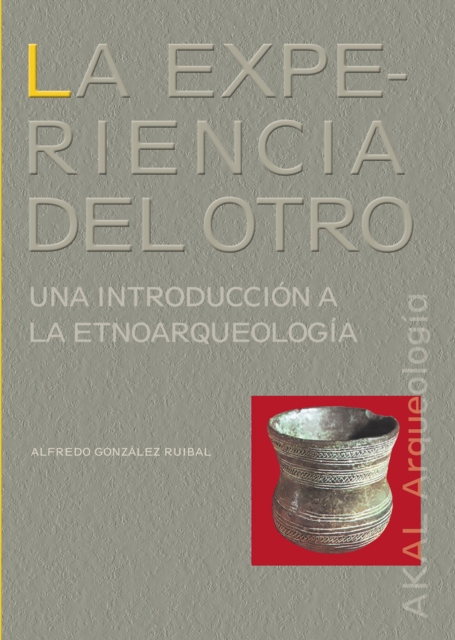
La etnoarqueología es una disciplina joven que, pese a contar con apenas 40 años de existencia, ha constituido una influencia fundamental para el desarrollo de la arqueología.
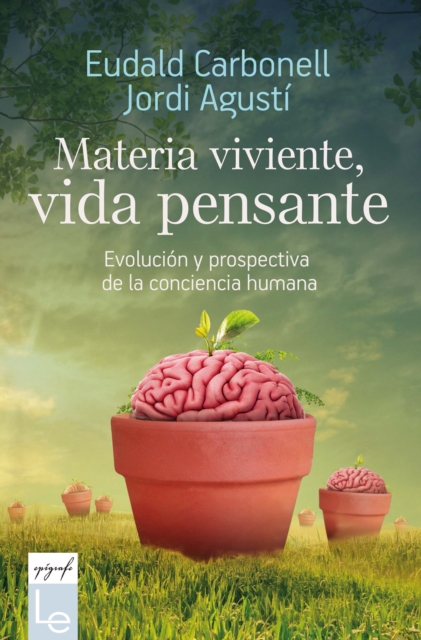
Nuestro interes por el ser humano nos ha llevado a desarrollar una serie de trabajos y planteamientos que nos permiten delimitar que es la humanidad y como esta evoluciona en el marco de la ecologia planetaria.
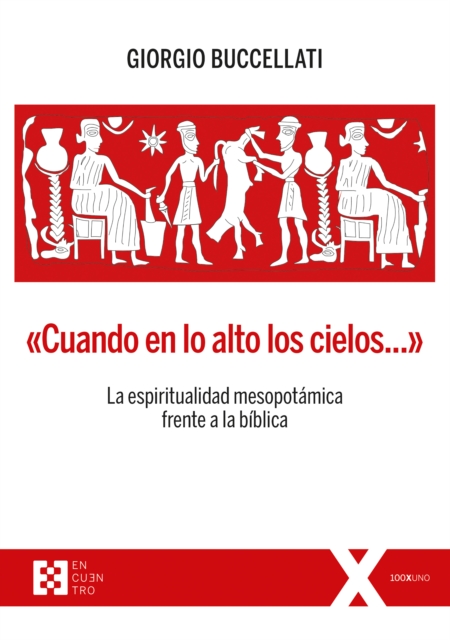
Este estudio comparado de las espiritualidades mesopotámica y bíblica permite al lector asomarse al momento histórico en el que se desarrollan en paralelo dos concepciones religiosas diametralmente opuestas, la politeísta y, como una rama desgajada de esta, la monoteísta.
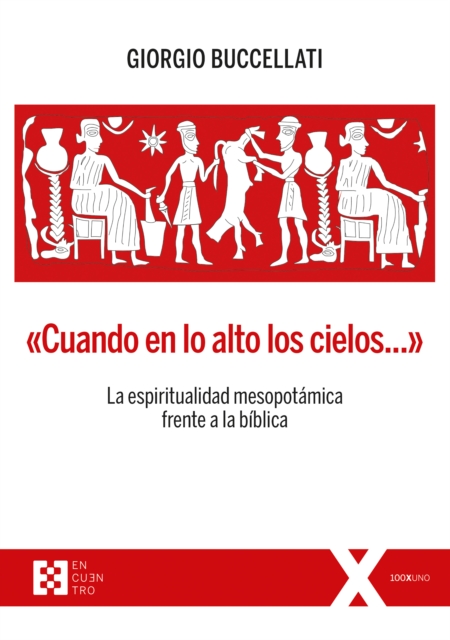
Este estudio comparado de las espiritualidades mesopotámica y bíblica permite al lector asomarse al momento histórico en el que se desarrollan en paralelo dos concepciones religiosas diametralmente opuestas, la politeísta y, como una rama desgajada de esta, la monoteísta.
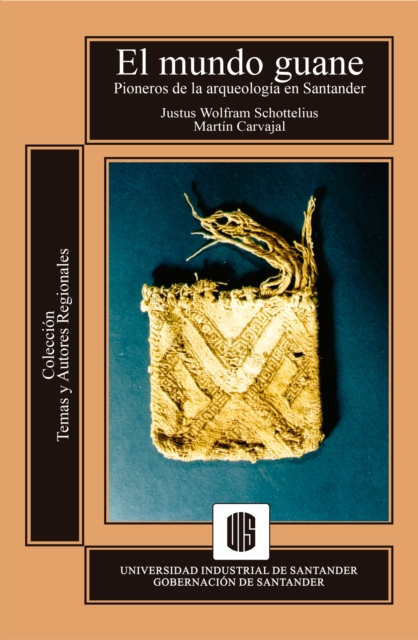
La exploración del profesor Schottelius en la Cueva de los Indios, realizada en enero de 1940, y la que practicó un año después Gabriel Giraldo Jaramillo en compañía del gobernador Benjamín García Cadena y del secretario de Educación, Horacio Rodríguez Plata, unidas a la exploración de Miguel Such Martín en Oiba y Guapotá, dieron carta de naturaleza a los guanes en la conciencia histórica de los santandereanos.
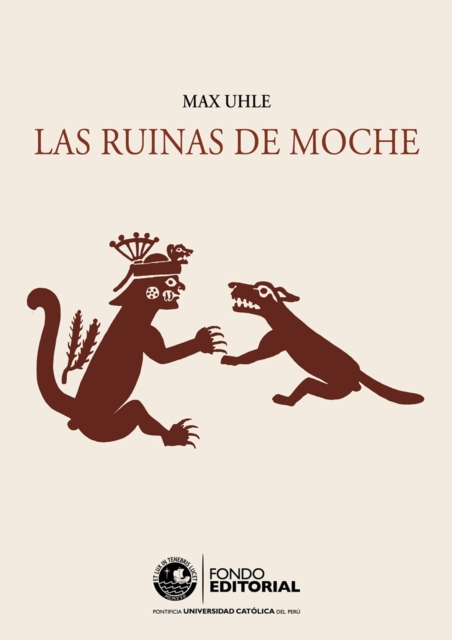
Entre 1899 y 1900, Max Uhle (1856-1944), considerado el padre del a arqueología científica del Perú, logró, con sus excavaciones en el complejo de las huacas del Sol y de la Luna, establecer casi toda la historia prehispánica del valle de Moche, Trujillo.
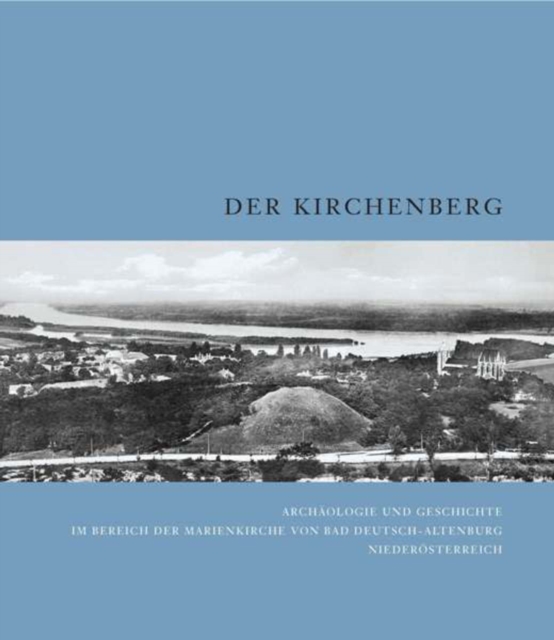
In dem vorliegenden Buch werden Ergebnisse alter und neuer Forschung zur Geschichte des Kirchenbergs von Bad Deutsch-Altenburg zusammenfassend dargelegt.
The Kybalion - The Three Initiates - The Kybalion: Hermetic Philosophy, originally published in 1908 under the pseudonym of "e;the Three Initiates"e;, is a book claiming to be the essence of the teachings of Hermes TrismegistusThe Kybalion: Hermetic Philosophy, originally published in 1908 under the pseudonym of "e;the Three Initiates"e;, is a book claiming to be the essence of the teachings of Hermes Trismegistus.
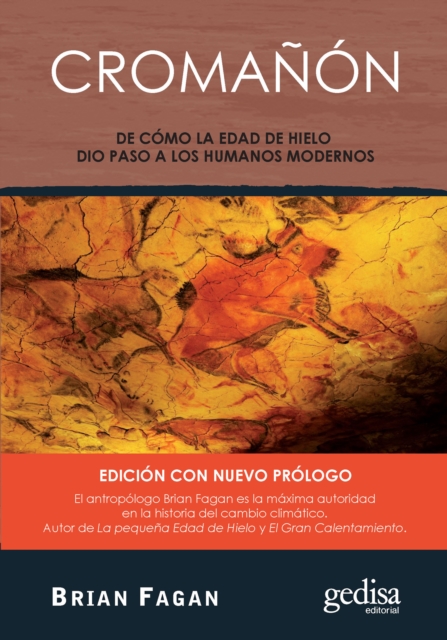
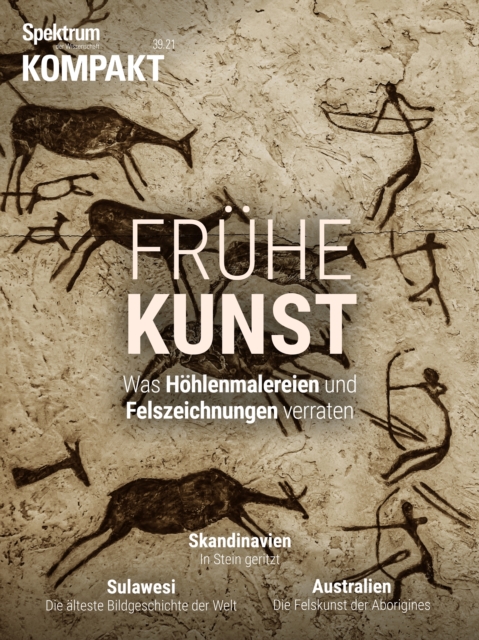
Vor einigen Jahren erlebte ich, wie ein Führer bei einer Höhlenbegehung das installierte Licht ausmachte: um zu verdeutlichen, wie dunkel es dort vor Ort eigentlich ist – nur einfache Fackeln brachten etwas flackernden Schein, als die beeindruckenden Zeichnungen an den Wänden dort entstanden.
Für den Blick nach vorn hilft meist ein gründlicher Blick zurück: Wie sah das Klima vergangener Zeiten aus, überliefert in Eisbohrkernen oder Korallen?