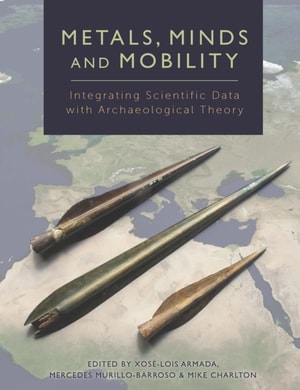
Metals, Minds and Mobility seeks to integrate archaeometallurgical data with archaeological theory to address longstanding questions about mechanisms of exchange, mobility and social complexity in prehistory.
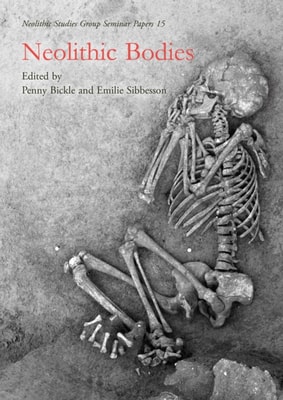
As a result of recent methodological and theoretical developments in approaches to the human body in archaeological contexts, the theme has recently become a particularly dynamic research area.
As a result of recent methodological and theoretical developments in approaches to the human body in archaeological contexts, the theme has recently become a particularly dynamic research area.
This is the second volume arising from the 1994–2003 excavations of the Triconch Palace at Butrint (Albania), which charted the history of a major Mediterranean waterfront site from the 2nd to the 15th centuries AD.
This is the second volume arising from the 1994–2003 excavations of the Triconch Palace at Butrint (Albania), which charted the history of a major Mediterranean waterfront site from the 2nd to the 15th centuries AD.
This second volume in the new TRAC Themes in Roman Archaeology series seeks to push the research agendas of materiality and lived experience further into the study of Roman magic, a field that has, until recently, lacked object-focused analysis.
This second volume in the new TRAC Themes in Roman Archaeology series seeks to push the research agendas of materiality and lived experience further into the study of Roman magic, a field that has, until recently, lacked object-focused analysis.
The range of papers presented in this volume demonstrates the wide scope of Brian Hartley’s interests and the fields of archaeological scholarship with which he has been involved.
The range of papers presented in this volume demonstrates the wide scope of Brian Hartley’s interests and the fields of archaeological scholarship with which he has been involved.
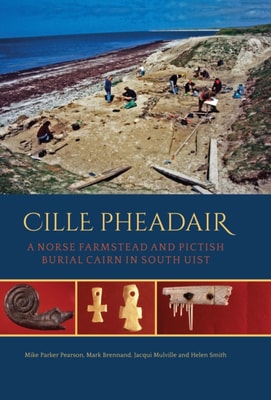
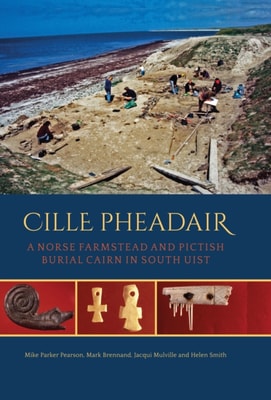
Cille Pheadair is one of more than 20 Viking Age and Late Norse settlements discovered on the island of South Uist in the Outer Hebrides (Western Isles), off the west coast of Scotland.
Cille Pheadair is one of more than 20 Viking Age and Late Norse settlements discovered on the island of South Uist in the Outer Hebrides (Western Isles), off the west coast of Scotland.
Any inference drawn from plain remains recovered from archaeological sites is based on the classes of such remains that are, at present, possible to identify.
Any inference drawn from plain remains recovered from archaeological sites is based on the classes of such remains that are, at present, possible to identify.
Cityscapes consist of houses, streets, civic buildings, sanctuaries, tombs, monuments, and inscriptions created by multiple generations of citizens and foreigners with an interest in the city; they are interpreted and reinterpreted as expressions of past lives, changing relations of power, memories, and various identities.
Cityscapes consist of houses, streets, civic buildings, sanctuaries, tombs, monuments, and inscriptions created by multiple generations of citizens and foreigners with an interest in the city; they are interpreted and reinterpreted as expressions of past lives, changing relations of power, memories, and various identities.
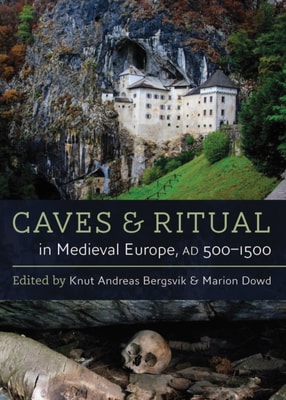
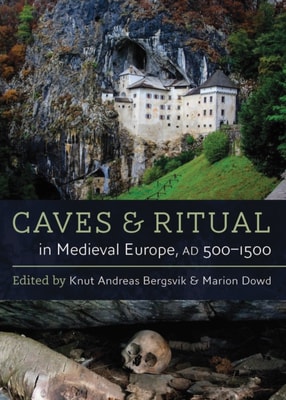
Caves and rockshelters in Europe have traditionally been associated with prehistory, and in some regions cave archaeology has become synonymous with the Palaeolithic.
Caves and rockshelters in Europe have traditionally been associated with prehistory, and in some regions cave archaeology has become synonymous with the Palaeolithic.
The Bioarchaeology of Ritual and Religion is the first volume dedicated to exploring ritual and religious practice in past societies from a variety of ‘environmental’ remains.
The Bioarchaeology of Ritual and Religion is the first volume dedicated to exploring ritual and religious practice in past societies from a variety of ‘environmental’ remains.
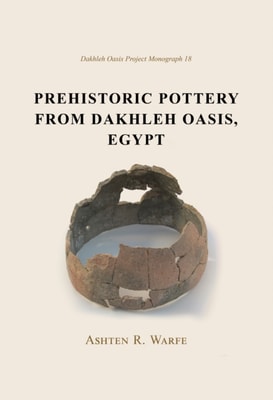
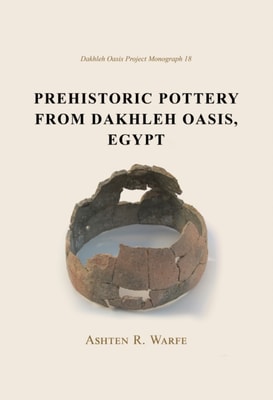
As one of the few surviving artifacts from the late prehistory of northeast Africa, pottery serves as an essential material category by which to explore long-term human development.
As one of the few surviving artifacts from the late prehistory of northeast Africa, pottery serves as an essential material category by which to explore long-term human development.
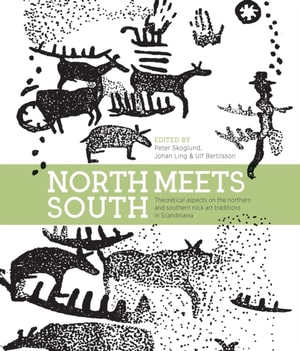
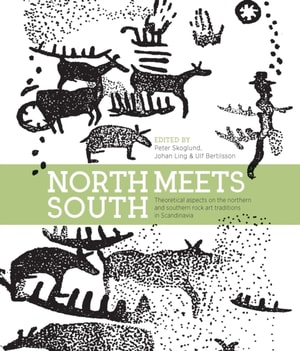
This latest volume in the Swedish Rock Art series bridges the gap between analysis and interpretation of rock art imagery, location and chronology in the northern and southern regions of Scandinavia.
This latest volume in the Swedish Rock Art series bridges the gap between analysis and interpretation of rock art imagery, location and chronology in the northern and southern regions of Scandinavia.
The Late Iron Age coinage of England has long been recognized as an invaluable potential source of information about pre-Roman Britain, although its purpose has been much debated and never clearly established.
The Late Iron Age coinage of England has long been recognized as an invaluable potential source of information about pre-Roman Britain, although its purpose has been much debated and never clearly established.
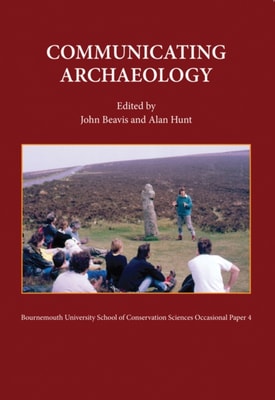
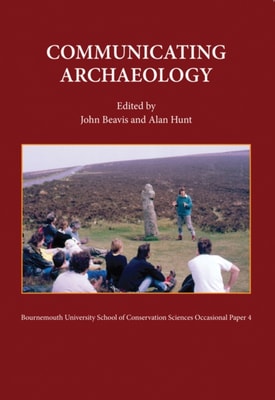
A volume of essays on communicating archaeology by every imaginable means provides an excellent tribute to the work of Bill Putnam - always a communicator.
A volume of essays on communicating archaeology by every imaginable means provides an excellent tribute to the work of Bill Putnam - always a communicator.
A review of the most recent evidence from cursuses, and ideas on their interpretation, with contributions as follows: Introduction (J Harding and A Barclay) , the radiocarbon problem (A Barclay and A Bayliss) , symbolic territories (J Harding) , processions, memories and the Dorset cursus (R Johnston) , Dorchester on Thames - ritual complex or ritual landscape (R Loveday) , cattle, cursus monuments and the river .
A review of the most recent evidence from cursuses, and ideas on their interpretation, with contributions as follows: Introduction (J Harding and A Barclay) , the radiocarbon problem (A Barclay and A Bayliss) , symbolic territories (J Harding) , processions, memories and the Dorset cursus (R Johnston) , Dorchester on Thames - ritual complex or ritual landscape (R Loveday) , cattle, cursus monuments and the river .