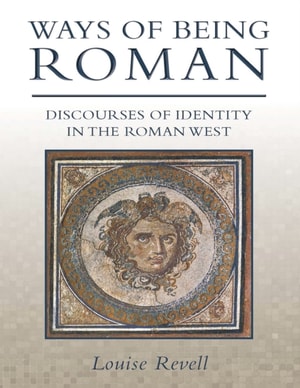
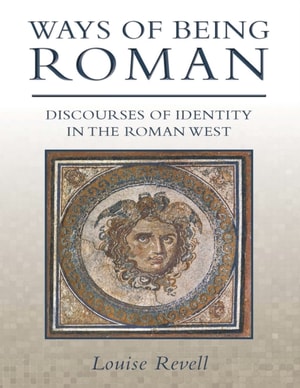
Despite a growing literature on identity theory in the last two decades, much of its current use in archaeology is still driven toward locating and dating static categories such as ‘Phoenician’, ‘Christian’ or ‘native’.
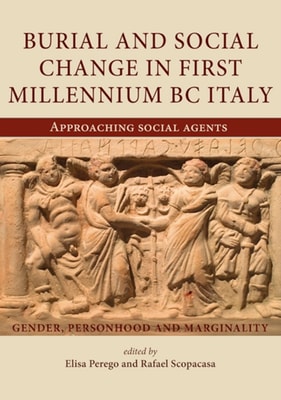
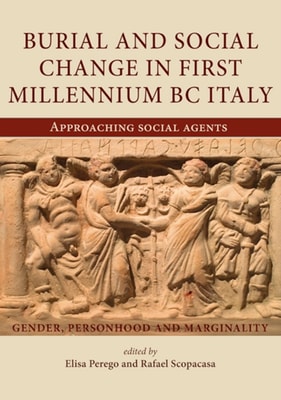
In the first millennium BC, communities in Italy underwent crucial transformations which scholars have often subsumed under the heading of ‘state formation’, namely increased social stratification, the centralization of political power and, in some cases, urbanization.
In the first millennium BC, communities in Italy underwent crucial transformations which scholars have often subsumed under the heading of ‘state formation’, namely increased social stratification, the centralization of political power and, in some cases, urbanization.
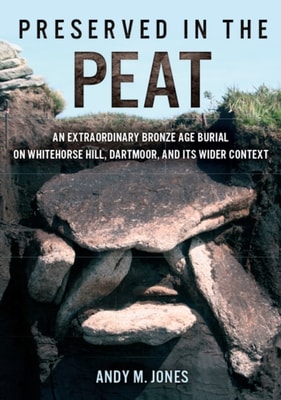
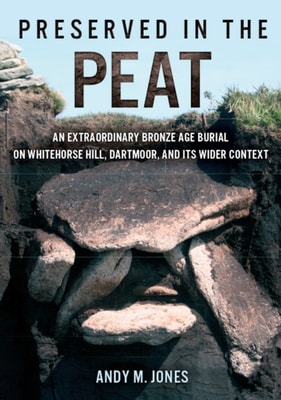
Excavation of a Scheduled burial mound on Whitehorse Hill, Dartmoor revealed an unexpected, intact burial deposit of Early Bronze Age date associated with an unparalleled range of artefacts.
Excavation of a Scheduled burial mound on Whitehorse Hill, Dartmoor revealed an unexpected, intact burial deposit of Early Bronze Age date associated with an unparalleled range of artefacts.
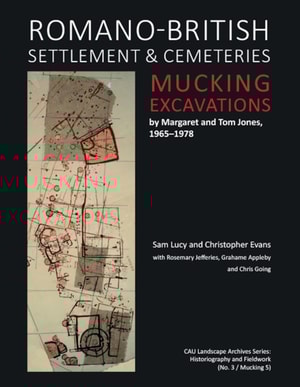
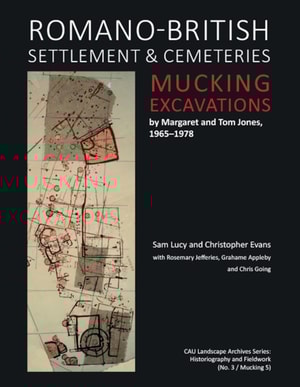
Excavations at Mucking, Essex, between 1965 and 1978, revealed extensive evidence for a multiphase rural Romano-British settlement, perhaps an estate center, and five associated cemetery areas (170 burials) with different burial areas reserved for different groups within the settlement.
Excavations at Mucking, Essex, between 1965 and 1978, revealed extensive evidence for a multiphase rural Romano-British settlement, perhaps an estate center, and five associated cemetery areas (170 burials) with different burial areas reserved for different groups within the settlement.
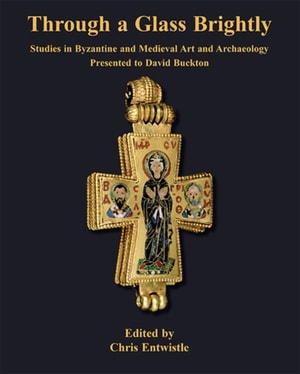
The twenty-five papers in this volume cover diverse aspects of the material culture of the late Roman, Byzantine and Medieval periods, with particular emphasis on the metalwork and enamel of these times.
The twenty-five papers in this volume cover diverse aspects of the material culture of the late Roman, Byzantine and Medieval periods, with particular emphasis on the metalwork and enamel of these times.
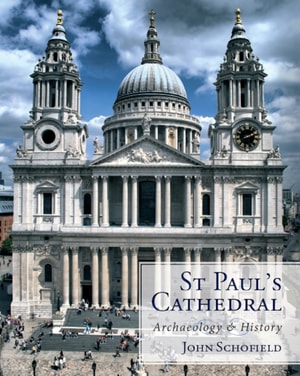
This is the first volume concerned solely with the archaeology of a major late 17th century building in London, and the major changes it has undergone.
This is the first volume concerned solely with the archaeology of a major late 17th century building in London, and the major changes it has undergone.
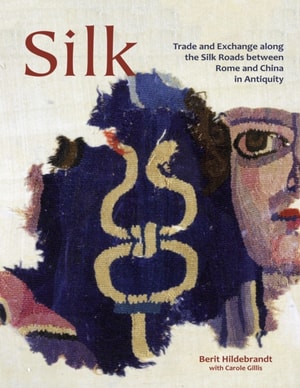
"Already in Greek and Roman antiquity a vibrant series of exchange relationships existed between the Mediterranean regions and China, including the Indian subcontinents along well-defined routes we call the Silk Roads.
"Already in Greek and Roman antiquity a vibrant series of exchange relationships existed between the Mediterranean regions and China, including the Indian subcontinents along well-defined routes we call the Silk Roads.
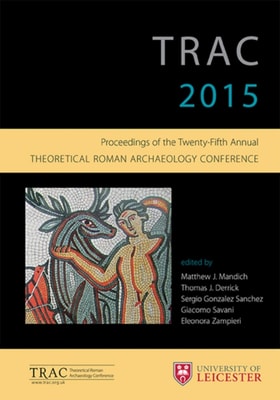
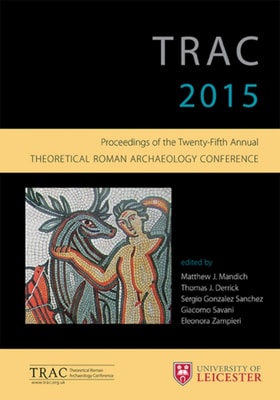
The 2015 TRAC proceedings feature a selection of 14 papers summing up some of the key sessions presented at the conference held at the University of Leicester in March 2015, which drew over 180 delegates of 17 nationalities from a variety of universities, museums, and research institutions in the UK, Europe, and North America.
The 2015 TRAC proceedings feature a selection of 14 papers summing up some of the key sessions presented at the conference held at the University of Leicester in March 2015, which drew over 180 delegates of 17 nationalities from a variety of universities, museums, and research institutions in the UK, Europe, and North America.
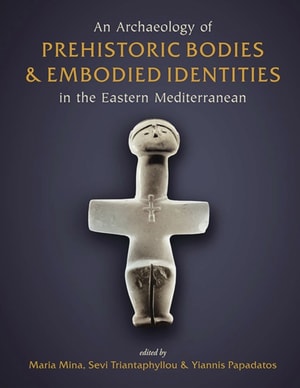
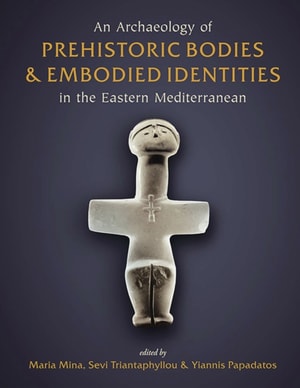
In the long tradition of the archaeology of the eastern Mediterranean bodies have held a prominent role in the form of figurines, frescos, or skeletal remains, and have even been responsible for sparking captivating portrayals of the Mother-Goddess cult, the elegant women of Minoan Crete or the deeds of heroic men.
In the long tradition of the archaeology of the eastern Mediterranean bodies have held a prominent role in the form of figurines, frescos, or skeletal remains, and have even been responsible for sparking captivating portrayals of the Mother-Goddess cult, the elegant women of Minoan Crete or the deeds of heroic men.
The relationship between the Homeric epics and archaeology has long suffered mixed fortunes, swinging between 'fundamentalist' attempts to use archaeology in order to demonstrate the essential historicity of the epics and their background, and outright rejection of the idea that archaeology is capable of contributing anything at all to our understanding and appreciation of the epics.
The relationship between the Homeric epics and archaeology has long suffered mixed fortunes, swinging between 'fundamentalist' attempts to use archaeology in order to demonstrate the essential historicity of the epics and their background, and outright rejection of the idea that archaeology is capable of contributing anything at all to our understanding and appreciation of the epics.
From 1985 to 2001, the collaborative research initiative known as the Bannu Archaeological Project conducted archaeological explorations and excavations in the Bannu region, in what was then the North West Frontier Province (NWFP) of Pakistan, now Khyber-Pakhtunkhwa.
From 1985 to 2001, the collaborative research initiative known as the Bannu Archaeological Project conducted archaeological explorations and excavations in the Bannu region, in what was then the North West Frontier Province (NWFP) of Pakistan, now Khyber-Pakhtunkhwa.
While traditional studies of dress and jewellery have tended to focus purely on reconstruction or descriptions of style, chronology and typology, the social context of costume is now a major research area in archaeology.
While traditional studies of dress and jewellery have tended to focus purely on reconstruction or descriptions of style, chronology and typology, the social context of costume is now a major research area in archaeology.
The ancient counties surrounding the Weald in the SE corner of England have a strongly marked character of their own that has survived remarkably well in the face of ever-increasing population pressure.
The ancient counties surrounding the Weald in the SE corner of England have a strongly marked character of their own that has survived remarkably well in the face of ever-increasing population pressure.
A general introduction to archeogaming describing the intersection of archaeology and video games and applying archaeological method and theory into understanding game-spaces.
In the first book-length treatise on historical ecology of the West Indies, Island Historical Ecology addresses Caribbean island ecologies from the perspective of social and cultural interventions over approximately eight millennia of human occupations.
Nutritional Anthropology and public health research and programming have employed similar methodologies for decades; many anthropologists are public health practitioners while many public health practitioners have been trained as medical or biological anthropologists.
Timbuktu Unbound: Islamic Texts, Textual Traditions and Heritage in West Africa is a cutting edge collection offering a reconsideration of manuscripts in Muslim West Africa.
This volume, published in honour of Egyptologist Professor Rosalie David OBE, presents the latest research on three of the most important aspects of ancient Egyptian civilisation: mummies, magic and medical practice.
This volume, published in honour of Egyptologist Professor Rosalie David OBE, presents the latest research on three of the most important aspects of ancient Egyptian civilisation: mummies, magic and medical practice.
A beautifully illustrated account of the history and archaeology of an iconic feature of the English landscape, as part of the stunning Landmark Library series.
The importance of the Law of Treasure is largely the result of the spectacular growth in the activity of metal detecting which, starting in the 1960's, has grown so much in popularity that it now brings to our knowledge each year more than a thousand objects of historical, cultural or archaeological interest.
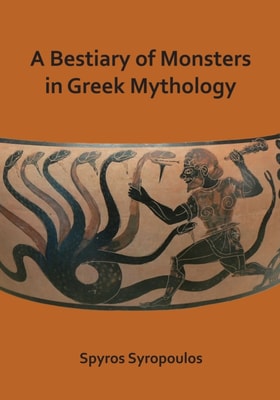
Greek myths abound in images of beauty and perfection: charming gods, attractive goddesses, and handsome heroes, all of them standards of physical and spiritual flawlessness.
This volume concerns the bioanthropological analysis and the investigation of Second Iron Age (also known as the La Tène period: 470–25 BC) funerary practices in central Valais.