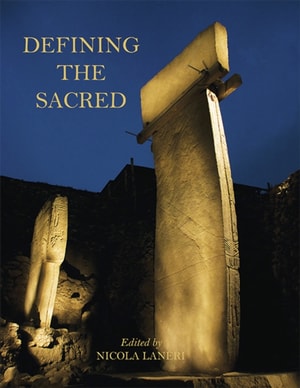
Ritual happens in distinct places – in temples, in caves, along pilgrimage routes – and religious activities there incorporate a diverse set of objects such as holy water, cult statues, and sacred texts.
Ritual happens in distinct places – in temples, in caves, along pilgrimage routes – and religious activities there incorporate a diverse set of objects such as holy water, cult statues, and sacred texts.
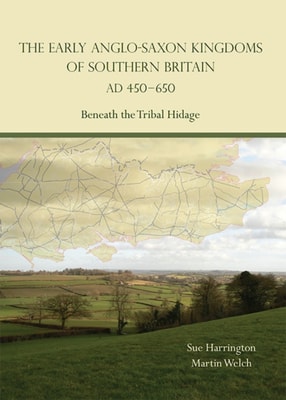
The Tribal Hidage, attributed to the 7th century, records the named groups and polities of early Anglo-Saxon England and the taxation tribute due from their lands and surpluses.
The Tribal Hidage, attributed to the 7th century, records the named groups and polities of early Anglo-Saxon England and the taxation tribute due from their lands and surpluses.
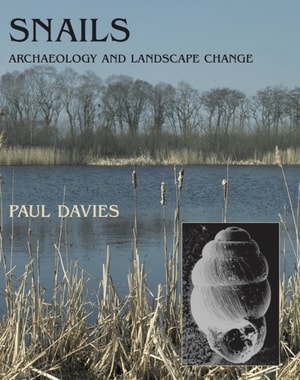
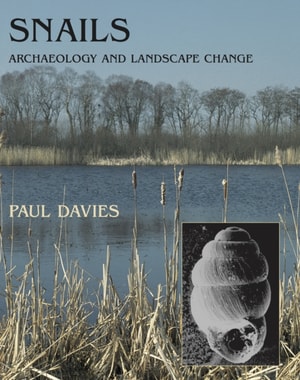
The remains of snails in ancient soils and sediments are one of the most important biological indicators of past landscapes, and have attracted study for well over a century.
The remains of snails in ancient soils and sediments are one of the most important biological indicators of past landscapes, and have attracted study for well over a century.
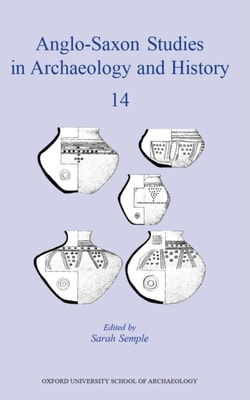
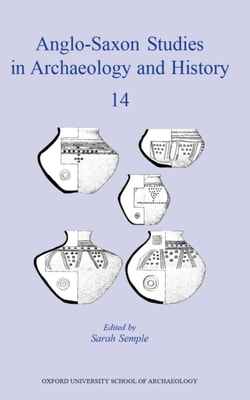
Volume 14 of the Anglo-Saxon Studies in Archaeology and History series is dedicated to the archaeology of early medieval death, burial and commemoration.
Volume 14 of the Anglo-Saxon Studies in Archaeology and History series is dedicated to the archaeology of early medieval death, burial and commemoration.
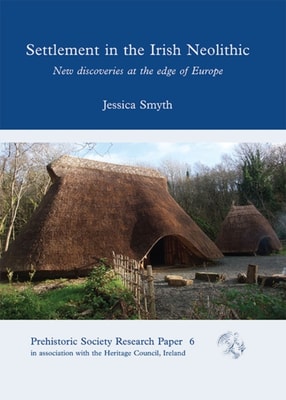
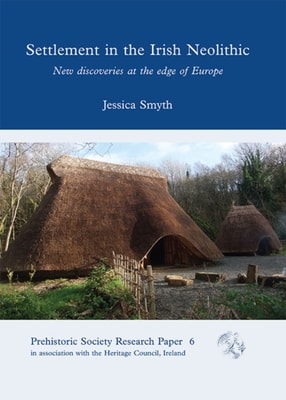
The Irish Neolithic has been dominated by the study of megalithic tombs, but the defining element of Irish settlement evidence is the rectangular timber Early Neolithic house, the numbers of which have more than quadrupled in the last ten years.
The Irish Neolithic has been dominated by the study of megalithic tombs, but the defining element of Irish settlement evidence is the rectangular timber Early Neolithic house, the numbers of which have more than quadrupled in the last ten years.
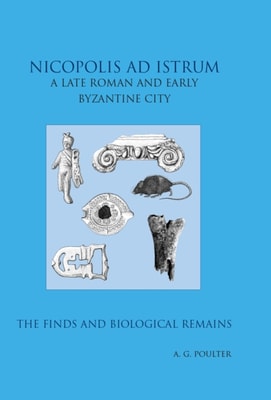
This, the third and final monograph, completes the description of the excavations carried out by the British team, part of the Anglo-Bulgarian archaeological programme on the site of Nicopolis ad Istrum in northern Bulgaria, one of the best-preserved ancient cities of the Roman Empire.
This, the third and final monograph, completes the description of the excavations carried out by the British team, part of the Anglo-Bulgarian archaeological programme on the site of Nicopolis ad Istrum in northern Bulgaria, one of the best-preserved ancient cities of the Roman Empire.
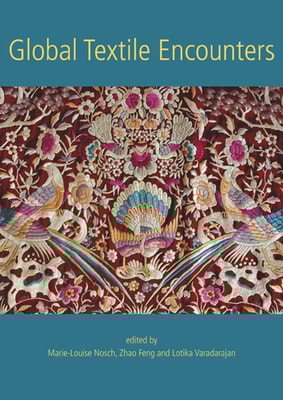
The point of departure here is three significant textiles and clothing cultures: China, India and Europe, and the common thread is how fashions and traditions have travelled through space and time.
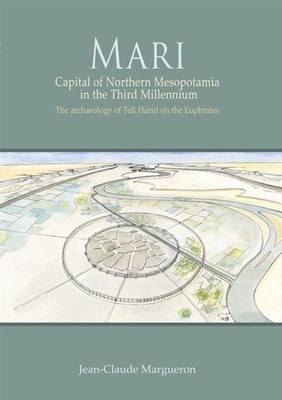
According to archaeological evidence gleaned over more than 70 years, Mari appears to have been the most important city in northern Mesopotamia from its foundation at about 2950 BC to 1760 BC.
Exploring the origins of urbanism – the emergence and development of the first cities, has long constituted one of the main challenges of archaeological and ancient historical research.
Exploring the origins of urbanism – the emergence and development of the first cities, has long constituted one of the main challenges of archaeological and ancient historical research.
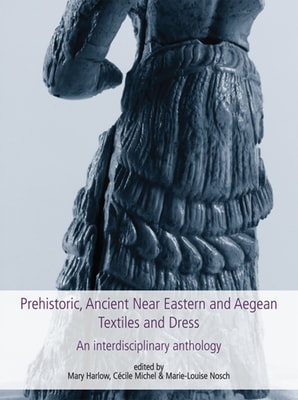
Twenty chapters present the range of current research into the study of textiles and dress in classical antiquity, stressing the need for cross and inter-disciplinarity study in order to gain the fullest picture of surviving material.
Twenty chapters present the range of current research into the study of textiles and dress in classical antiquity, stressing the need for cross and inter-disciplinarity study in order to gain the fullest picture of surviving material.
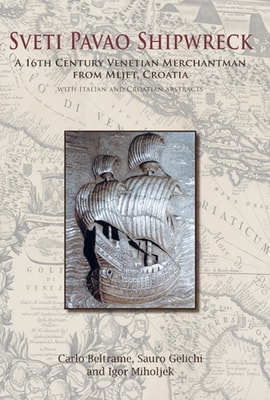
Between 2007 and 2012 the Department for Underwater Archaeology of the Croatian Conservation Institute from Zagreb and the Department of Humanistic Studies of the Ca' Foscari University of Venice collaborated in the recording, underwater excavation and analysis of the unusually well-preserved wreck of a 16th century Venetian merchantman in the Svetti Pavao shallow off the southern shore of the island of Mljet, Croatia.
Between 2007 and 2012 the Department for Underwater Archaeology of the Croatian Conservation Institute from Zagreb and the Department of Humanistic Studies of the Ca' Foscari University of Venice collaborated in the recording, underwater excavation and analysis of the unusually well-preserved wreck of a 16th century Venetian merchantman in the Svetti Pavao shallow off the southern shore of the island of Mljet, Croatia.
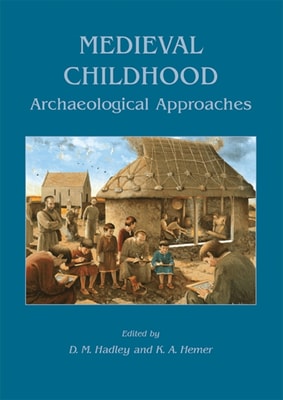
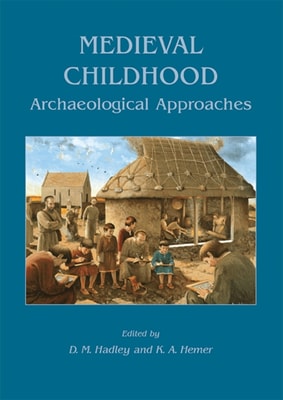
The nine papers presented here set out to broaden the recent focus of archaeological evidence for medieval children and childhood and to offer new ways of exploring their lives and experiences.
The nine papers presented here set out to broaden the recent focus of archaeological evidence for medieval children and childhood and to offer new ways of exploring their lives and experiences.
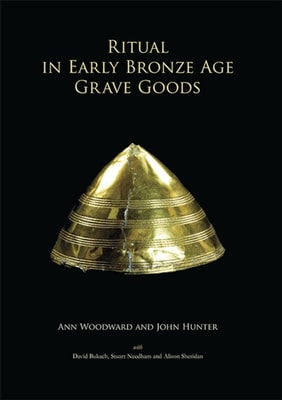
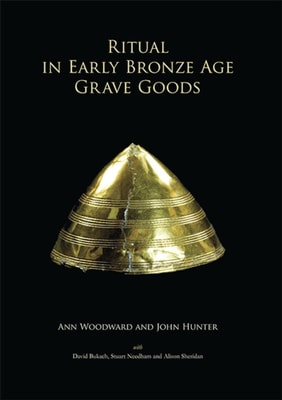
The exotic and impressive grave goods from burials of the ‘Wessex Culture’ in Early Bronze Age Britain are well known and have inspired influential social and economic hypotheses, invoking the former existence of chiefs, warriors and merchants and high-ranking pastoralists.
The exotic and impressive grave goods from burials of the ‘Wessex Culture’ in Early Bronze Age Britain are well known and have inspired influential social and economic hypotheses, invoking the former existence of chiefs, warriors and merchants and high-ranking pastoralists.
The fourteenth Current Research in Egyptology conference, held at the University of Cambridge in March 2013 brought together speakers and attendees from six continents and hosted more than 50 presentations covering multiple aspects of Egyptology and its related fields.
The fourteenth Current Research in Egyptology conference, held at the University of Cambridge in March 2013 brought together speakers and attendees from six continents and hosted more than 50 presentations covering multiple aspects of Egyptology and its related fields.
People are drawn to places where geology performs its miracles: ice-cold spring waters gushing from the rock, mysterious caves which act as conduits for ancestors and divinities traveling back and forth to the underworld, sacred bodies of water where communities make libations and offer sacrifices.
People are drawn to places where geology performs its miracles: ice-cold spring waters gushing from the rock, mysterious caves which act as conduits for ancestors and divinities traveling back and forth to the underworld, sacred bodies of water where communities make libations and offer sacrifices.
Athenian Potters and Painters III presents a rich mass of new material on Greek vases, including finds from excavations at the Kerameikos in Athens and Despotiko in the Cyclades.
Athenian Potters and Painters III presents a rich mass of new material on Greek vases, including finds from excavations at the Kerameikos in Athens and Despotiko in the Cyclades.