This volume provides a synthetic review of the background and archaeology that has emerged through archaeological interventions associated with the quarrying of sand, gravel, and rock for aggregates.
Between 1989 and 1991, excavations in the parish of Flixborough, North Lincolnshire, unearthed remains of an Anglo-Saxon settlement associated with one of the largest collections of artefacts and animal bones yet found on such a site.
Between 1989 and 1991, excavations in the parish of Flixborough, North Lincolnshire, unearthed remains of an Anglo-Saxon settlement associated with one of the largest collections of artefacts and animal bones yet found on such a site.
The passage between the periods which we call Middle and Upper Palaeolithic has long held a special fascination for Palaeolithic archaeologists, but over the past ten years or so it has gone right to the top of the list of 'hot' research topics.
Seals and their Context in the Middle Ages offers an extensive overview of approaches to and the potential of sigillography, as well as introducing a wider readership to the range, interest and artistry of medieval seals.
Seals and their Context in the Middle Ages offers an extensive overview of approaches to and the potential of sigillography, as well as introducing a wider readership to the range, interest and artistry of medieval seals.
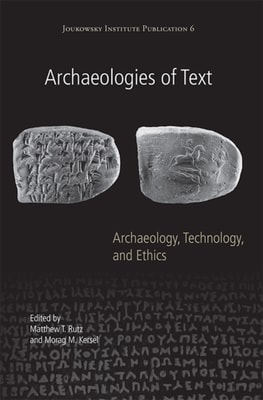
Scholars working in a number of disciplines – archaeologists, classicists, epigraphers, papyrologists, Assyriologists, Egyptologists, Mayanists, philologists, and ancient historians of all stripes – routinely engage with ancient textual sources that are either material remains from the archaeological record or historical products of other connections between the ancient world and our own.
Paradigm Found brings together papers by renowned researchers from across Europe, Asia and America to discuss a selection of pressing issues in current archaeological theory and method.
Paradigm Found brings together papers by renowned researchers from across Europe, Asia and America to discuss a selection of pressing issues in current archaeological theory and method.
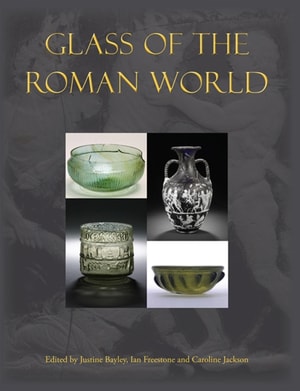
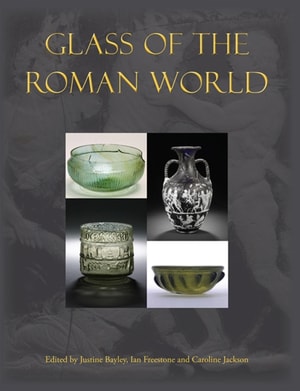
Glass of the Roman World illustrates the arrival of new cultural systems, mechanisms of trade and an expanded economic base in the early 1st millennium AD which, in combination, allowed the further development of the existing glass industry.
Glass of the Roman World illustrates the arrival of new cultural systems, mechanisms of trade and an expanded economic base in the early 1st millennium AD which, in combination, allowed the further development of the existing glass industry.
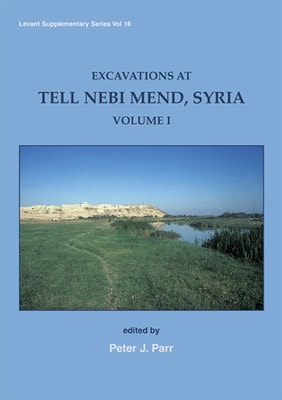
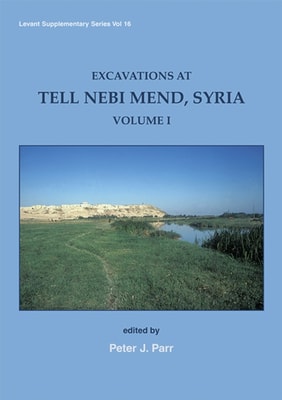
The archaeological site of Tell Nebi Mend, a tell on the Homs plain in present-day Syria, is universally recognised as the location, first, of Qadesh (or Kadesh), where, in c.
The archaeological site of Tell Nebi Mend, a tell on the Homs plain in present-day Syria, is universally recognised as the location, first, of Qadesh (or Kadesh), where, in c.
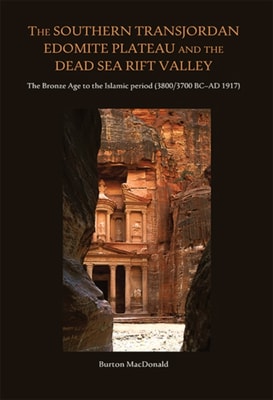
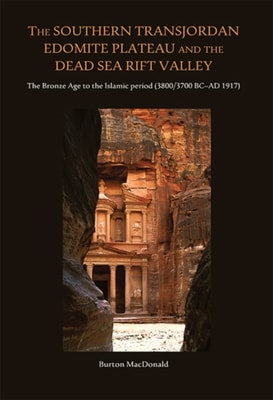
Burton MacDonald presents an in-depth study of the archaeology and history of human presence over the past five-six thousand years in the southern segment of the Transjordan/Edomite Plateau and the Dead Sea Rift Valley to the west.
Burton MacDonald presents an in-depth study of the archaeology and history of human presence over the past five-six thousand years in the southern segment of the Transjordan/Edomite Plateau and the Dead Sea Rift Valley to the west.
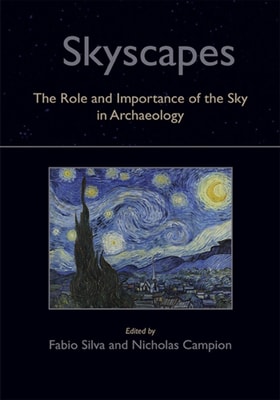
Eleven papers extend discussion of the role and importance of the landscape and the wider environment to past societies, and to the understanding and interpretation of their material remains, into consideration of the significance of the celestial environment: the skyscape.
Eleven papers extend discussion of the role and importance of the landscape and the wider environment to past societies, and to the understanding and interpretation of their material remains, into consideration of the significance of the celestial environment: the skyscape.
After more than 3500 years of occupation in the Neolithic and Bronze Age, the many lake-dwellings around the Circum-Alpine region ‘suddenly’ came to an end.
After more than 3500 years of occupation in the Neolithic and Bronze Age, the many lake-dwellings around the Circum-Alpine region ‘suddenly’ came to an end.
François Neveu’s seminal work, here available in English for the first time, enables the reader to explore the Ramesside age through an understanding of Late Egyptian.
François Neveu’s seminal work, here available in English for the first time, enables the reader to explore the Ramesside age through an understanding of Late Egyptian.
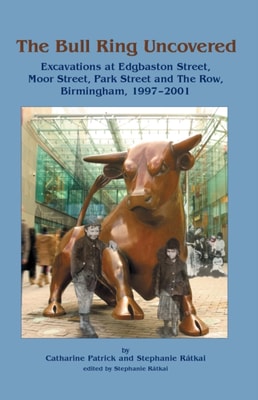
The excavations in the centre of Birmingham uncovered evidence of habitation from prehistoric and Roman times, but the 12th to 19th centuries presented by far the most evidence, from artefacts, environmental samples and structural remains.
The excavations in the centre of Birmingham uncovered evidence of habitation from prehistoric and Roman times, but the 12th to 19th centuries presented by far the most evidence, from artefacts, environmental samples and structural remains.
The international conference "Egypt and Cyprus in Antiquity" held in Nicosia in April 2003 filled an important gap in historical knowledge about Cyprus' relations with its neighbours.
The international conference "Egypt and Cyprus in Antiquity" held in Nicosia in April 2003 filled an important gap in historical knowledge about Cyprus' relations with its neighbours.
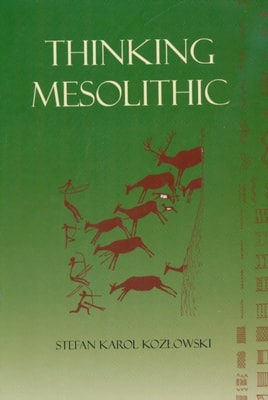
Studies of the European Mesolithic have gone through a renaissance since the seminal Warsaw conference on the subject in 1973, and Stefan Kozlowski has been at its heart.
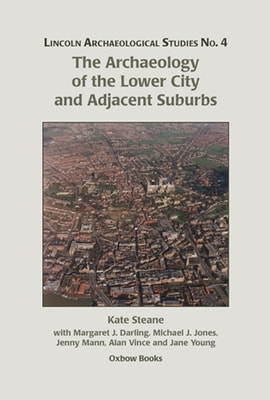
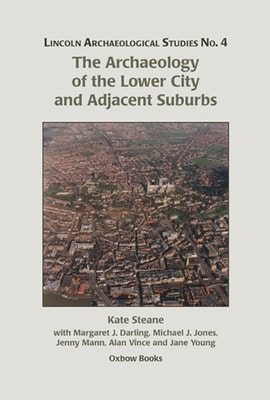
This volume contains reports on excavations undertaken in the lower walled city at Lincoln, which lies on sloping ground on the northern scarp of the Witham gap, and its adjacent suburbs between 1972 and 1987, and forms a companion volume to LAS volumes 2 and 3 which cover other parts of the historic city.
This volume contains reports on excavations undertaken in the lower walled city at Lincoln, which lies on sloping ground on the northern scarp of the Witham gap, and its adjacent suburbs between 1972 and 1987, and forms a companion volume to LAS volumes 2 and 3 which cover other parts of the historic city.
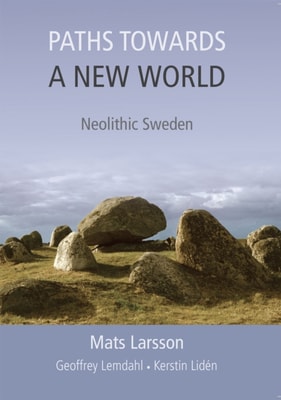
Covering the approximately 6,500 years from the beginning of the Late Mesolithic to the transition to the Bronze Age, Mats Larsson takes the reader on a journey through the development of Swedish prehistoric society and culture set against the backdrop of climatic and landscape change.
The twelve papers in this edited volume originated from the Neolithic Studies Group seminar held at the British Museum on 10th November 2003 on the subject of Animals in the Neolithic.