Our recent understanding of British history has been slowly unravelling thanks to new techniques such as DNA analysis, new archaeological data and reassessment of the literary evidence.
The region of Rough Cilicia (modern area the south-western coastal area of Turkey), known in antiquity as Cilicia Tracheia, constitutes the western part of the larger area of Cilicia.
The region of Rough Cilicia (modern area the south-western coastal area of Turkey), known in antiquity as Cilicia Tracheia, constitutes the western part of the larger area of Cilicia.
In the last fifty years the investigation of maritime archaeological sites in the sea, in the coastal zone and in their interconnecting locales, has emerged as one of archaeology's most dynamic and fast developing fields.
In the last fifty years the investigation of maritime archaeological sites in the sea, in the coastal zone and in their interconnecting locales, has emerged as one of archaeology's most dynamic and fast developing fields.
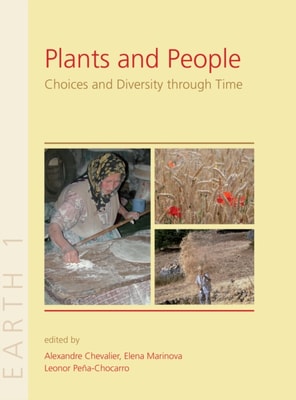
This first monograph in the EARTH series, The dynamics of non-industrial agriculture: 8,000 years of resilience and innovation, approaches the great variety of agricultural practices in human terms.
This first monograph in the EARTH series, The dynamics of non-industrial agriculture: 8,000 years of resilience and innovation, approaches the great variety of agricultural practices in human terms.
This volume is the outcome of collaborative European research among archaeologists, archaeobotanists, ethnographers, historians and agronomists, and frequently uses experiments in archaeology.
This volume is the outcome of collaborative European research among archaeologists, archaeobotanists, ethnographers, historians and agronomists, and frequently uses experiments in archaeology.
Through a series of case studies, this third volume in the Earth series deals with the technological constraints and innovations that enabled societies to survive and thrive across a range of environmental conditions.
Through a series of case studies, this third volume in the Earth series deals with the technological constraints and innovations that enabled societies to survive and thrive across a range of environmental conditions.
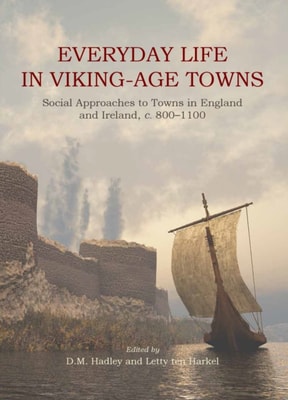
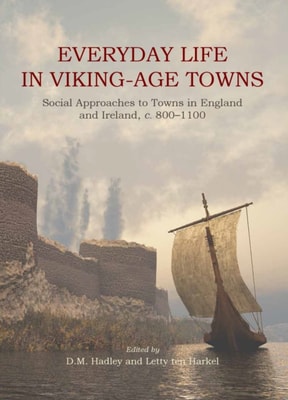
The study of early medieval towns has frequently concentrated on urban beginnings, the search for broadly applicable definitions of urban characteristics and the chronological development of towns.
The study of early medieval towns has frequently concentrated on urban beginnings, the search for broadly applicable definitions of urban characteristics and the chronological development of towns.
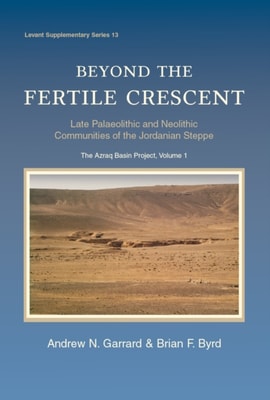
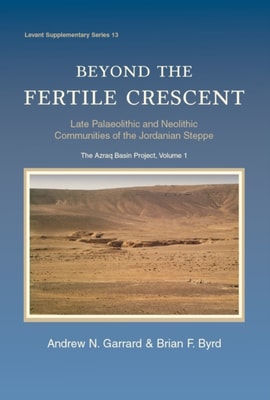
The natural arc of resource-rich land which forms the ‘Fertile Crescent’ of South-West Asia is regarded as the earliest centre of village-based farming in the world and has been the focus of much of our understanding of the transition from Epipalaeolithic hunter-gathers to Neolithic farmers.
The natural arc of resource-rich land which forms the ‘Fertile Crescent’ of South-West Asia is regarded as the earliest centre of village-based farming in the world and has been the focus of much of our understanding of the transition from Epipalaeolithic hunter-gathers to Neolithic farmers.
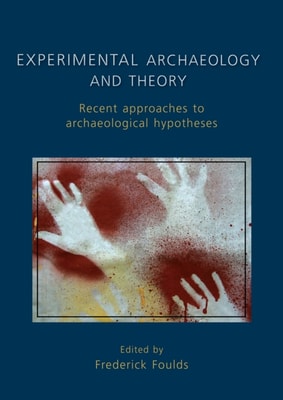
Experimental Archaeology is a volume which aims to bridge the gap in archaeology between empirical testing and humanistic approaches to understanding the material record.
In recent years, walking has emerged as a methodological tool and as a conceptually exciting point of departure across a range of disciplines and practices.
'An erudite and fascinating work' Jan Morris, New York Times'An artful combination of history, archaeology and the imagination' Mary Beard, New York Review of Books'Riley manages to bring multi-faceted, polygot and multi-cultural Roman Britain to vibrant life for specialists and generalists' Country LifeIt is AD 130.
Whether it's Tomb Raider or Roman coins, the conventional view of archaeology as a discipline solely preoccupied with long dead cultures is misleading.
The adventures and tribulations of Eglantyne Jebb, founder of Save the Children, and humble revolutionary Winner of the 2007 Daily Mail Biographer's Club PrizeAn unconventional biography of an unconventional woman.
Amelia Peabody is Elizabeth Peters' most brilliant and best-loved creation, a thoroughly Victorian feminist who takes the stuffy world of archaeology by storm with her shocking men's pants and no-nonsense attitude!
Lutes and Marginality in Pre-Modern China traces the complex history of lutes as they moved from the far west into China, and how these instruments became linked to various forms of social, cultural, ethnic, and religious marginality within and at China's borders.
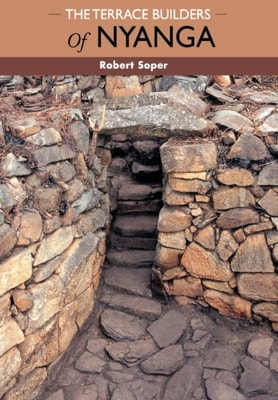
The stone ruins of the Nyanga area of eastern Zimbabwe have aroused much interest since they were first reported to the outside world at the end of the 19th century.
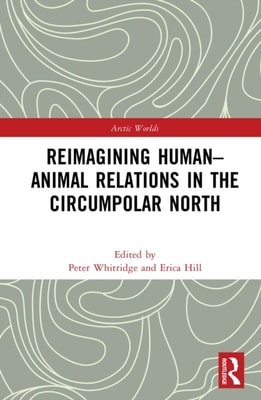
This volume provides fresh insight into northern human-animal relations and illustrates the breadth and practical utility of archaeological human-animal studies.
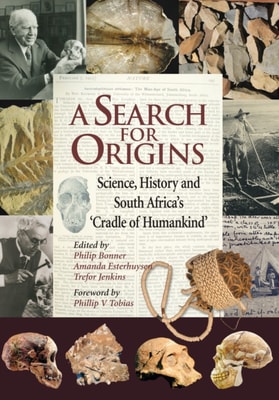
The 'Cradle of Humankind' (COH), bordering Gauteng and the North-West Province, was declared a World Heritage Site for the wealth of the human and animal fossils found there.
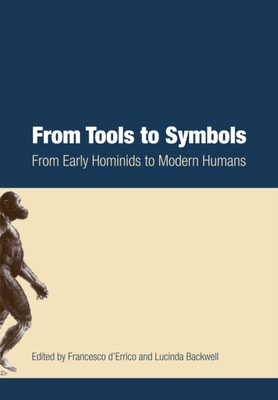
A number of researchers have tried to characterise the anatomy and behavioural systems of early hominid and early modern human populations in an attempt to understand how we became what we are.
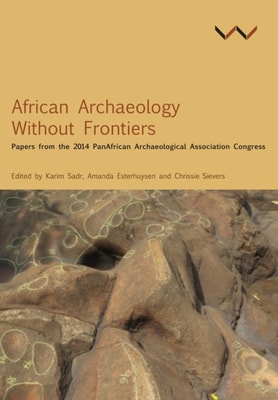
Confronting national, linguistic and disciplinary boundaries, contributors to African Archaeology Without Frontiers argue against artificial limits and divisions created through the study of 'ages' that in reality overlap and cannot and should not be understood in isolation.
Confronting national, linguistic and disciplinary boundaries, contributors to African Archaeology Without Frontiers argue against artificial limits and divisions created through the study of 'ages' that in reality overlap and cannot and should not be understood in isolation.
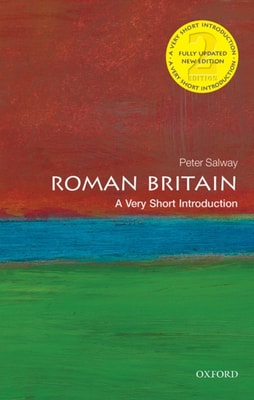
For four centuries Britain was an integral part of the Roman Empire, a political system stretching from Turkey to Portugal and from the Red Sea to the Tyne and beyond.
Coping with Biological Growth on Stone Heritage Objects: Methods, Products, Applications, and Perspectives offers hands-on guidance for addressing the specific challenges involved in conserving historical monuments, sculptures, archaeological sites, and caves that have been attacked and colonized by micro- and macroorganisms.