The Neolithic of Britain and Ireland provides a comprehensive overview of this exciting period, covering the last few hundred years of the Mesolithic and the arrival and spread of the Neolithic up to the start of the early Beaker period: roughly 2000 years of prehistory.
The discovery of the remains of 'Boxgrove Man', a 'Missing Link' hominid half a million years old in chalk pits in Sussex made world headlines in May 1994.
The fascinating story of how the fossils of dinosaurs, mammoths, and other extinct animals influenced some of the most spectacular creatures of classical mythologyGriffins, Centaurs, Cyclopes, and Giants-these fabulous creatures of classical mythology continue to live in the modern imagination through the vivid accounts that have come down to us from the ancient Greeks and Romans.
Originally published in 1849, this early work by traveller, archaeologist and collector Sir Austen Henry Layard is both expensive and hard to find in its first edition.
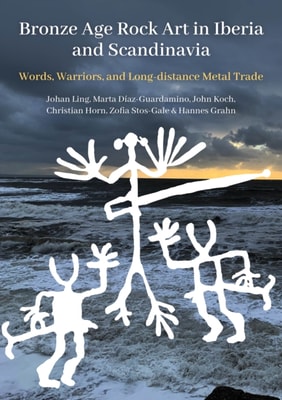
Discusses new evidence of interactions between Scandinavia and Iberia during the Bronze Age and cross references warrior iconography in both societies.
How a lower patrician Venetian family strove for status and wealth over the course of the fourteenth and early fifteenth centuriesThe House of Condulmer tells the story of a lower patrician Venetian family in the wake of the Black Death, as they strove for status and wealth over the course of the fourteenth and early fifteenth centuries.
Economic Structures of the Ancient Near East (1985) is a political economy of antiquity which applies the universal conclusions of theoretical economics to the interpretation of economic life.
FROM THE MULTI-MILLION-COPY BESTSELLING AUTHOR OF FINGERPRINTS OF THE GODS AND CREATOR OF NETFLIX'S ANCIENT APOCALYPSE 'Nail-biting' SUNDAY EXPRESS'An intellectual whodunit by a do-it-yourself sleuth' GUARDIAN___________________________________The greatest secret of the last 3000 years is about to be shattered.
Roman coinage represents the largest single category of object recorded through the British Museum's Portable Antiquities Scheme (PAS), with over 300,000 single finds in addition to several thousand hoards.
The Portable Antiquities Scheme celebrated its fifteenth anniversary in 2018, and has been operating in Buckinghamshire since 2003 when the scheme went national.
50 Roman Finds From the Portable Antiquities Scheme highlights some of the most important and interesting Roman objects recorded by the Portable Antiquities Scheme (PAS) or reported as Treasure.
When soldiers of the Roman 9th Legion arrived in AD 70, they built a fortress and this huge military camp formed the foundation of the modern city of York.
British Bronze Age artefacts made from copper, bronze, gold, flint, jet and shale are renowned throughout Europe for their beauty and exquisite craftsmanship.
From the remains of a tenth/eleventh-century massacre at St John's College through to the biggest exposure of medieval buildings yet seen in Oxford at the Westgate Shopping Centre, excavations in Oxford have continued to uncover exciting new information about the city's past.
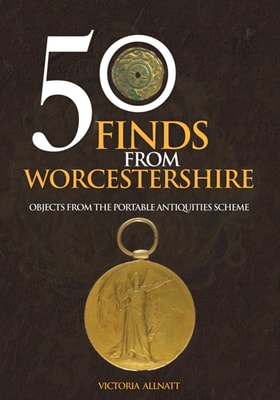
The landscape of Worcestershire has been an attractive place for people to settle for thousands of years; the natural resources have been utilised such as the salt at Droitwich and the pure water springs of the Malvern Hills.
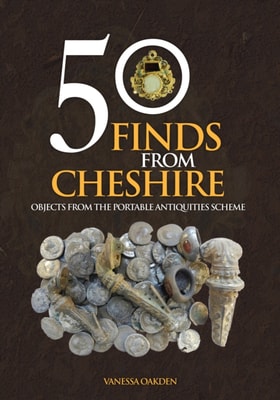
Every year thousands of archaeological artefacts are discovered by the public, mostly through metal detecting but also while digging in the garden or while out walking the dog in the countryside.
50 Medieval Finds from the Portable Antiquities Scheme highlights some of the most important and interesting archaeological objects of medieval date that have been found by the public over the last twenty years and recorded by the Portable Antiquities Scheme (PAS), or reported as Treasure.
Every year the general public find thousands of ancient objects and coins, many of which are recorded with the British Museum's Portable Antiquities Scheme (PAS).
Erected by man for some long-forgotten purpose, there are large numbers of enigmatic standing stones, stone circles and burial chambers to be found in Wales.
Yorkshire has been at the heart of English history for over 2,000 years and has been shaped by Roman and Viking invaders, the conflict of the Wars of the Roses and the English Civil Wars.
The counties of Derbyshire and Nottinghamshire are an area of transition between the north-west and the south-east, highland and lowland, pasture and arable, rural and urban.
Wales, a small country, is littered with the relics of war - Iron Age forts, Roman ruins, medieval castles and the coastal forts of the eighteenth and nineteenth centuries.
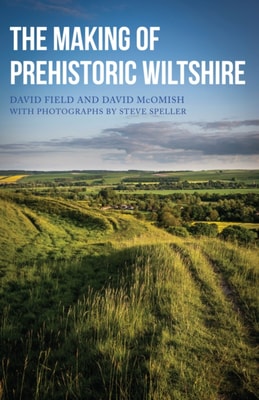
Well known for its World Heritage Sites of Stonehenge and Avebury, the prehistoric monuments of Wiltshire have long provided a focus of attention for archaeologists and visitors alike.
In this stunning, full-colour book, John Kinross explores the fascinating history behind the castles of Herefordshire, Shropshire and the Welsh border.
The objects of our ancestors can tell us a lot about the past, from what was happening with the economy and changes in fashion to where people traded, lived and worked.
Hadrian's Wall is a major World Heritage site, set in stunning countryside in Cumbria and Northumberland, where the Wall and its forts are the most visited Roman remains in Britain.
The House That Jack Built is one of the strangest tales in British history, and begins with an old lead miner and his wife who took up residence in a remote cave on a windswept beach in South Shields.