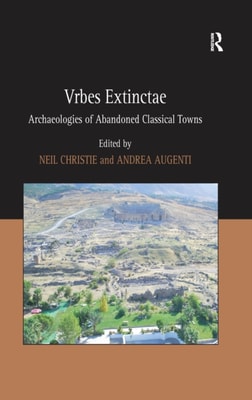
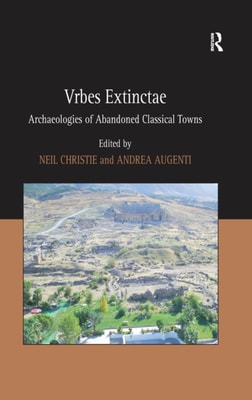
Core tourist sites for the classical world are the ruins of those many and scattered examples of 'lost' and abandoned towns - from Pompeii to Timgad to Ephesus and Petra.
Core tourist sites for the classical world are the ruins of those many and scattered examples of 'lost' and abandoned towns - from Pompeii to Timgad to Ephesus and Petra.
Change and Archaeology explores how archaeologists have historically described, interpreted, and explained change, and argues that change has been under-theorised.
Change and Archaeology explores how archaeologists have historically described, interpreted, and explained change, and argues that change has been under-theorised.
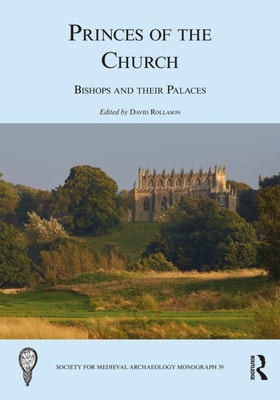
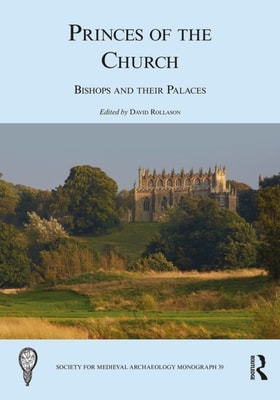
Princes of the Church brings together the latest research exploring the importance of bishops' palaces for social and political history, landscape history, architectural history and archaeology.
Princes of the Church brings together the latest research exploring the importance of bishops' palaces for social and political history, landscape history, architectural history and archaeology.
Drawing on love studies and research in material cultures, this book seeks to re-examine love through materiality studies, especially their recent incarnations, new materialism and object-oriented philosophy, to spark a debate on the relationship between love, objects and forms of materializing affection.
Drawing on love studies and research in material cultures, this book seeks to re-examine love through materiality studies, especially their recent incarnations, new materialism and object-oriented philosophy, to spark a debate on the relationship between love, objects and forms of materializing affection.
This volume sheds new light on the significance and meaning of material culture for the study of pilgrimage in the ancient world, focusing in particular on Classical and Hellenistic Greece, the Roman Empire and Late Antiquity.
This volume sheds new light on the significance and meaning of material culture for the study of pilgrimage in the ancient world, focusing in particular on Classical and Hellenistic Greece, the Roman Empire and Late Antiquity.
Elis examines the city of Elis from its earliest history, through the Archaic period and the Classical period where it reached its zenith, to its decline in the Hellenistic, Roman and later periods.
Elis examines the city of Elis from its earliest history, through the Archaic period and the Classical period where it reached its zenith, to its decline in the Hellenistic, Roman and later periods.
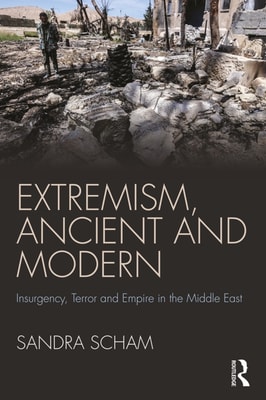
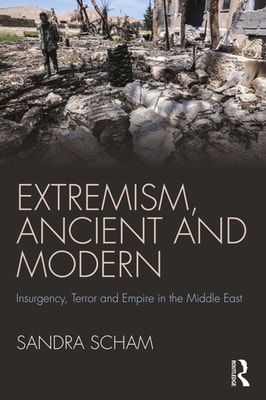
Near Eastern archaeology is generally represented as a succession of empires with little attention paid to the individuals, labelled as terrorists at the time, that brought them down.
Near Eastern archaeology is generally represented as a succession of empires with little attention paid to the individuals, labelled as terrorists at the time, that brought them down.
Archaeology and Archaeological Information in the Digital Society shows how the digitization of archaeological information, tools and workflows, and their interplay with both old and new non-digital practices throughout the archaeological information process, affect the outcomes of archaeological work, and in the end, our general understanding of the human past.
Archaeology and Archaeological Information in the Digital Society shows how the digitization of archaeological information, tools and workflows, and their interplay with both old and new non-digital practices throughout the archaeological information process, affect the outcomes of archaeological work, and in the end, our general understanding of the human past.
Despite what history has taught us about imperialism's destructive effects on colonial societies, many classicists continue to emphasize disproportionately the civilizing and assimilative nature of the Roman Empire and to hold a generally favorable view of Rome's impact on its subject peoples.
Before Alexander, the Near East was ruled by dynasts who could draw on the significant resources and power base of their homeland, but this was not the case for the Seleukids who never controlled their original homeland of Macedon.
Before Alexander, the Near East was ruled by dynasts who could draw on the significant resources and power base of their homeland, but this was not the case for the Seleukids who never controlled their original homeland of Macedon.
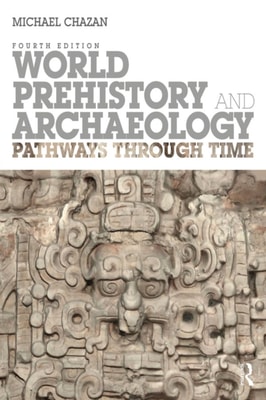
An Integrated Picture of Prehistory as an Active Process of DiscoveryWorld Prehistory and Archaeology: Pathways through Time, fourth edition, provides an integrated discussion of world prehistory and archaeological methods.
An Integrated Picture of Prehistory as an Active Process of DiscoveryWorld Prehistory and Archaeology: Pathways through Time, fourth edition, provides an integrated discussion of world prehistory and archaeological methods.
Advances in Paleoimaging: Applications for Paleoanthropology, Bioarchaeology, Forensics, and Cultural Artifacts builds on the research and advances in technology since the writing of the authors' first book, Paleoimaging: Field Applications for Cultural Remains and Artifacts (ISBN: 978-1-4200-9071-0).
Advances in Paleoimaging: Applications for Paleoanthropology, Bioarchaeology, Forensics, and Cultural Artifacts builds on the research and advances in technology since the writing of the authors' first book, Paleoimaging: Field Applications for Cultural Remains and Artifacts (ISBN: 978-1-4200-9071-0).
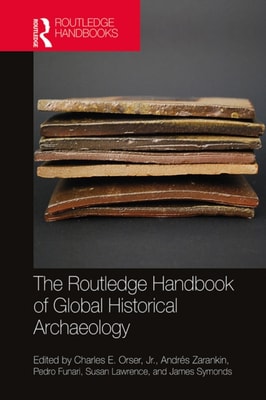
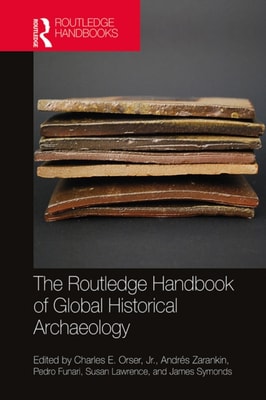
The Routledge Handbook of Global Historical Archaeology is a multi-authored compendium of articles on specific topics of interest to today's historical archaeologists, offering perspectives on the current state of research and collectively outlining future directions for the field.
The Routledge Handbook of Global Historical Archaeology is a multi-authored compendium of articles on specific topics of interest to today's historical archaeologists, offering perspectives on the current state of research and collectively outlining future directions for the field.
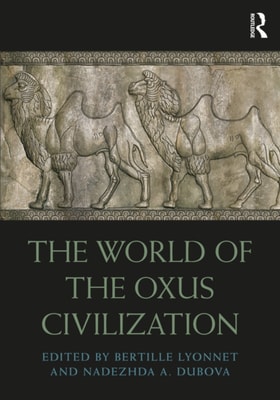
This collection of essays presents a synthesis of current research on the Oxus Civilization, which rose and developed at the turn of the 3rd to 2nd millennia BC in Central Asia.
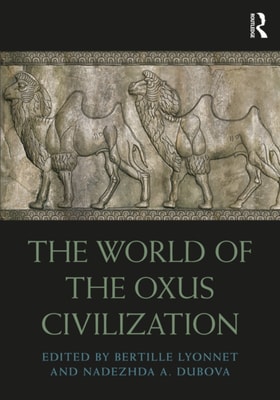
This collection of essays presents a synthesis of current research on the Oxus Civilization, which rose and developed at the turn of the 3rd to 2nd millennia BC in Central Asia.