Museums Involving Communities: Authentic Connections explores how museums can become more active and also considers how they might involve members of their local communities in their everyday work.
Museums Involving Communities: Authentic Connections explores how museums can become more active and also considers how they might involve members of their local communities in their everyday work.
"e;This volume is the result of collaboration between SPMA and the Association des archeologues du Quebec (AAQ); its guest editor is William Moss, Chief Archaeologist for the City of Quebec.
"e;This volume is the result of collaboration between SPMA and the Association des archeologues du Quebec (AAQ); its guest editor is William Moss, Chief Archaeologist for the City of Quebec.
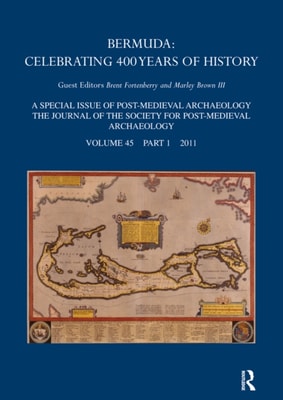
"e;This special issue ofPost-Medieval Archaeology, guest edited by Brent Fortenberry (Boston University) and Marley Brown III (The College of William and Mary), celebrates archaeology in Bermuda on the eve of the island's 400th anniversary.
"e;This special issue ofPost-Medieval Archaeology, guest edited by Brent Fortenberry (Boston University) and Marley Brown III (The College of William and Mary), celebrates archaeology in Bermuda on the eve of the island's 400th anniversary.
"e;There is no possibility of entering the world of Yiddish, its literature and culture, without understanding what the shtetl was, how it functioned, and what tensions charged its existence.
"e;There is no possibility of entering the world of Yiddish, its literature and culture, without understanding what the shtetl was, how it functioned, and what tensions charged its existence.
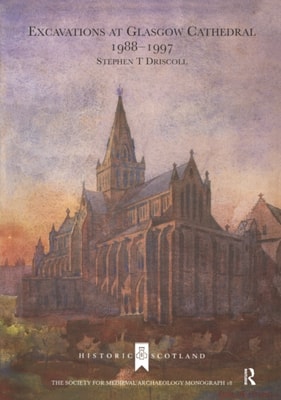
In 1988 extensive archaeological investigations began at Glasgow Cathedral revealing evidence for the first cathedral built in 1136 and subsequent 12th century phases.
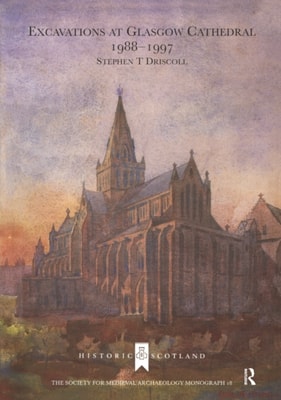
In 1988 extensive archaeological investigations began at Glasgow Cathedral revealing evidence for the first cathedral built in 1136 and subsequent 12th century phases.
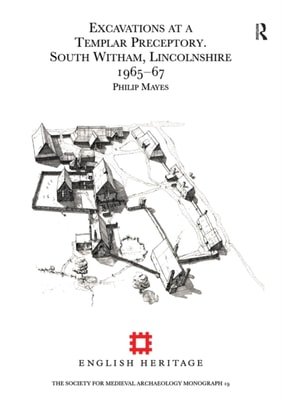
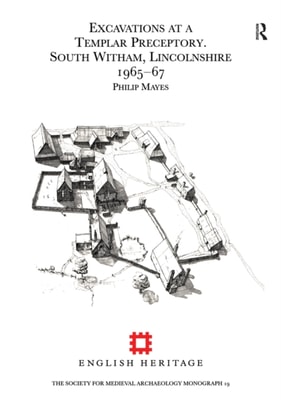
"e;The excavations at South Witham in Lincolnshire produced the most complete archaeological plan of the preceptory of the Military Orders so far seen in Britain.
"e;The excavations at South Witham in Lincolnshire produced the most complete archaeological plan of the preceptory of the Military Orders so far seen in Britain.
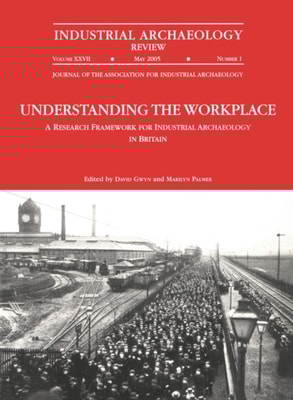
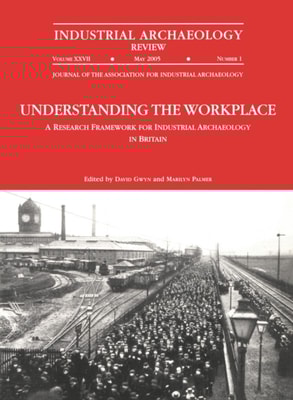
"e;This volume was first delivered at a conference organised by the Association for Industrial Archaeology in Nottingham in June 2004, and formerly constituted a special issue of Industrial Archaeology Review.
"e;This volume was first delivered at a conference organised by the Association for Industrial Archaeology in Nottingham in June 2004, and formerly constituted a special issue of Industrial Archaeology Review.
"e;Excavations at Dryslwyn between 1980 and 1995 uncovered a masonry castle, founded in the late 1220s by Rhys Gryg for his son Maredudd ap Rhys, the first Lord of Dryslwyn.
"e;Excavations at Dryslwyn between 1980 and 1995 uncovered a masonry castle, founded in the late 1220s by Rhys Gryg for his son Maredudd ap Rhys, the first Lord of Dryslwyn.
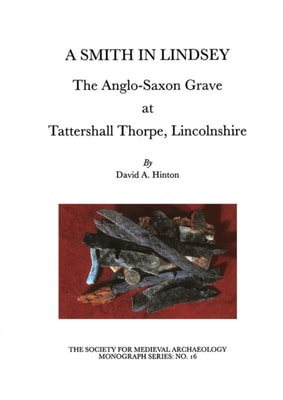
"e;Contents Include: An introduction to the grave, conservation, metallurgical and other analyses, a catalogue of organic and inorganic materials, and a discussion of dates and context.
"e;Contents Include: An introduction to the grave, conservation, metallurgical and other analyses, a catalogue of organic and inorganic materials, and a discussion of dates and context.
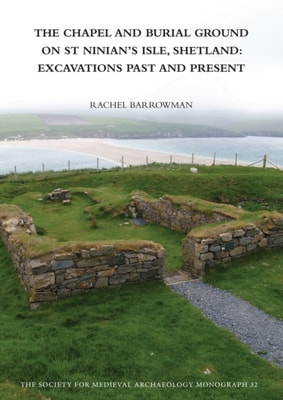
"e;This volume is the definitive account of the excavation which led to the discovery of the magnificent hoard of 28 pieces of Pictish silverware on St Ninian's Isle, Shetland in 1958.
"e;This volume is the definitive account of the excavation which led to the discovery of the magnificent hoard of 28 pieces of Pictish silverware on St Ninian's Isle, Shetland in 1958.
Landlord villages dominated Iranian land tenure for hundreds of years, whereby one powerful landlord owned the village structures, surrounding farmland, and to all intents and purposes, the village occupants themselves, a system that in some cases remained in place up to the 1979 Islamic Revolution.
Landlord villages dominated Iranian land tenure for hundreds of years, whereby one powerful landlord owned the village structures, surrounding farmland, and to all intents and purposes, the village occupants themselves, a system that in some cases remained in place up to the 1979 Islamic Revolution.
Comprising 17 chapters and with a wide geographic reach stretching from the Florida Keys in the north to the Guianas in the south, this volume places a well-needed academic spotlight on what is generally considered an integral topic in Caribbean and circum-Caribbean archaeology.
Comprising 17 chapters and with a wide geographic reach stretching from the Florida Keys in the north to the Guianas in the south, this volume places a well-needed academic spotlight on what is generally considered an integral topic in Caribbean and circum-Caribbean archaeology.
This book investigates the selection process of heritagisation to understand what specific pasts are being selected or rejected for representation, who is selecting them, how and to whom they are being represented and why they are being presented, or dismissed, in the ways that they are.
This book investigates the selection process of heritagisation to understand what specific pasts are being selected or rejected for representation, who is selecting them, how and to whom they are being represented and why they are being presented, or dismissed, in the ways that they are.
Interlacing varied approaches within Historical Ecology, this volume offers new routes to researching and understanding human-environmental interactions and the heterarchical power relations that shape both socioecological change and resilience over time.
Interlacing varied approaches within Historical Ecology, this volume offers new routes to researching and understanding human-environmental interactions and the heterarchical power relations that shape both socioecological change and resilience over time.
This fully revised and updated third edition of the bestselling Ancient Egypt seeks to identify what gave ancient Egypt its distinctive and enduring characteristics, ranging across material culture, the mindset of its people, and social and economic factors.
This fully revised and updated third edition of the bestselling Ancient Egypt seeks to identify what gave ancient Egypt its distinctive and enduring characteristics, ranging across material culture, the mindset of its people, and social and economic factors.
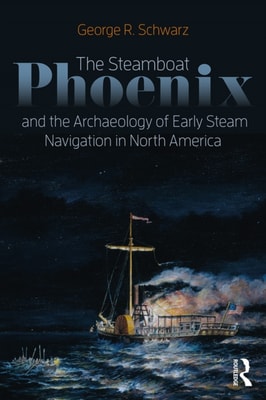
The Steamboat Phoenix and the Archaeology of Early Steam Navigation in North America offers an in-depth exploration of the archaeological and cultural aspects of early American steamboat development.