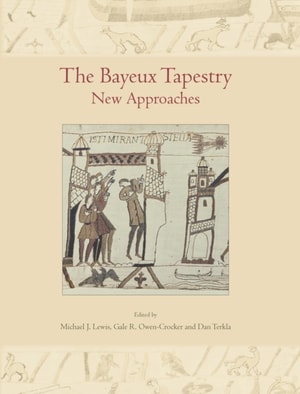
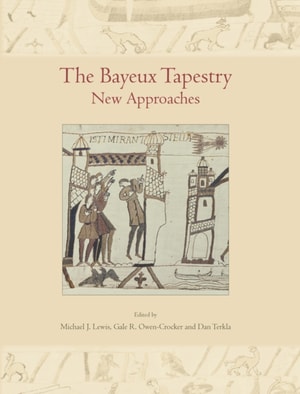
The Bayeux Tapestry, perhaps the most famous, yet enigmatic, of medieval artworks, was the subject of an international conference at the British Museum in July 2008.
The Bayeux Tapestry, perhaps the most famous, yet enigmatic, of medieval artworks, was the subject of an international conference at the British Museum in July 2008.
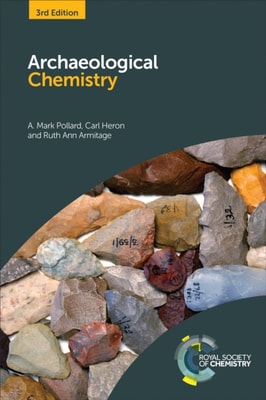
The use of chemistry in archaeology can help archaeologists answer questions about the nature and origin of the many organic and inorganic finds recovered through excavation, providing valuable information about the social history of humankind.
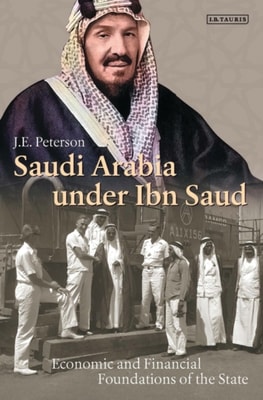
At its founding in 1932, the Kingdom of Saudi Arabia was characterized by tribal warfare, political instability, chronic financial shortages and economic crises.
At its founding in 1932, the Kingdom of Saudi Arabia was characterized by tribal warfare, political instability, chronic financial shortages and economic crises.
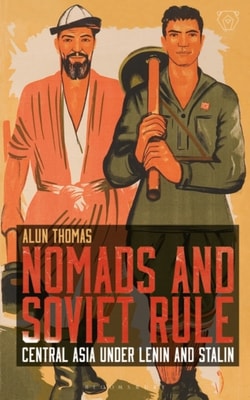
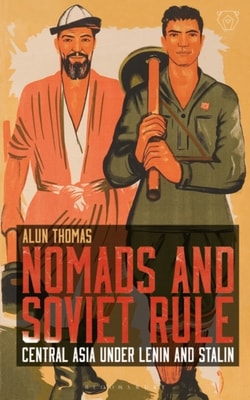
The nomads of Central Asia were already well accustomed to life under the power of a distant capital when the Bolsheviks fomented revolution on the streets of Petrograd.
The nomads of Central Asia were already well accustomed to life under the power of a distant capital when the Bolsheviks fomented revolution on the streets of Petrograd.
The Dutch bestseller Nominated for Le Prix Nicolas Bouvier'A masterclass in storytelling, exploring who we are and where we came from' Danielle Clode 'Gripping and brilliantly told, We Hominids deftly blends personal experience with a journalist's eye for a remarkable story' Mark McKennaWHO ARE WE?
The Sustainable Development Goals (SDGs) adopted by the UN in 2015 have influenced the actions of international and intergovernmental organisations and governments around the world, and have dictated priorities for international aid spending.
What is Hadrian’s Wall made of, where did this material come from and how has it been reused in other buildings in the communities that emerged in the centuries after the Roman Empire?
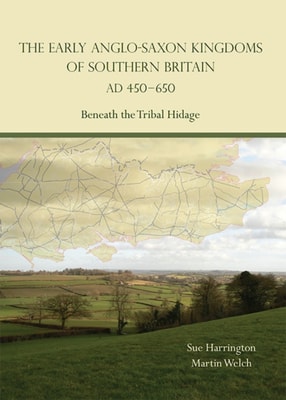
The Tribal Hidage, attributed to the 7th century, records the named groups and polities of early Anglo-Saxon England and the taxation tribute due from their lands and surpluses.
While late 17th- and 18th-century burial grounds of colonial North America are frequently the subject of research, wide-scale studies of 17th-century burial landscapes are often the less documented aspect of these sites.
While late 17th- and 18th-century burial grounds of colonial North America are frequently the subject of research, wide-scale studies of 17th-century burial landscapes are often the less documented aspect of these sites.
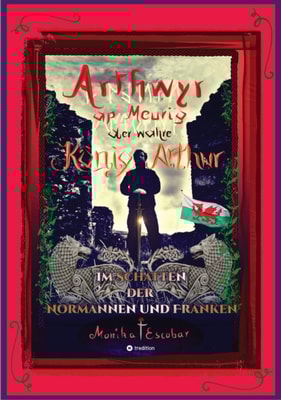
Arthwyr ap Meurig, der wahre König Arthur, im Schatten der Normannen & Franken, ist meine deutsche Übersetzung der historischen Bücher von Wilson & Blackett.
As the Nazi advance across Europe stalled, Adolf Hitler repeatedly told his military advisers and inner circle that Germany possessed Wunderwaffen - miracle weapons - that would turn the tide and bring the Germans ultimate victory.
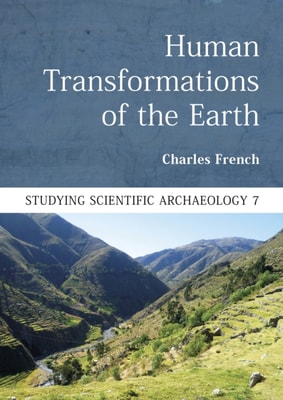
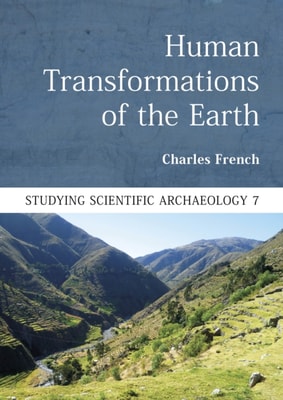
This book charts and explains how human activities have shaped and altered the development of soils in many parts of the world, taking advantage of five decades of soil analytical work in many archaeological landscapes from around the globe.
This book charts and explains how human activities have shaped and altered the development of soils in many parts of the world, taking advantage of five decades of soil analytical work in many archaeological landscapes from around the globe.
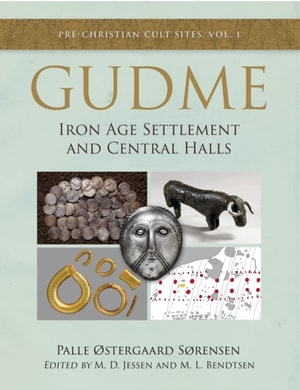
Gudme: The Iron Age Settlement and Central Halls presents, describes and interprets the many finds and structures that have been comprised during the extended excavations at the central parts of the Gudme locality on southeast Funen, Denmark.
Gudme: The Iron Age Settlement and Central Halls presents, describes and interprets the many finds and structures that have been comprised during the extended excavations at the central parts of the Gudme locality on southeast Funen, Denmark.
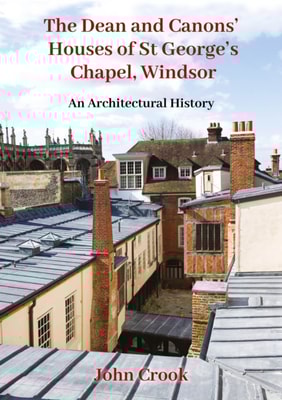
The College of St George at Windsor Castle was founded by Edward III in 1348 to support the newly created Order of the Garter, and to this day fulfills the same primary purpose.
The College of St George at Windsor Castle was founded by Edward III in 1348 to support the newly created Order of the Garter, and to this day fulfills the same primary purpose.
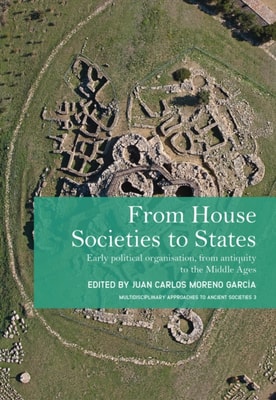
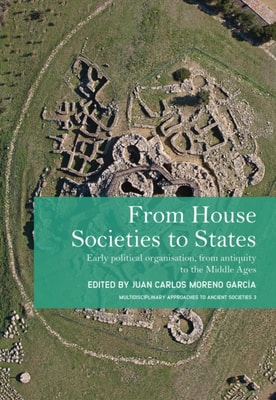
The organization and characteristics of early and ancient states have become the focus of a renewed interest from archaeologists, ancient historians and anthropologists in recent years.
The organization and characteristics of early and ancient states have become the focus of a renewed interest from archaeologists, ancient historians and anthropologists in recent years.
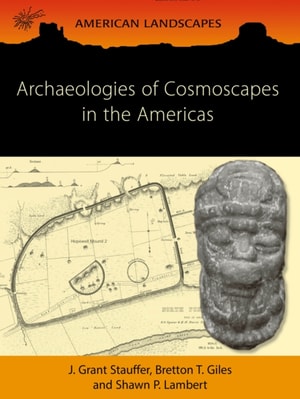
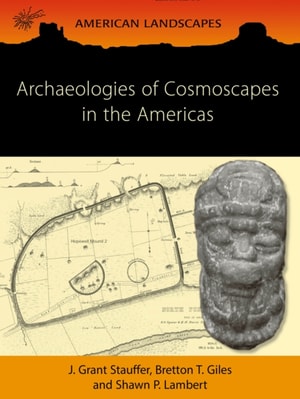
This volume examines how pre-Columbian societies in the Americas envisioned their cosmos and iteratively modeled it through the creation of particular objects and places.
This volume examines how pre-Columbian societies in the Americas envisioned their cosmos and iteratively modeled it through the creation of particular objects and places.
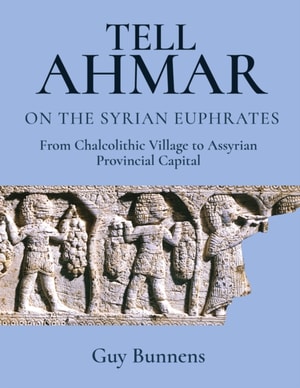
Tell Ahmar – also known as Masuwari, Til Barsib and Kar-Shalmaneser in the first millennium BCE – was first inhabited in the sixth millennium, during the Ubaid period, and progressively developed to become a regional center and, in the eighth and seventh centuries, a provincial capital of the Assyrian empire.
Tell Ahmar – also known as Masuwari, Til Barsib and Kar-Shalmaneser in the first millennium BCE – was first inhabited in the sixth millennium, during the Ubaid period, and progressively developed to become a regional center and, in the eighth and seventh centuries, a provincial capital of the Assyrian empire.
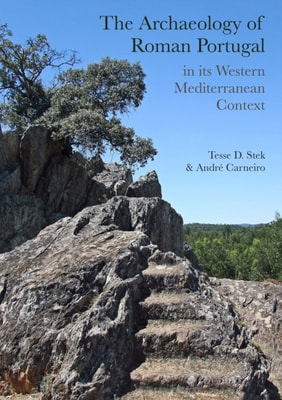
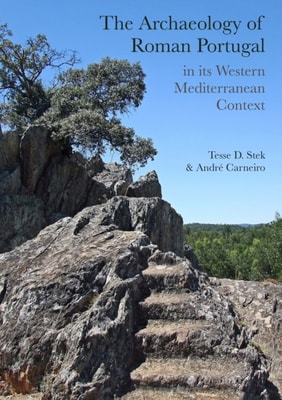
The Archaeology of Roman Portugal aims to contribute to the wider debate on Roman imperialism and expansionism, by bringing to the fore a much-underrepresented area of the Roman empire, at least in English-language scholarship: its westernmost edge in modern day Portugal.
The Archaeology of Roman Portugal aims to contribute to the wider debate on Roman imperialism and expansionism, by bringing to the fore a much-underrepresented area of the Roman empire, at least in English-language scholarship: its westernmost edge in modern day Portugal.
Butrint, ancient Buthrotum, has taken many forms in different ages, shaped by the near-constant interaction between the place, its lagoonal landscape and the Mediterranean.