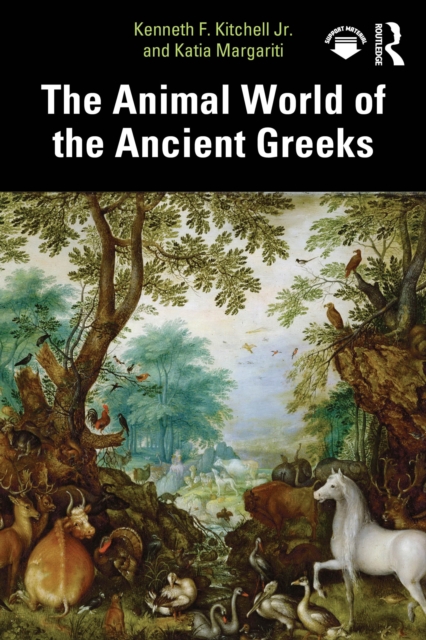
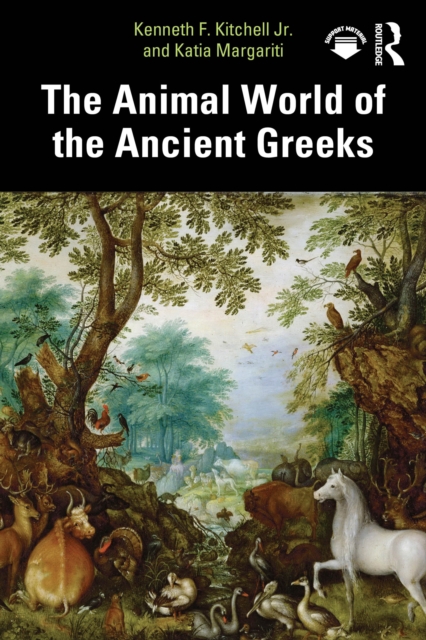
This book offers a modern, accessible, engaging overview of the interactions between ancient Greeks and animals in all phases of their life, both inside and outside of the walls of the ancient polis.
This book offers a modern, accessible, engaging overview of the interactions between ancient Greeks and animals in all phases of their life, both inside and outside of the walls of the ancient polis.
This volume presents a companion text to ancient Greek poet Apollonius of Rhodes, author of the epic poem Argonautica, which stands on a level of importance with other major ancient epics like the Aeneid or the Odyssey.
This volume presents a companion text to ancient Greek poet Apollonius of Rhodes, author of the epic poem Argonautica, which stands on a level of importance with other major ancient epics like the Aeneid or the Odyssey.
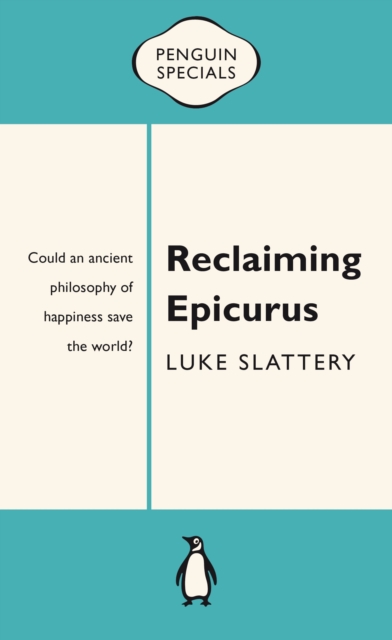
Epicureanism has been diluted into a byword for gourmet dining, but does the original ancient Greek 'philosophy of the Garden' contain insight that could save the world?
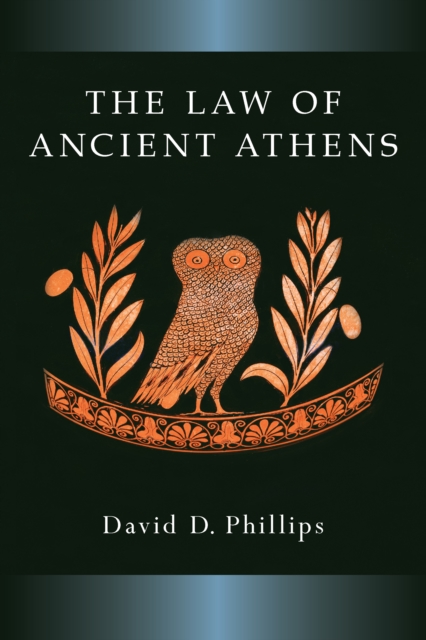
The Law of Ancient Athens contains the principal literary and epigraphical sources, in English, for Athenian law in the Archaic and Classical periods, from the first known historical trial (late seventh century) to the fall of the democracy in 322 BCE.
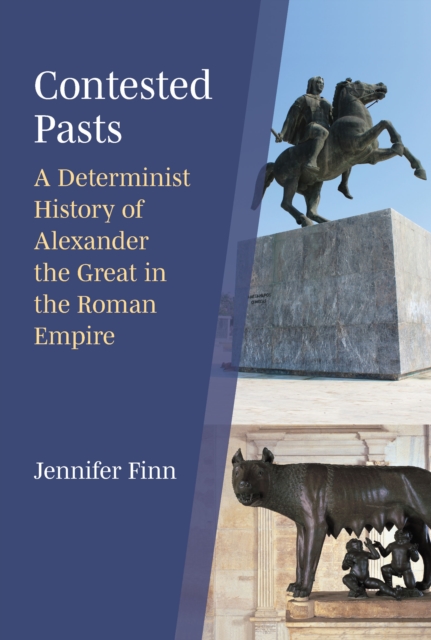
Taking as a key turning point the self-fashioning of the first Roman emperor Augustus, author Jennifer Finn revisits the idea of "e;universal history"e; in Polybius, Justin, and Diodorus, combined with the Stoic philosophy of determinism present in authors like Plutarch and Arrian.
Taking as a key turning point the self-fashioning of the first Roman emperor Augustus, author Jennifer Finn revisits the idea of "e;universal history"e; in Polybius, Justin, and Diodorus, combined with the Stoic philosophy of determinism present in authors like Plutarch and Arrian.
The Law of Ancient Athens contains the principal literary and epigraphical sources, in English, for Athenian law in the Archaic and Classical periods, from the first known historical trial (late seventh century) to the fall of the democracy in 322 BCE.
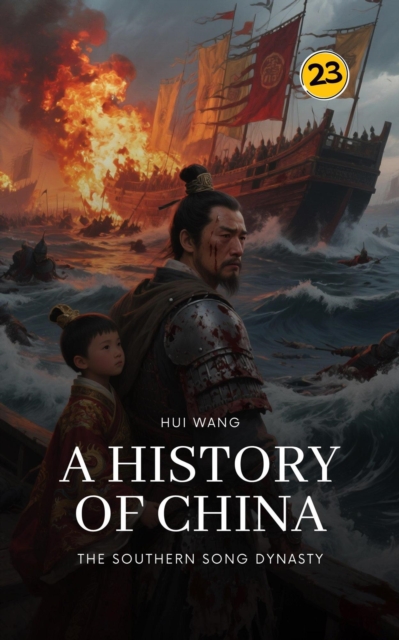
The Southern Song Dynasty survived through court intrigue, failed campaigns, brilliant defenses, ambitious ministers, and the growing power of the Mongol Empire.
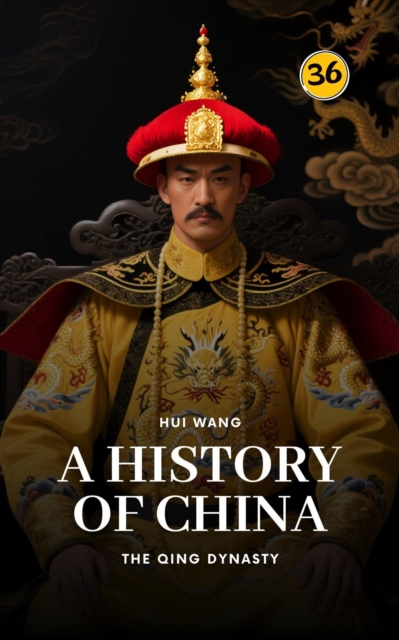
The Qing dynasty entered the eighteenth century with an awkward problem: the Kangxi Emperor had built a powerful empire, but his many sons were already turning the question of succession into a dangerous political contest.
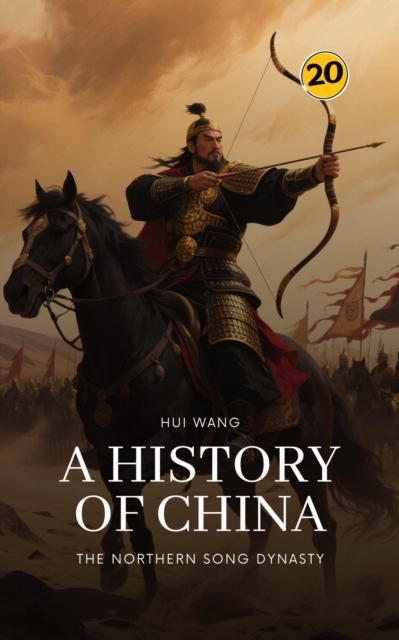
The Northern Song Dynasty was an age of brilliant scholar-officials, uneasy borders, ambitious reformers, formidable generals, and emperors trying to govern through one of the most sophisticated bureaucracies of medieval China.
The Late Han and Three Kingdoms: A History of China, PART TWO, plunges you into a world where ambition, loyalty, and destiny collided to forge the fate of an empire.
The An Lushan Rebellion had failed to destroy the Tang dynasty—but surviving the catastrophe created a new problem: who actually controlled the empire afterward?
The Tang Dynasty reached heights of power, wealth, military ambition, and cultural brilliance that made it one of the defining empires of Chinese history.
In the final decades of the Ming dynasty, China faced enemies outside the Great Wall, rebellion within the empire, bitter struggles at court, and a succession of men convinced that they could still save—or replace—the old order.
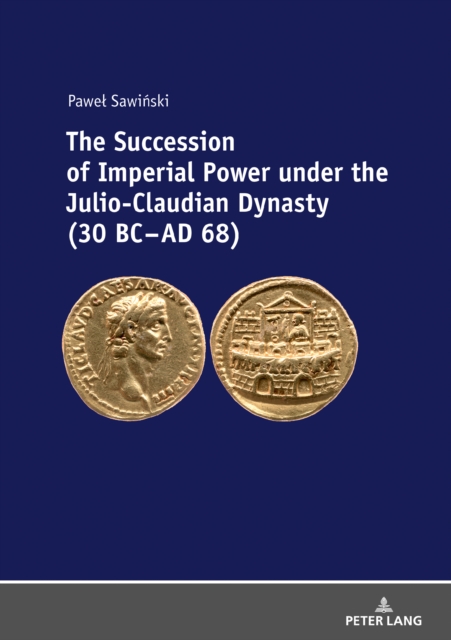
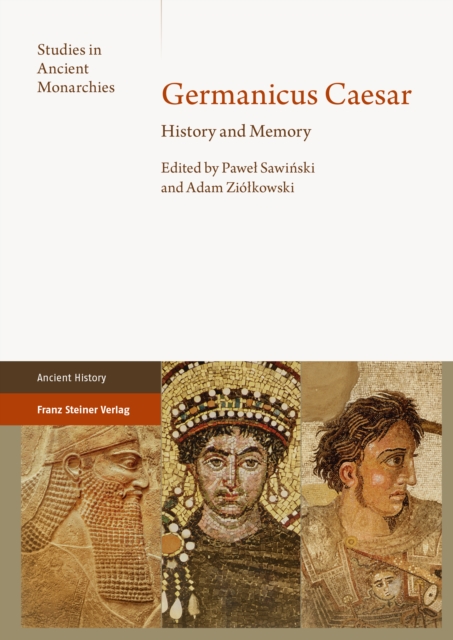
The historical memory of the principate is for obvious reasons dominated by the emperors, with one exception: Germanicus Caesar, who, though not a ruler, appears in the sources as if he had been one.
Seeking to expand both the geographical range and the diversity of sites considered in the study of ancient Greek housing, Ancient Greek Houses and Households takes readers beyond well-established studies of the ideal classical house and now-famous structures of Athens and Olynthos.
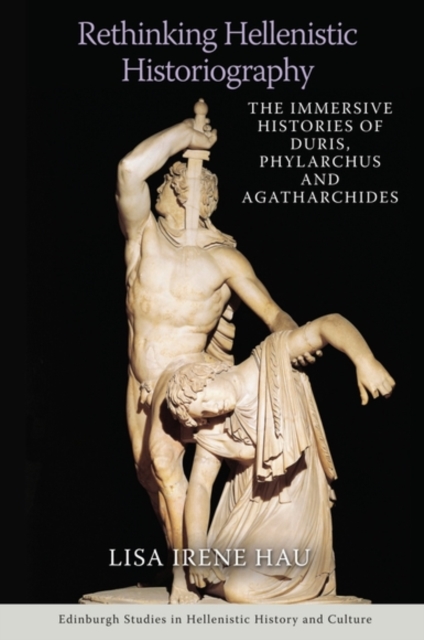
This book offers a new examination of the so-called tragic historiographers Duris and Phylarchus, as well as the 2nd century BCE historiographer Agatharchides, using Polybius as a foil throughout.
This book offers a new examination of the so-called tragic historiographers Duris and Phylarchus, as well as the 2nd century BCE historiographer Agatharchides, using Polybius as a foil throughout.