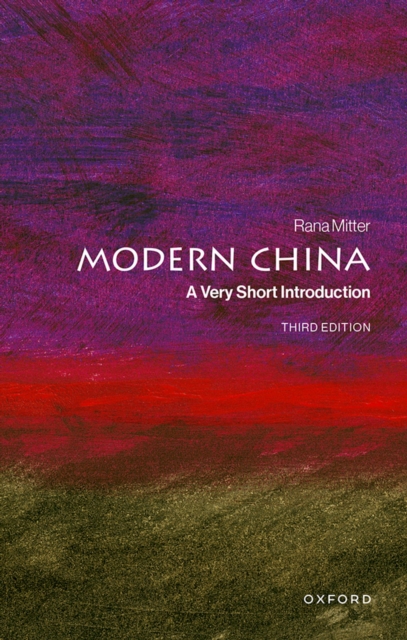
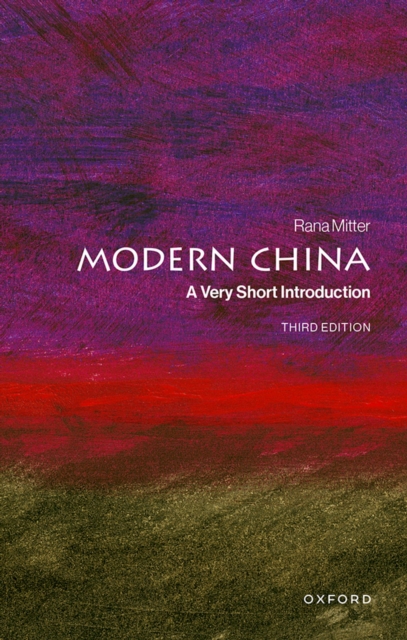
Very Short Introductions: Brilliant, Sharp, InspiringChina is a country of huge economic influence, with ambitions to alter the balance of power between East and West.
Very Short Introductions: Brilliant, Sharp, InspiringChina is a country of huge economic influence, with ambitions to alter the balance of power between East and West.
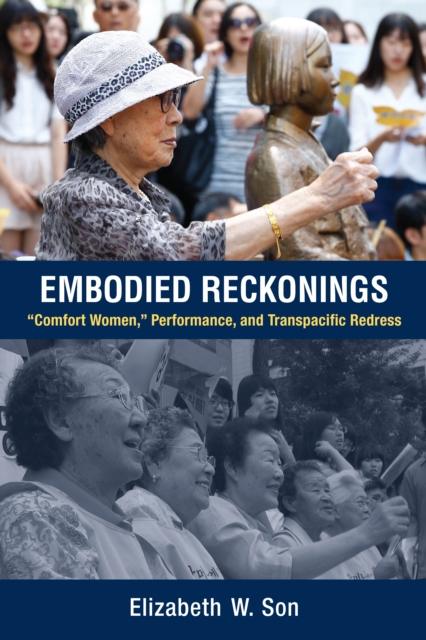
Embodied Reckonings examines the political and cultural aspects of contemporary performances that have grappled with the history of the "e;comfort women,"e; the Japanese military's euphemism for the sexual enslavement of girls and young women-mostly Korean-in the years before and during World War II.
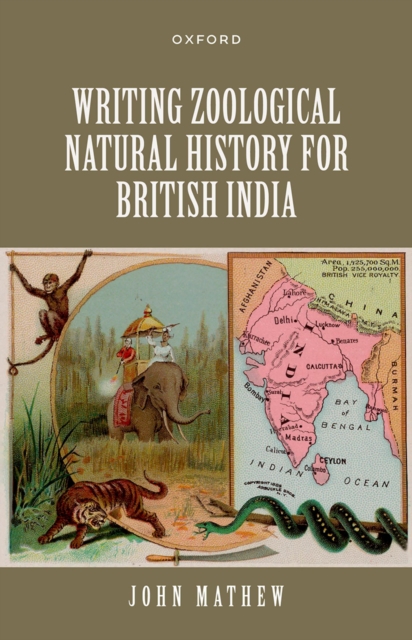
This book examines the critical role played by colonial peripheries, specifically British India, in shaping the development of zoology and other disciplines emerging from 19th-century natural history.
Embodied Reckonings examines the political and cultural aspects of contemporary performances that have grappled with the history of the "e;comfort women,"e; the Japanese military's euphemism for the sexual enslavement of girls and young women-mostly Korean-in the years before and during World War II.
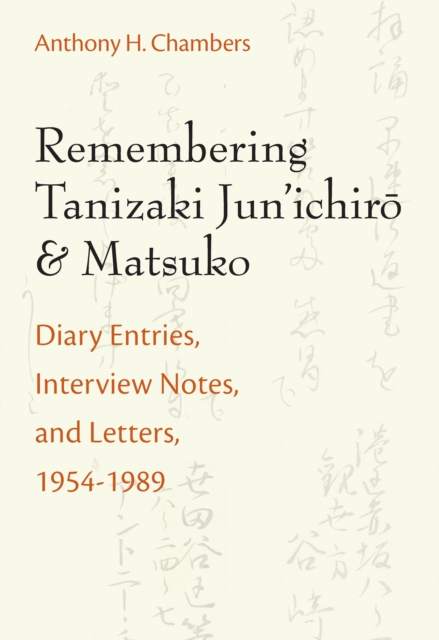
Remembering Tanizaki Jun'ichiro and Matsuko provides previously unpublished memories, anecdotes, and insights into the lives, opinions, personalities, and writings of the great novelist Tanizaki Jun'ichiro (1886-1965) and his wife Matsuko (1903-1991), gleaned from the diaries of Edward Seidensticker and two decades of Anthony Chambers's conversations with Mrs.
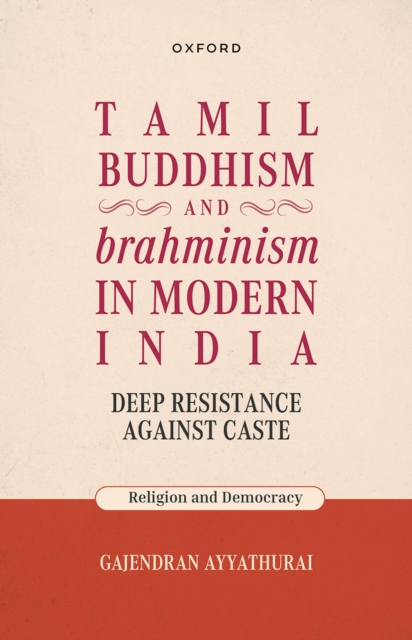
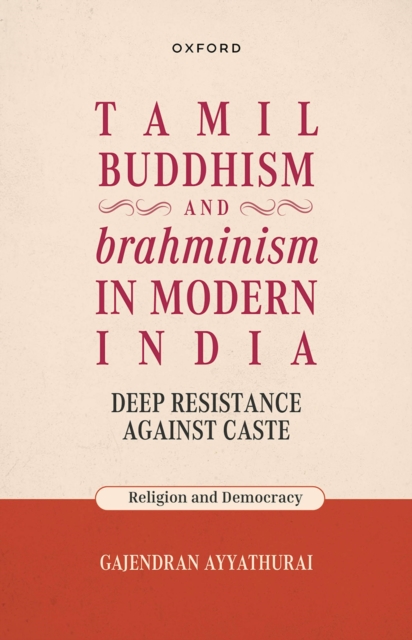
This book explores Tamil Buddhism in modern India, focusing on its emergence as a response to caste-based oppression during the late nineteenth and early twentieth centuries.
This book examines the critical role played by colonial peripheries, specifically British India, in shaping the development of zoology and other disciplines emerging from 19th-century natural history.
During the 1950s and first half of the 1960s the Indonesian Communist Party grew from a few thousand members to become the third largest communist party in the world, before it was annihilated in a violent purge in 1965-6 that saw perhaps half a million alleged communists killed.
This book explores Tamil Buddhism in modern India, focusing on its emergence as a response to caste-based oppression during the late nineteenth and early twentieth centuries.
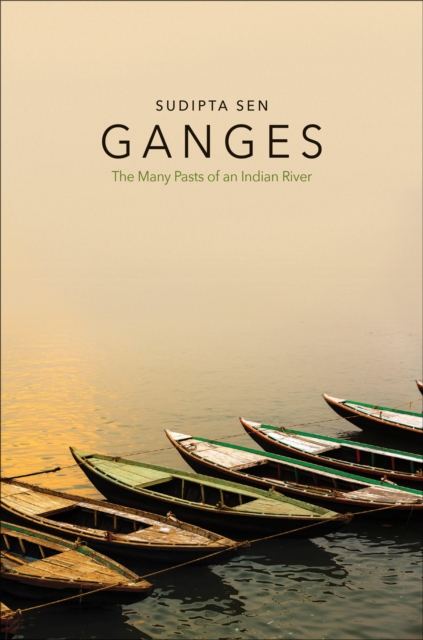
A sweeping, interdisciplinary history of the world’s third-largest river, a potent symbol across South Asia and the Hindu diaspora Originating in the Himalayas and flowing into the Bay of Bengal, the Ganges is India’s most important and sacred river.
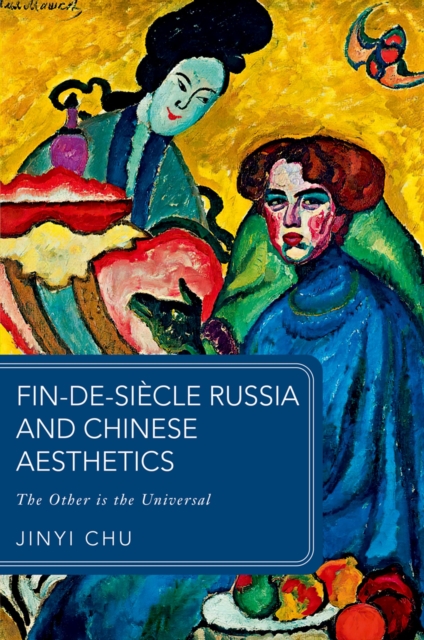
Many are familiar with European modernists' interest in Chinese art and poetry, however less well known is that Russian literature and art at the turn of 20th century also flourished in a sustained dialogue with China.
During the 1950s and first half of the 1960s the Indonesian Communist Party grew from a few thousand members to become the third largest communist party in the world, before it was annihilated in a violent purge in 1965-6 that saw perhaps half a million alleged communists killed.
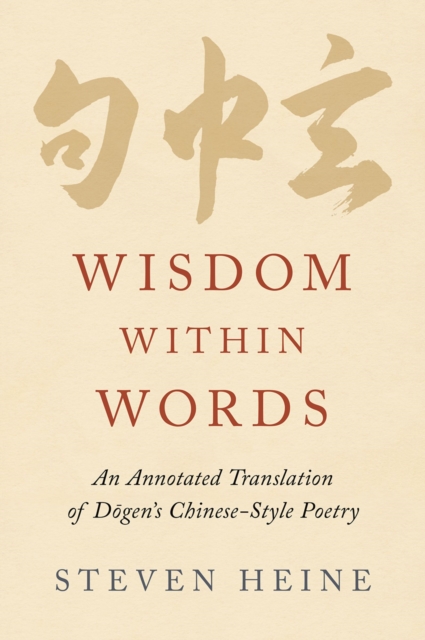
Wisdom within Words is the first complete bilingual edition and annotated translation of the poetry collection entitled Kuchugen, which features 150 Chinese-style verses (kanshi) written by Dogen Zenji (1200-1253), founder of the Soto Zen sect in early medieval Japan, and compiled in the eighteenth century by Menzan Zuiho.
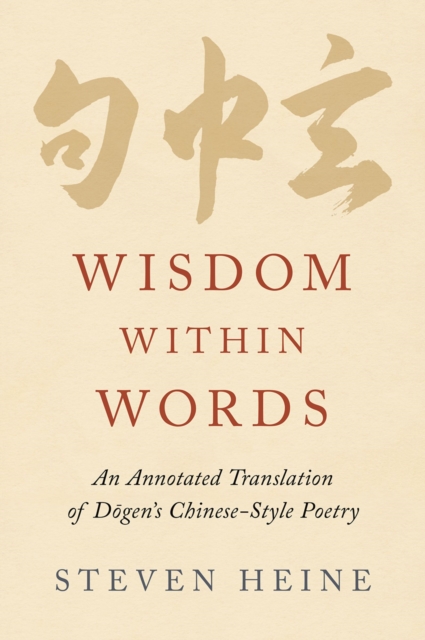
Wisdom within Words is the first complete bilingual edition and annotated translation of the poetry collection entitled Kuchugen, which features 150 Chinese-style verses (kanshi) written by Dogen Zenji (1200-1253), founder of the Soto Zen sect in early medieval Japan, and compiled in the eighteenth century by Menzan Zuiho.
A sweeping, interdisciplinary history of the world’s third-largest river, a potent symbol across South Asia and the Hindu diaspora Originating in the Himalayas and flowing into the Bay of Bengal, the Ganges is India’s most important and sacred river.
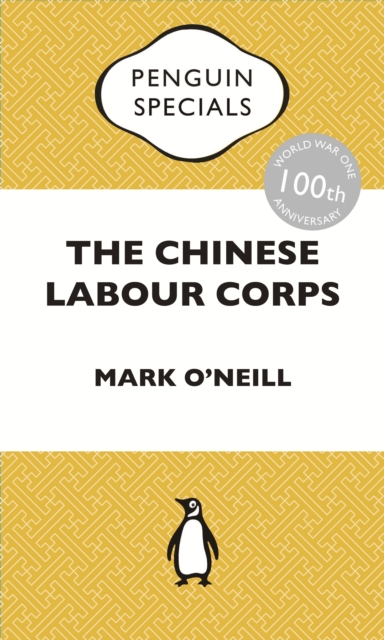
As the young men of Europe were fighting in the trenches, a little known contingent of Chinese labourers crossed the world to provide support vital to the Allied war effort.
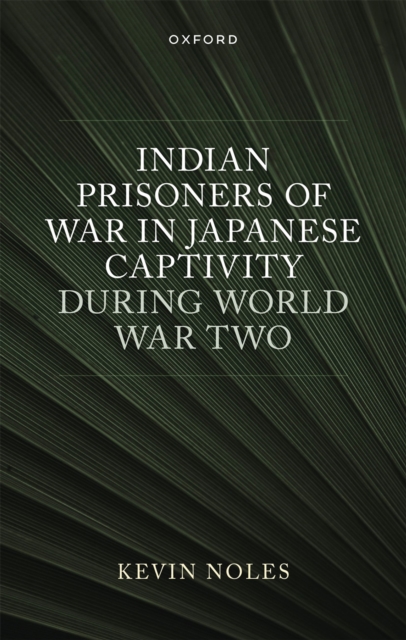
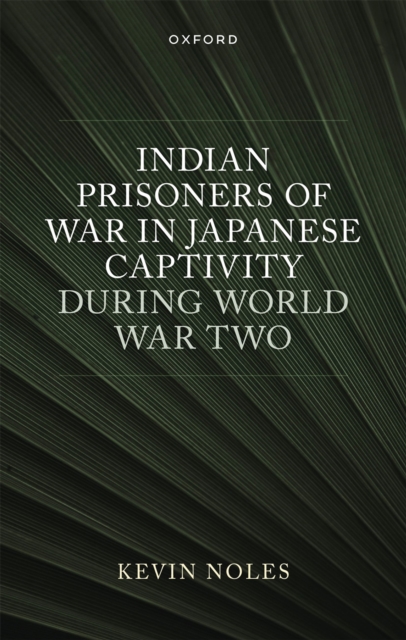
During World War Two some 67,000 Indian personnel of the British Indian Army were captured by Imperial Japanese forces, including a large number at the surrender of Singapore in February 1942.
During World War Two some 67,000 Indian personnel of the British Indian Army were captured by Imperial Japanese forces, including a large number at the surrender of Singapore in February 1942.
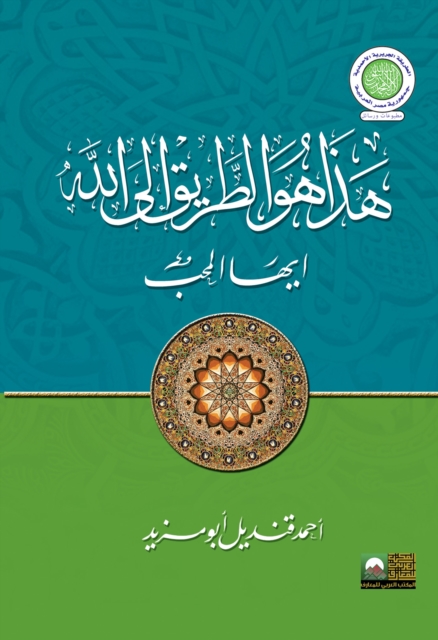
In a time when hearts have hardened, bonds of love have been severed, and concepts have been distorted, and enemies have donned the garb of friends, and those who hate and harbor animosity compete to adorn themselves with the garb of lovers and the sincere, we, by God, are in dire need of speaking about love.
In a time when hearts have hardened, bonds of love have been severed, and concepts have been distorted, and enemies have donned the garb of friends, and those who hate and harbor animosity compete to adorn themselves with the garb of lovers and the sincere, we, by God, are in dire need of speaking about love.