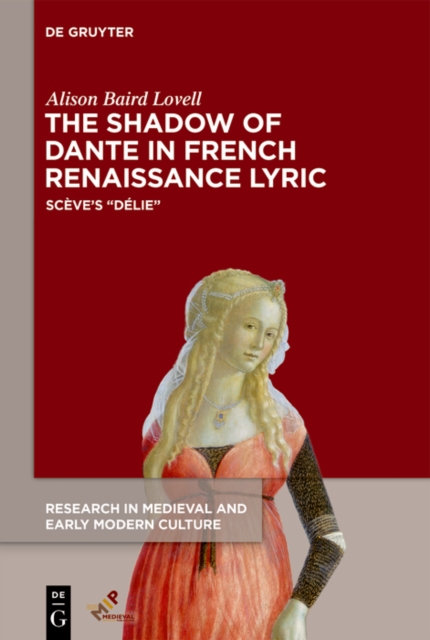
This book presents an interpretation of Maurice Sceve's lyric sequence Delie, object de plus haulte vertu (Lyon, 1544) in literary relation to the Vita nuova, Commedia, and other works of Dante Alighieri.
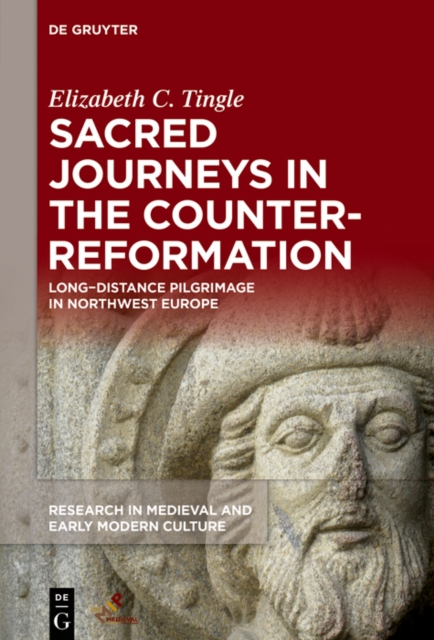
Sacred Journeys in the Counter-Reformation examines long-distance pilgrimages to ancient, international shrines in northwestern Europe in the two centuries after Luther.
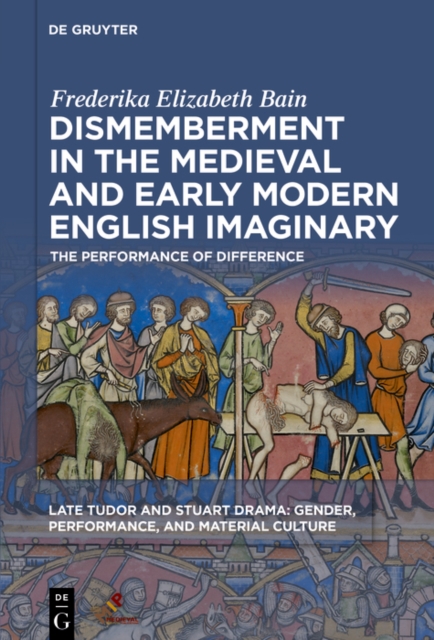
The medieval and early modern English imaginary encompasses a broad range of negative and positive dismemberments, from the castration anxieties of Turk plays to the elite practices of distributive burial.
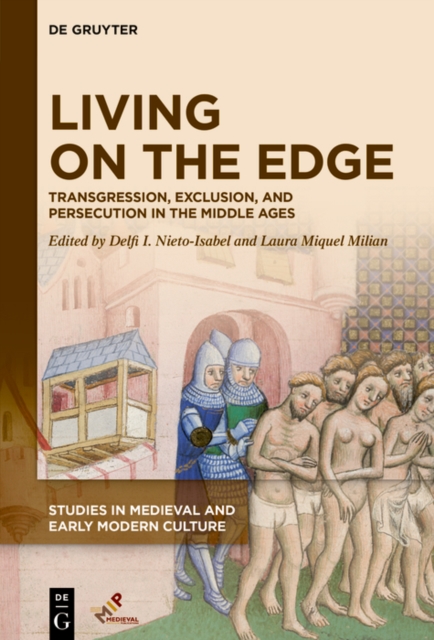
This volume addresses the widespread medieval phenomenon of transgression as both a result of and the cause for the exclusion and persecution of those who were considered different.
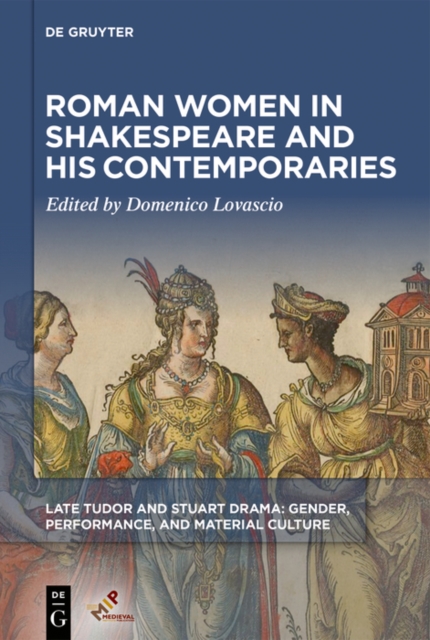
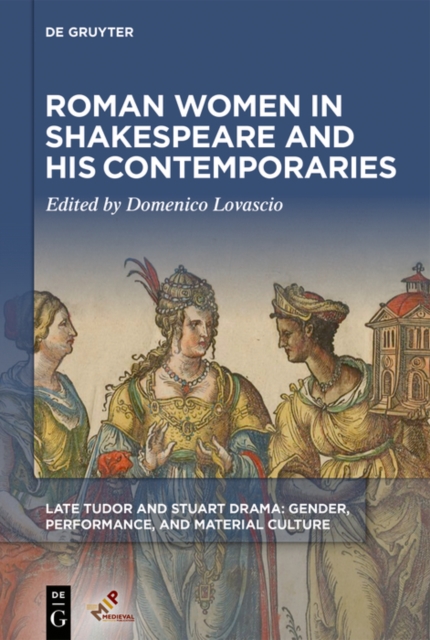
Roman Women in Shakespeare and His Contemporaries explores the crucial role of Roman female characters in the plays of Shakespeare and his contemporaries.
Sacred Journeys in the Counter-Reformation examines long-distance pilgrimages to ancient, international shrines in northwestern Europe in the two centuries after Luther.
Roman Women in Shakespeare and His Contemporaries explores the crucial role of Roman female characters in the plays of Shakespeare and his contemporaries.
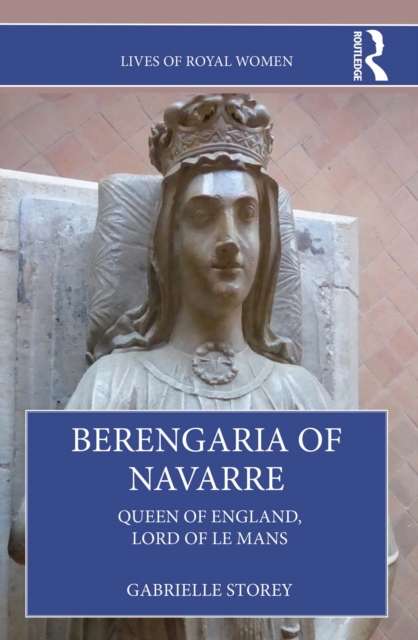
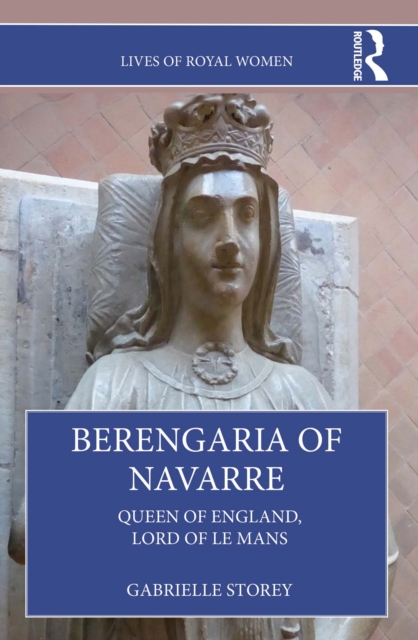
Berengaria of Navarre was queen of England (1191-99) and lord of Le Mans (1204-30), but has received little attention in terms of a fully encompassing biography from Navarrese, Anglophone, and French perspectives.
Richard, 3rd Duke of York is frequently used to recall the colours of the rainbow with the mnemonic 'Richard Of York Gave Battle In Vain', wrongly believed to be the Grand Old Duke of York who had 10,000 men, or mistaken for his youngest son, Richard III.
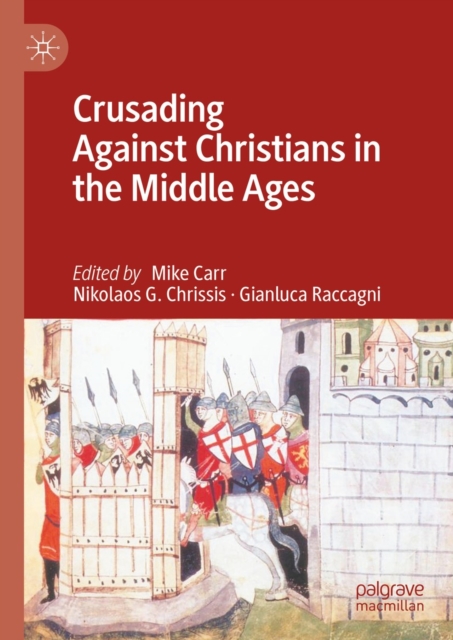
This is the first book-length study into crusading against Christians, examining this complex phenomenon from the twelfth to fifteenth centuries and across numerous regions, from France to Russia and from southern Italy to the Baltic.
This is the first book-length study into crusading against Christians, examining this complex phenomenon from the twelfth to fifteenth centuries and across numerous regions, from France to Russia and from southern Italy to the Baltic.
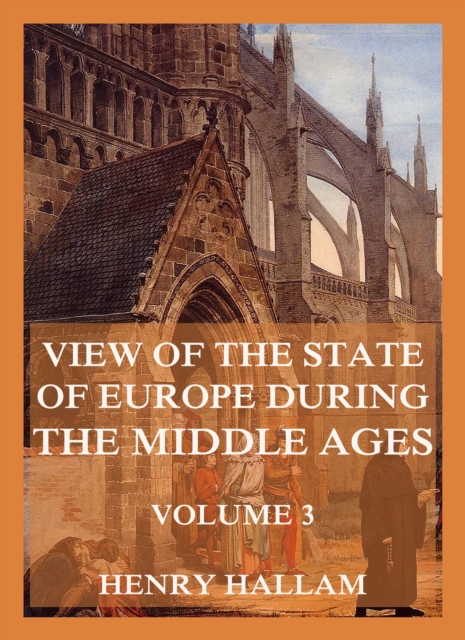
The Middle Ages is described by Hallam himself as a series of historical dissertations, a comprehensive survey of the chief circumstances that can interest a philosophical inquirer during the period from the 5th to the 15th century.
The medieval and early modern English imaginary encompasses a broad range of negative and positive dismemberments, from the castration anxieties of Turk plays to the elite practices of distributive burial.
This volume is the result of a symposium organised in 2018 by Élodie Attia in Aix-en-Provence and offers a cross-sectional view of the production of typologically similar Latin, Greek and Hebrew Bibles during the course of the Middle Ages.
The history of Mediaeval Europe is so vast a subject that the attempt to deal with it in a small compass must entail either severe compression or what may appear at first sight reckless omission.
The Middle Ages is described by Hallam himself as a series of historical dissertations, a comprehensive survey of the chief circumstances that can interest a philosophical inquirer during the period from the 5th to the 15th century.
The Trojan Kings of Britain presents a theory that the legend of Brutus, descendant of Aeneas of Troy, migrating to Britain with many other Trojan descendants is actually based on real events.
Versammlungen waren im frühmittelalterlichen Lateineuropa wichtige Institutionen: Hier handelten die Entscheidungsträger ihre Hierarchie aus, hier machten sie Politik, hier tauschten sie Informationen aus.
This volume addresses the widespread medieval phenomenon of transgression as both a result of and the cause for the exclusion and persecution of those who were considered different.
Berengaria of Navarre was queen of England (1191-99) and lord of Le Mans (1204-30), but has received little attention in terms of a fully encompassing biography from Navarrese, Anglophone, and French perspectives.
Exiled from court, distrusted and indebted, Richard de Clare is a man whose past is greater than his prospects and whose once-great name overshadows his deeds.
The volume explores the relationship between religion and violence in Europe from the Middle Ages to the Early modern period, involving European and Japanese scholars.
The volume explores the relationship between religion and violence in Europe from the Middle Ages to the Early modern period, involving European and Japanese scholars.
The study of pre-modern anthropology requires the close examination of the relationship between nature and human society, which has been both precarious and threatening as well as productive, soothing, inviting, and pleasurable.
Examines the esoteric side of texts and tales from the Middle Ages, including the enduring presence of haunted areas and power places and the roles of witches, house spirits, rune priests, shapeshifters, and the undead Discusses the dividing line between magic and deviltry, as well as the significance of grimoires, bells, blacksmiths, storm callers, and more Serves as a guide to a still-present magical and imaginal realm, pointing readers to the borderlands and liminal thresholds that enable access to the other worldIn this new collection of his writings, scholar and Sorbonne professor Claude Lecouteux reveals that the magical world of the distant past is real and still very presentif you know where to look.
Science, Politics and Gnosticism comprises two essays by Eric Voegelin (1901-85), arguably one of the most provocative and influential political philosophers of the last century.