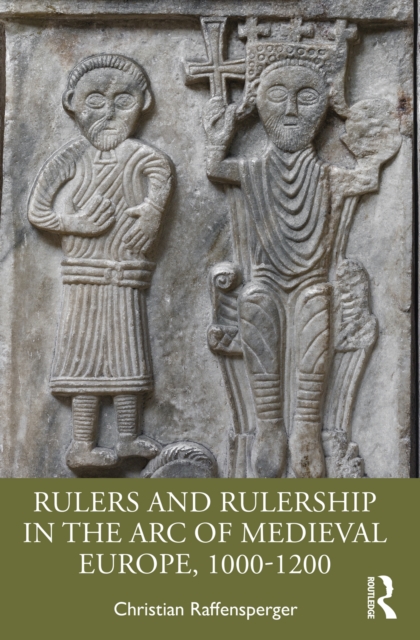
Rulers and Rulership in the Arc of Medieval Europe challenges the dominant paradigm of what rulership is and who rulers are by decentering the narrative and providing a broad swath of examples from throughout medieval Europe.
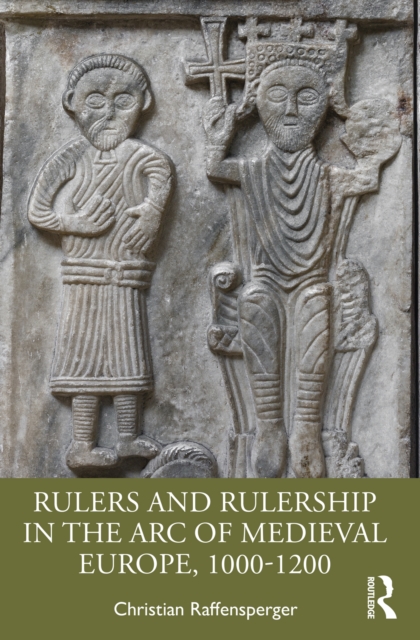
Rulers and Rulership in the Arc of Medieval Europe challenges the dominant paradigm of what rulership is and who rulers are by decentering the narrative and providing a broad swath of examples from throughout medieval Europe.
Throughout his career, Robert Brentano attempted to understand the nature and 'style' of ecclesiastical institutions in Italy and the British Isles, the specific qualities of saints and the communities that formed around them, and the ways in which seemingly cryptic archival remains of medieval administrative activity, as well as chronicles and lives, could reveal vital details about change and continuity in local and regional religious life and even 'the color of men's souls'.
This collection of essays, written by leading experts, showcases historiographical problems, fresh interpretations, and new debates in medieval and Renaissance history and political thought.
This book explores the uncharted territory of the history of archaeology under Communism through the biographies of five women archaeologists from the Soviet Union, Bulgaria, Romania, Hungary, and Poland.
This book synthesizes three fields of inquiry on the cutting edge of scholarship in medieval studies and world history: the history of medieval Sicily; the history of maritime violence, often named as piracy; and digital humanities.
A bold new history of the rise and expansion of the Norman Dynasty across Europe from Byzantium to England In the eleventh century the climate was improving, population was growing, and people were on the move.
In this book, Julia Bolton Holloway makes use of primary materials in documents, manuscripts and stone monuments in Florence, to place Dante's literary career in its rich context.
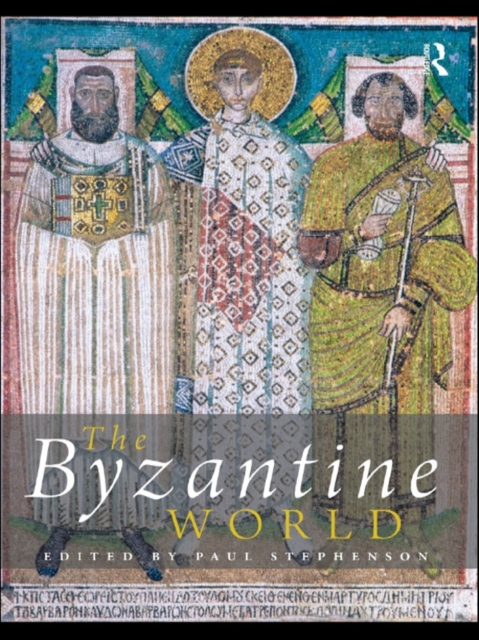
The Byzantine World presents the latest insights of the leading scholars in the fields of Byzantine studies, history, art and architectural history, literature, and theology.
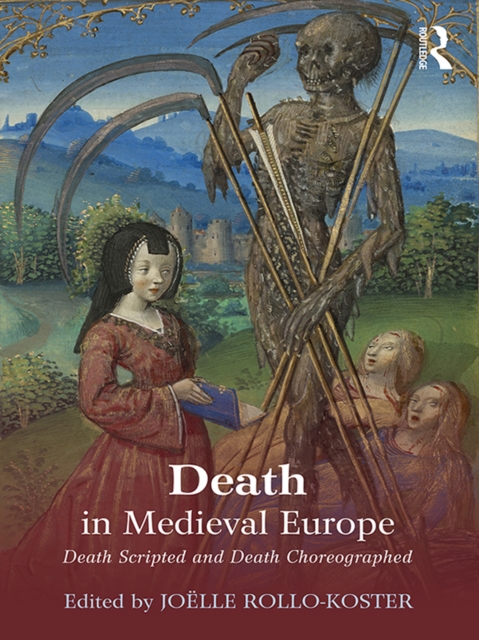
Death in Medieval Europe: Death Scripted and Death Choreographed explores new cultural research into death and funeral practices in medieval Europe and demonstrates the important relationship between death and the world of the living in the Middle Ages.
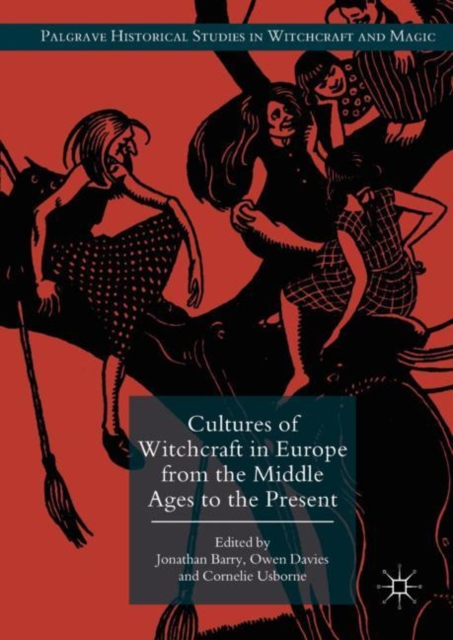
This volume is a collection based on the contributions to witchcraft studies of Willem de Blecourt, to whom it is dedicated, and who provides the opening chapter, setting out a methodological and conceptual agenda for the study of cultures of witchcraft (broadly defined) in Europe since the Middle Ages.
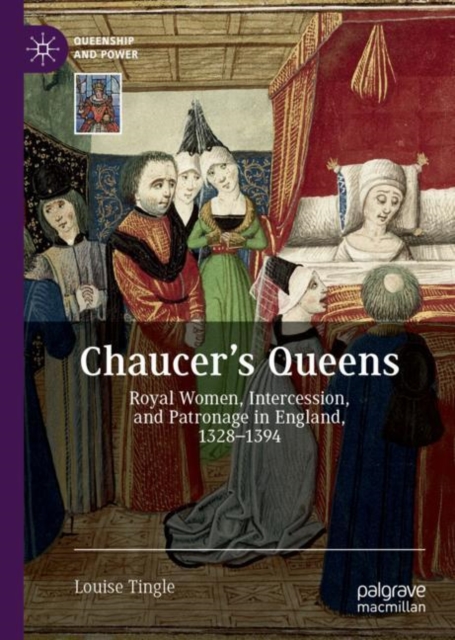
This book investigates the agency and influence of medieval queens in late fourteenth-century England, focusing on the patronage and intercessory activities of the queens Philippa of Hainault and Anne of Bohemia, as well as the princess Joan of Kent.
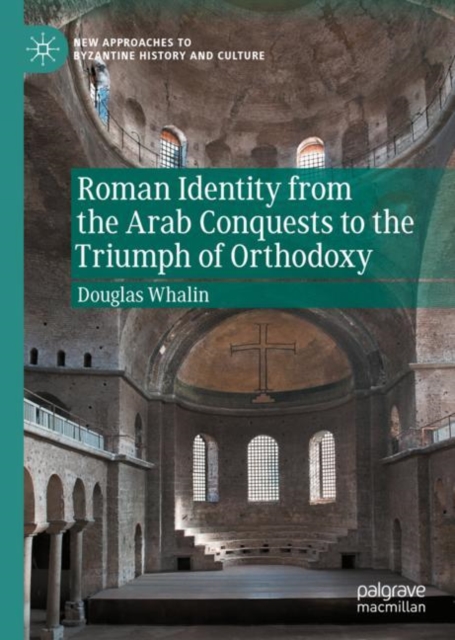
This book asks how the inhabitants and neighbours of the Eastern Roman Empire understand their identity as Romans in the centuries following the emergence of Islam as a world-religion.
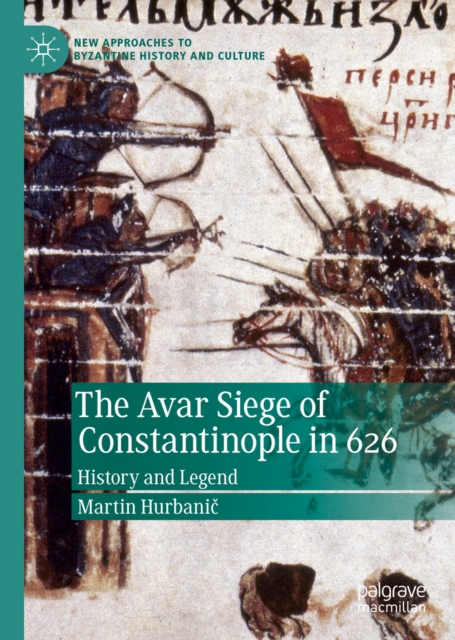
This book examines the Avar siege of Constantinople in 626, one of the most significant events of the seventh century, and the impact and repercussions this had on the political, military, economic and religious structures of the Byzantine Empire.
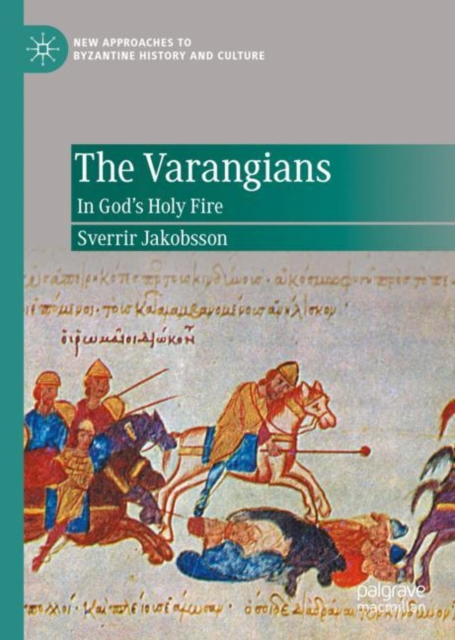
This book is the history of the Eastern Vikings, the Rus and the Varangians, from their earliest mentions in the narrative sources to the late medieval period, when the Eastern Vikings had become stock figures in Old Norse Romances.
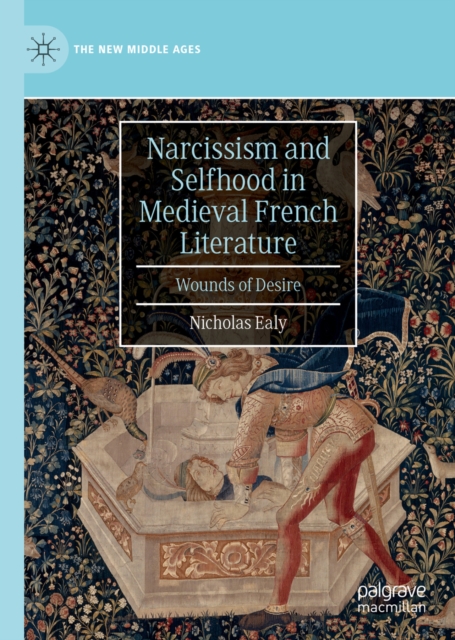
This book offers analyses of texts from medieval France influenced by Ovid's myth of Narcissus including the Lay of Narcissus, Alain de Lille's Plaint of Nature, Rene d'Anjou's Love-Smitten Heart, Chretien de Troyes's Story of the Grail and Guillaume de Machaut's Fountain of Love.
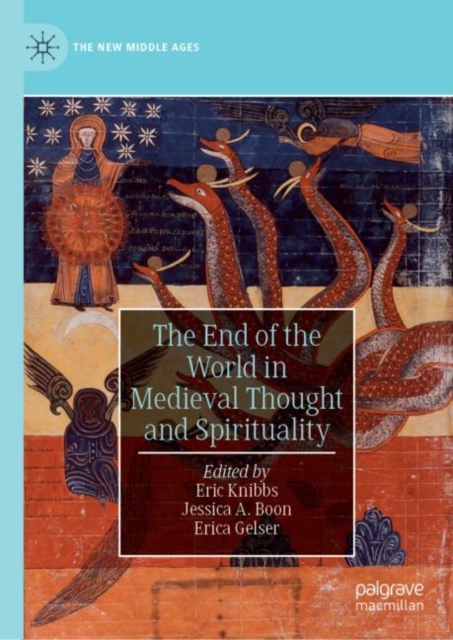
This essay collection studies the Apocalypse and the end of the world, as these themes occupied the minds of biblical scholars, theologians, and ordinary people in Antiquity, the Middle Ages, and Early Modernity.
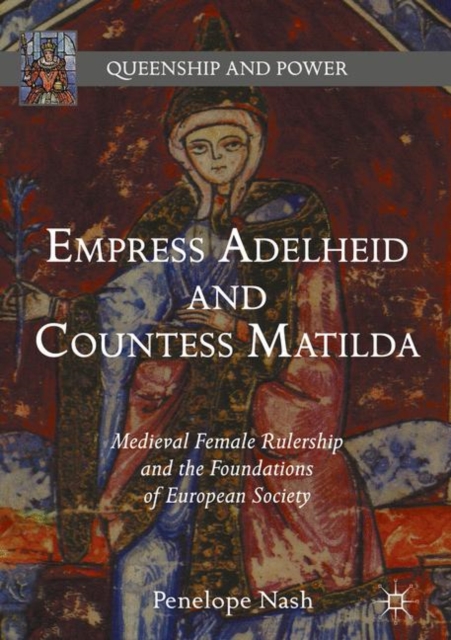
This book compares two successful, elite women, Empress Adelheid (931-999) and Countess Matilda (1046-1115), for their relative ability to retain their wealth and power in the midst of the profound social changes of the eleventh century.
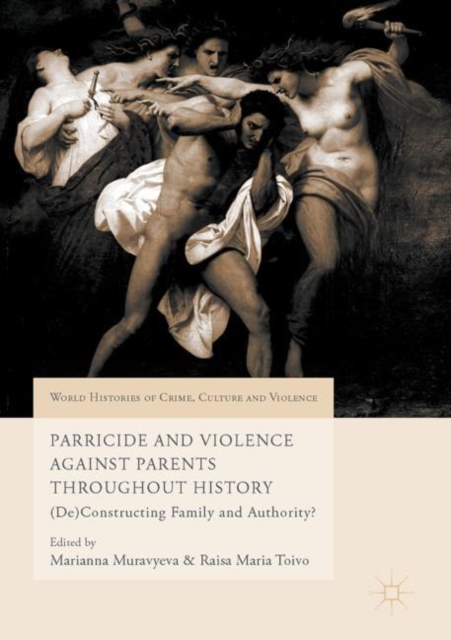
This book combines the approaches of history and criminology to study parricide and non-fatal violence against parents from across traditional period and geographical boundaries, encompassing research on Asia as well as Europe and North America.
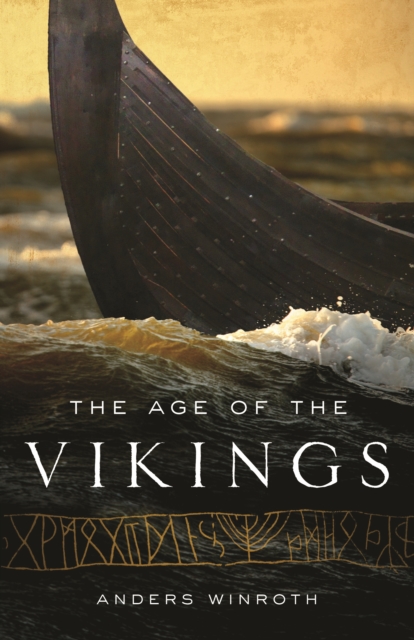
A major reassessment of the vikings and their legacyThe Vikings maintain their grip on our imagination, but their image is too often distorted by myth.
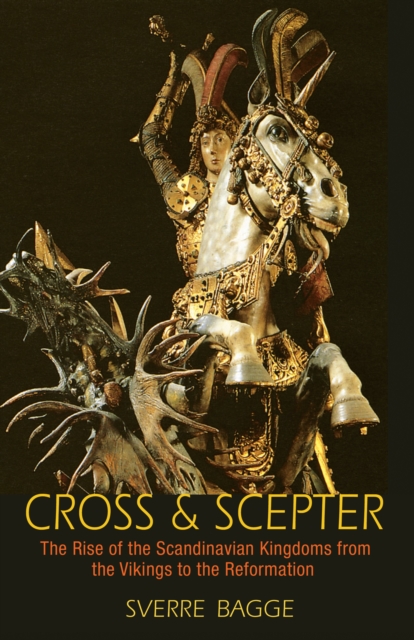
A concise history of medieval ScandinaviaChristianity and European-style monarchy-the cross and the scepter-were introduced to Scandinavia in the tenth century, a development that was to have profound implications for all of Europe.
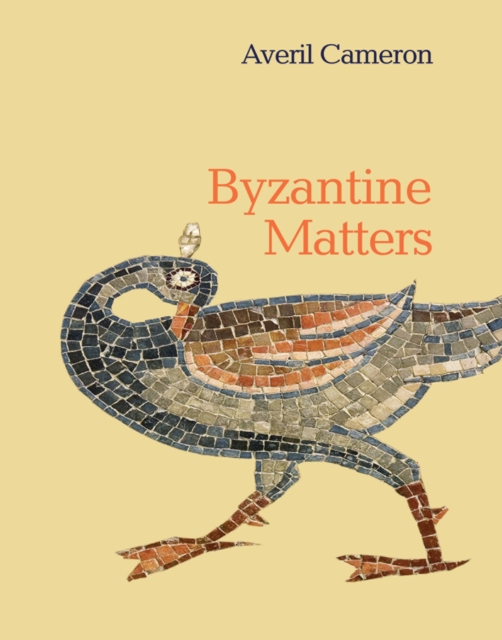
Why the marginalized story of Byzantium has much to teach us about Western historyFor many of us, Byzantium remains "e;byzantine"e;-obscure, marginal, difficult.
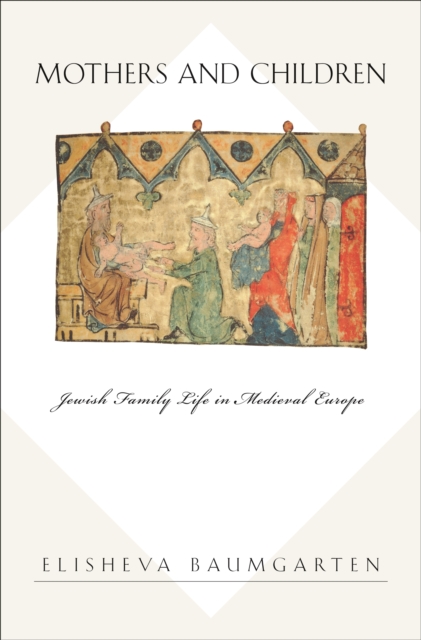
This book presents a synthetic history of the family--the most basic building block of medieval Jewish communities--in Germany and northern France during the High Middle Ages.
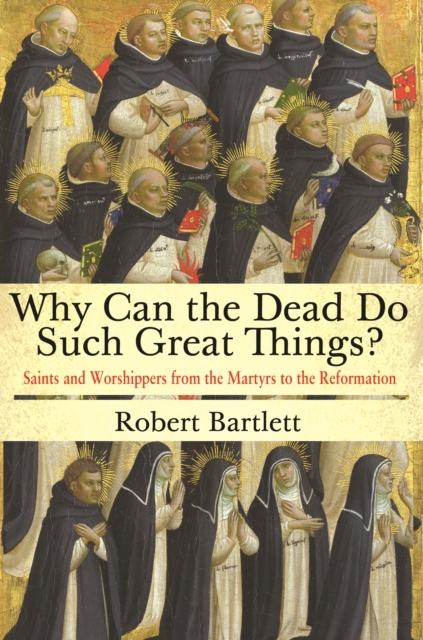
A sweeping, authoritative, and entertaining history of the Christian cult of the saints from its origin to the ReformationFrom its earliest centuries, one of the most notable features of Christianity has been the veneration of the saints-the holy dead.
Demonstrating that similarities between Jewish and Christian art in the Middle Ages were more than coincidental, Cultural Exchange meticulously combines a wide range of sources to show how Jews and Christians exchanged artistic and material culture.
A sweeping history of Islam and the West from the seventh century to todayEurope and the Islamic World sheds much-needed light on the shared roots of Islamic and Western cultures and on the richness of their inextricably intertwined histories, refuting once and for all the misguided notion of a "e;clash of civilizations"e; between the Muslim world and Europe.
In this bold approach to late antiquity, Garth Fowden shows how, from the second-century peak of Rome's prosperity to the ninth-century onset of the Islamic Empire's decline, powerful beliefs in One God were used to justify and strengthen "e;world empires.
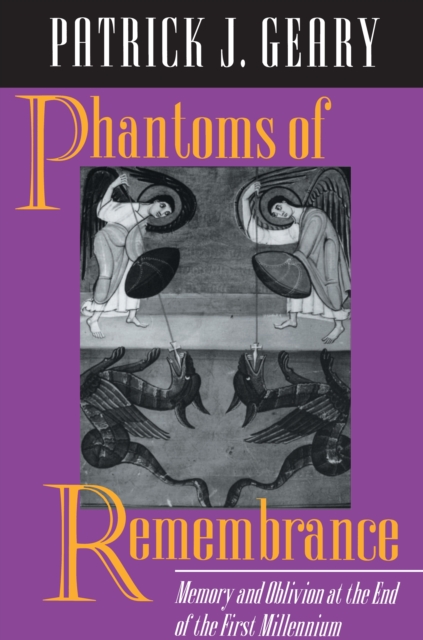
In Phantoms of Remembrance, Patrick Geary makes important new inroads into the widely discussed topic of historical memory, vividly evoking the everyday lives of eleventh-century people and both their written and nonwritten ways of preserving the past.
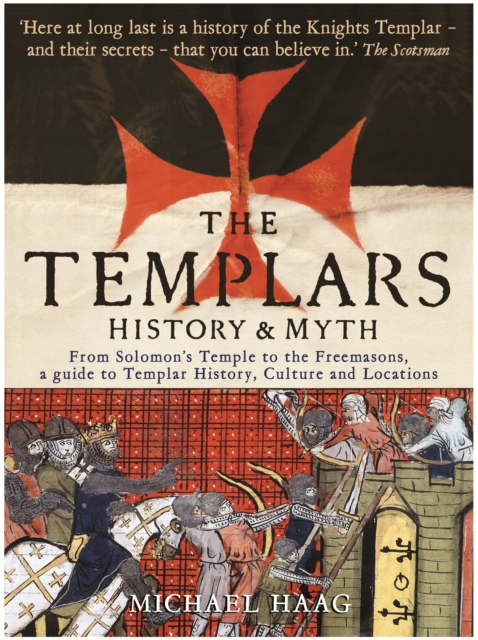
An order of warrior monks founded to protect pilgrims to Jerusalem, the Templars were among the wealthiest and most powerful bodies in the medieval world.
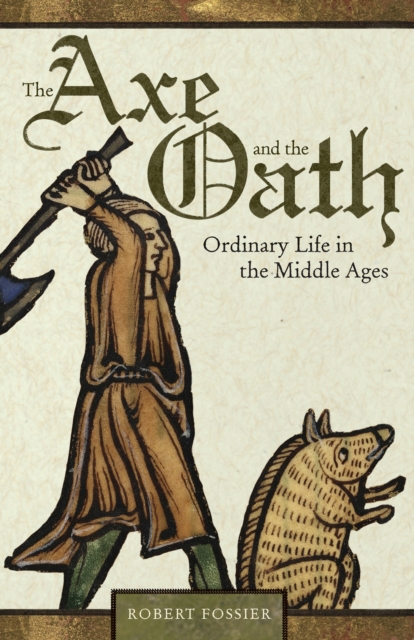
A sweeping account of what medieval life was like for ordinary peopleIn The Axe and the Oath, one of the world's leading medieval historians presents a compelling picture of daily life in the Middle Ages as it was experienced by ordinary people.
This fourth volume in Robert Burns's celebrated series on the warrior King Jaume the Conqueror's Kingdom of Valencia describes the crucial years of 1270 to 1273, a period during which Jaume continued his consolidation of political power for future territorial expansion.
An integrative approach to Jewish and Muslim philosophy in al-AndalusAl-Andalus, the Iberian territory ruled by Islam from the eighth to the fifteenth centuries, was home to a flourishing philosophical culture among Muslims and the Jews who lived in their midst.