Das Byzantinische Reich hat in seiner knapp tausendjährigen Geschichte die Entwicklung Europas wesentlich bestimmt und bis heute tiefgreifende kulturelle Spuren hinterlassen.
Herausgegeben von Lothar Gall, in Verbindung mit Peter Blickle, Elisabeth Fehrenbach, Johannes Fried, Klaus Hildebrand, Karl Heinrich Kaufhold, Horst Möller, Otto Gerhard Oexle, Klaus Tenfelde.
In der Sache hat der Autor - nicht zuletzt nach neuerlich von Gerd Tellenbach ausgelösten Diskussionen, denen sich in diesen Tagen ein von Cinzio Violante und Johannes Fried betreuter Band zugesellt (II secolo XI: una svolta?
Die Geschichte der vorspanischen Hochkulturen Amerikas, insbesondere die der Azteken, Maya und Inka und ihrer Vorläufer, faszinierte lange Zeit schon, weil sie geheimnisvoller, unbekannter erschien als die der Alten Welt.
Für die dritte Auflage hat Johannes Fried seinen Klassiker grundlegend überarbeitet; der Forschungsüberblick behandelt alle wichtigen Neuerscheinungen der letzten Jahre.
Der Band bietet die im Domstiftsarchiv Brandenburg aufbewahrten und bisher kaum erschlossenen mittelalterlichen Quellen zur Geschichte der Mark Brandenburg (Urkunden, Akten, Rechnungen u.
This book examines the gendered dimensions of emotions and the emotional aspects of gender within Byzantine culture and suggests possible readings of such instances.
This book explores the relationships between ancient witchcraft and its modern incarnation, and by doing so fills an important gap in the historiography.
In tenth-century Europe and particularly in Germany, imperial women were able to wield power in ways that were scarcely imaginable in earlier centuries.
This book explores the manifold ways of knowing-and knowing about- preternatural beings such as demons, angels, fairies, and other spirits that inhabited and were believed to act in early modern European worlds.
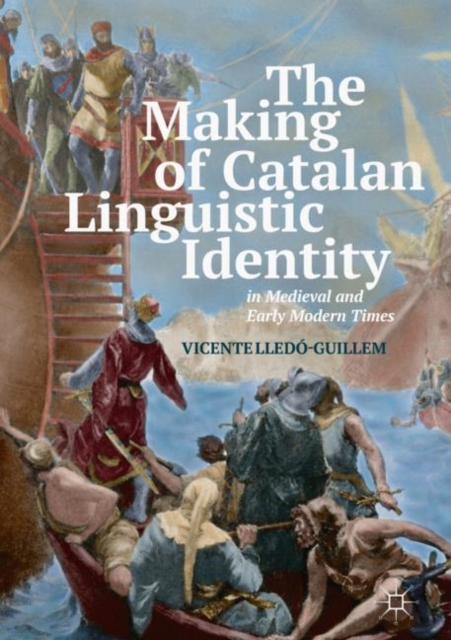
The historical relationship between the Catalan and Occitan languages had a definitive impact on the linguistic identity of the powerful Crown of Aragon and the emergent Spanish Empire.
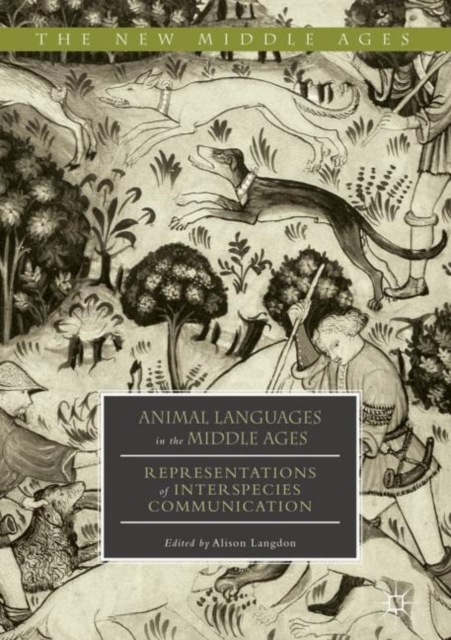
The essays in this interdisciplinary volume explore language, broadly construed, as part of the continued interrogation of the boundaries of human and nonhuman animals in the Middle Ages.
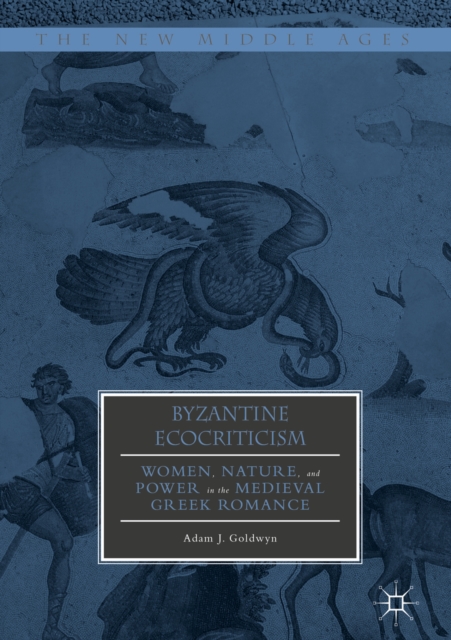
Byzantine Ecocriticism: Women, Nature, and Power in the Medieval Greek Romance applies literary ecocriticism to the imaginative fiction of the Greek world from the twelfth to fifteenth centuries.
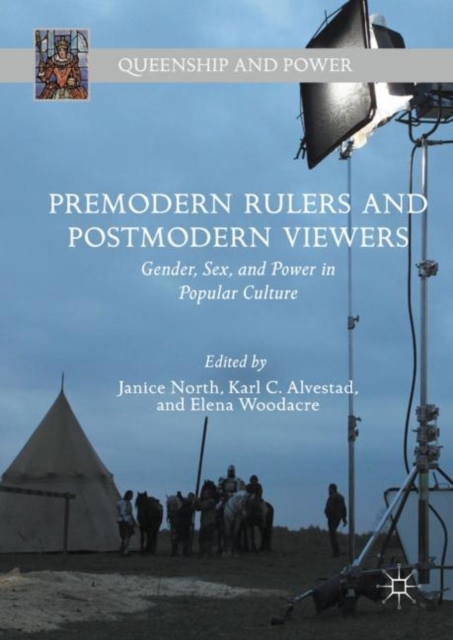
Pop culture portrayals of medieval and early modern monarchs are rife with tension between authenticity and modern mores, producing anachronisms such as a feminist Queen Isabel (in RTVE's Isabel) and a lesbian Queen Christina (in The Girl King).
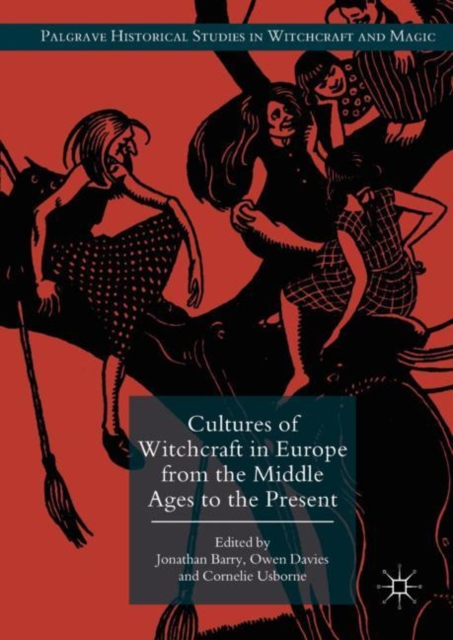
This volume is a collection based on the contributions to witchcraft studies of Willem de Blecourt, to whom it is dedicated, and who provides the opening chapter, setting out a methodological and conceptual agenda for the study of cultures of witchcraft (broadly defined) in Europe since the Middle Ages.