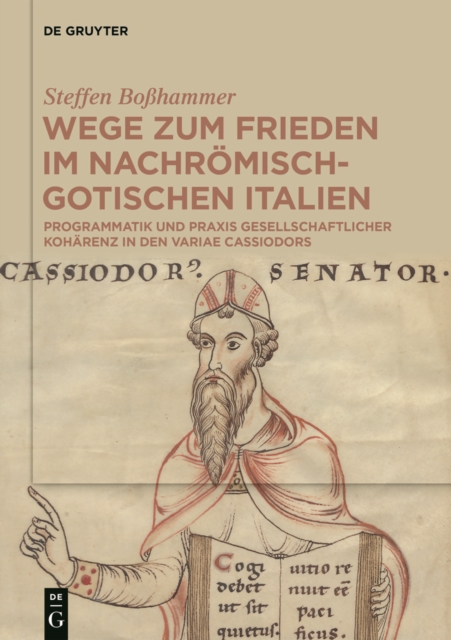
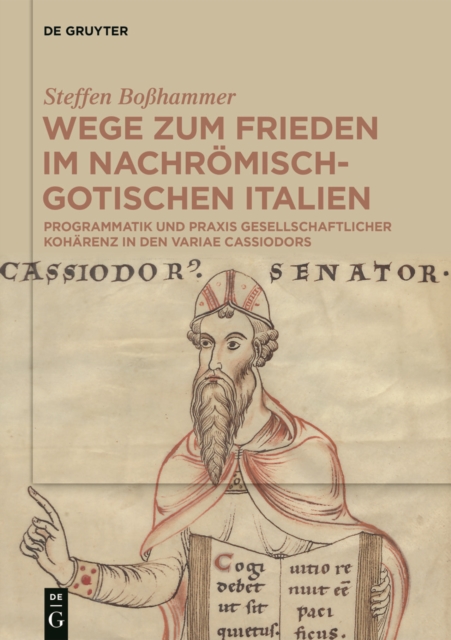
Die Ankunft Tausender Ostgoten im nachrömischen Italien stellte den hochrangigen Minister Cassiodor vor die Herausforderung, in einer religiös und ethnisch heterogenen Gesellschaft ein friedliches Zusammenleben der Bevölkerungsgruppen zu organisieren.
Die Ankunft Tausender Ostgoten im nachrömischen Italien stellte den hochrangigen Minister Cassiodor vor die Herausforderung, in einer religiös und ethnisch heterogenen Gesellschaft ein friedliches Zusammenleben der Bevölkerungsgruppen zu organisieren.
One of the most challenging problems in the history of Western ideas stems from the emergence of Modernity out of the preceding period of the Latin Middle Ages.
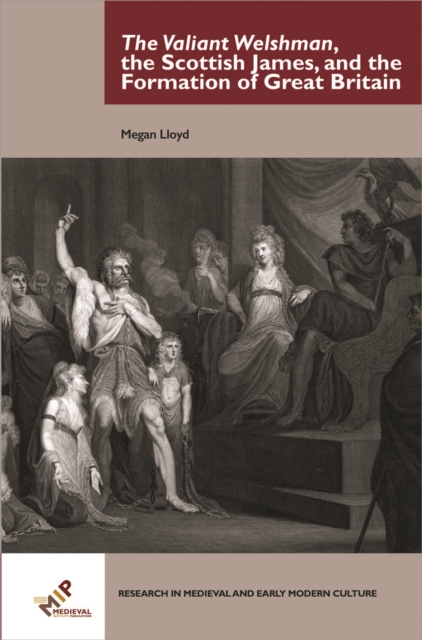
When James VI of Scotland and I of England proclaimed himself King of Great Britain he proposed a merger of parliaments as he had joined two crowns in his own person ascending the throne of England in 1603.
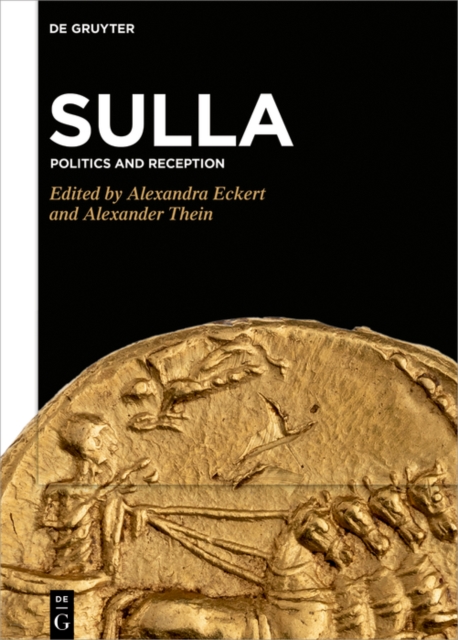
This book brings together an international group of scholars to offer new perspectives on the political impact and afterlife of the dictator Lucius Cornelius Sulla Felix (138-78 B.
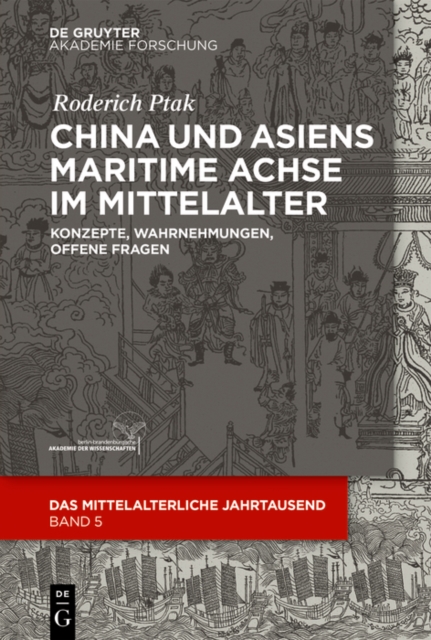
Was ist unter der „Maritimen Seidenstraße" zu verstehen, wie ist Chinas Rolle im Mittelalter zu deuten, welchen Stellenwert hat die Vergangenheit heute – in einer Zeit, die von sehr unterschiedlichen Interpretationen und Instrumentalisierungen geprägt ist?
The rhetorical trope of irony is well-trod territory, with books and essays devoted to its use by a wide range of medieval and Renaissance writers, from the Beowulf-poet and Chaucer to Boccaccio and Shakespeare; however, the use of sarcasm, the "e;flesh tearing"e; form of irony, in the same literature has seldom been studied at length or in depth.
The rhetorical trope of irony is well-trod territory, with books and essays devoted to its use by a wide range of medieval and Renaissance writers, from the Beowulf-poet and Chaucer to Boccaccio and Shakespeare; however, the use of sarcasm, the "e;flesh tearing"e; form of irony, in the same literature has seldom been studied at length or in depth.
This volume explores the theme of Latin and Greek mutual learning, intellectual and cultural interchange in the final age of Byzantium (1261-1453), challenging received conceptions of East and West as clearly delineated ideological categories.
This volume explores the theme of Latin and Greek mutual learning, intellectual and cultural interchange in the final age of Byzantium (1261-1453), challenging received conceptions of East and West as clearly delineated ideological categories.
It has long been an accepted assumption that the abstracted mode of visual representation that emerged in late antiquity reflected a collective shift from the outer-directed and 'material' world-view of classical antiquity to an inner-directed, 'spiritual' mentality informed by Christianity: the purpose of this volume is to offer a more nuanced and diverse image of the nature and meanings of abstraction and symbolism in late antique and early medieval art, beyond normative intepretation models, and from a number of different methodological and interpretative perspectives.
It has long been an accepted assumption that the abstracted mode of visual representation that emerged in late antiquity reflected a collective shift from the outer-directed and 'material' world-view of classical antiquity to an inner-directed, 'spiritual' mentality informed by Christianity: the purpose of this volume is to offer a more nuanced and diverse image of the nature and meanings of abstraction and symbolism in late antique and early medieval art, beyond normative intepretation models, and from a number of different methodological and interpretative perspectives.
Die mittelalterliche Stadt gilt vielen Stadttheoretikern als Musterbeispiel einer Stadt, die durch die Verschmelzung der privaten und wirtschaftlichen Lebensbereiche sowie durch starke gemeinschaftliche Verbindungen eine harmonische Lebenseinheit ermöglichte.
Die mittelalterliche Stadt gilt vielen Stadttheoretikern als Musterbeispiel einer Stadt, die durch die Verschmelzung der privaten und wirtschaftlichen Lebensbereiche sowie durch starke gemeinschaftliche Verbindungen eine harmonische Lebenseinheit ermöglichte.