This book examines the legacies and depictions of monarchs in an international context, focusing on both self-representation and commemoration by others.
This book is a collaborative contribution that expands our understanding of how interfaith relations, both real and imagined, developed across medieval Iberia and the Mediterranean.
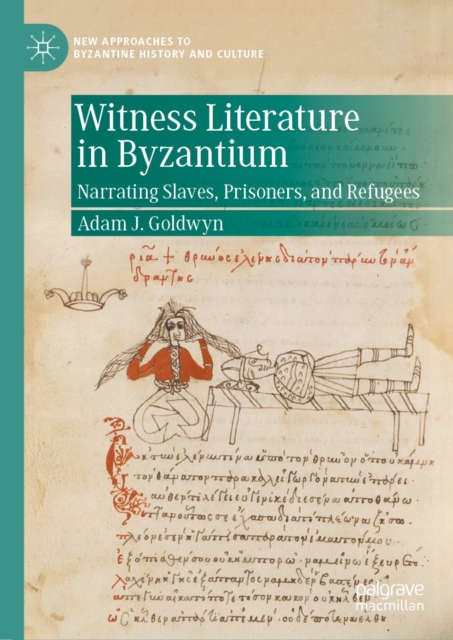
This book analyzes Byzantine examples of witness literature, a genre that focuses on eyewitness accounts written by slaves, prisoners, refugees, and other victims of historical atrocity.
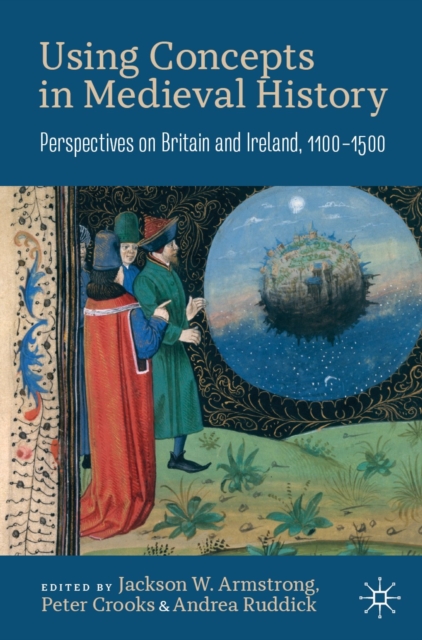
This book is the first of its kind to engage explicitly with the practice of conceptual history as it relates to the study of the Middle Ages, exploring the pay-offs and pitfalls of using concepts in medieval history.
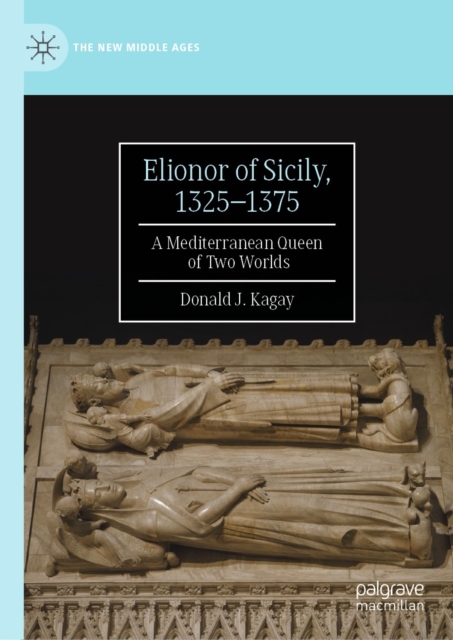
Elionor of Sicily, 1325-1375: A Mediterranean Queen's Life of Family, Administration, Diplomacy, and War follows Elionor of Sicily, the third wife of the important Aragonese king, Pere III.
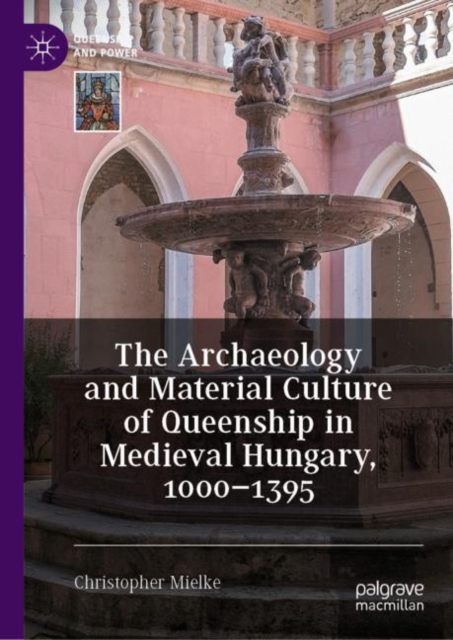
This book explores an alternate history of the power and agency of 30 Hungarian queens over 400 years by a rigorous examination of the material culture connected with their lives.
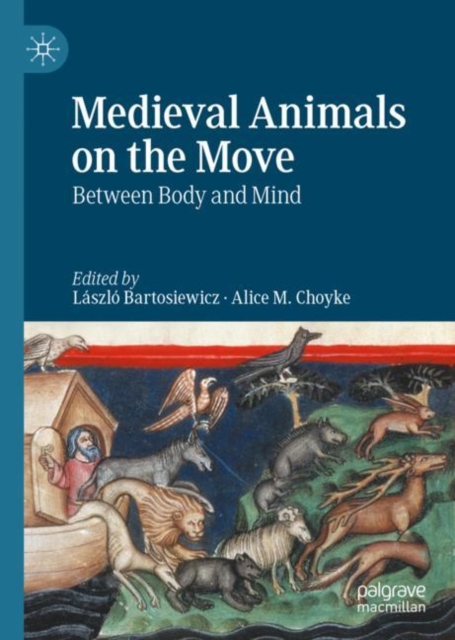
This book investigates relations between humans and animals over several centuries with a focus on the Middle Ages, since important features of our perceptions regarding animals have been rooted in that period.
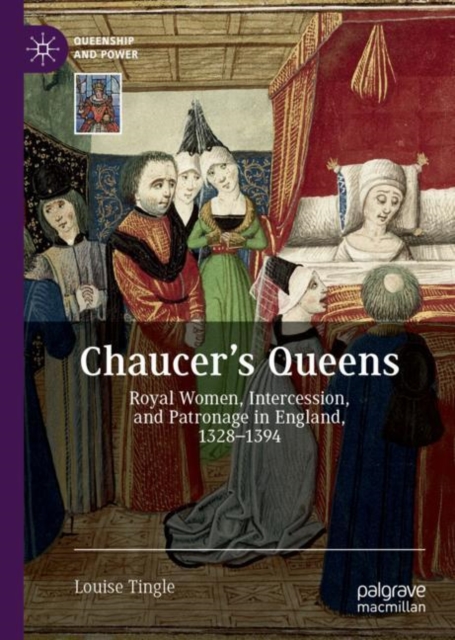
This book investigates the agency and influence of medieval queens in late fourteenth-century England, focusing on the patronage and intercessory activities of the queens Philippa of Hainault and Anne of Bohemia, as well as the princess Joan of Kent.
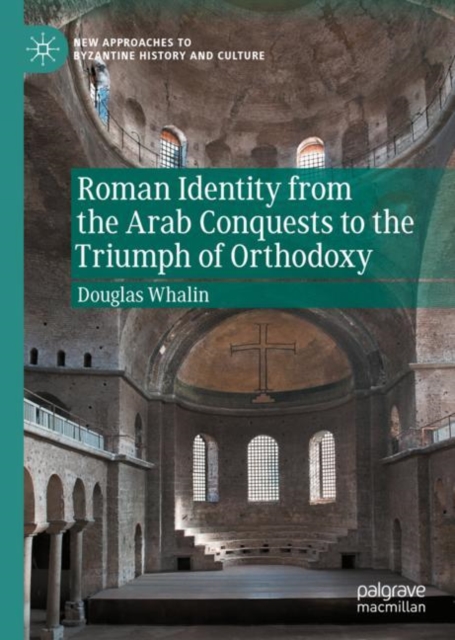
This book asks how the inhabitants and neighbours of the Eastern Roman Empire understand their identity as Romans in the centuries following the emergence of Islam as a world-religion.
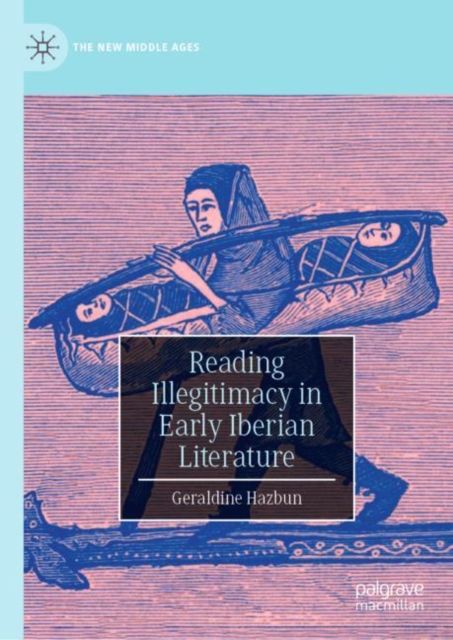
Reading Illegitimacy in Early Iberian Literature presents illegitimacy as a fluid, creative, and negotiable concept in early literature which challenges society's definition of what is acceptable.
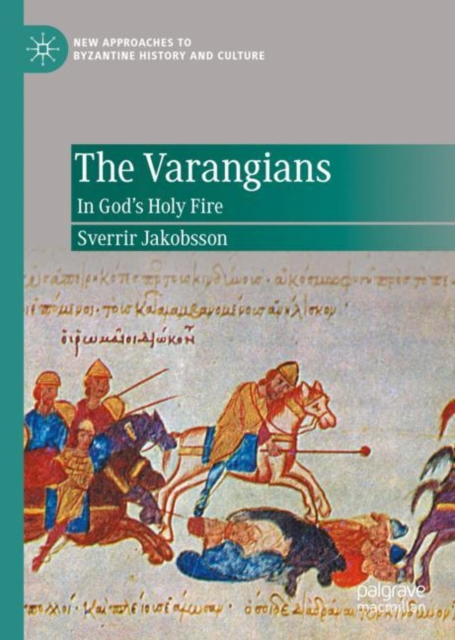
This book is the history of the Eastern Vikings, the Rus and the Varangians, from their earliest mentions in the narrative sources to the late medieval period, when the Eastern Vikings had become stock figures in Old Norse Romances.
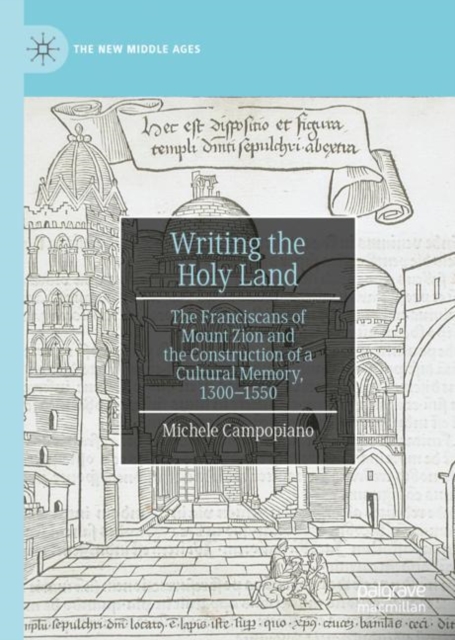
The book shows how the Franciscans in Jerusalem in the fourteenth to sixteenth centuries wrote works which standardized the cultural memory of the Holy Land.
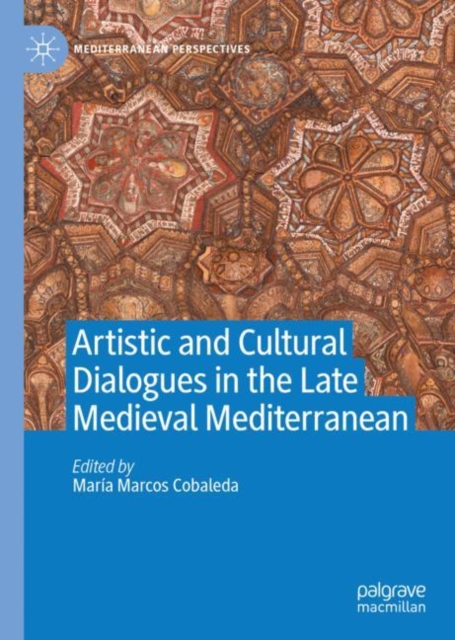
This book analyses the artistic and cultural legacy of Western Islamic societies and their interactions with Islamic, Christian and Jewish societies in the framework of the late medieval Mediterranean, from a range of multi-disciplinary perspectives.
The Thirteenth-Century Animal Turn: Medieval and Twenty-First-Century Perspectives examines a wide range of texts to argue in favour of a thirteenth-century animal turn which not only generated a heightened scholarly awareness of animals but also had major implications for society more generally.
This book investigates adaptations of The Lady of Shalott and Elaine of Astolat in Victorian and post-Victorian popular culture to explore their engagement with medievalism, social constructions of gender, and representations of the role of art in society.
This Palgrave Pivot provides the first ever comprehensive consideration of the part played by women in the workings and business of the English Parliament in the later Middle Ages.
This book examines the premodern encounter between the three monotheistic religions through the unique prism of a premodern literary work-The Parable of the Three Rings-a poignant and charming tale of a father who had three sons and one precious ring.
This book offers analyses of texts from medieval France influenced by Ovid's myth of Narcissus including the Lay of Narcissus, Alain de Lille's Plaint of Nature, Rene d'Anjou's Love-Smitten Heart, Chretien de Troyes's Story of the Grail and Guillaume de Machaut's Fountain of Love.
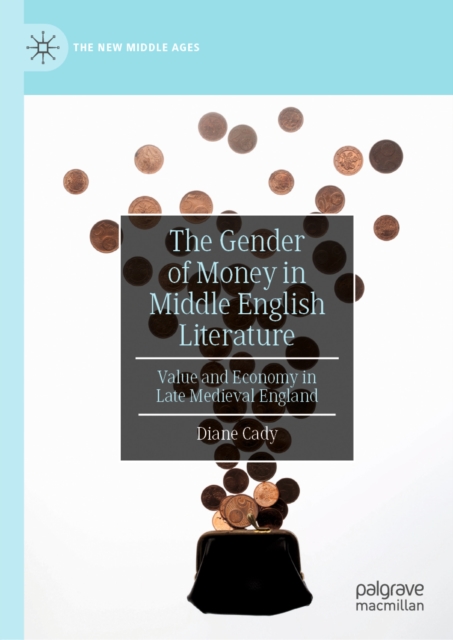
The Gender of Money in Middle English Literature: Value and Economy in Late Medieval England explores the vital and under-examined role that gender plays in the conceptualization of money and value in a period that precedes and shapes what we now recognize as the discipline of political economy.
This book addresses the history of the senses in relation to affective piety and its role in devotional practices in the late Middle Ages, focusing on the sense of touch.
This collection examines the intersection of the discourses of "e;disability"e; and "e;monstrosity"e; in a timely and necessary intervention in the scholarly fields of Disability Studies and Monster Studies.
This Palgrave Pivot explores the representation of sea kings, sinners, and saints in the mid-thirteenth century Chronicles of the Kings of Man and the Isles, the single most important text for the history of the kingdoms of Man and the Isles, c.
This book examines the Avar siege of Constantinople in 626, one of the most significant events of the seventh century, and the impact and repercussions this had on the political, military, economic and religious structures of the Byzantine Empire.
This essay collection studies the Apocalypse and the end of the world, as these themes occupied the minds of biblical scholars, theologians, and ordinary people in Antiquity, the Middle Ages, and Early Modernity.
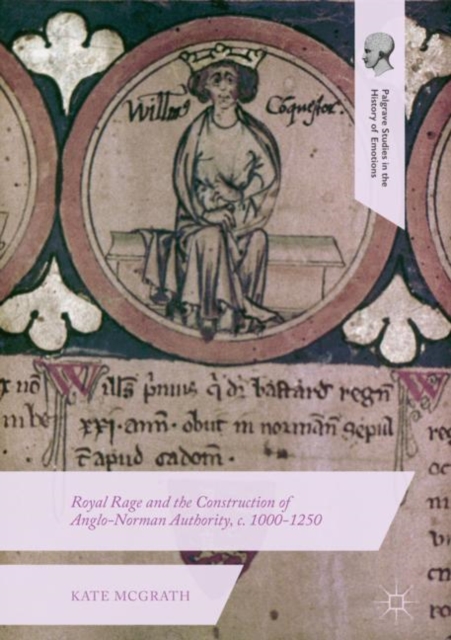
This book explores how eleventh- and twelfth-century Anglo-Norman ecclesiastical authors attributed anger to kings in the exercise of their duties, and how such attributions related to larger expansions of royal authority.
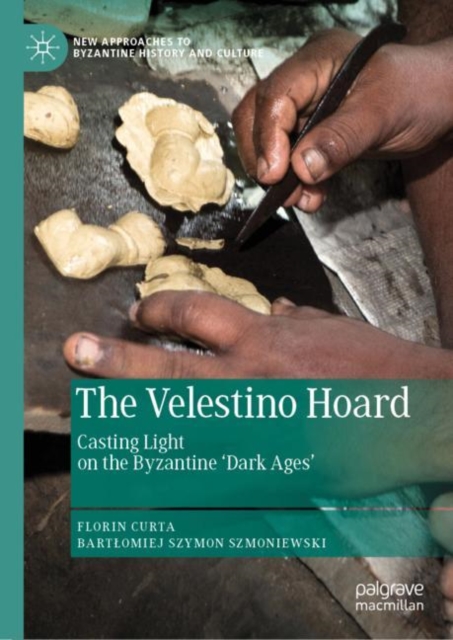
This book examines the remarkable Velestino hoard, found in Thessaly in the 1920s, and analyses the light that this collection of artifacts sheds on a poorly studied period of Byzantine history, and on largely neglected aspects of Byzantine civilization.
Medieval Healthcare and the Rise of Charitable Institutions: The History of the Municipal Hospital examines the development of medieval institutions of care, beginning with a survey of the earliest known hospitals in ancient times to the classical period, to the early Middle Ages, and finally to the explosion of hospitals in the twelfth and thirteenth centuries.
This book is the first English translation of Felice di Michele Brancacci's diary of his 1422 mission to the court of Sultan Al-Ashraf Seyf-ad-Din Barsbay of Egypt.
Professor Somerville deals here with the history of Latin Christianity at a crucial time - the century of the Gregorian reform movement and of the Investiture conflict between the papacy and the empire.