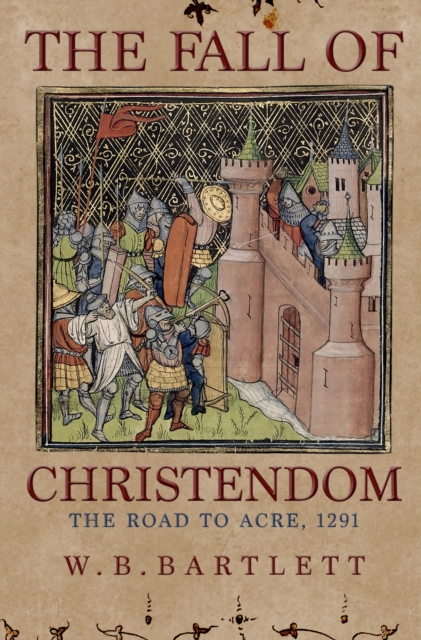
In the early middle ages the Christian presence in the Middle East took a series of blows from often superior Muslim forces, only for a fresh wave of Crusaders to regain territory.
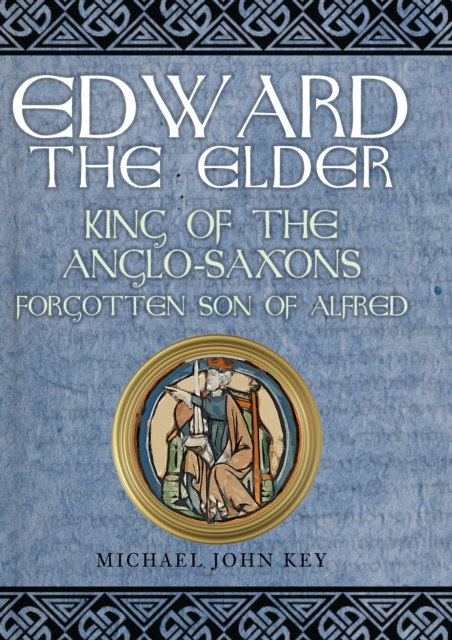
Edward the Elder succeeded his father Alfred the Great to the kingdom of Wessex, but was largely overlooked by his contemporaries (at least in terms of the historical record) and to a greater or lesser extent by later historians.
Many people know about Wessex, the 'Last Kingdom' of the Anglo-Saxons to fall to the Northmen, but another kingdom, Mercia, once enjoyed supremacy over not only Wessex, but all of the Anglo-Saxon kingdoms.
50 Medieval Finds from the Portable Antiquities Scheme highlights some of the most important and interesting archaeological objects of medieval date that have been found by the public over the last twenty years and recorded by the Portable Antiquities Scheme (PAS), or reported as Treasure.
Philippa of Hainault: Mother of the English Nation is the first full-length biography of the queen at the centre of the some of the most dramatic events in English history.
Written in 1136 by Geoffrey of Monmouth, the Historia Regum Britanniae (History of the Kings of Britain) purported to chronicle the British monarchy from the arrival of the Trojan Brutus, grandson of Aeneas, through to the seventh century AD when the Anglo-Saxons had taken control of the land.
This ground-breaking book traces the story of castles at war in England and Wales from their introduction by the Normans in the eleventh century until the end of the reign of Henry VIII in the sixteenth century.
'This is the history of that most sacred vessel that is named by men the Holy Grail, wherein the precious blood of Our Saviour was received on the day that He was crucified that He might redeem His followers from the pains of Hell.
For a medieval English king, delegation was a necessary evil; and nowhere more necessary - nor more potentially disastrous - than on the Anglo-Welsh borders.
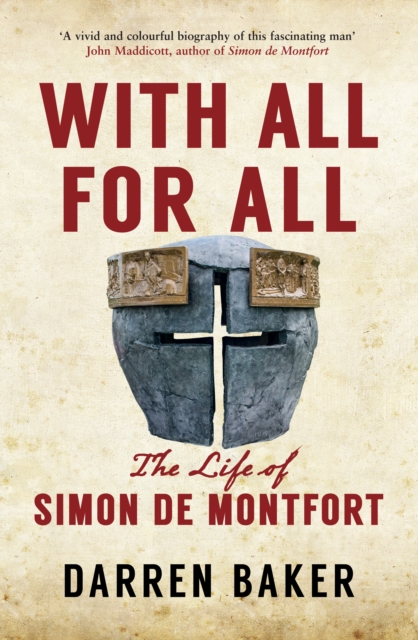
Like his crusading father before him, Simon de Montfort's combination of charisma, determination and fearlessness, reinforced by a wife with similar qualities, made him one of the greatest men of his age.
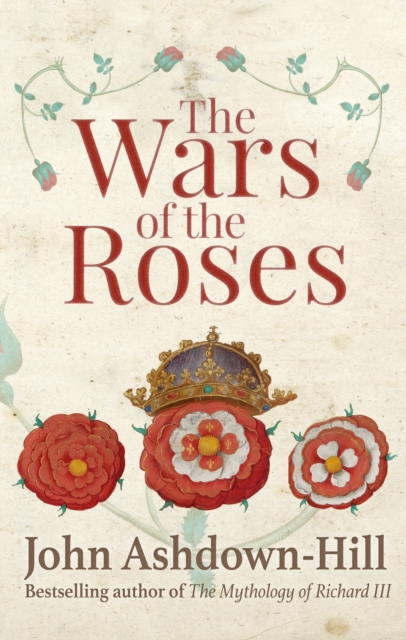
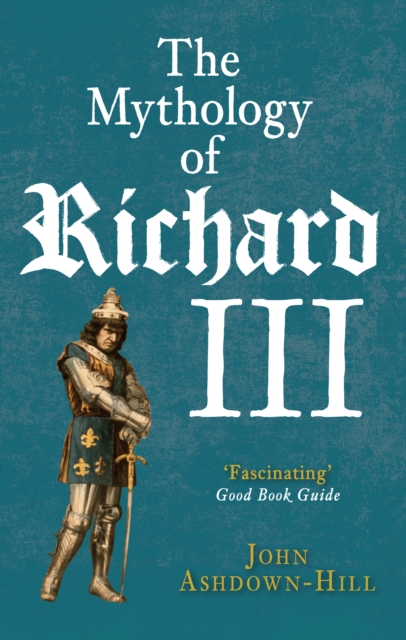
The Wars of the Roses call to mind bloody battles, treachery and deceit, and a cast of characters known to us through fact and fiction: Edward IV, Elizabeth Woodville, Richard III, Warwick the Kingmaker, the Princes in the Tower, Henry Tudor.
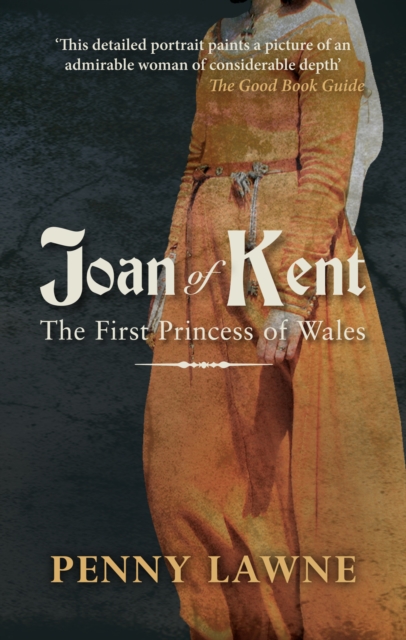
Immortalised by the chronicler Froissart as the most beautiful woman in England and the most loved, Joan was the wife of the Black Prince and the mother of Richard II, the first Princess of Wales and the only woman ever to be Princess of Aquitaine.
Calling to mind a time when butchers and executioners knew more about anatomy than university-trained physicians, the phrase 'Medieval Medicine' conjures up horrors for us with our modern ideas on hygiene, instant pain relief and effective treatments.
Richard III is probably the House of York's best-known figure, but the other members of the family are just as intriguing as the king who fell on Bosworth Field.
The Viking Conquest of England in 1016 - a far tougher and more brutal campaign than the Norman Conquest exactly half a century later - saw two great warriors, the Danish prince Cnut and his equally ruthless English opponent King Edmund Ironside, fight an epic campaign.