While the assumption of a sharp distinction between learned culture and lay society has been broadly challenged over the past three decades, the question of how ideas moved and were received and transformed by diverse individuals and groups stands as a continuing challenge to social and intellectual historians, especially with the emergence and integration of the methodologies of cultural history.
While the assumption of a sharp distinction between learned culture and lay society has been broadly challenged over the past three decades, the question of how ideas moved and were received and transformed by diverse individuals and groups stands as a continuing challenge to social and intellectual historians, especially with the emergence and integration of the methodologies of cultural history.
Drawing on the municipal archives of eleven French provincial towns as well as other related sources, this book explores the links between local and national politics during the Wars of Religion of the later sixteenth century.
Drawing on the municipal archives of eleven French provincial towns as well as other related sources, this book explores the links between local and national politics during the Wars of Religion of the later sixteenth century.
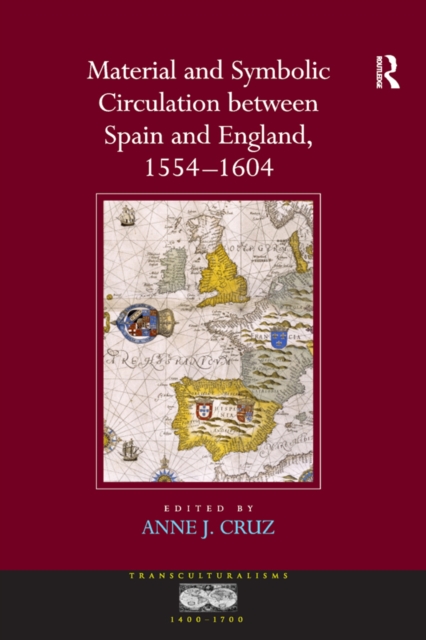
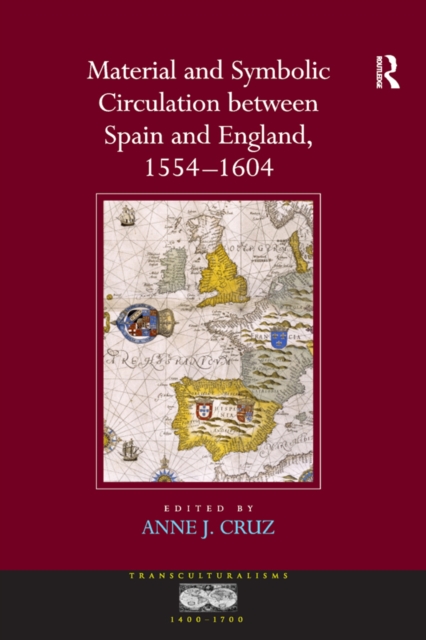
Separated only by a narrow body of water, Spain and England have had a long history of material and cultural interactions; but this intertwined history is rarely perceived by scholars of one country with a view toward the other.
Separated only by a narrow body of water, Spain and England have had a long history of material and cultural interactions; but this intertwined history is rarely perceived by scholars of one country with a view toward the other.
Between the religious massacres, conflicts and martyrdoms that characterised much of Reformation Europe, there seems little room for a consideration of the concept of moderation.
Between the religious massacres, conflicts and martyrdoms that characterised much of Reformation Europe, there seems little room for a consideration of the concept of moderation.
In the history of the attempted restoration of Roman Catholicism in the England of Mary Tudor, the contribution of her husband Philip and his Spanish entourage has been largely ignored.
In the history of the attempted restoration of Roman Catholicism in the England of Mary Tudor, the contribution of her husband Philip and his Spanish entourage has been largely ignored.
Drawing on the early correspondence of Martin Luther, Timothy Dost presents a reassessment of the degree to which humanism influenced the thinking of this key reformation figure.
Drawing on the early correspondence of Martin Luther, Timothy Dost presents a reassessment of the degree to which humanism influenced the thinking of this key reformation figure.
Modern scholarship has effectively demonstrated that, far from being a knee-jerk reaction to the challenges of Protestantism, the Catholic Reformation of the sixteenth and seventeenth centuries was fuelled primarily by a desire within the Church to reform its medieval legacy and to re-enthuse its institutions with a sense of religious zeal.
Modern scholarship has effectively demonstrated that, far from being a knee-jerk reaction to the challenges of Protestantism, the Catholic Reformation of the sixteenth and seventeenth centuries was fuelled primarily by a desire within the Church to reform its medieval legacy and to re-enthuse its institutions with a sense of religious zeal.
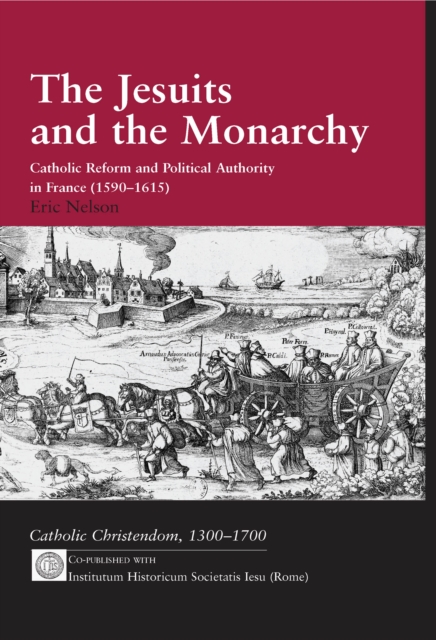
The first three decades of Bourbon rule in France coincided with a period of violent fragmentation followed by rapid renewal within the French Catholic community.
The first three decades of Bourbon rule in France coincided with a period of violent fragmentation followed by rapid renewal within the French Catholic community.
Recent decades have witnessed the fragmentation of Reformation studies, with high-level research confined within specific geographical, confessional or chronological boundaries.
Recent decades have witnessed the fragmentation of Reformation studies, with high-level research confined within specific geographical, confessional or chronological boundaries.
This book offers a new perspective to the current debate about popular religious attitudes in Tudor England, laying particular emphasis on the social and secular dimensions of parish life.
This book offers a new perspective to the current debate about popular religious attitudes in Tudor England, laying particular emphasis on the social and secular dimensions of parish life.
These chapters explore how a religious minority not only gained a toehold in countries of exile, but also wove itself into their political, social, and religious fabric.
These chapters explore how a religious minority not only gained a toehold in countries of exile, but also wove itself into their political, social, and religious fabric.
'Prosthesis' denotes a rhetorical 'addition' to a pre-existing 'beginning', a 'replacement' for that which is 'defective or absent', a technological mode of 'correction' that reveals a history of corporeal and psychic discontent.
'Prosthesis' denotes a rhetorical 'addition' to a pre-existing 'beginning', a 'replacement' for that which is 'defective or absent', a technological mode of 'correction' that reveals a history of corporeal and psychic discontent.
Focusing on the impact of Continental religious warfare on the society, politics and culture of English, Scottish and Irish Protestantism, this study is concerned with the way in which British identity developed in the early Stuart period.
Focusing on the impact of Continental religious warfare on the society, politics and culture of English, Scottish and Irish Protestantism, this study is concerned with the way in which British identity developed in the early Stuart period.
Challenging accepted notions of Elizabethan foreign policy, Gehring argues that the Queens relationship with the Protestant Princes of the Holy Roman Empire was more of a success than has been previously thought.
Challenging accepted notions of Elizabethan foreign policy, Gehring argues that the Queens relationship with the Protestant Princes of the Holy Roman Empire was more of a success than has been previously thought.
Originally published in 1926, this translation of Engels' account of the Peasant War in fourteenth Century Germany explores the social and economic forces that led to peasant rebellion with a particular focus on how closely this related to the Reformation.