'I know there are but few steps between the prisons and graves of princes' Charles IThe experience of exile and captivity, usually in war, was not uncommon for medieval kings and princes.
Christians and Muslims together make up about 57% of the world's population today, and by the end of the century they will constitute about 66% of the world's population.
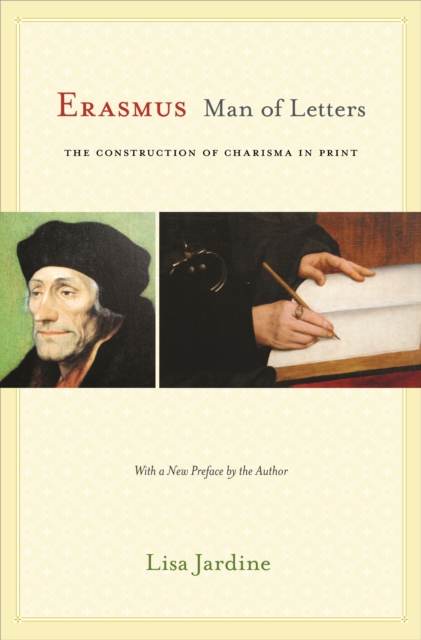
The name Erasmus of Rotterdam conjures up a golden age of scholarly integrity and the disinterested pursuit of knowledge, when learning could command public admiration without the need for authorial self-promotion.
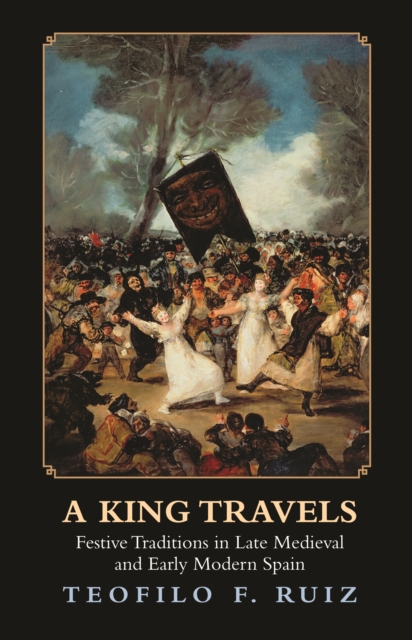
A King Travels examines the scripting and performance of festivals in Spain between 1327 and 1620, offering an unprecedented look at the different types of festivals that were held in Iberia during this crucial period of European history.
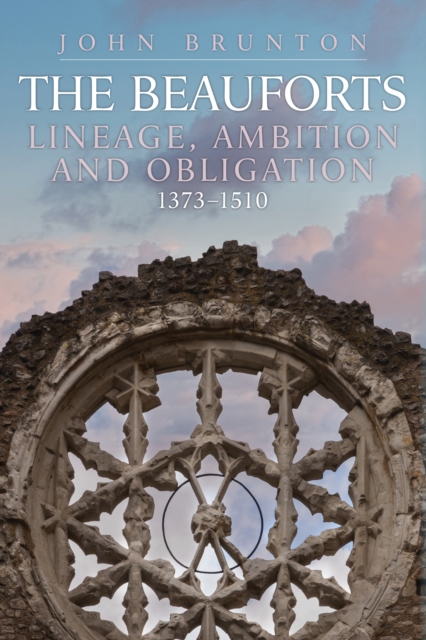
Four bastard children of John of Gaunt and his mistress Katherine Swynford vigorously made their way in the world despite their questionable origin, and when all four were retrospectively declared legitimate they were each set on course for advancement.
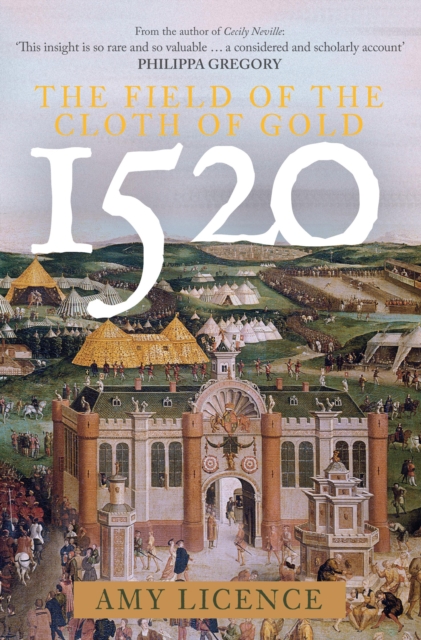
1520 explores the characters of two larger-than-life kings, whose rivalry and love-hate relations added a feisty edge to European relations in the early sixteenth century.
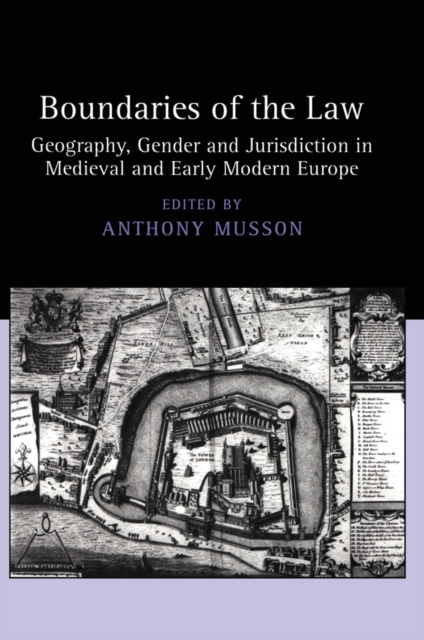
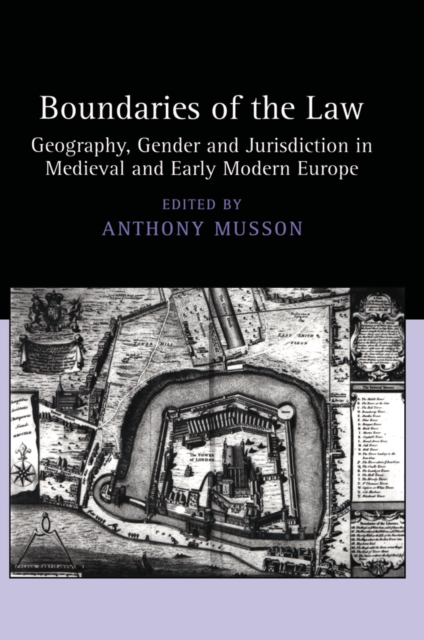
Exploring the boundaries of the law as they existed in medieval and early modern times and as they have been perceived by historians, this volume offers a wide ranging insight into a key aspect of European society.
Exploring the boundaries of the law as they existed in medieval and early modern times and as they have been perceived by historians, this volume offers a wide ranging insight into a key aspect of European society.
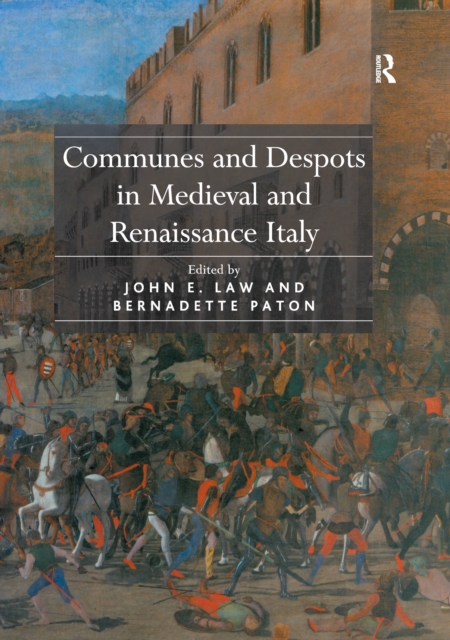
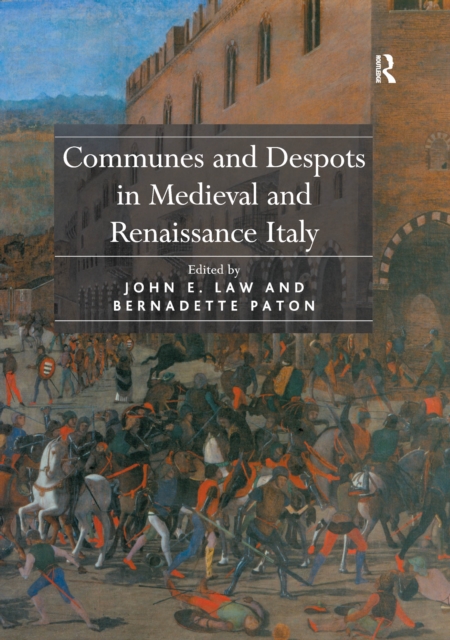
Building on important issues highlighted by the late Philip Jones, this volume explores key aspects of the city state in late-medieval and Renaissance Italy, particularly the nature and quality of different types of government.
Building on important issues highlighted by the late Philip Jones, this volume explores key aspects of the city state in late-medieval and Renaissance Italy, particularly the nature and quality of different types of government.
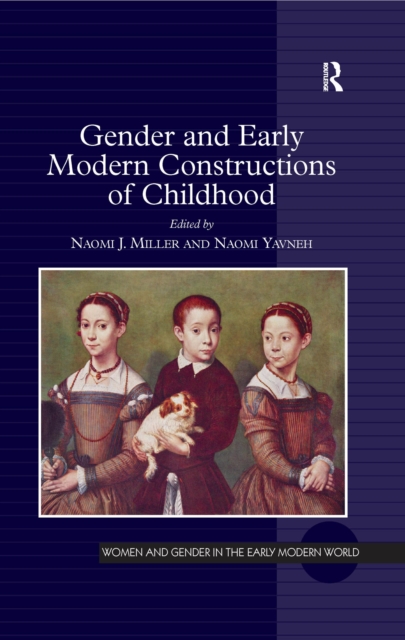
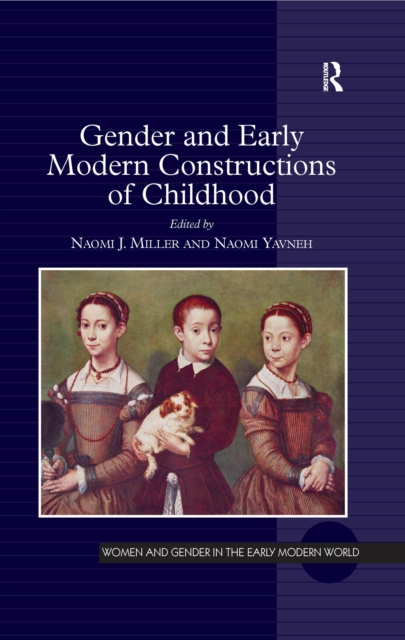
Drawing on art history, literary studies and social history, the essays in this volume explore a range of intersections between gender and constructions of childhood in the 15th, 16th and 17th centuries in Italy, England, France and Spain.
Drawing on art history, literary studies and social history, the essays in this volume explore a range of intersections between gender and constructions of childhood in the 15th, 16th and 17th centuries in Italy, England, France and Spain.
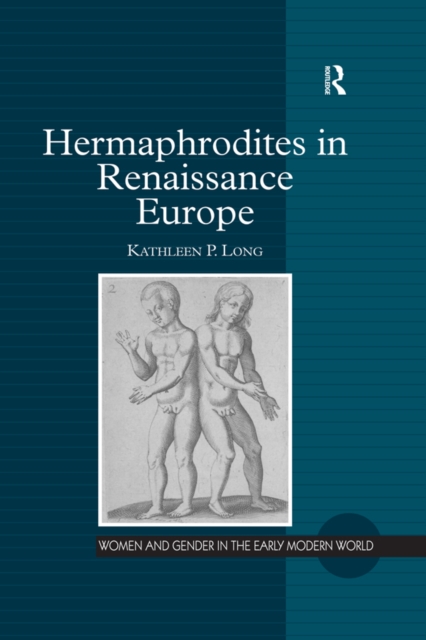
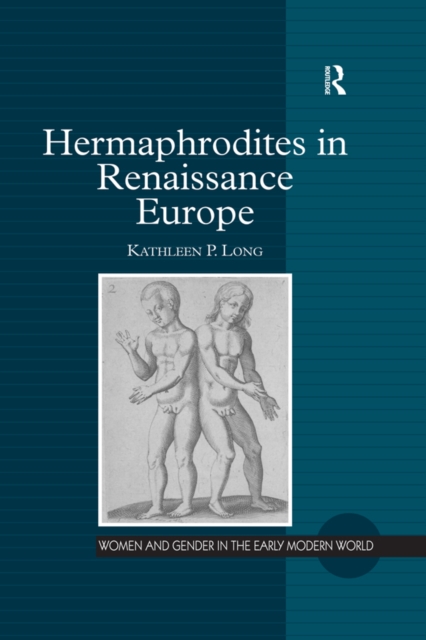
Kathleen Long explores the use of the hermaphrodite in early modern culture wars, both to question traditional theorizations of gender roles and to reaffirm those views.
Kathleen Long explores the use of the hermaphrodite in early modern culture wars, both to question traditional theorizations of gender roles and to reaffirm those views.
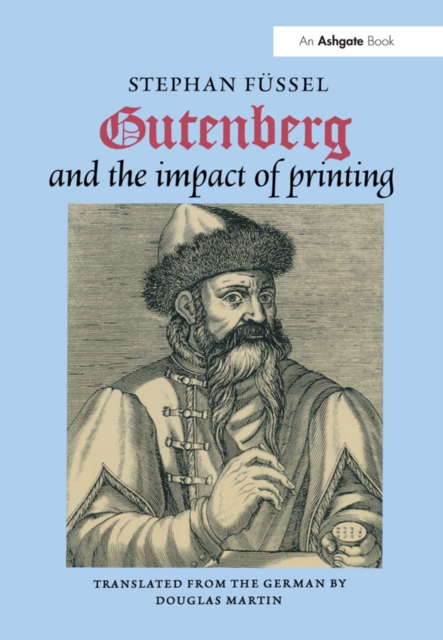
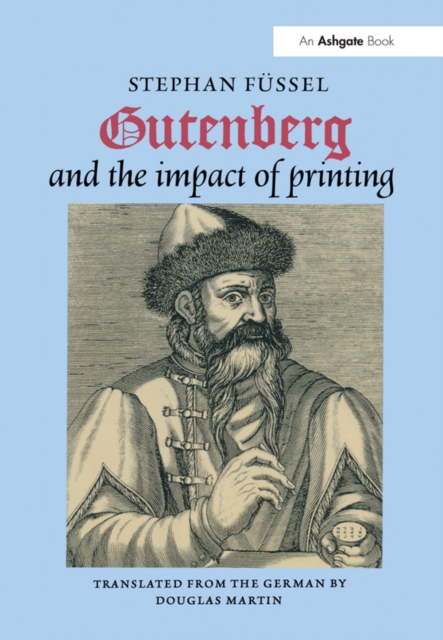
From typefounding through typesetting to the printing process itself, this narrative offers a fresh look at the unprecedented success story of the spread of the 'black art' right across Europe in a mere 40 years.
From typefounding through typesetting to the printing process itself, this narrative offers a fresh look at the unprecedented success story of the spread of the 'black art' right across Europe in a mere 40 years.
Scholarly traditions of the nineteenth and twentieth centuries have led us to assume that national traditions were defining in a way that they may not have been during the Renaissance, when Latin remained an international language.
Scholarly traditions of the nineteenth and twentieth centuries have led us to assume that national traditions were defining in a way that they may not have been during the Renaissance, when Latin remained an international language.
When he suddenly came to power in Italy in 1537, the young Duke Cosimo I de' Medici amazed friends and foes alike with his ability to extricate himself from mortal danger, affirm his authority and revive a dying state.
When he suddenly came to power in Italy in 1537, the young Duke Cosimo I de' Medici amazed friends and foes alike with his ability to extricate himself from mortal danger, affirm his authority and revive a dying state.
Beginning with one of the crucial technological breakthroughs of Western history - the development of moveable type by Johann Gutenberg - The History of the Book in the West 1455-1700 covers the period that saw the growth and consolidation of the printed book as a significant feature of Western European culture and society.
Beginning with one of the crucial technological breakthroughs of Western history - the development of moveable type by Johann Gutenberg - The History of the Book in the West 1455-1700 covers the period that saw the growth and consolidation of the printed book as a significant feature of Western European culture and society.
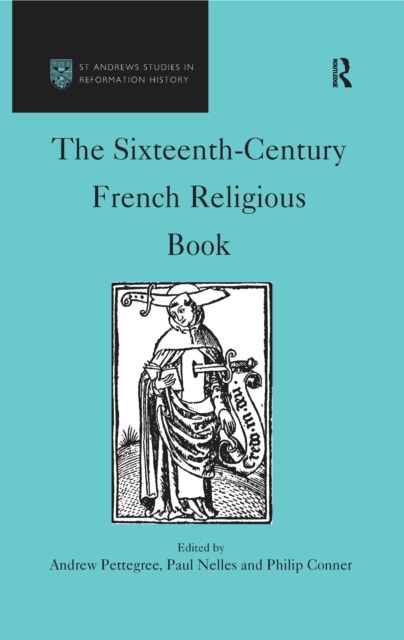
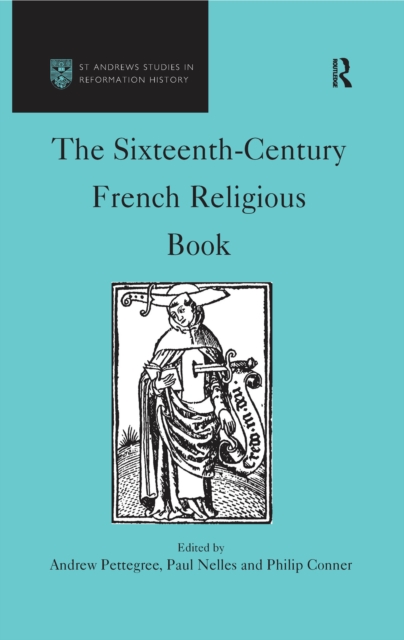
This study comprises the proceedings of a conference held in St Andrews in 1999 which gathered some of the most distinguished historians of the French book.
This study comprises the proceedings of a conference held in St Andrews in 1999 which gathered some of the most distinguished historians of the French book.
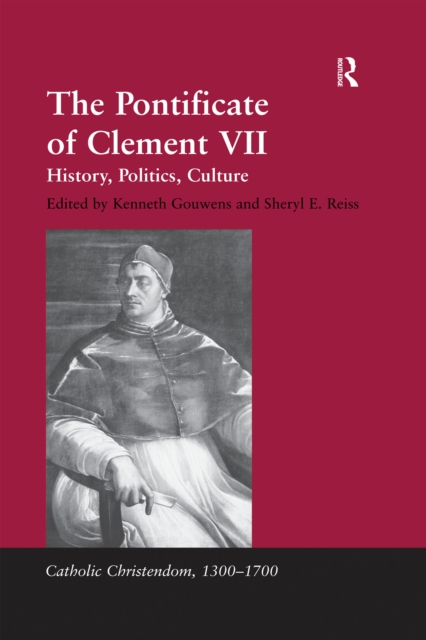
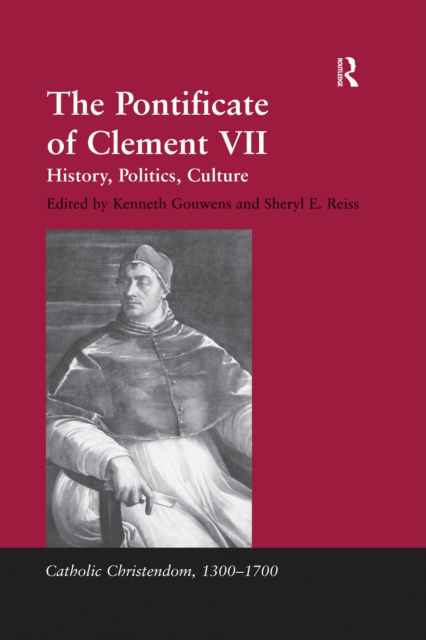
The pontificate of Clement VII (Giulio de' Medici) is usually regarded as amongst the most disastrous in history, and the pontiff characterized as timid, vacillating, and avaricious.
The pontificate of Clement VII (Giulio de' Medici) is usually regarded as amongst the most disastrous in history, and the pontiff characterized as timid, vacillating, and avaricious.
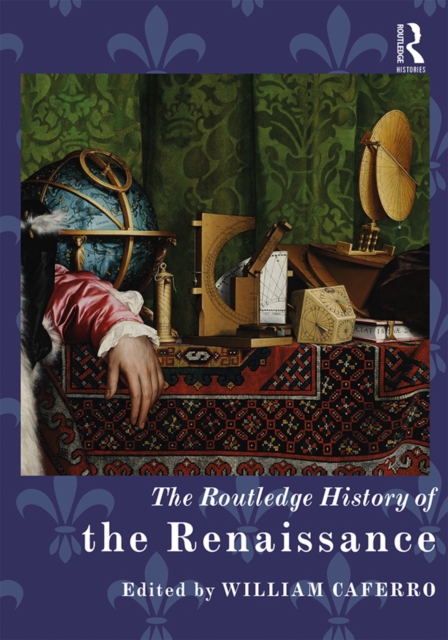
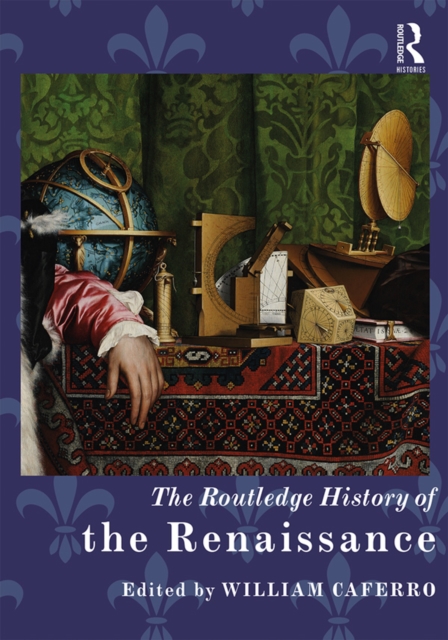
Drawing together the latest research in the field, The Routledge History of the Renaissance treats the Renaissance not as a static concept, but as one of ongoing change within an international framework.
Drawing together the latest research in the field, The Routledge History of the Renaissance treats the Renaissance not as a static concept, but as one of ongoing change within an international framework.
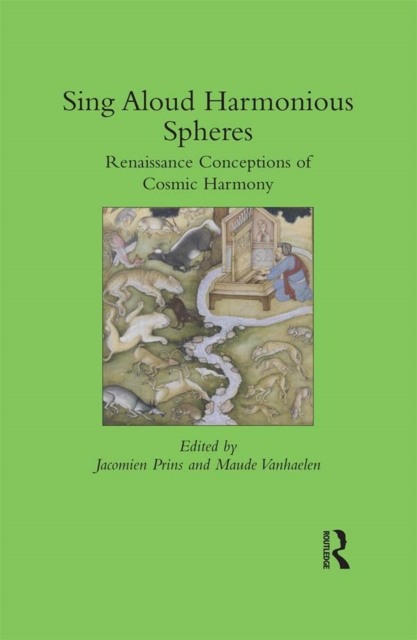
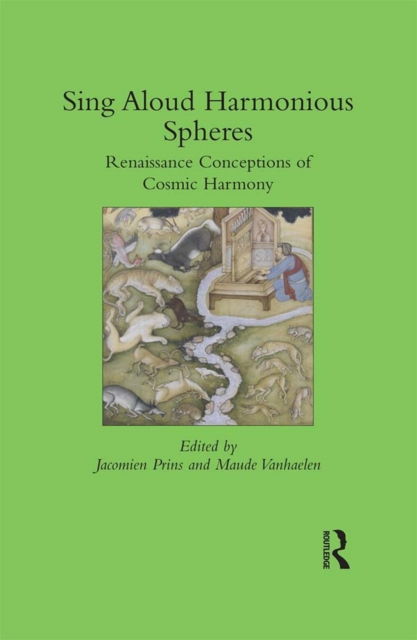
This is the first volume to explore the reception of the Pythagorean doctrine of cosmic harmony within a variety of contexts, ranging chronologically from Plato to 18th-century England.
This is the first volume to explore the reception of the Pythagorean doctrine of cosmic harmony within a variety of contexts, ranging chronologically from Plato to 18th-century England.