"e;Waging a counterinsurgency war and justified by claims of 'an agreement between Guatemala and God,' Guatemala's Evangelical Protestant military dictator General Rios Montt incited a Mayan holocaust: over just 17 months, some 86,000 mostly Mayan civilians were murdered.
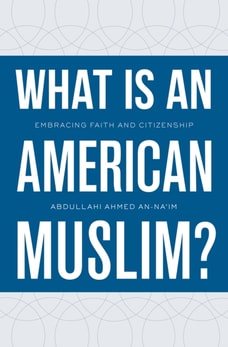
Since 2001, there has been a tremendous backlash against the very idea that it is possible to be both American and Muslim-the controversy over the so-called "e;Ground Zero Mosque"e; and the attempts to ban shari'a law are examples.
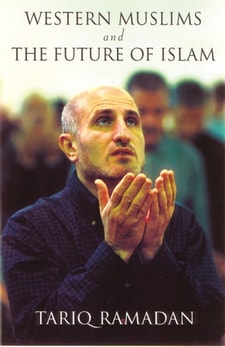
Tariq Ramadan, one of Europe's leading thinkers and one of Islam's most innovative and important voices, explores in this volume what it means to be a Western Muslim, addressing a topic that is vitally important to the futures of both Islam and the West.
While there exists no evidence to date that the indigenous inhabitants of Arabia knew of holy war prior to Islam, holy war ideas and behaviors appear already among Muslims during the first generation.
The Idea of Semitic Monotheism examines some major aspects of the scholarly study of religion in the long nineteenth century--from the Enlightenment to the First World War.
The Idea of Semitic Monotheism examines some major aspects of the scholarly study of religion in the long nineteenth century--from the Enlightenment to the First World War.
The Quakers were by far the most successful of the radical religious groups to emerge from the turbulence of the mid-seventeenth century--and their survival into the present day was largely facilitated by the transformation of the movement during its first fifty years.
The Quakers were by far the most successful of the radical religious groups to emerge from the turbulence of the mid-seventeenth century--and their survival into the present day was largely facilitated by the transformation of the movement during its first fifty years.
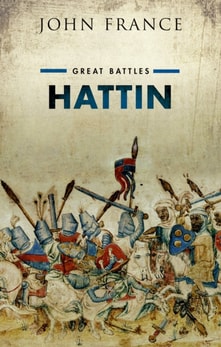
On 4 July 1187 the legendary Muslim leader Saladin destroyed the Crusader army of the Latin Kingdom of Jerusalem with a terrible slaughter at the battle of Hattin - and went on to restore the Holy City of Jerusalem to Islamic rule.
On 4 July 1187 the legendary Muslim leader Saladin destroyed the Crusader army of the Latin Kingdom of Jerusalem with a terrible slaughter at the battle of Hattin - and went on to restore the Holy City of Jerusalem to Islamic rule.
The relationship between religion, intolerance and conflict has been the subject of intense discussion, particularly in the wake of the events of 9-11 and the ongoing threat of terrorism.
'Be of good comfort, Master Ridley, and play the man: we shall this day light such a candle by God's grace in England, as, I trust, shall never be put out.
'Be of good comfort, Master Ridley, and play the man: we shall this day light such a candle by God's grace in England, as, I trust, shall never be put out.
Why is it that Catholics and Protestants in Northern Ireland have been in perpetual conflict for thirty years when they can live and prosper together elsewhere?
Between 1850 and 1966, tens of thousands of Buddhist sacred sites in China were destroyed, victims of targeted destruction, accidental damage, or simply neglect.
Between 1850 and 1966, tens of thousands of Buddhist sacred sites in China were destroyed, victims of targeted destruction, accidental damage, or simply neglect.
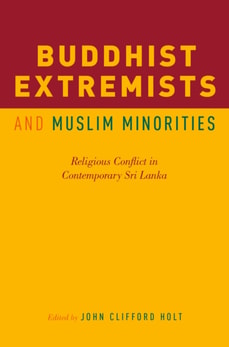
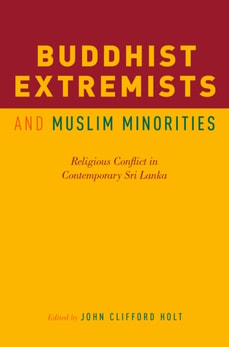
When the civil war in Sri Lanka between Sinhala Buddhists and Tamils ended in 2009, many Sri Lankans and foreign observers alike hoped to see the re-establishment of relatively harmonious religious and ethnic relations among the various communities in the country.
When the civil war in Sri Lanka between Sinhala Buddhists and Tamils ended in 2009, many Sri Lankans and foreign observers alike hoped to see the re-establishment of relatively harmonious religious and ethnic relations among the various communities in the country.
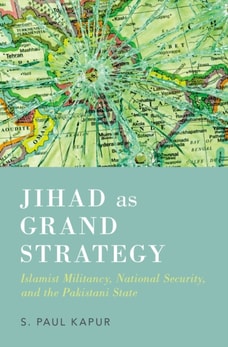
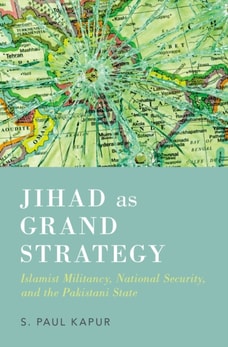
Islamist militants based in Pakistan have played a major role in terrorism around the world and pose a significant threat to regional and international security.
Islamist militants based in Pakistan have played a major role in terrorism around the world and pose a significant threat to regional and international security.
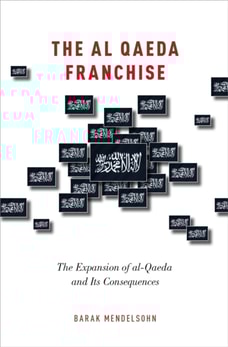
The al-Qaeda Franchise asks why al-Qaeda adopted a branching-out strategy, introducing seven franchises spread over the Middle East, Africa, and South Asia.