Das titelgebende "Riesennest" ist Kretzers Heimatstadt Berlin, in der er sein gesamtes Leben verbracht hat und die den in diesem Band versammelten neun Erzählungen – "Die beiden Kleinen", "Ein Humorist", "Der kleine Dög", "Sie liebt die Kinder", "Eine Rose", "Mein Flickschneider", "Erlösung", "Ein "Schritt vom Tode" und "Die Geschichte eines schwarzen Anzugs" – einen einigenden Rahmen verleiht.
Die jungen Damen nannten Gardeleutnant Bonaventura von Völkern "den Herrlichsten von allen", obwohl: "Sehr charakterfest war er wohl nie gewesen, seine Eitelkeit und Genusssucht wurden geradezu künstlich großgezüchtet, und da er zu verwöhnt war, um die eiserne Notwendigkeit als beste Zuchtmeisterin im Nacken zu fühlen, so fand seine Oberflächlichkeit in nichts ein Gegengewicht.
Der in zwei Bänden angelegte Roman erzählt von einer adeligen Gesellschaft, die sich von ihren strengen Regeln verabschiedet und sich einer Gesellschaftsschicht öffnet, deren Erfolg auf Begabung, Interesse und Fleiß beruht.
Es ist ein wunderbarer Frühlingsmorgen, als Oberst von Welten mit seiner Nichte Lobelia und einem ortskundigen Führer in die Masulschlucht oberhalb von Meran wandern.
Im zweiten Band über die Geschicke der Bewohner des kleinen, beschaulichen Dorfes Ellerndörp entwickelt die Geschichte um die junge Erika zwischen dem hart arbeitendem, früh verwaisten Dorfbewohner Wigand und dem "gottbegnadeten" Musiker Joel eine neue Dramatik, die im ersten Teil bereits angelegt ist, nun aber erst voll an Fahrt gewinnt und unerbittlich auf die entscheidende Krise zusteuert.
Eduard Breimann erzählt uns von Mördern, Asylanten, Scheinheiligen und Folterern, aber auch von alltäglichen Beziehungen, alten und jungen Menschen, wie du und ich, immer mit einem Realismus der unter die Haut geht.
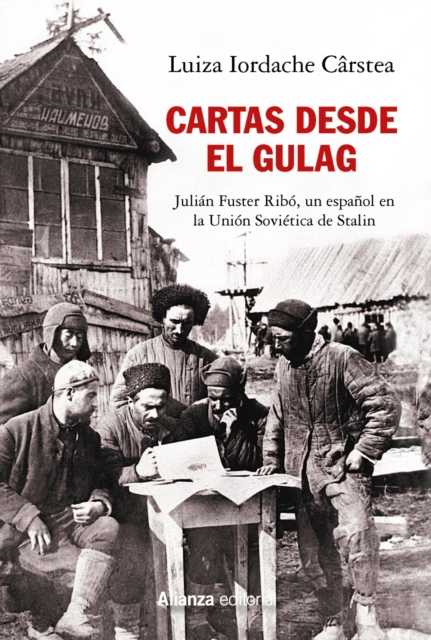
Entre 1940 y 1956 pasaron por los campos de concentración soviéticos 345 republicanos españoles, entre los que había «niños de la guerra», militantes comunistas, maestros, pilotos, marinos y otros republicanos detenidos en el Berlín "liberado" por el Ejército Rojo.
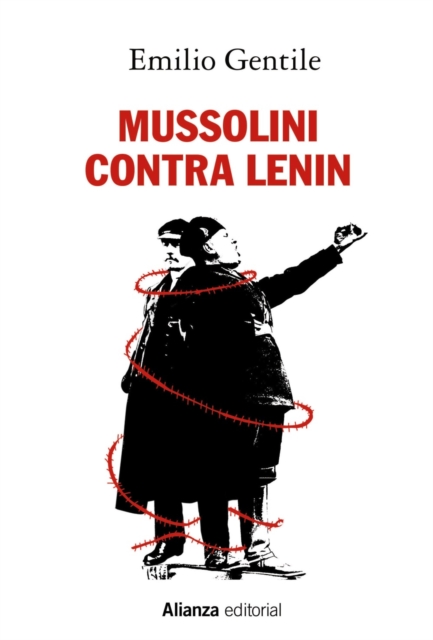
Lenin y Mussolini vivieron en Ginebra entre 1902 y 1904, y quizá se encontraron en la Brasserie Handwerk, celebrando el aniversario de la Comuna de París.
From Reagan to the Twenty-First Century explores one of the most transformative periods in modern American history, tracing the United States from the conservative resurgence of the 1980s to the political, economic, technological, and cultural conflicts of the modern era.
Step into the Stream of Sacred Feminine PowerOshun: Goddess of Love and Waters offers a powerful exploration of this cherished deity's myth, magic, and meaning across cultures and traditions.
This history of the African AIDS epidemic is a much-needed, accessibly written historical account of the most serious epidemiological catastrophe of modern times.
Anglophone Poetry in Colonial India, 1780-1913: A Critical Anthology makes accessible for the first time the entire range of poems written in English on the subcontinent from their beginnings in 1780 to the watershed moment in 1913 when Rabindranath Tagore won the Nobel Prize in Literature.
Shinsengumi: The Shogun's Last Samurai Corps is the true story of the notorious samurai corps formed in 1863 to arrest or kill the enemies of the Tokugawa Shogun.
This innovative collection explores the complex and multifaceted relationship between translation and anarchism, showing how the circulation of key authors and theories on a global scale has been underpinned by language and translation.
This innovative collection explores the complex and multifaceted relationship between translation and anarchism, showing how the circulation of key authors and theories on a global scale has been underpinned by language and translation.
This book recenters the agrarian question within contemporary capitalism, examining social differentiation in rural societies through a rigorous historical-comparative lens.
This book examines merchant networks from the unique perspective of moving backward in time from a specific outcome-the founding of an American commission house in Brazil in the early 1800s-to uncover a century-and-a-half's worth of the transnational networking that led to its existence.
Latin American Conservatism and the Rise of the Far Right is a comparative study that focuses on contemporary conservatism in Latin America and its historical development, seeking to identify and analyze dialogues, similarities, and differences between countries in the Global South and North, as well as their interactions with former colonial powers.