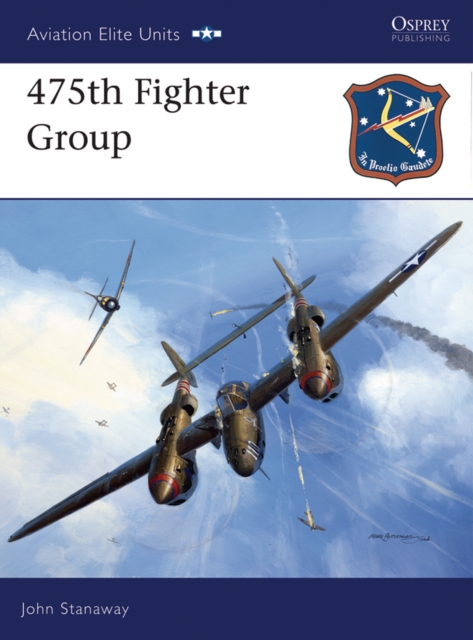
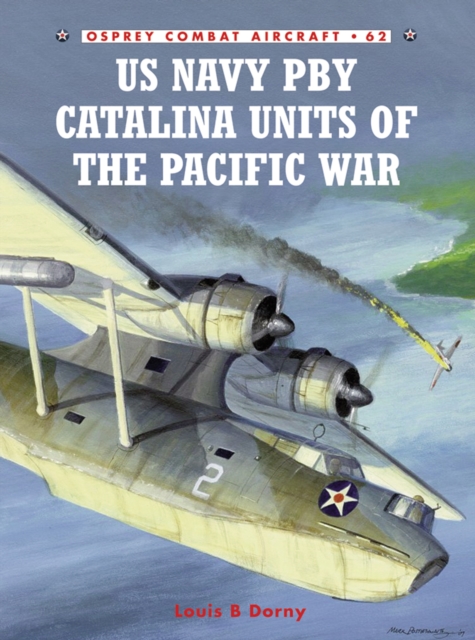
Formed with the best available fighter pilots in the Southwest Pacific, the 475th Fighter Group was the pet project of Fifth Air Force chief, General George C Kenney.
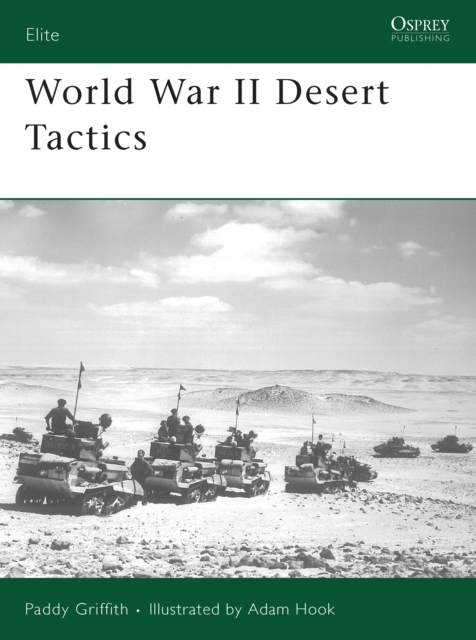
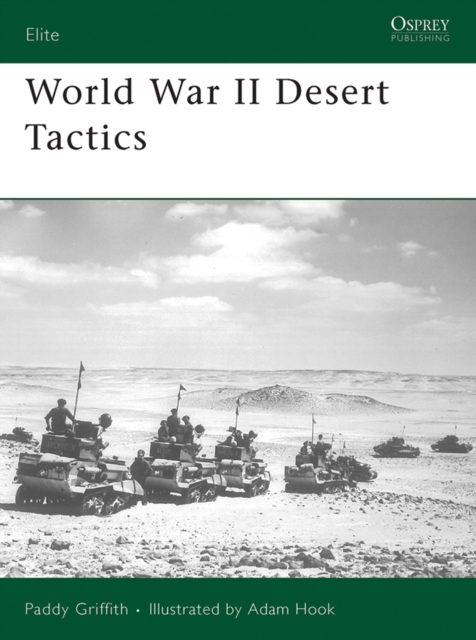
A fascinating insight into the dangers and difficulties of operating within the desert terrain From 1940 to 1943 North Africa saw the first major desert campaign by modern mechanised armies.
A fascinating insight into the dangers and difficulties of operating within the desert terrain From 1940 to 1943 North Africa saw the first major desert campaign by modern mechanised armies.
This is an intensive examination of the financial and political considerations that shaped North Carolinas public financial policy during the confederation.
The Oratorio in the classical Era is the third volume of Howard Smithers monumental History of the Oratorio, continuing his synthesis and critical appraisal of the oratorio.
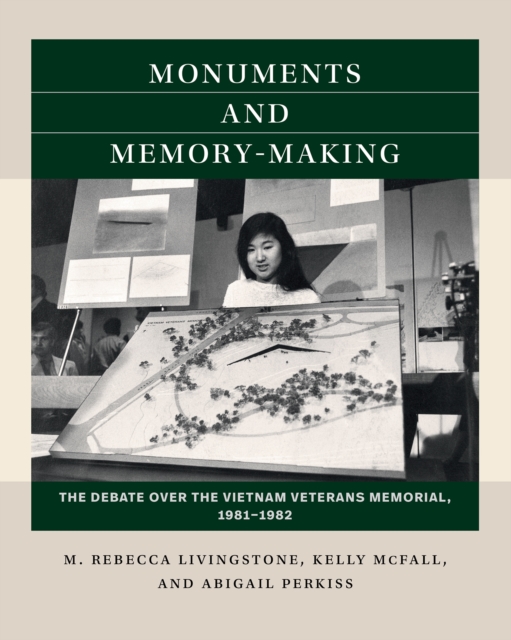
Monuments and Memory-Making immerses students in the conversations and controversies that emerged as the nation grappled with how best to memorialize what was at the time the longest military conflict in US history.
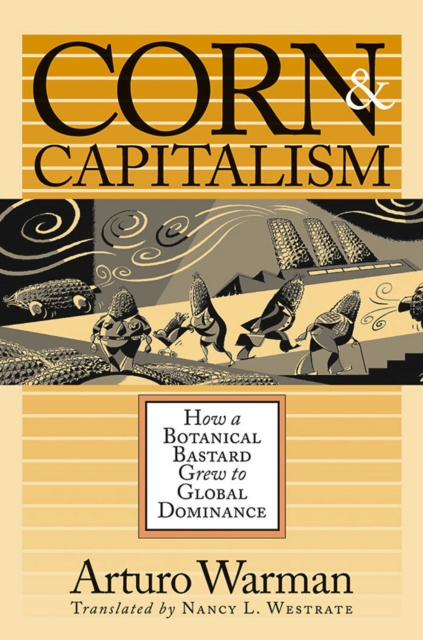
Exploring the history and importance of corn worldwide, Arturo Warman traces its development from a New World food of poor and despised peoples into a commodity that plays a major role in the modern global economy.
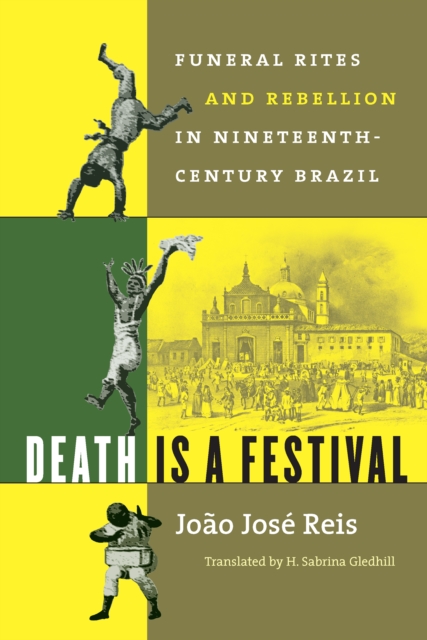
This award-winning social history of death and funeral rites during the early decades of Brazils independence from Portugal focuses on the Cemiterada movement in Salvador, capital of the province of Bahia.
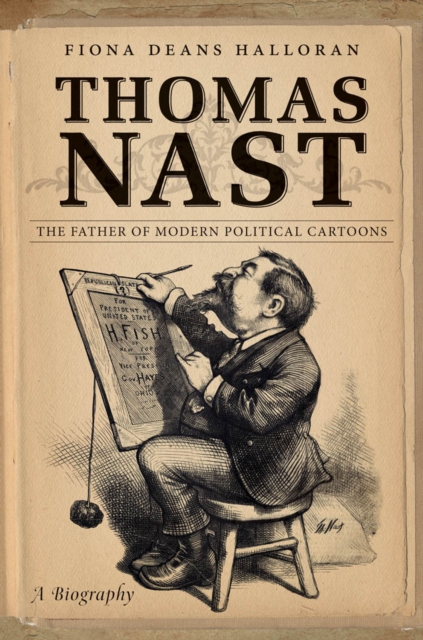
Thomas Nast (18401902), the founding father of American political cartooning, is perhaps best known for his cartoons portraying political parties as the Democratic donkey and the Republican elephant.
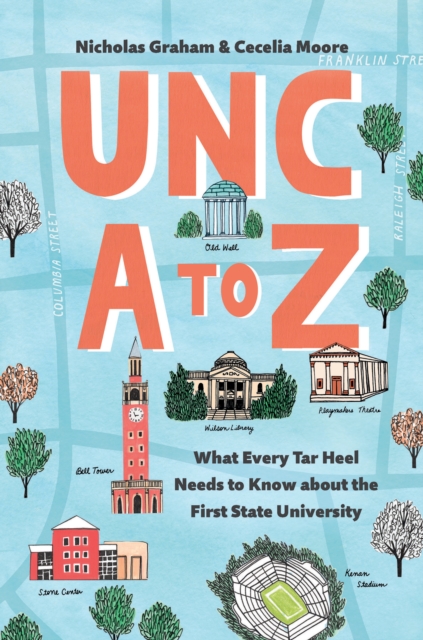
Covering everything from the Old Well to the Speaker Ban and more,UNC A to Zis a concise, easy-to-read introduction to the nations first public university, the University of North Carolina at Chapel Hill.
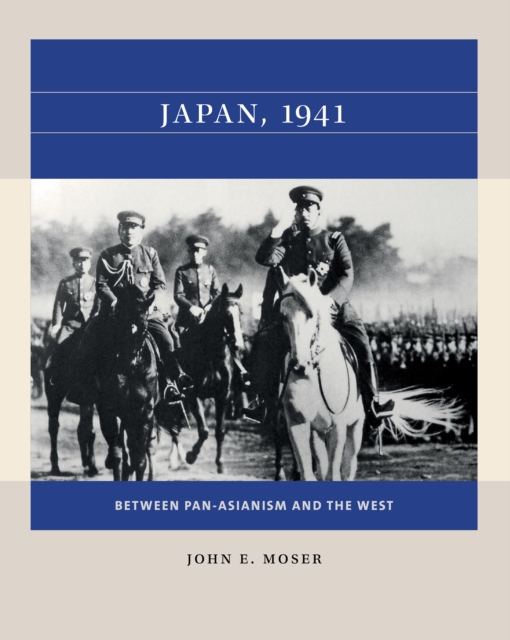
Set in Japan during the early years of World War II, this game helps students understand the political and strategic reasons behind Japan's decision to enter the war.
On a summer day in 1846 two years before the Seneca Falls convention that launched the movement for womans rights in the United States six women in rural upstate New York sat down to write a petition to their states constitutional convention, demanding equal, and civil and political rights with men.
Monuments and Memory-Making immerses students in the conversations and controversies that emerged as the nation grappled with how best to memorialize what was at the time the longest military conflict in US history.
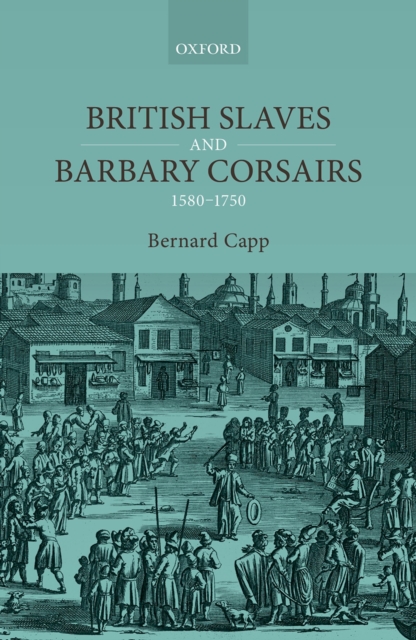
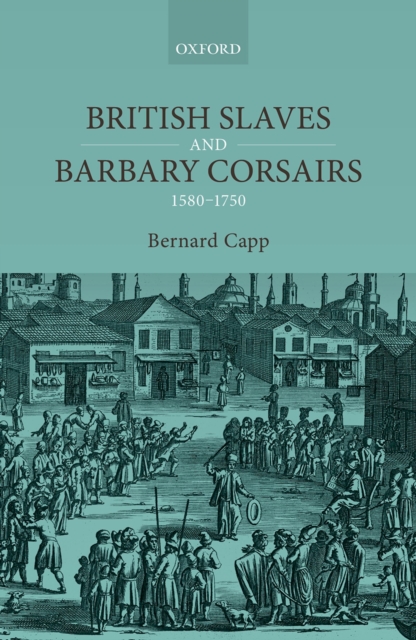
British Slaves and Barbary Corsairs is the first comprehensive study of the thousands of Britons captured and enslaved in North Africa in the early modern period, an issue of intense contemporary concern but almost wholly overlooked in modern histories of Britain.
British Slaves and Barbary Corsairs is the first comprehensive study of the thousands of Britons captured and enslaved in North Africa in the early modern period, an issue of intense contemporary concern but almost wholly overlooked in modern histories of Britain.
Covering everything from the Old Well to the Speaker Ban and more,UNC A to Zis a concise, easy-to-read introduction to the nations first public university, the University of North Carolina at Chapel Hill.
Set in Japan during the early years of World War II, this game helps students understand the political and strategic reasons behind Japan's decision to enter the war.
A manual addressed to students rather than to teachers or researchers, Oral History: An Introduction for Students is unique among the how to books in the field, adapting some of the best methods of group oral history projects to the needs of individual students.
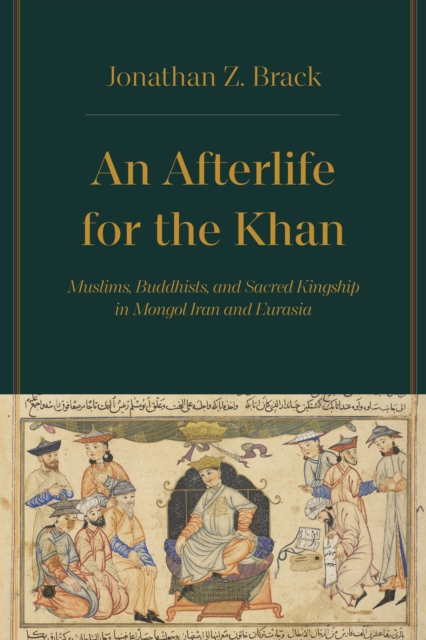
In the Mongol Empire, the interfaith court provided a contested arena for a performance of the Mongol ruler's sacred kingship, and the debate was fiercely ideological and religious.
In the Mongol Empire, the interfaith court provided a contested arena for a performance of the Mongol ruler's sacred kingship, and the debate was fiercely ideological and religious.
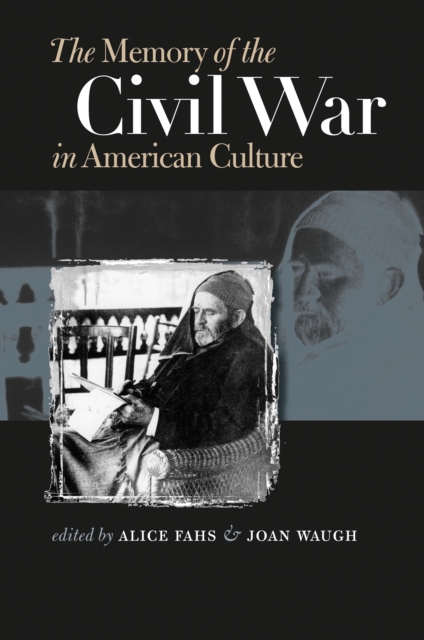
The Civil War retains a powerful hold on the American imagination, with each generation since 1865 reassessing its meaning and importance in American life.