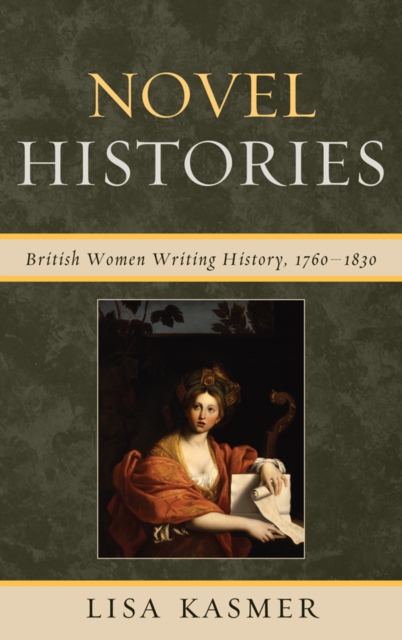
Novel Histories: British Women Writing History, 1760-1830 argues that British women's history and historical fiction in the late eighteenth and early nineteenth centuries changed not only the shape but also the political significance of women's writing.
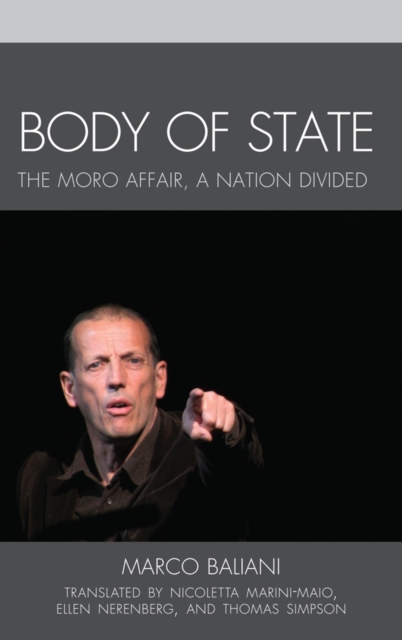
Body of State offers a translation of Marco Baliani's acclaimed dramatic monologue, Corpo di stato, concerning the 1978 kidnapping and assassination of Italian Prime Minister Aldo Moro by the terrorist Red Brigades.
A radical retelling of human history through collapse from the dawn of our species to the urgent existential threats of the twenty-first century and beyond.
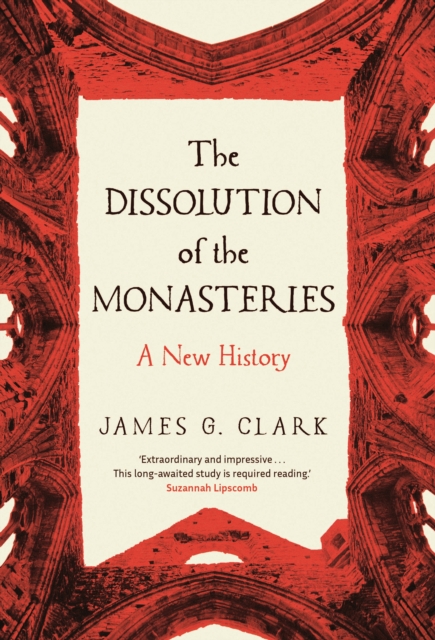
The first account of the dissolution of the monasteries for fifty years—exploring its profound impact on the people of Tudor England “This is a book about people, though, not ideas, and as a detailed account of an extraordinary human drama with a cast of thousands, it is an exceptional piece of historical writing.
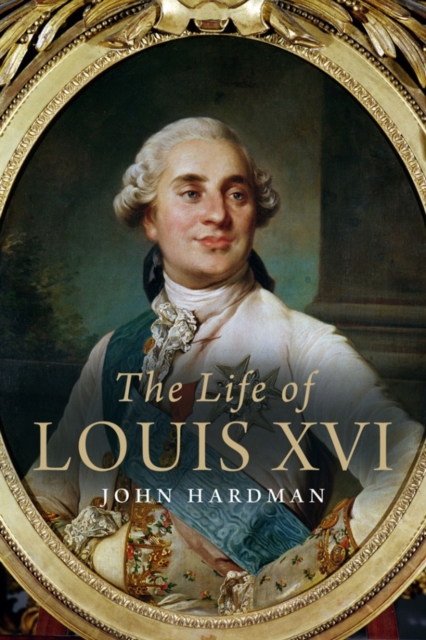
A thought-provoking, authoritative biography of one of history’s most maligned rulers: France’s Louis XVI “The definitive contribution to our understanding of Louis XVI as a man and a monarch.
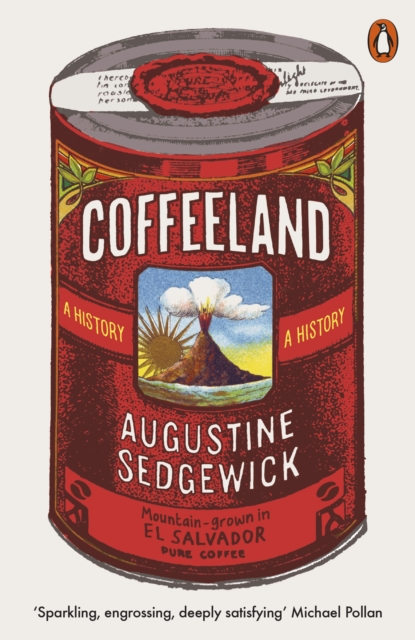
*Winner of the 2022 Cherasco International Prize*'Thoroughly engrossing' Michael Pollan, The Atlantic'Wonderful, energising' Kathryn Hughes, The GuardianCoffee is one of the most valuable commodities in the history of the global economy and the world's most popular drug.
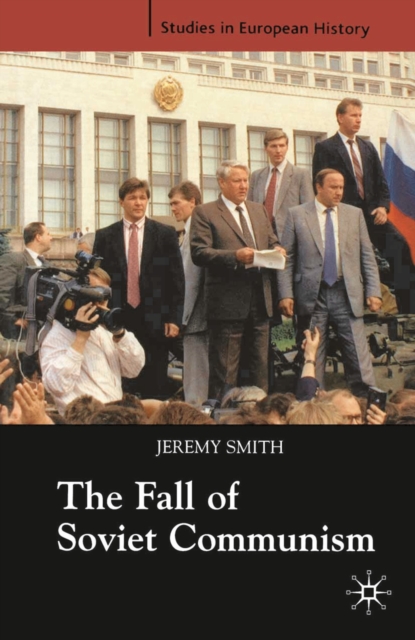
The fall of communism and the break-up of the Soviet Union into 15 independent states in December 1991 was one of the most significant events of the 20th century.
How was poverty measured and defined, and how has this influenced our judgement of the change in poverty in Britain during the first sixty years of the twentieth century?
Geistliche Lieder und Psalmen, 1567, was compiled and published by Johann Leisentrit, a Roman Catholic priest who from 1559 to the time of his death in 1586, was Dean at the Cathedral of St.
During the 1920s and 1930s, Mussolini's fascist regime attempted to promote fascist Italy's national project in Argentina, bombarding the republic with its propaganda.
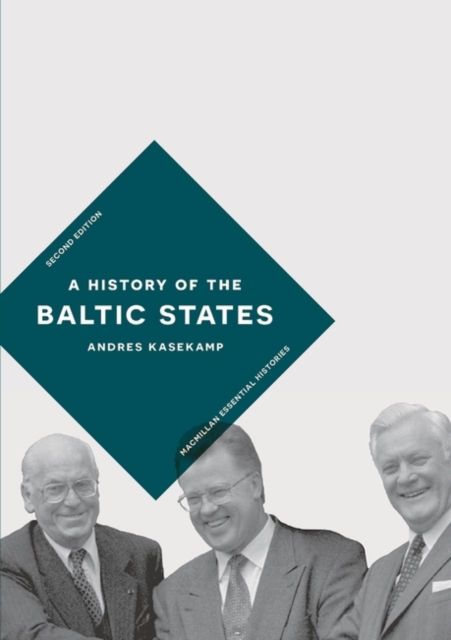
In this key textbook, Andres Kasekamp masterfully traces the development of Estonia, Latvia and Lithuania, from the northern crusades against Europe's last pagans and Lithuania's rise to become one of medieval Europe's largest states, to their incorporation into the Russian Empire and the creation of their modern national identities.
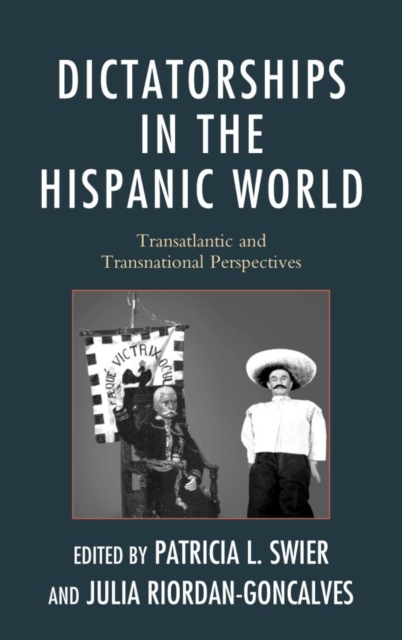
This book broaches a comparative and interdisciplinary approach in its exploration of the phenomenon of the dictatorship in the Hispanic World in the twentieth century.
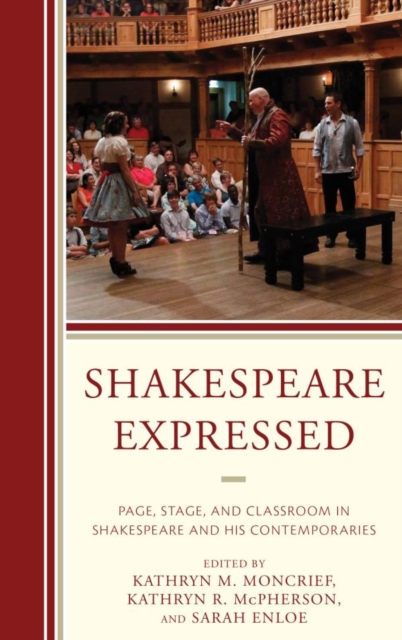
A collection of essays originally presented on the Blackfriars stage at the American Shakesepeare Center, Shakespeare Expressed brings together scholars and practitioners, often promoting ideas that can be translated into classroom experiences.
This book broaches a comparative and interdisciplinary approach in its exploration of the phenomenon of the dictatorship in the Hispanic World in the twentieth century.
During the 1920s and 1930s, Mussolini's fascist regime attempted to promote fascist Italy's national project in Argentina, bombarding the republic with its propaganda.
A collection of essays originally presented on the Blackfriars stage at the American Shakesepeare Center, Shakespeare Expressed brings together scholars and practitioners, often promoting ideas that can be translated into classroom experiences.
Since Aristotle's famous declaration that the speculative sciences originated with the emergence of a leisure class, it has been accepted as a truism that intellectual activity requires political stability and leisure in order to flourish.
Geistliche Lieder und Psalmen, 1567, was compiled and published by Johann Leisentrit, a Roman Catholic priest who from 1559 to the time of his death in 1586, was Dean at the Cathedral of St.
Since Aristotle's famous declaration that the speculative sciences originated with the emergence of a leisure class, it has been accepted as a truism that intellectual activity requires political stability and leisure in order to flourish.
In this key textbook, Andres Kasekamp masterfully traces the development of Estonia, Latvia and Lithuania, from the northern crusades against Europe's last pagans and Lithuania's rise to become one of medieval Europe's largest states, to their incorporation into the Russian Empire and the creation of their modern national identities.