The eighteenth-century bishops of the Church of England and its sister communions had immense status and authority in both secular society and the Church.
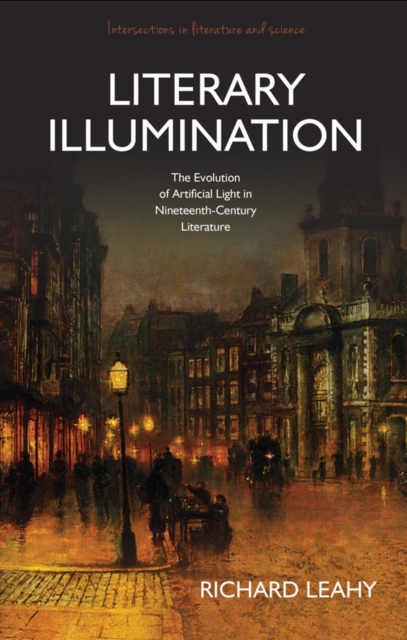
Literary Illumination examines the relationship between literature and artificial illumination, demonstrating that developments of lighting technology during the nineteenth century definitively altered the treatment of light as symbol, metaphor and textual motif.
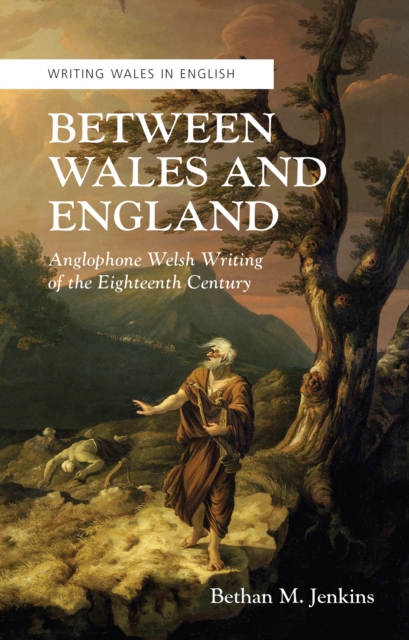
Between Wales and England is an exploration of eighteenth-century anglophone Welsh writing by authors for whom English-language literature was mostly a secondary concern.
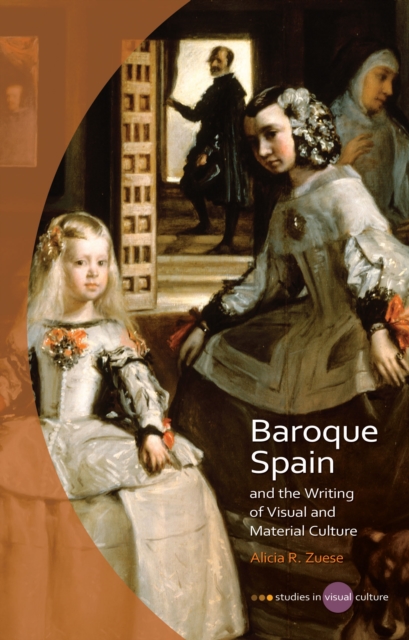
By examining the pictorial episodes in the Spanish baroque novella, this book elucidates how writers create pictorial texts, how audiences visualise their words, what consequences they exert on cognition and what actions this process inspires.
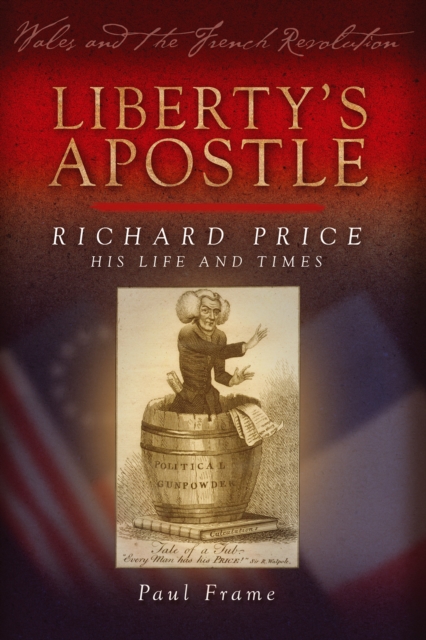
Born in the village of Llangeinor, near Bridgend in south Wales, Richard Price (1723-91) was, to his contemporaries, an apostle of liberty, an enemy to tyranny and a great benefactor of the human race.
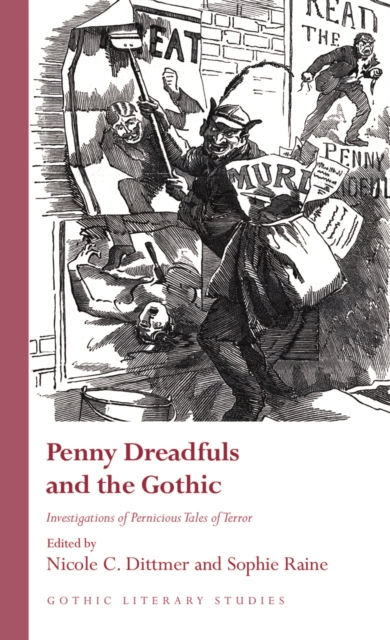
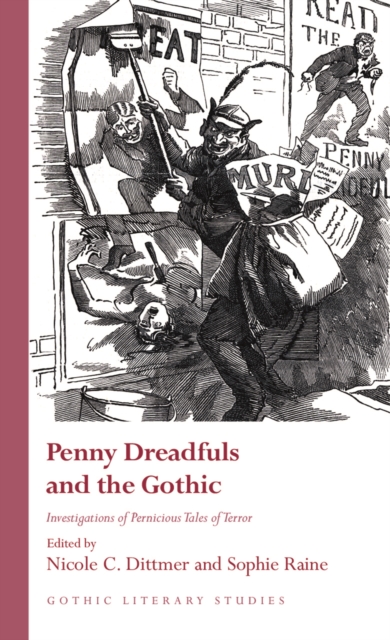
Penny Dreadfuls and the Gothic breaks new ground in uncovering penny titles which have been hitherto largely neglected from literary discourse revealing the cultural, social and literary significance of these working-class texts.
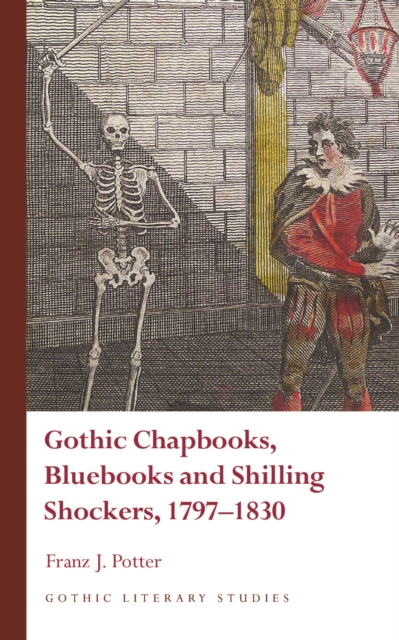
The Gothic Chapbook, Bluebook, and Shilling Shocker, 1797-1835 breaks new ground surveying the origins of the gothic chapbook, its publishers and authors, in order to conclusively establish the impact these pamphlets had on the development of the gothic genre.
Mae’r gyfrol hon yn rhoi cipolwg ar gyfoeth hanes syniadau yng Nghymru dros hanner canrif cynhyrfus rhwng diwedd y Rhyfel Byd Cyntaf a marwolaeth yr athronydd disglair J.
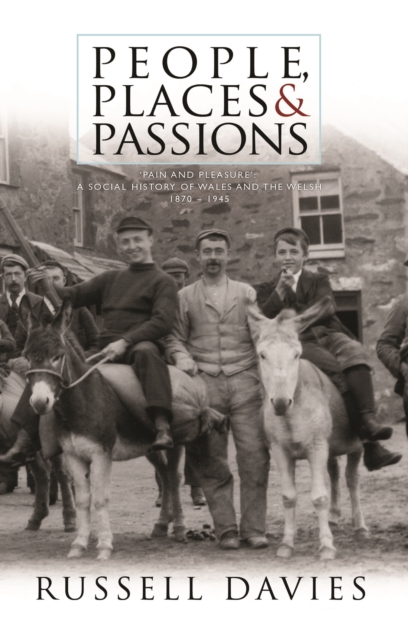
The first of two volumes on the social history of Wales in the period 1870-1948, People, Places and Passions concentrates on the social events and changes which created and forged Wales into the mid-twentieth century.
Penny Dreadfuls and the Gothic breaks new ground in uncovering penny titles which have been hitherto largely neglected from literary discourse revealing the cultural, social and literary significance of these working-class texts.
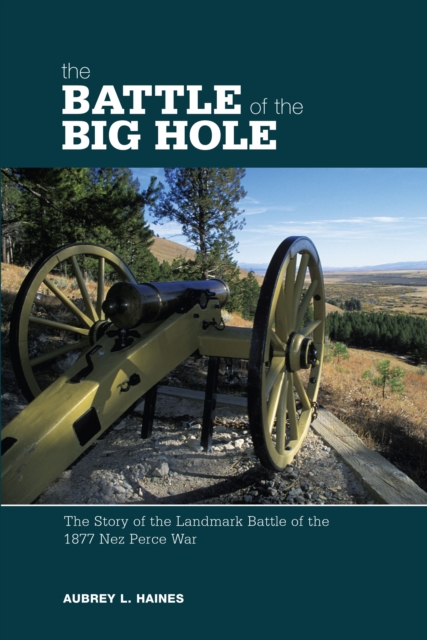
In Battle of the Big Hole, noted historian Aubrey Haines has compiled the many written and first-person accounts of this historic moment in the Indian Wars into a complete and exhaustive history of the 1877 battle.
In Battle of the Big Hole, noted historian Aubrey Haines has compiled the many written and first-person accounts of this historic moment in the Indian Wars into a complete and exhaustive history of the 1877 battle.
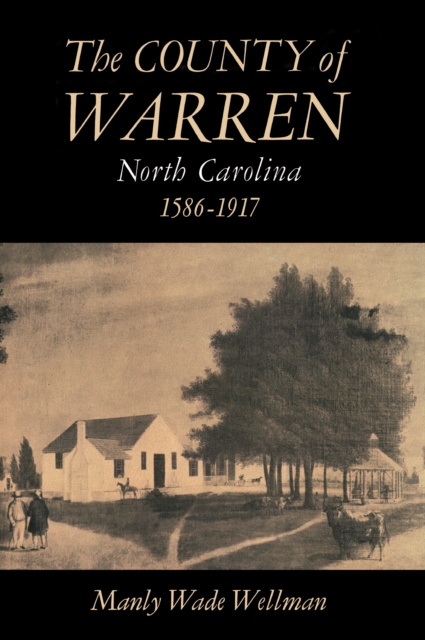
This is the story of a region at once representative and unique in the history of Southern culture, which was from its earliest colonial beginnings a focus of strength, intellect, and proud individuality.
This is the story of a region at once representative and unique in the history of Southern culture, which was from its earliest colonial beginnings a focus of strength, intellect, and proud individuality.
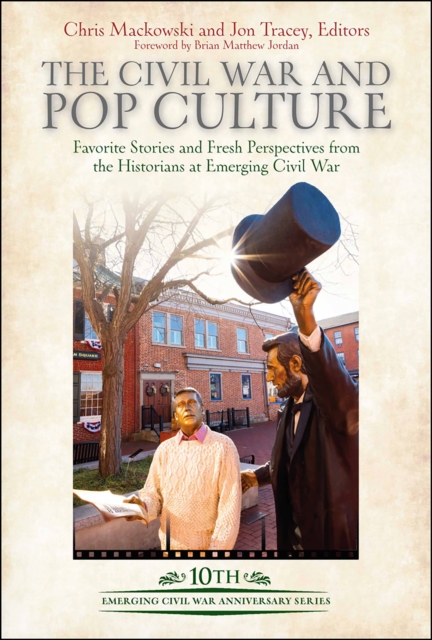
Explore the enduring fascination of the Civil War through thought-provoking essays from the esteemed "e;Emerging Civil War"e; series to gain better understanding of the complex relationship between history and art in shaping our understanding of the war.
'Alwyn Turner is the master of funny, engaging social history' Sunday TimesA Times Best Paperback of 2025'For sheer entertainment, this rollicking account of Britain before the Great War is hard to beat, brimming as it is with swindlers, murderers and charlatans, imperialist fantasies and saucy innuendos' 'History Books of the Year', The Times'The very best sort of panoramic portrait' David KynastonWhen Queen Victoria died in 1901 it was the end of an era.
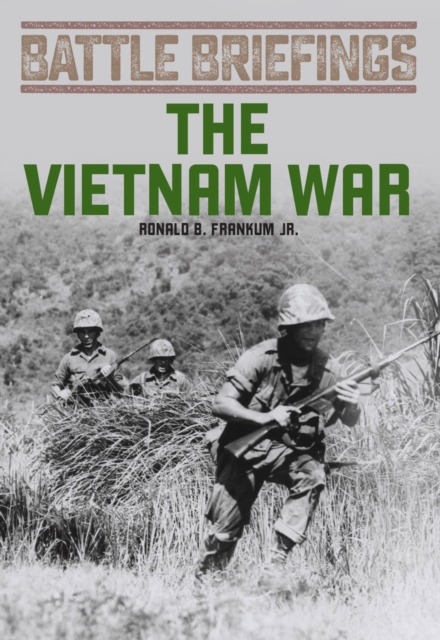
The latest entry in Stackpole's Battle Briefings Series covers the Vietnam War, from its roots in the French war through the evacuation of the embassy.
The latest entry in Stackpole's Battle Briefings Series covers the Vietnam War, from its roots in the French war through the evacuation of the embassy.
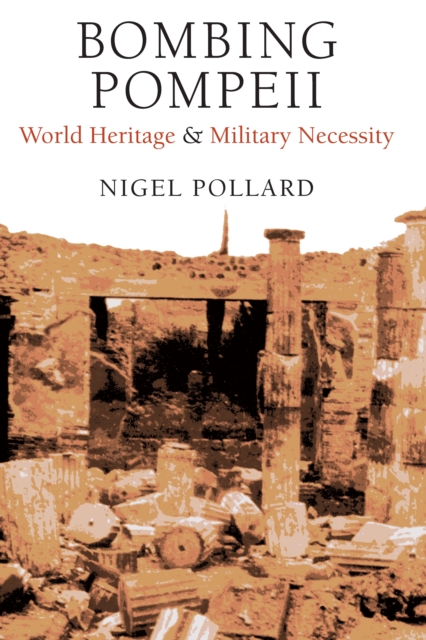
Bombing Pompeii examines the circumstances under which over 160 Allied bombs hit the archaeological site of Pompeii in August and September 1943, and the wider significance of this event in the history of efforts to protect cultural heritage in conflict zones, a broader issue which is still of great importance.
Bombing Pompeii examines the circumstances under which over 160 Allied bombs hit the archaeological site of Pompeii in August and September 1943, and the wider significance of this event in the history of efforts to protect cultural heritage in conflict zones, a broader issue which is still of great importance.