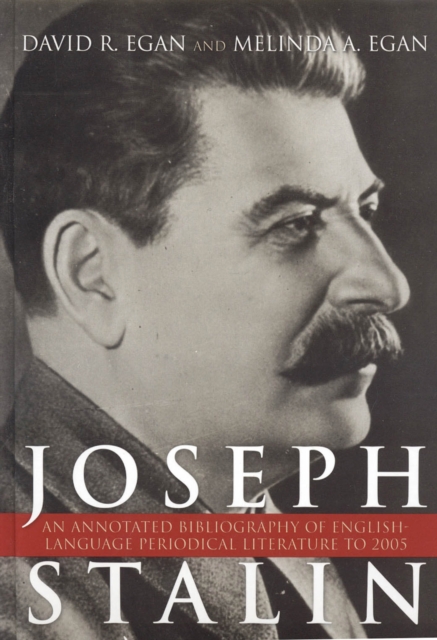
With the opening of Russian and communist-bloc archives dating from the Soviet-era, there has been a significant increase of scholarly writings pertaining to Joseph Stalin.
History is full of surprises, but rarely has there been a turnaround as unexpected, and momentous as what occurred to a formative Russia during the medieval period.
This resource strategically traces Greek warfare from 720 to 30 BC and its specific and extensive details-the wars, the troops, the armor, the military tactics, and other factors either affecting or affected by the wars.
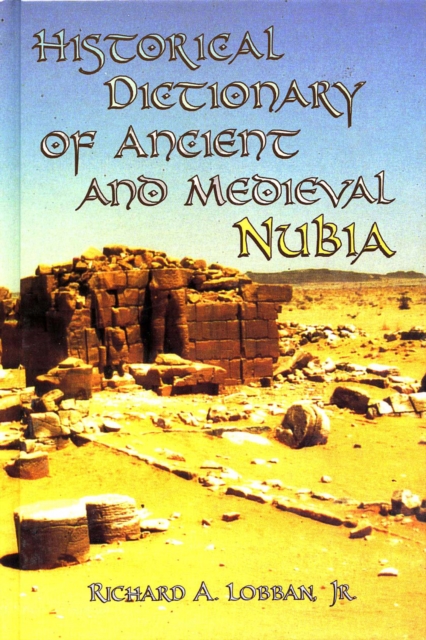
The Historical Dictionary of Ancient and Medieval Nubia covers the period from the Paleolithic, all the periods of ancient Nubia (Predynastic, Kerma, Dynasty XXV, Napatan, Meroitic, Post-Meroitic) and to the end of medieval Christianity in Nubia (Sudan).
Both traditions recognize and draw theological and historical lessons from some of the same narrative sources, but this is the first comparative resource to provide interdisciplinary coverage of the history and textual sources associated with prophets and prophecy.
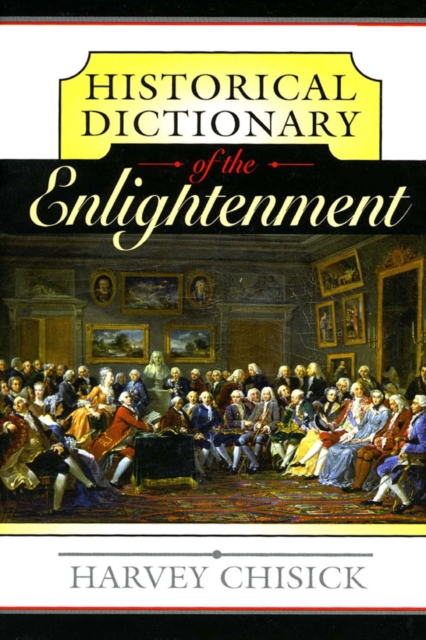
The Enlightenment Movement changed society forever, driving it forward through new and fresh ways of thinking about science, religion, history, politics, and culture.
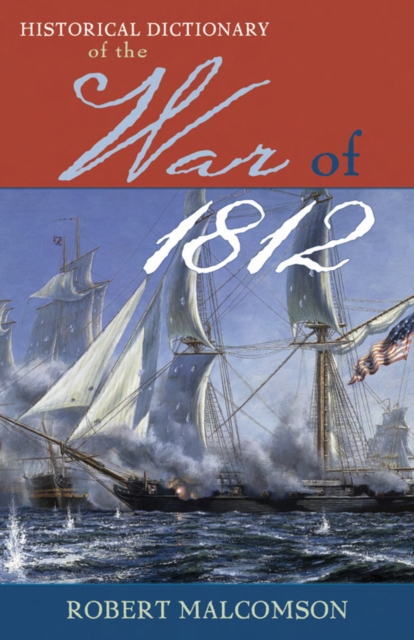
The War of 1812 was an extremely complicated war motivated by British seizures of American vessels and goods, American desire to expand into Canada, and impressment of American sailors into the British Navy.
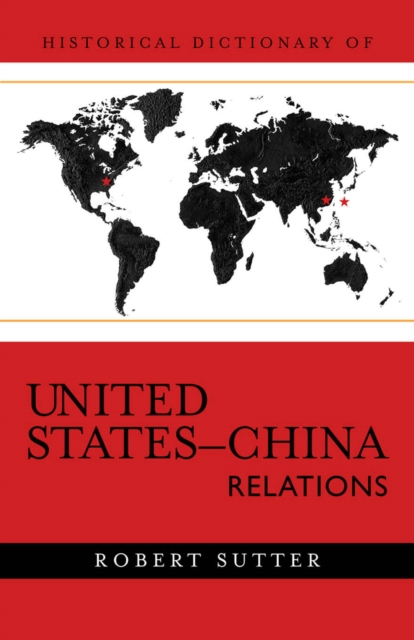
The relationship between the United States of America and the People's Republic of China is traced in this dictionary containing hundreds of cross-referenced entries on the presidents and prime ministers, the secretaries of state and foreign ministers, other key players, and the more significant institutions and events.
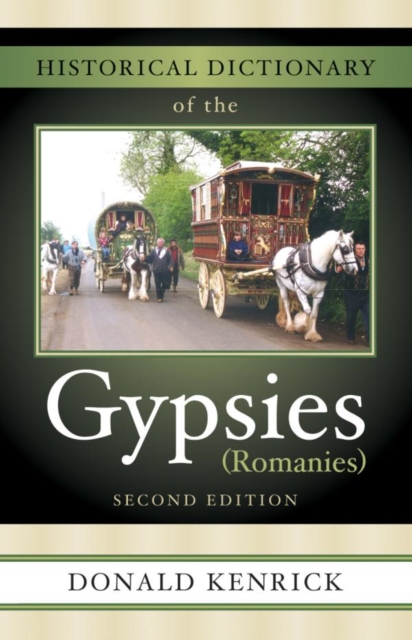
Originating in India, the Gypsies arrived in Europe around the 14th century, spreading not only across the entirety of the continent but also immigrating to the Americas.
In the years immediately following World War II, information was disclosed about what has been termed the shadow war of the existence of hitherto secret agencies.
Southeast Asia consists of the countries of Brunei, Burma, Cambodia, East Timor, Indonesia, Laos, Malaysia, the Philippines, Singapore, Thailand, and Vietnam.
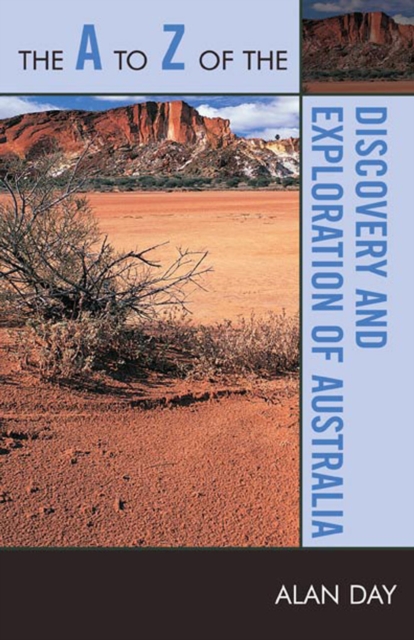
This engaging reference examines the history of, the search for, and the discovery of Australia, taking full account of the evidence for and the speculation surrounding possible earlier contacts by the Ancient Egyptians, Arabs, and Chinese seamen.
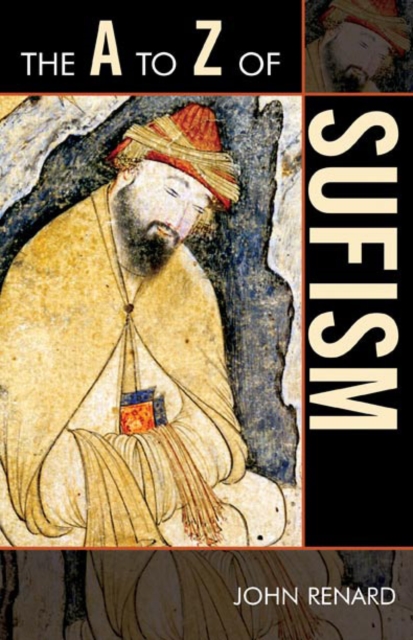
With more than 3,000 entries and cross-references on the history, main figures, institutions, theory, and literary works associated with Islam's mystical tradition, Sufism, this dictionary brings together in one volume, extensive historical information that helps put contemporary events into a historical context.
Founder and Global Senior Pastor of Hillsong Church and author of LIVE LOVE LEAD shows how, with God's power, you can believe and achieve a life that exceeds every earthly expectation.
This volume examines significant individuals and developments in American political, economic, social, and cultural history between the years 1913 and 1933.
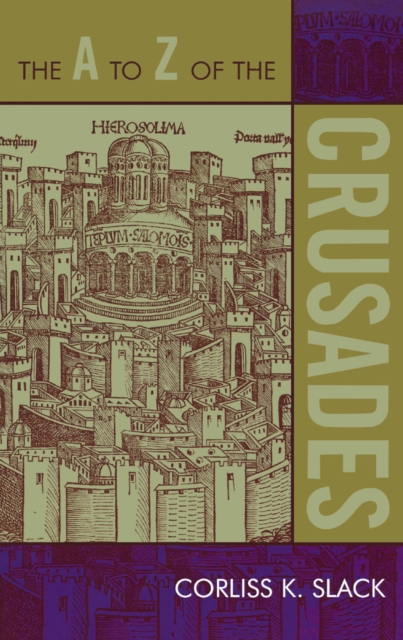
During the late 11th through the early 14th centuries at least seven major expeditions were made between Western Europe and the Holy Land with the goal of ending Muslim control of Jerusalem.
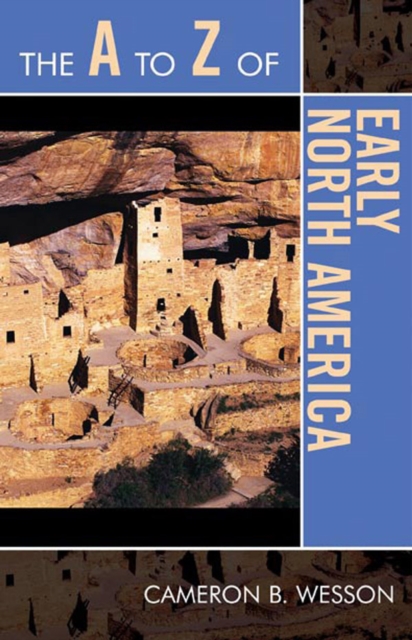
Those unfamiliar with the prehistory of North America have a general perception of the cultures of the continent that includes Native Americans living in tipis, wearing feathered headdresses and buckskin clothing, and following migratory bison herds on the Great Plains.
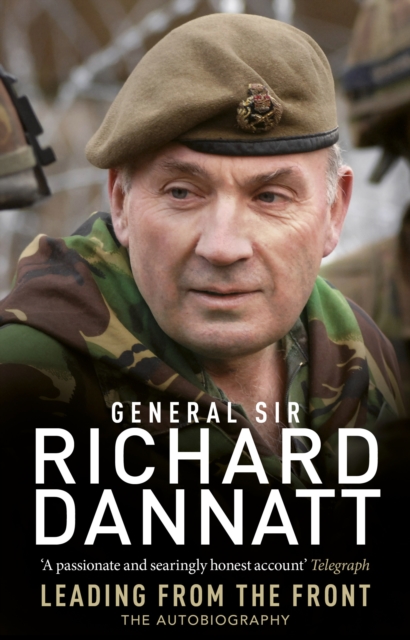
General Sir Richard Dannatt's distinguished career in the army has spanned thirty-eight years and seen him serve in many different theatres of conflict, from Northern Ireland (where he was awarded the Military Cross) to Bosnia and Kosovo, Iraq and Afghanistan.
Award-winning historian Mary Beth Norton reexamines the Salem witch trials in thisstartlingly original, meticulously researched, and utterly riveting study.
This lively synthesis of global history since the end of World War II offers a gripping account of an interdependent world and the challenges facing individuals in the 21st century.
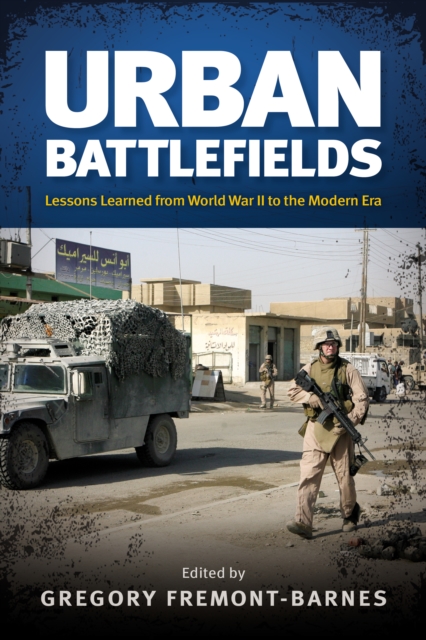
Urban Battlefields: Lessons Learned from World War II to the Modern Eraoffers a detailed study of the complexities of urban operations, demonstrating through historical conflicts their key features, the various weapons and tactics employed by both sides, and the factors that contributed to success or failure.
A full understanding of the historical process must include studies of the social and economic conditions of societies as well as biographies of the people on which a clear understanding of history is based-but not just the "e;great"e; people.
The death by famine of tens of millions of human beings in Asia and Africa during the Victorian era (1837-1901) is "e;the secret history of the nineteenth century"e; about which Western history books contain nothing.