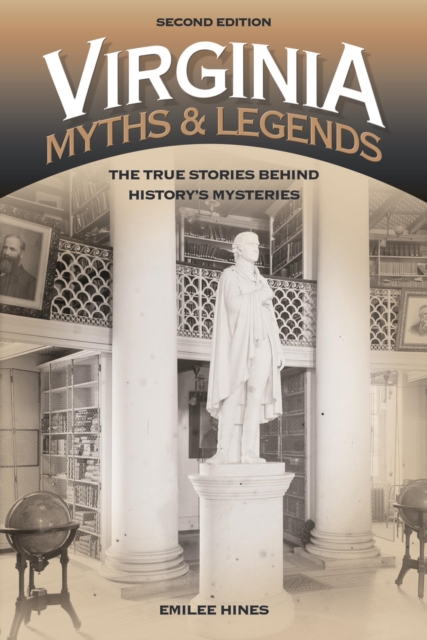
Part of our new and growing Mysteries and Legends series, Mysteries and Legends ofVirginia explores unusual phenomena, strange events, and mysteries in Virginia's history.
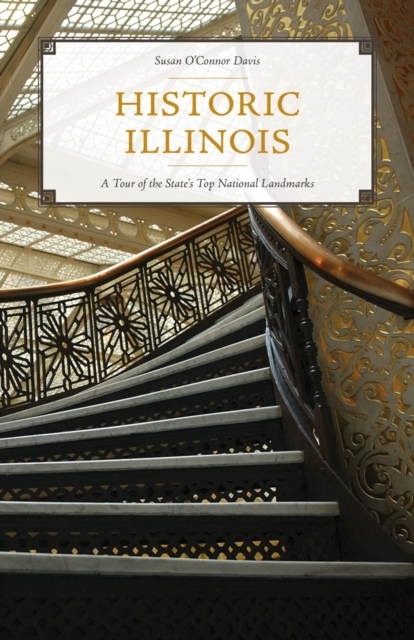
Historic Illinois: A Tour of the State's Top National Landmarks is a carefully curated travel guide, written by a local historian, featuring the most intriguing and significant of the states nationally recognized historic landmarks.
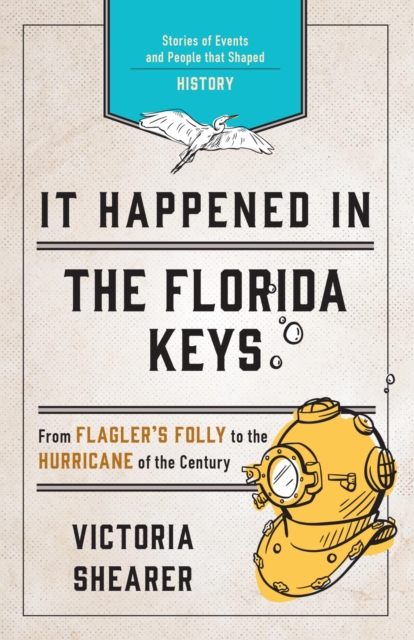
From the wreck of the USS Alligator to the mystery of the marooned dolphins, It Happened in the Florida Keys looks at intriguing people and episodes from the history of this island chain.
Historic Illinois: A Tour of the State's Top National Landmarks is a carefully curated travel guide, written by a local historian, featuring the most intriguing and significant of the states nationally recognized historic landmarks.
Part of our new and growing Mysteries and Legends series, Mysteries and Legends ofVirginia explores unusual phenomena, strange events, and mysteries in Virginia's history.
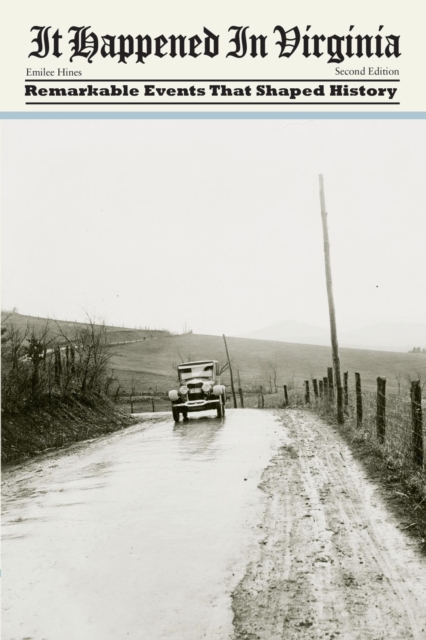
A fascinating collection of thirty-five compelling stories about events that shaped Old Dominion, It Happened in Virginia describes everything from the invention of America's original instrument, the banjo, to how Stonewall Jackson acquired his nickname.
From the wreck of the USS Alligator to the mystery of the marooned dolphins, It Happened in the Florida Keys looks at intriguing people and episodes from the history of this island chain.
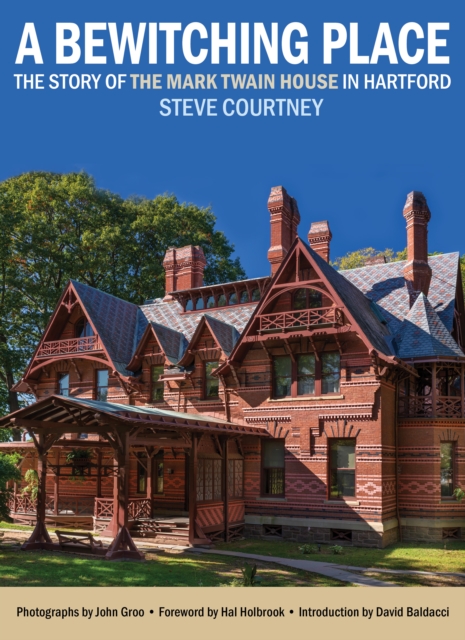
A Bewitching Place: The Story of the Mark Twain House in Hartford is the official guide to The Mark Twain House & Museum, an institution dedicated to preserving the authors home, literary legacy, and life story.
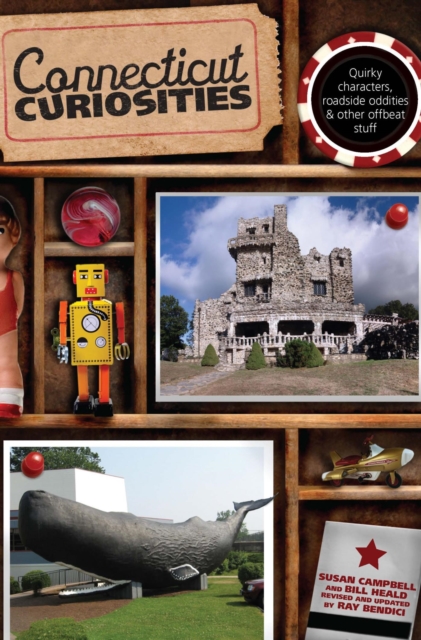
Connecticut Curiosities, 3rd Editionis part of a GPP homegrown series of state-specific books that describe, with humor and affectionand a healthy dose of attitudethe oddest, quirkiest, and most outlandish places, personalities, events, and phenomena found within the state's borders and in the chronicles of its history.
A Bewitching Place: The Story of the Mark Twain House in Hartford is the official guide to The Mark Twain House & Museum, an institution dedicated to preserving the authors home, literary legacy, and life story.
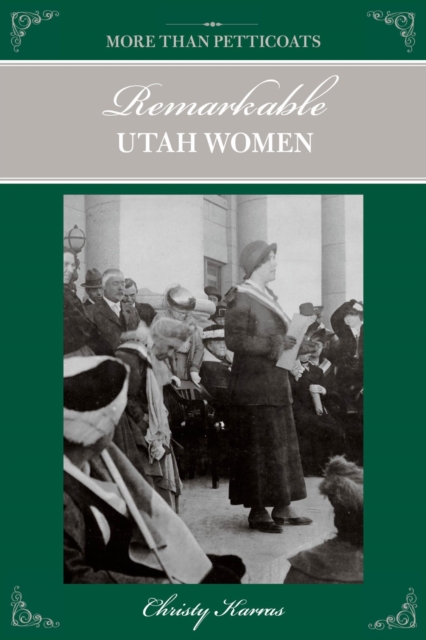
Utah offers a paradox in women's historya state founded by polygamists who offered women early suffrage and encouraged career education in the nineteenth century.
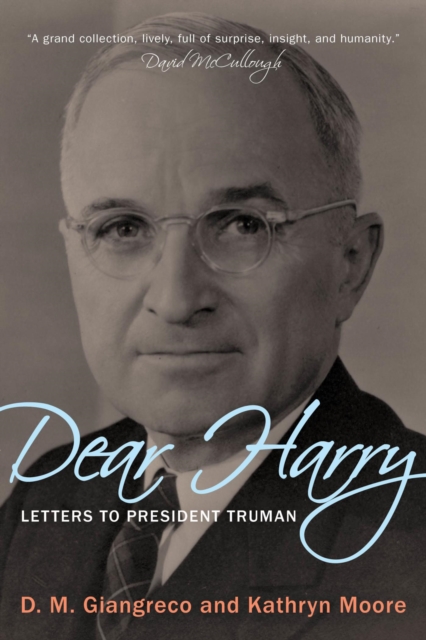
Americans are not shy about letting politicians know what's on their minds, and, in Harry Truman, they believed that they had a president they could level with.
The definitive collection of Georgia's odd, wacky, and most offbeat people, places, and things, for Georgia residents and anyone else who enjoys local humor and trivia with a twist.
Triple Award Winner, including Silver Nautilus Book Award and Independent Publisher Bronze Medal for Memoir, and Next Generation Book Award Finalist for SpiritualityTo the chagrin of her parents, Polish Jews who survived the Holocaust, the author became a Buddhist at 19, nearly tearing her family apart.
Utah offers a paradox in women's historya state founded by polygamists who offered women early suffrage and encouraged career education in the nineteenth century.
Is it possible that the woman who raised Abraham Lincoln was actually his half-sister, and that the man he knew as his grandfather had conducted a scandalous affair with a servant girl?
Connecticut Curiosities, 3rd Editionis part of a GPP homegrown series of state-specific books that describe, with humor and affectionand a healthy dose of attitudethe oddest, quirkiest, and most outlandish places, personalities, events, and phenomena found within the state's borders and in the chronicles of its history.