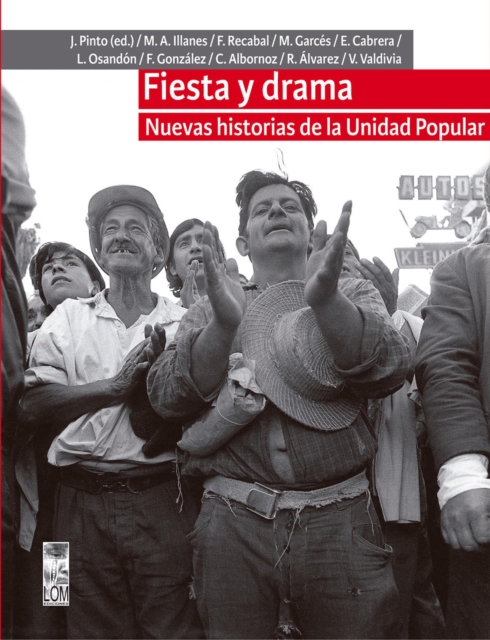
Siete estudios originales abordan aspectos emblematicos de los mil dias de la Unidad Popular, e intentan recuperar el contrapunto entre fiesta y drama que tan profundamente marco el proyecto liderado por Salvador Allende.
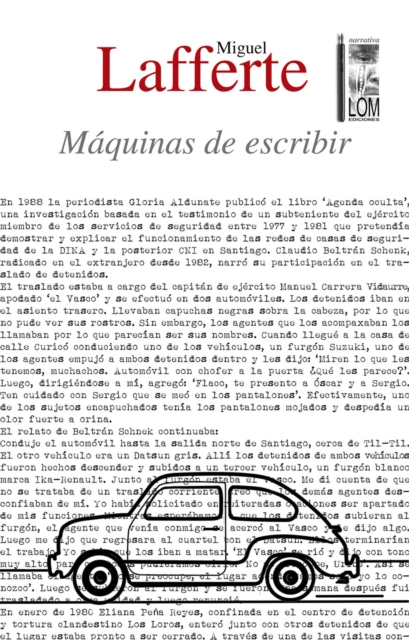
Lafferte nos presenta aquí su primera novela, un relato rico en imágenes y plasticidad narrativa, tejido de intrigas y crímenes en un período de la historia nacional, la dictadura militar, recreado ahora desde un presente que sale a la caza de un trozo de verdad y una oportunidad de liberación de aquel pasado.
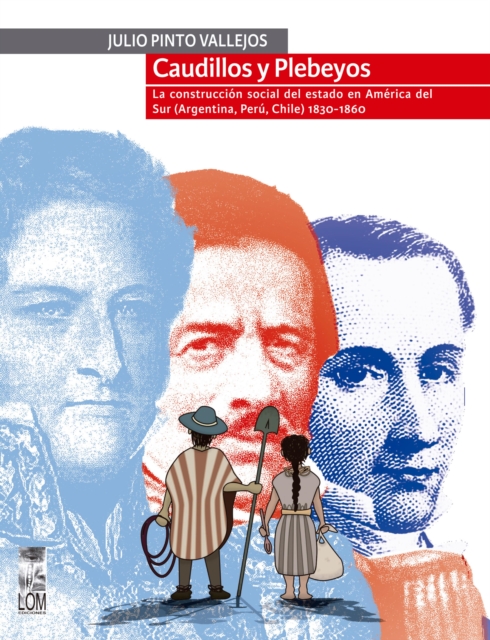
En el proceso de independencia que libraron las antiguas colonias espanolas, los sectores populares no estuvieron ausentes, como se ha visto o pensado.
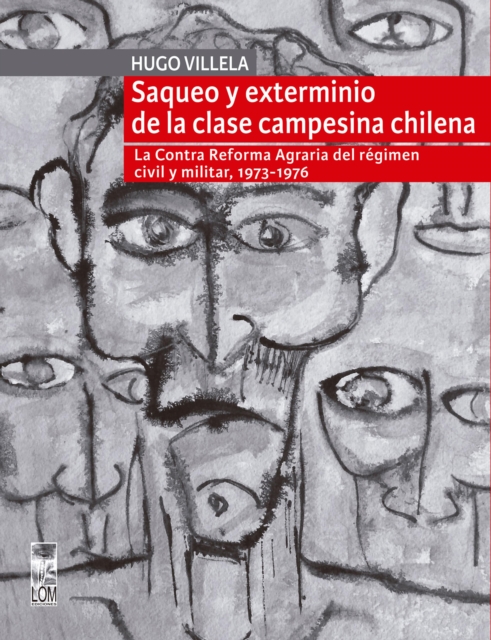
Este libro estudia el proceso de Contra Reforma Agraria que se llevo a cabo entre los anos 1973 y 1976, el que devuelve los predios expropiados a sus antiguos propietarios y revoca los acuerdos de expropiacion.
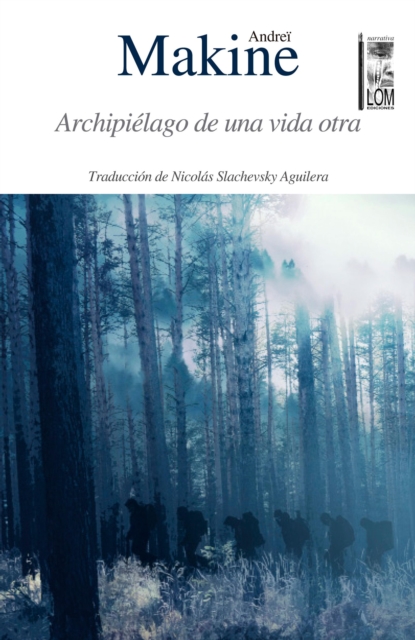
La taiga siberiana se convierte en escenario de aventuras y encuentros, donde lo mejor y lo peor del humano han de ponerse a prueba ante las convulsiones de la historia y la presion de los regimenes totalitarios.
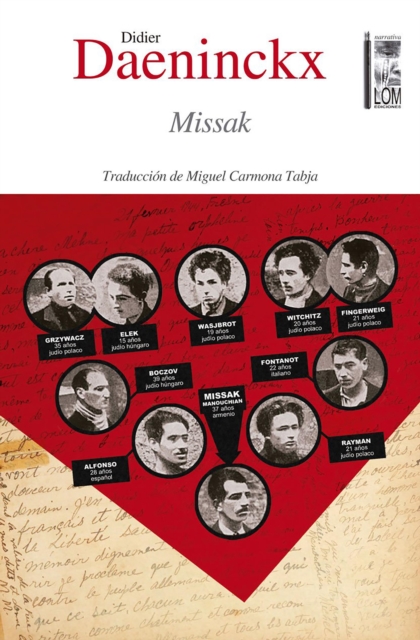
La resistencia francesa contra la ocupacion nazi convoco a partisanos de diversos grupos, predominando socialistas, comunistas, judios e inmigrantes antifascistas de distintas nacionalidades.
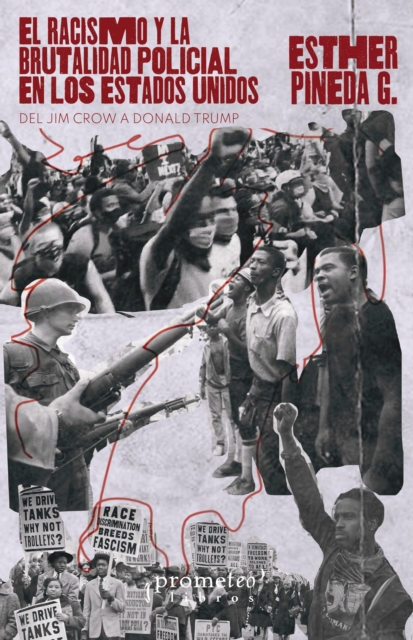
Luego de que los Estados Unidos aboliera la esclavitud, el racismo en ese país se caracterizó por su manifestación explícita, formal y segregacionista, llegando a ser legalizado e institucionalizado; sin embargo, tras la aprobación de la Ley de Derechos Civiles, en 1964, se utilizaron nuevos mecanismos para mantener la dominación social sobre la población afroamericana: prejuicios, confinamiento en guetos, minimización de oportunidades laborales, precarización de sus condiciones de vida, criminalización, encarcelamiento masivo y brutalidad policial.
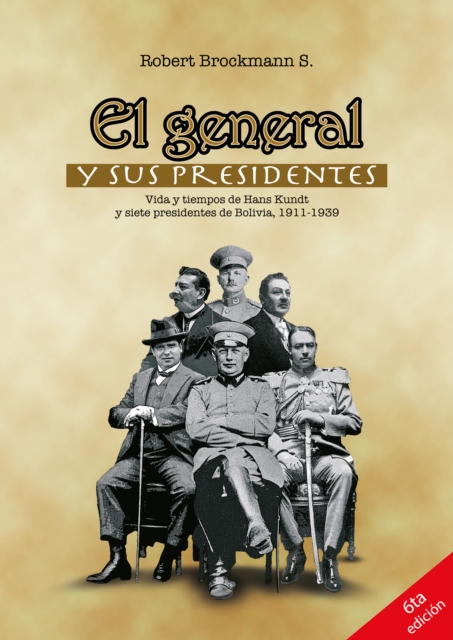
La historia boliviana est� llena de generalidades acerca de Hans Kundt, el militar alem�n que reform� y condujo el Ej�rcito boliviano en el primer tercio del siglo XX.
Las publicaciones que el Foro de Ciencia y Tecnología para la Producción ha editado desde su creación siempre tuvieron eje en la actividad de vinculación tecnológica, con el fin de fortalecer al sistema nacional de innovación, integrado por las entidades de ciencia y tecnología, las empresas y el Estado.
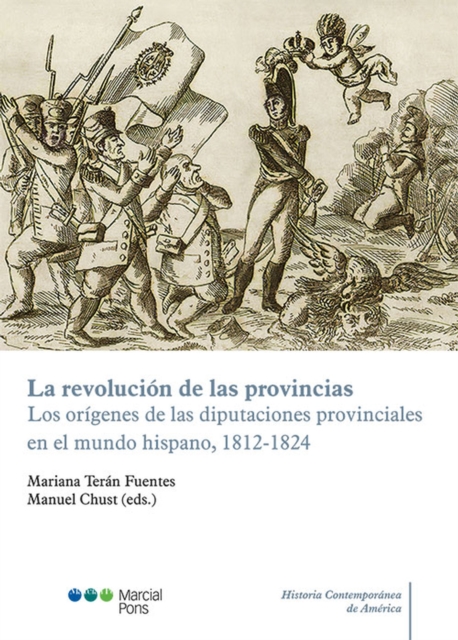
El diputado novohispano Miguel Ramos Arizpe fue quien diseñó la propuesta para la creación de las diputaciones provinciales en el marco de la Constitución de 1812.
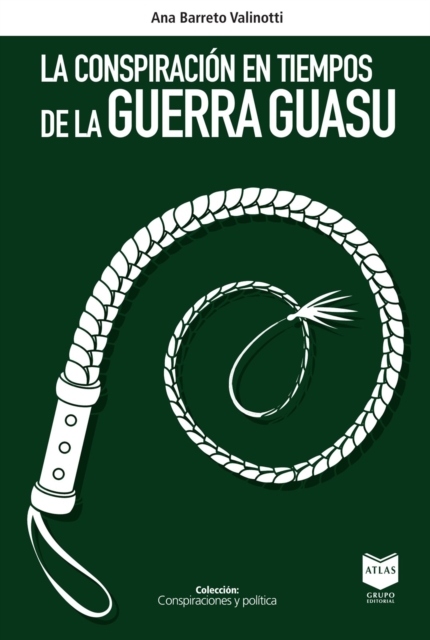
Este libro escrito por la historiadora Ana Barreto trata sobre la conspiración que fue descubierta por el Gobierno del mariscal Francisco Solano López a mediados de 1868, que conmocionó al mando gubernamental paraguayo que se encontraba librando una guerra desde 1864 contra Brasil, Argentina y Uruguay.
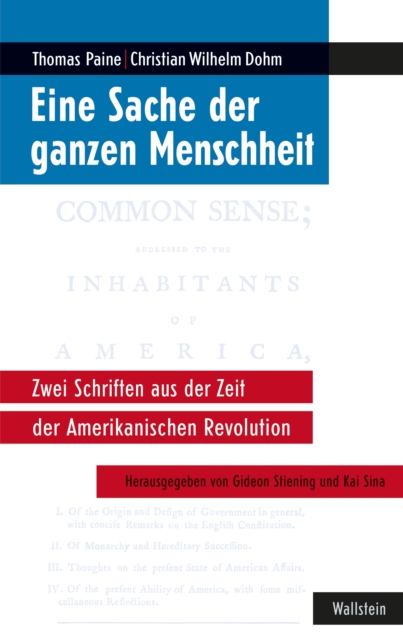
Thomas Paines leidenschaftliche Flugschrift »Common Sense« forderte einen Rechts- und Verfassungsstaat sowie Demokratie und Freiheit für die britischen Kolonien.
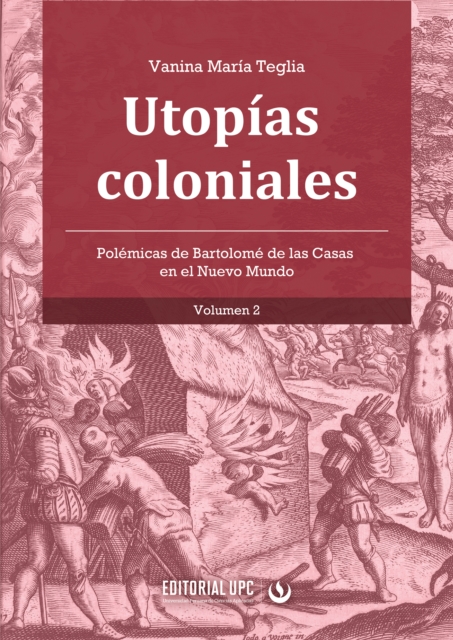
Este segundo volumen explora las controversias en torno a las utopías coloniales en América y se enfoca en los escritos de fray Bartolomé de las Casas, conocido como el defensor de los indios.
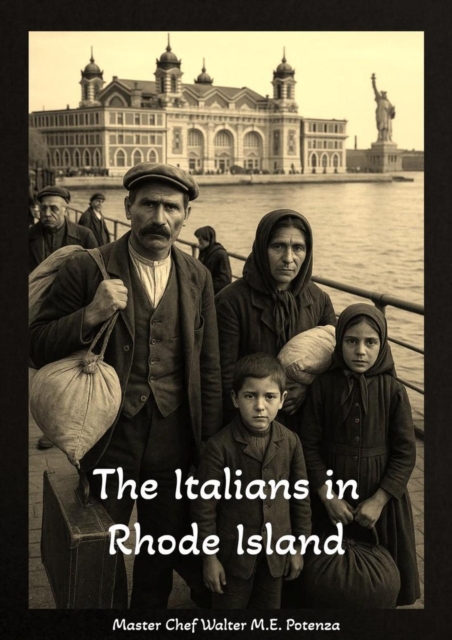
The Italians in Rhode Island: Story of immigration, integration, and assimilation into the fabric of Rhode Island's communities, business, and social relevance.
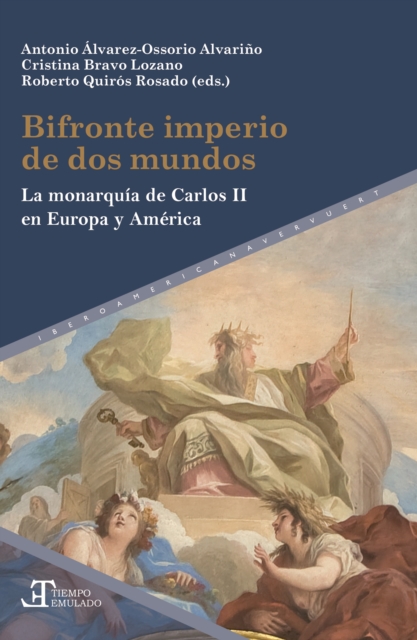
El presente volumen colectivo analiza los horizontes del gobierno de Carlos II en cada uno de los territorios que integraron la monarquía de España en Europa y América, así como en sus dominios africanos, asiáticos y oceánicos.
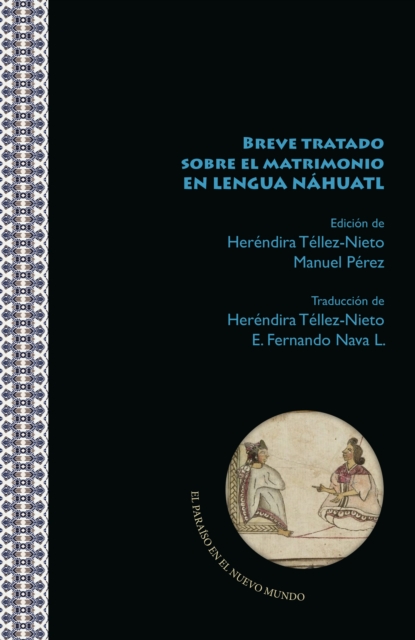
El Breve tratado sobre el matrimonio constituye una contribución significativa al acervo documental sobre la evangelización y las prácticas matrimoniales en la Nueva España del siglo XVI.
La historia de la posguerra y el periodo de reconstrucción encierra muchas de las características políticas de larga duración y refleja las dificultades que encontró el Paraguay para rehacerse como país tras la debacle de la Triple Alianza.
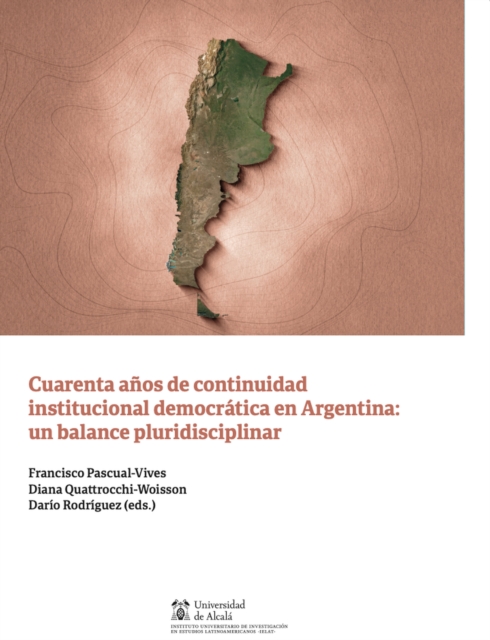
Transcurridos cuarenta años desde el regreso de la democracia, Argentina se enfrenta en nuestros días a numerosos interrogantes: ¿cuáles son los principales desafíos para la democracia?
European arrival in the Americas initiated catastrophic demographic collapse, violent conquest, and the establishment of colonial systems that fundamentally reshaped three continents.
** THE INSTANT NEW YORK TIMES BESTSELLER **All We Say is the story of the United States through fifteen speeches some iconic, others long forgotten, all pivotal from its founding to the intense divisions of our times, from one of President Obama's former speechwriters.
AN INSTANT NEW YORK TIMES BESTSELLERFrom New York Times Bestselling author Scott Galloway comes an urgent examination of the future of America and the reasons behind its current social and economic crisisIn Adrift, Scott Galloway looks from the past to the present - from 1945 to the 2020s - to reveal how America has reached its current state of political, social and economic crisis.
Born into slavery and denied even the certainty of his own birthday, Frederick Douglass rose to become one of the most powerful voices of the 19th century.
The Needle & The ShadowA lobotomist's war, a doctor's betrayal, and the dark legacy of american psychiatryThere are rooms in American history that were never meant to be seen.