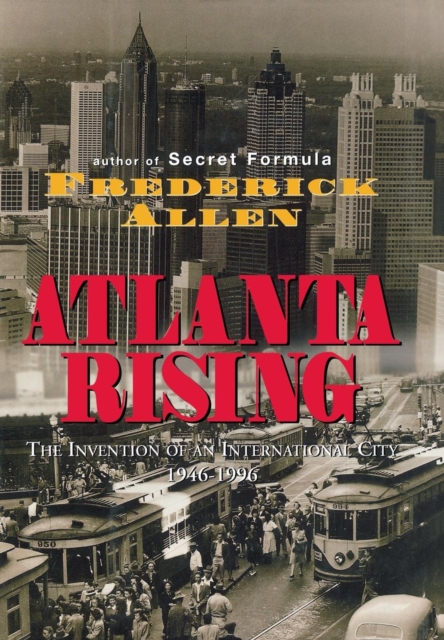
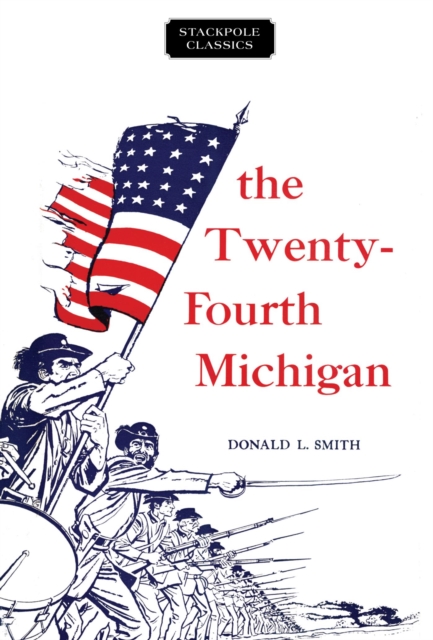
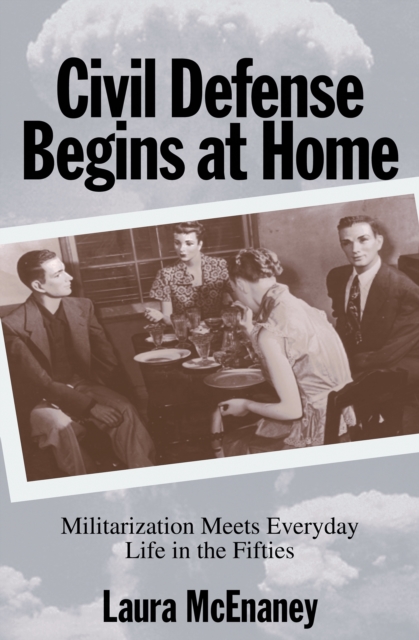
The text begins with a comprehensive theory of cuisine in the introduction and moves to the parallel culinary histories of Italy, Mexico, and China: the independent domestication of crops in each, the social, political, and technological developments that gave rise to each cuisine, and cooking in both professional and home settings.
A fascinating look at how coffee tied the economic future of the early United States to the wider Atlantic worldCoffee is among the most common goods traded and consumed worldwide, and so omnipresent its popularity is often taken for granted.
Occurring in a time of primitive medicine and inconsistent record-keeping, Poe's death has become one of the enduring mysteries of American literature.
James Weldon Johnson (1871-1938) exemplified the ideal of the American public intellectual as a writer, educator, songwriter, diplomat, key figure of the Harlem Renaissance, and first African American executive of the NAACP.
Modern Cronies traces how various industrialists, thrown together by the effects of the southern gold rush, shaped the development of the southeastern United States.
Lockheed has been one of American's largest corporations and most important defense contractors from World War II to the present day (since 1995 as part of Lockheed Martin Aeronautics Company).
Hospitality as a cultural trait has been associated with the South for well over two centuries, but the origins of this association and the reasons for its perseverance of-ten seem unclear.
Growing Up America brings together new scholarship that considers the role of children and teenagers in shaping American political life during the decades following the Second World War.
There is clear overlap in interests and influences for the fields of Atlantic, environmental, and southern history, but scholarship in them has often advanced on parallel tracks.
With a fresh interpretation of African American resistance to kidnapping and pre-Civil War political culture, Blind No More sheds new light on the coming of the Civil War by focusing on a neglected truism: the antebellum free states experienced a dramatic ideological shift that questioned the value of the Union.
Fighting to Preserve a Nation's Soul examines the relationship between religion, race, and the War on Poverty that President Lyndon Johnson initiated in 1964 and that continues into the present.
In The Politics of White Rights, Joseph Bagley recounts the history of school desegregation litigation in Alabama, focusing on the malleability and durability of white resistance.
Beyond the Mountains explores the ways in which Appalachia often served as a laboratory for the exploration and practice of American conceptions of nature.
Over the long nineteenth century, African-descended peoples used the uncertainties and possibilities of emancipation to stake claims to freedom, equality, and citizenship.
Following in the tradition of the Southern Women series, Arkansas Women highlights prominent Arkansas women, exploring women's experiences across time and space from the state's earliest frontier years to the late twentieth century.
Punishing the Black Body examines the punitive and disciplinary technologies and ideologies embraced by ruling white elites in nineteenth-century Barbados and Jamaica.
First published in 1981, Murder at the Broad River Bridge recounts the stunning details of the murder of Lieutenant Colonel Lemuel Penn by the Ku Klux Klan on a back-country Georgia road in 1964, nine days after the passage of the Civil Rights Act.
Prison Pens presents the memoir of a captured Confederate soldier in northern Virginia and the letters he exchanged with his fiancee during the Civil War.
From the inception of slavery as a pillar of the Atlantic World economy, both Europeans and Africans feared their mass extermination by the other in a race war.
By following key families in Cherokee, Chickasaw, and Anglo-American societies from the Seven Years' War through 1845, this study illustrates how kinship networks-forged out of natal, marital, or fictive kinship relationships-enabled and directed the actions of their members as they decided the futures of their nations.