The Cold War, the Space Race, and the Law of Outer Space: Space for Peace tells the story of one of the United Nations' most enduring and least known achievements: the adoption of five multilateral treaties that compose the international law of outer space.
This book explores aspects of the social and cultural history of nuclear Britain in the Cold War era (1945-1991) and contributes to a more multivalent exploration of the consequences of nuclear choices which are too often left unacknowledged by historians of post-war Britain.
This book explores aspects of the social and cultural history of nuclear Britain in the Cold War era (1945-1991) and contributes to a more multivalent exploration of the consequences of nuclear choices which are too often left unacknowledged by historians of post-war Britain.
This book provides an organized overview of the changing agenda of world politics since 1945, presenting economic and social issues where that seemed appropriate, even when little action was taken about them and exploring OPEC as an example of the use of producer associations.
The Basic Treaty between the Federal Republic of Germany (FRG) and the German Democratic Republic (GDR) for the first time provided a framework for the exchange of permanent missions and laid the foundation for expanded bilateral cooperation between the two German states.
Soviet-Third World Relations presents an overview of Soviet policy toward the less-developed countries and considers the determinants of that policy and its reflection in action.
This book examines the approach of both superpowers to the Moscow summit meetings, the course of the negotiations and finds both Reagan and Gorbachev's performances to have been very creditable.
This book, first published in 1981, offers an analysis of the ways in which one strategic situation in Cold War politics impinged on another, and the interplay of historical forces and trends shaping national policies and the world pattern of power.
This book, first published in 1981, offers an analysis of the ways in which one strategic situation in Cold War politics impinged on another, and the interplay of historical forces and trends shaping national policies and the world pattern of power.
This book provides an organized overview of the changing agenda of world politics since 1945, presenting economic and social issues where that seemed appropriate, even when little action was taken about them and exploring OPEC as an example of the use of producer associations.
The Basic Treaty between the Federal Republic of Germany (FRG) and the German Democratic Republic (GDR) for the first time provided a framework for the exchange of permanent missions and laid the foundation for expanded bilateral cooperation between the two German states.
Soviet-Third World Relations presents an overview of Soviet policy toward the less-developed countries and considers the determinants of that policy and its reflection in action.
This book examines the approach of both superpowers to the Moscow summit meetings, the course of the negotiations and finds both Reagan and Gorbachev's performances to have been very creditable.
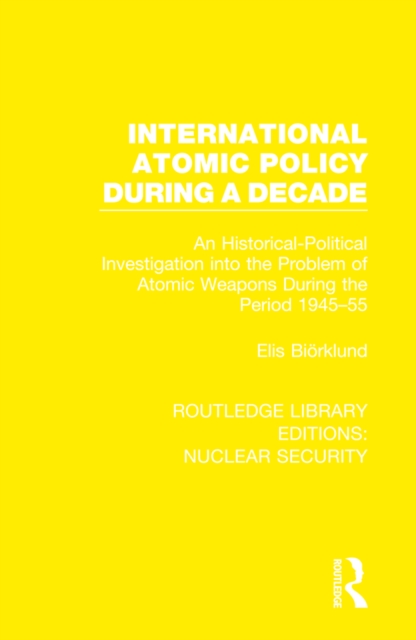
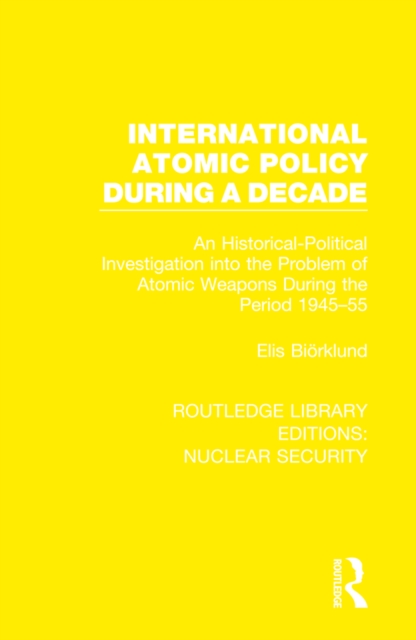
Originally published in 1956, atomic policy overshadowed political considerations in the same way that 'the balance of power' had mesmerized European politicians for so long.
Originally published in 1956, atomic policy overshadowed political considerations in the same way that 'the balance of power' had mesmerized European politicians for so long.
With the death of Professor Sir Michael Howard, The International Institute for Strategic Studies (IISS) lost not only its president emeritus but the last of its founders and intellectual parents.
With the death of Professor Sir Michael Howard, The International Institute for Strategic Studies (IISS) lost not only its president emeritus but the last of its founders and intellectual parents.
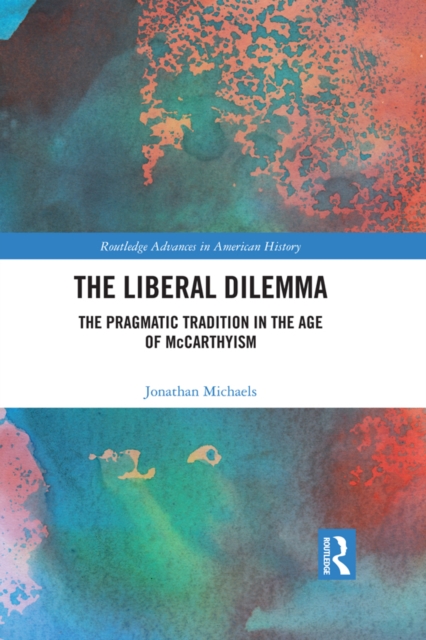
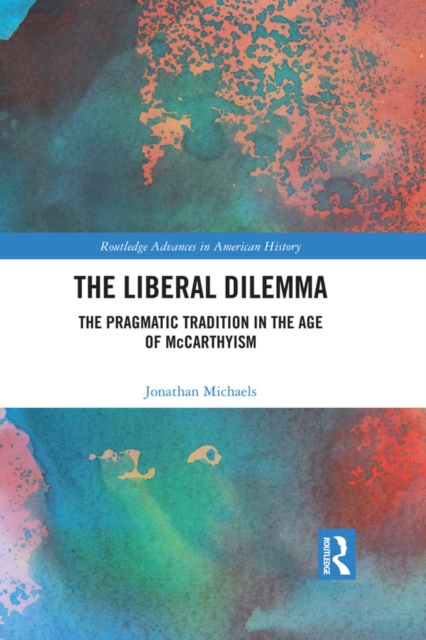
This volume explores the response of liberals to rightwing attacks during the Red Scare of the late 1940s and early 1950s, establishing it as a defensive approach aimed at warding off efforts to conflate liberalism with communism, but not at striking back at the opposing ideology of conservatism itself.
This volume explores the response of liberals to rightwing attacks during the Red Scare of the late 1940s and early 1950s, establishing it as a defensive approach aimed at warding off efforts to conflate liberalism with communism, but not at striking back at the opposing ideology of conservatism itself.
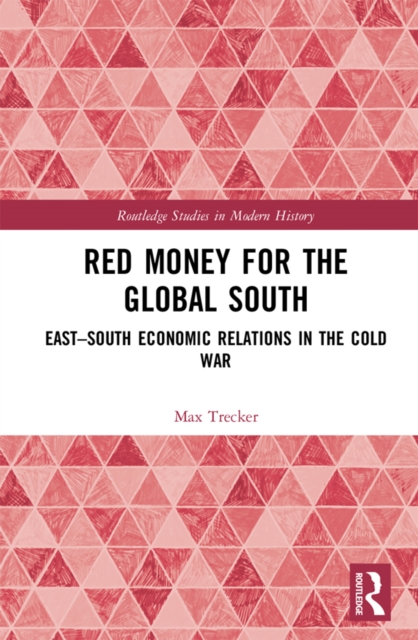
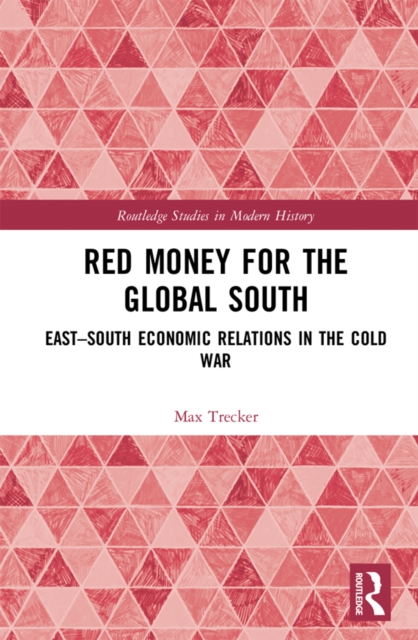
Red Money for the Global South explores the relationship of the East with the "e;new"e; South after decolonization, with a particular focus on the economic motives of the Council for Mutual Economic Assistance (CMEA) and other parties that were all striving for mutual cooperation.
Red Money for the Global South explores the relationship of the East with the "e;new"e; South after decolonization, with a particular focus on the economic motives of the Council for Mutual Economic Assistance (CMEA) and other parties that were all striving for mutual cooperation.
This book constitutes an original archival history of government secrecy, public relations and the debate surrounding nuclear weapons in Britain from 1970 to 1983.
This book constitutes an original archival history of government secrecy, public relations and the debate surrounding nuclear weapons in Britain from 1970 to 1983.