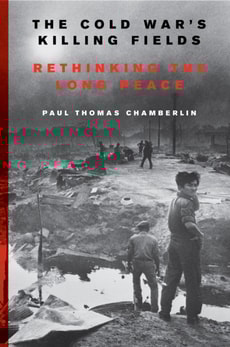
Three distinguished diplomatic historians offer an assessment of the Cold War in the realist tradition that focuses on balancing the objectives of foreign policy with the means of accomplishing them.
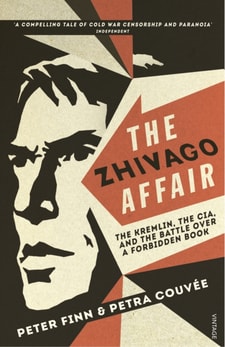
The previously untold true story of the CIA’s clandestine use of American students as undercover operatives during the Cold War In 1967, CIA director Richard Helms had, as he would later recall, “one of my darkest days” when President Lyndon Johnson told him that the muckraking magazine Ramparts was about to expose one of the Agency’s best-kept secrets: a covert project to enroll American students in the crusade against communism.
Secrets of the Cold War focuses on a dark period of a silent war and offers a new perspective on the struggle between the superpowers of the world told in the words of those who were there.
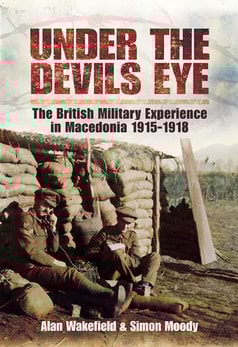
"e;A fantastic overview of one of Britain's untold stories from the Great War"e;-the Salonika Campaign that pitted Allied forces against the Bulgarians (Burton Mail).
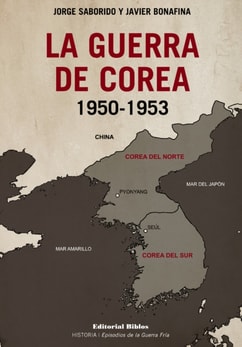
The indistinct status of the Zainichi has meant that, since the late 1940s, two ethnic Korean associations, the Chongryun (pro-North) and the Mindan (pro-South) have been vying for political loyalty from the Zainichi, with both groups initially opposing their assimilation in Japan.
The 2nd Battalion of the Durham Light Infantry was one of only two battalions of the regiment that did not have its history published in some form after the Great War, the other was the 1/7th (Territorial) Battalion.
This Cold War history examines the Cuban Missile Crisis from a British perspective, following events as they developed in London, Washington, and Moscow.
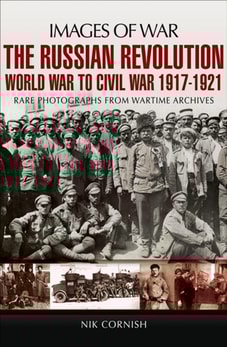
Often the drama of the October Revolution and the Bolshevik seizure of power overshadow the disastrous Russian-German war that preceded it and the extended, confusing, many-sided civil war between the Reds and the Whites that followed.
This important new history of the development of a leadership corps of officers during World War I opens with a gripping narrative of the battlefield heroism of Cpl.
In this "e;excellent"e; book, an award-winning historian draws on firsthand accounts for this vivid account of the little known Invasion of Russion during WWI (Wall Street Journal).
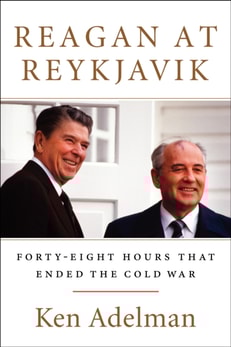
A dramatic account of the Cold War's turning point, the 1986 Reagan-Gorbachev summit in Iceland, by a key player in that weekend's world-changing events.
This book examines the Vogeler/Sanders espionage case that ruptured ties between the US and UK and Hungary in 1949, and analyses this as an example of Western covert operations in the early Cold War.
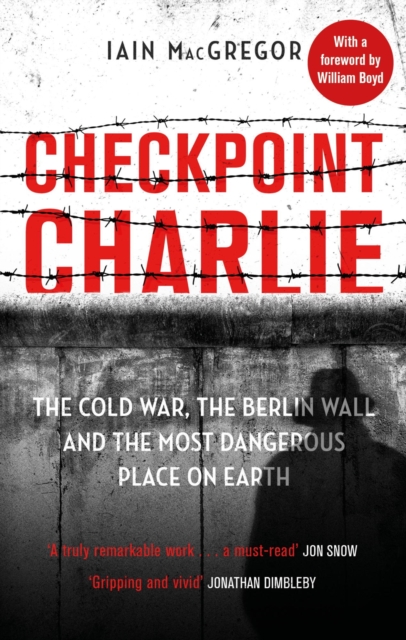
'As convoluted and deadly as the plot of a novel by John le Carre, but all too real' Daily Mail, Must Reads'With a gripping narrative and vivid interviews with those on all sides whose lives were directly affected by that grim symbol of the East-West divide that poisoned Europe for almost half a century, [MacGregor] has made an important contribution to the history of our times' Jonathan Dimbleby'Captures brilliantly and comprehensively both the danger and exhilaration that I and other reporters, soldiers, and people experienced intersecting with the wall - a must-read for anyone who wants to understand the Europe we have inherited' Jon SnowA powerful, fascinating, and ground-breaking history of Checkpoint Charlie, the legendary and most important military gate on the border of East and West Berlin where the United States and her allies confronted the USSR during the Cold War.
*** THE TOP TEN BESTSELLING AUTHOR *** Discover abrilliant story of love, danger, courage and betrayal, from the internationally bestselling author of The Survivors.
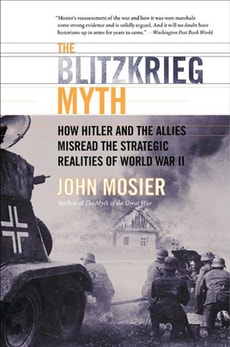
Many military tactics during World War II were based on the assumption that new technologies would lead to decisive battlefield victories, demoralization of the enemy by intensive bombing, or even a quick surrender.
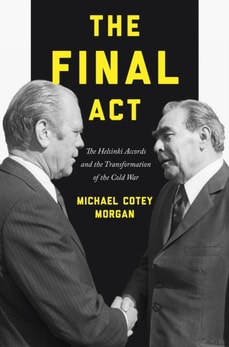
The first in-depth account of the historic diplomatic agreement that served as a blueprint for ending the Cold WarThe Helsinki Final Act was a watershed of the Cold War.
In the wake of its creation in 1948, the state of Israel was confronted with the challenge of establishing foreign relations with key players in the region, in the face of opposition from most of the Arab states.