El descubrimiento del Nuevo Mundo convirtió a España en potencia mundial e inauguró un nuevo capítulo en el comercio internacional, si bien en el siglo XVII los españoles tuvieron que hacer frente a una grave crisis.
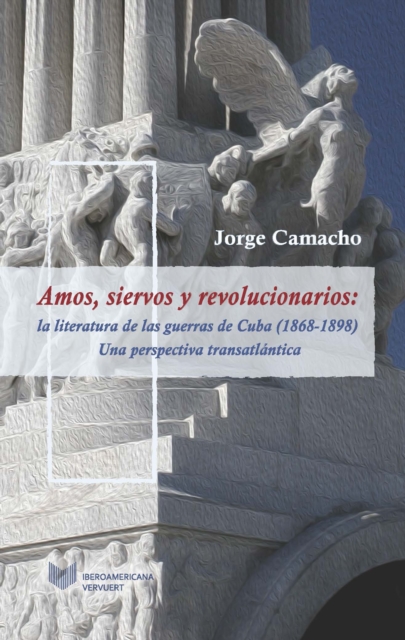
Amos, siervos y revolucionarios es el primer ensayo comparativo de la literatura y de las imágenes visuales que produjeron los partidarios del Integrismo Nacional español y de la independencia de Cuba entre 1868 y 1898.
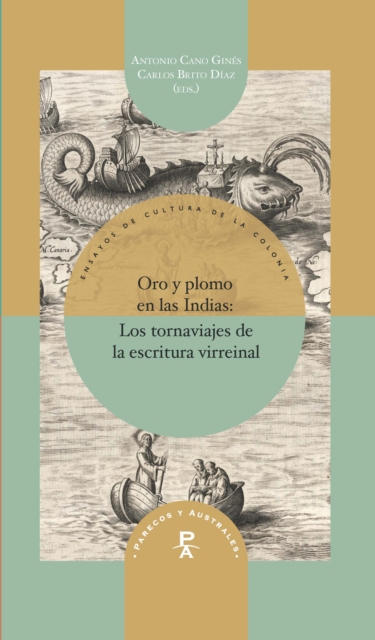
Esta miscelánea de trabajos comparte la preocupación común de ofrecer miradas y ampliar perspectivas de análisis acerca de los fenómenos de transculturación y de migraciones textuales en el itinerario Europa-Canarias-América bajo el signo de la atlanticidad, según el concepto acuñado por Juan Manuel García Ramos.
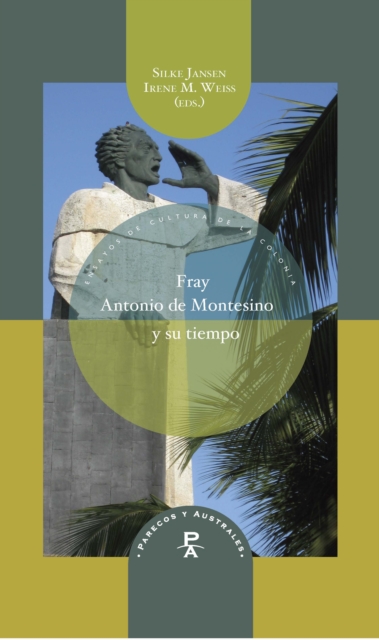
Hoy en día se alza en la ciudad de Santo Domingo una estatua en recuerdo de Antonio de Montesino, primer europeo que denunció con vehemencia los abusos y la explotación de los nativos en el contexto de la colonización española de las Antillas.
Escribir hoy en día sobre la poesía épica colonial del siglo XVI implica necesariamente asumir una posición revisionista en el campo de los estudios coloniales, una postura que someta a crítica las ideas preconcebidas sobre la poesía épica en el discurso teórico de los estudios coloniales, y que convirtieron este género literario en un género fantasma: el fantasma de la épica colonial.
Se publican en esta obra la mayor parte de los trabajos presentados al congreso internacional Viejo Mundo y Nuevo Mundo en las crónicas de Indias que tuvo lugar en Providence, Rhode Island, los días 10-11 de junio de 2010, auspiciado por la John Carter Brown Library, el Department of Hispanic Studies de la Brown University y el GRISO (Grupo de Investigación Siglo de Oro) de la Universidad de Navarra.
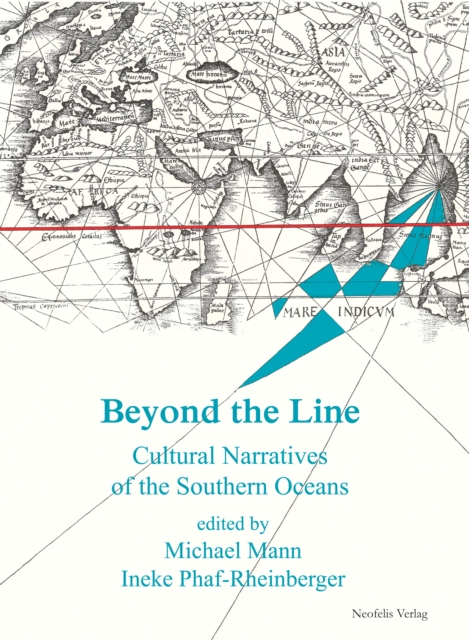
The title of Beyond the Line refers to the imaginary "e;Line"e; drawn between North and South, a division established by the Peace Treaty of Cateau-Cambresis in 1559.
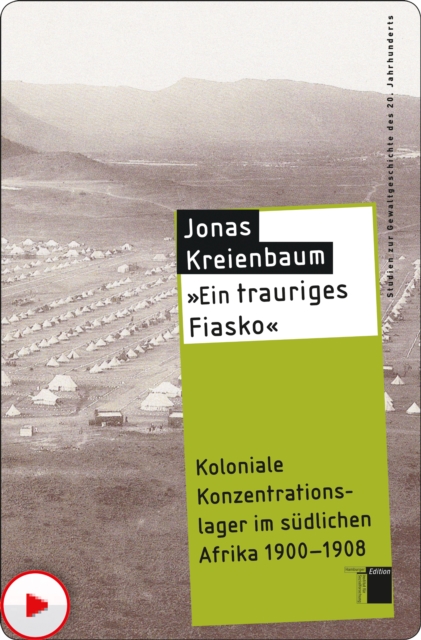
Tausende Internierte der Lager in Südafrika und Deutsch-Südwestafrika starben, manche verloren binnen weniger Wochen ihre gesamte Familie, die Überlebenden wurden durch die Erfahrung von Deportation, Mangel, Krankheiten, Gewalt und Tod traumatisiert.
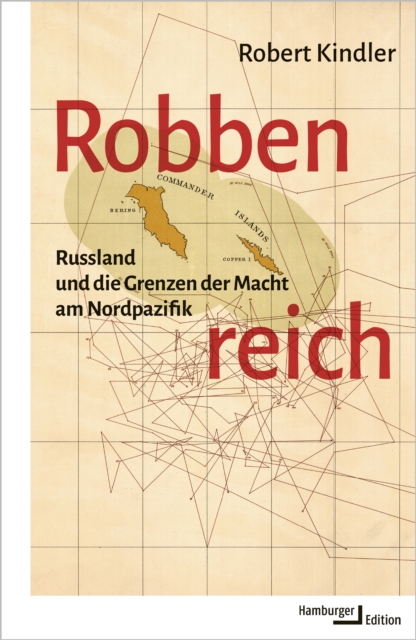
Ressourcenkonflikte und imperiales Prestige: Robert Kindler erzählt eine packende, mikroglobale Verflechtungsgeschichte mit Blick auf die Robbenjagd im Nordpazifik.
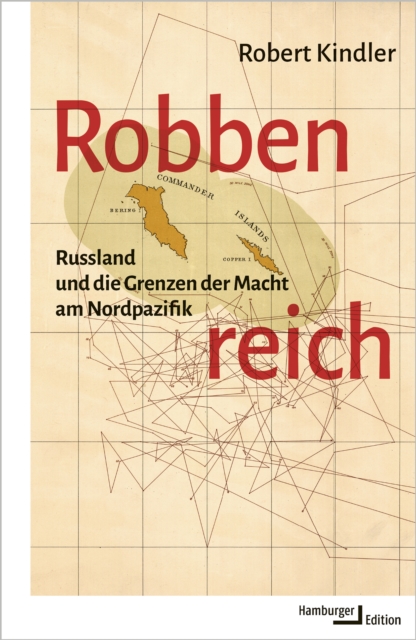
Ressourcenkonflikte und imperiales Prestige: Robert Kindler erzählt eine packende, mikroglobale Verflechtungsgeschichte mit Blick auf die Robbenjagd im Nordpazifik.
Seit den Anfängen des Films hat der Teufel in verschiedenen Rollen seine Auftritte auf der Leinwand: nicht nur in klassischen Horrorfilmen, sondern auch in verschiedenen anderen Filmtypen, vom Porno bis zur Literaturverfilmung.
Seit den Anfängen des Films hat der Teufel in verschiedenen Rollen seine Auftritte auf der Leinwand: nicht nur in klassischen Horrorfilmen, sondern auch in verschiedenen anderen Filmtypen, vom Porno bis zur Literaturverfilmung.
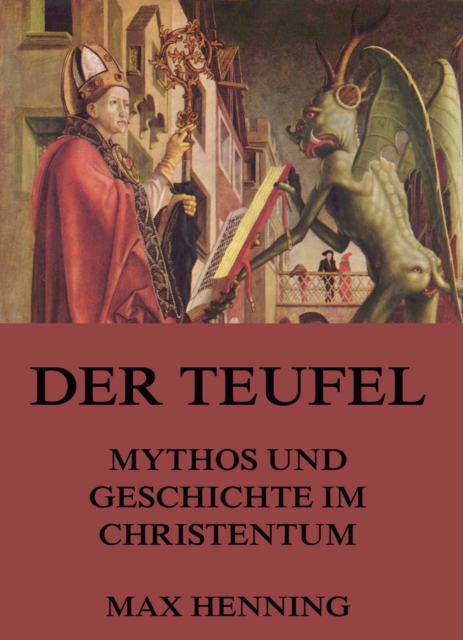
Der Untergang der Kultur und der Religionen der alten Welt im Christentum vollzieht sich "in, mit und unter" Herausbildung des neuen allumfassenden und allesverschlingenden Mythos vom Christ, der als Sohn Gottes aus seiner himmlischen Vorexistenz in die Welt geboren wurde, um das Reich des "Fürsten dieser Welt", das Reich Satans oder des Teufels, das im Tode gipfelt, zu zerstören und die Menschheit durch die Aufrichtung des Reiches Gottes aus seinen Banden und vor dem nahenden Weltgericht zu erretten.
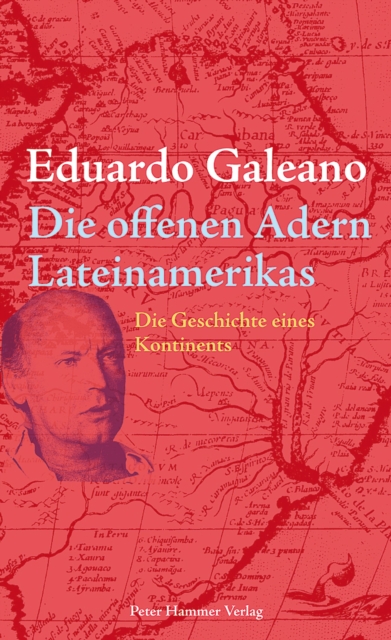
Der weltweite Ruhm Eduardo Galeanos gründet auf einem Buch, das er "in neunzig Nächten" geschrieben hat: das unorthodoxe Geschichtswerk "Die offenen Adern Lateinamerikas".
Es geht darum den Menschen am Beispiel der Geschichte und meiner Familie zu zeigen, wie sinnlos Nationalstaaten, Rassismus un Staatsangehörigkeiten sind, da es nur eine einzige Menschheit gibt, die ihren Ursprung im ostafrikanischen Graben, z.
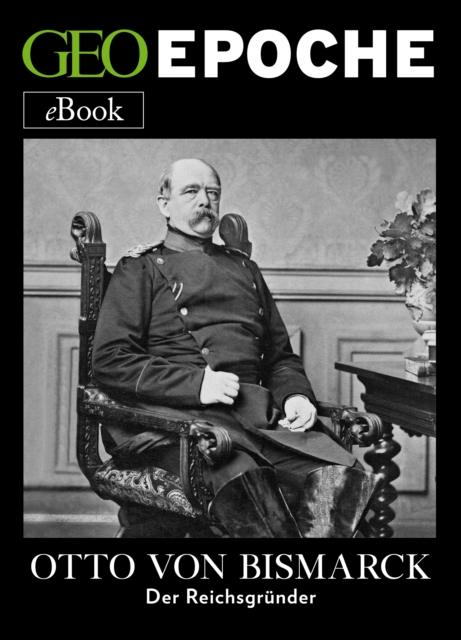
Kein deutscher Staatsmann der vergangenen zwei Jahrhunderte wurde (und wird) von den Historikern so gegensätzlich beurteilt wie Otto von Bismarck, Preußens Ministerpräsident zwischen 1862 und 1890 und treibende Kraft im deutschen Einigungsprozess.
In nur wenigen Wochen niedergeschrieben, ist »Herz der Finsternis« Joseph Conrads literarische Bewältigung seiner eigenen Reise auf dem Kongo, von der ihm eine zeitlebens zerrüttete Gesundheit und alptraumhafte Erinnerungen geblieben waren.
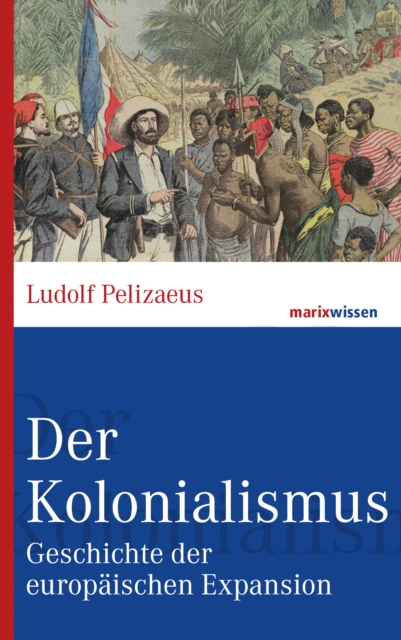
Neben Denkmälern und Straßennamen zeugen zauberhafte Museumsobjekte von den einstigen Kolonien – doch wie sind sie zu uns gekommen und woher stammen sie?
A SUNDAY TIMES TOP 10 BESTSELLERORWELL PRIZE FOR POLITICAL WRITING FINALIST SHORTLISTED FOR THE WESTMINSTER BOOK AWARDS'One of the best memoirs I've read in years' SATHNAM SANGHERA'Beautifully written, emotional and deeply personal, yet universal .
A brilliant, eye-opening espionage thriller by a former special forces officer 'now at the forefront of spy writing'The thinking person's John le Carr ' Tribune 'Edward Wilson seems poised to inherit the mantle of John le Carr ' Irish Independent'More George Smiley than James Bond, Catesby will delight those readers looking for less blood and more intelligence in their spy thrillers' Publishers WeeklyIt is 1982 and the British prime minister and the Argentine president are both clinging to power.
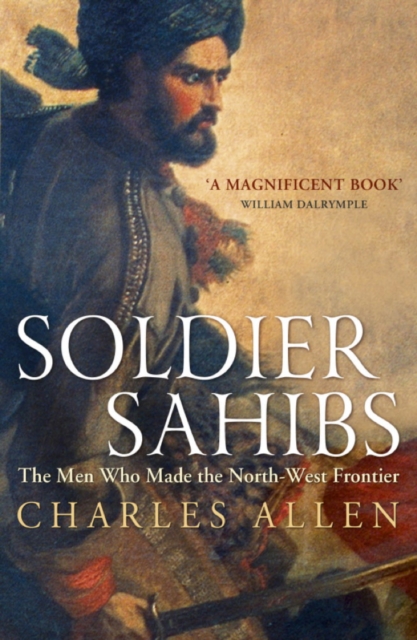
This text retells the story of a brotherhood of young men who together laid claim to one of the most notorious frontiers in the world: India's north-west frontier, which in the late 1990s forms the volatile boundary between Pakistan and Afghanistan.
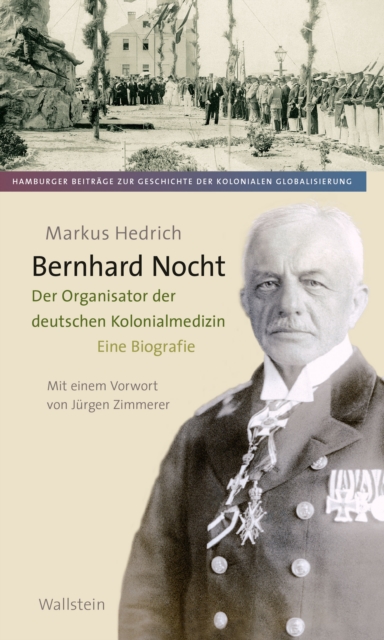
In der Biografie des Gründers des weltberühmten Hamburger Tropeninstituts verdichten sich Kolonialismus, Nationalismus und modernes Gesundheitsmanagement.
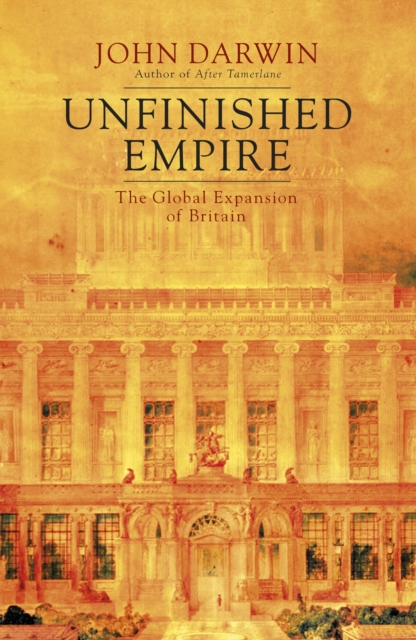
A both controversial and comprehensive historical analysis of how the British Empire worked, from Wolfson Prize-winning author and historian John DarwinThe British Empire shaped the world in countless ways: repopulating continents, carving out nations, imposing its own language, technology and values.
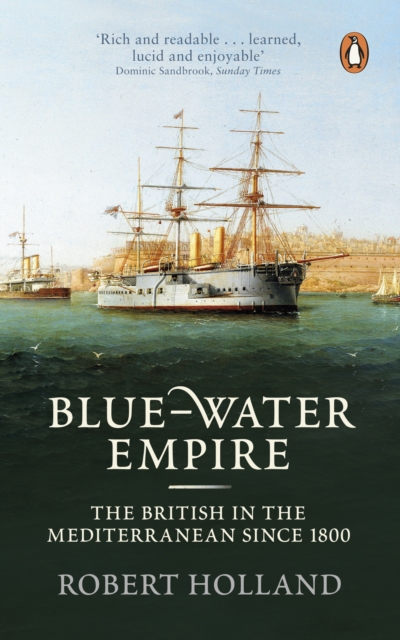
Blue-Water Empire is Robert Holland's magnificent narrative of Britain's military and cultural ties with the Mediterranean Sea, in the style of the epic naval histories of N.
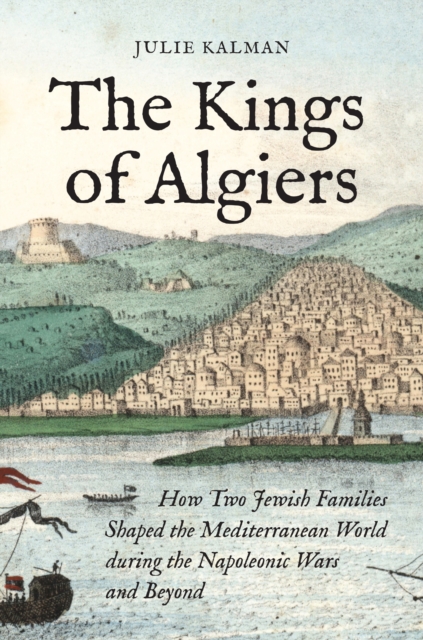
A richly detailed history of the Bacris and the Busnachs, two renowned Jewish families whose influence and reputation shook the capitals of Europe and AmericaAt the height of the Napoleonic Wars, the Bacri brothers and their nephew, Naphtali Busnach, were perhaps the most notorious Jews in the Mediterranean.
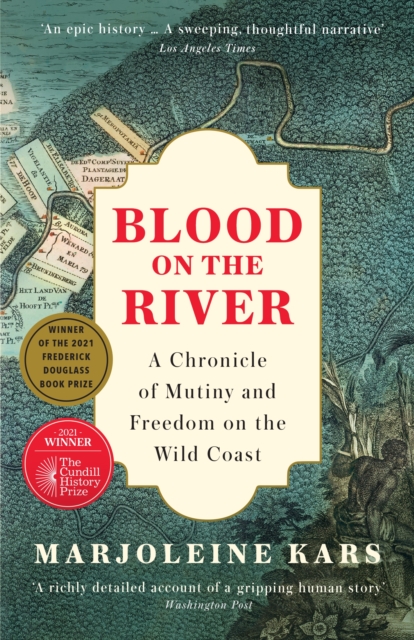
THE UNTOLD STORY OF THE BERBICE SLAVE REBELLION Winner of the 2021 Cundill History PrizeWinner of the 2021 Frederick Douglass Prize 'A gripping tale about the human need for freedom .
With capitalism entering its worst ever and possibly final crisis, Henryk Grossman, the neglected 20th century Marxist who explained the inevitability of such a ''final breakdown'' most convincingly, is more relevant than ever - and must be rehabilitated.