A timely lesson in the perils of nation-building and a sobering reminder of the limits of military power from the Costa Award winning author of The Volunteer.
In 2008 Major Russell Lewis commanded a company of two hundred soldiers from the British Army's legendary Parachute Regiment on a six-month tour in the most dangerous part of Afghanistan.
Winner of the PEN Hessell-Tiltman PrizeWinner of the Longman History Today Trustees' AwardLonglisted for the Orwell PrizeUnflinching and revealing, Black and British is a vital history that reveals how black British lives have been woven into the fabric of the nation for centuries - from Roman Britain to the Black Lives Matter protests.
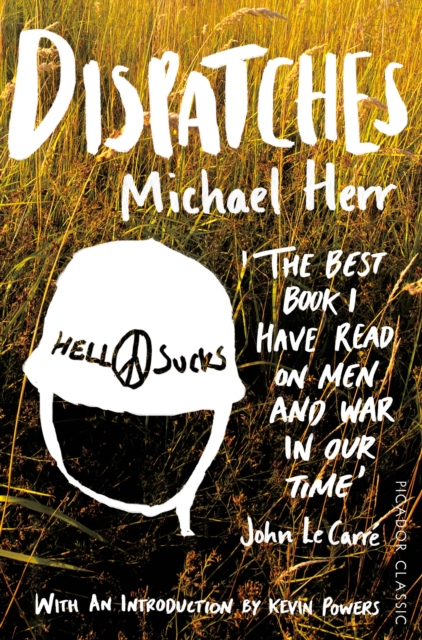
'The best book I have ever read on men and war in our time' - John Le CarreThe groundbreaking work of journalism which inspired Stanley Kubrick's classic Vietnam War film, Full Metal Jacket.
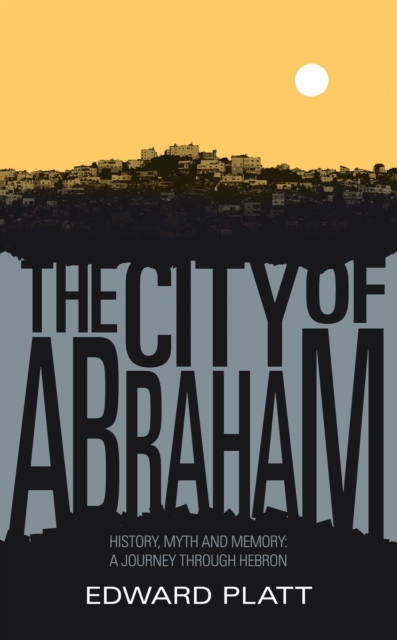
A journey through one of the world's most divided cities - Hebron, in the Israeli-occupied West Bank of Palestine, exploring the influence of the history, religion and myth on the country's tumultuous present.
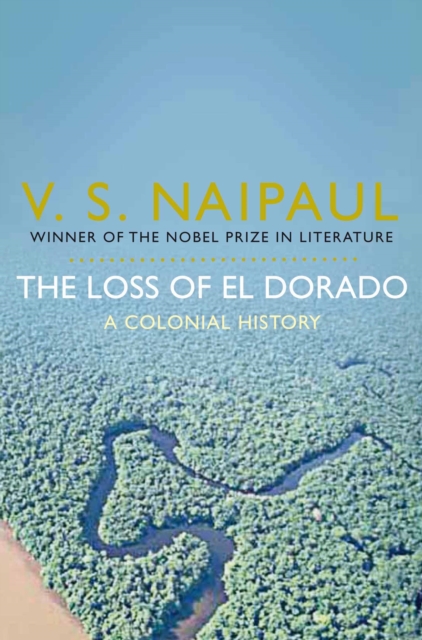
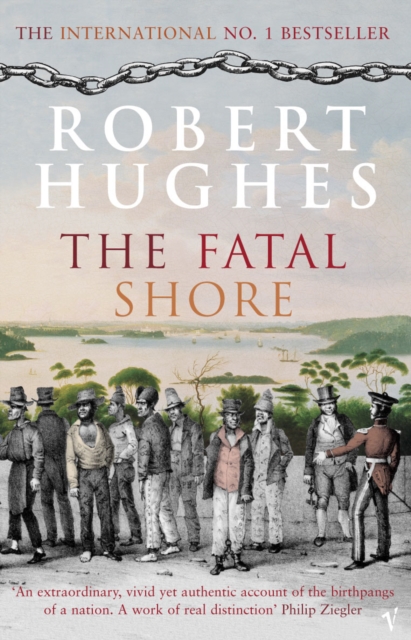
At the centre of this extraordinary historical narrative are two linked themes: the grinding down of the aborigines during the long rivalries of the quest for El Dorado, the mythical kingdom of gold; and, two hundred years later, the man-made horror of the new slave colony.
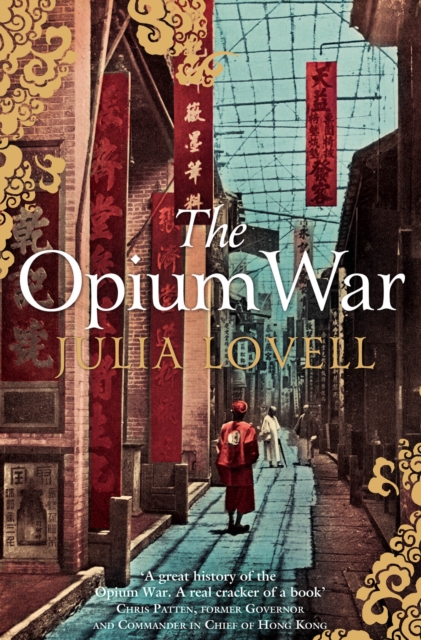
'A gripping read as well as an important one' - Rana Mitter, The GuardianIn The Opium War, professor of Modern Chinese History and Literature Julia Lovell offers a compelling account of the causes and fallout of the Opium Wars.
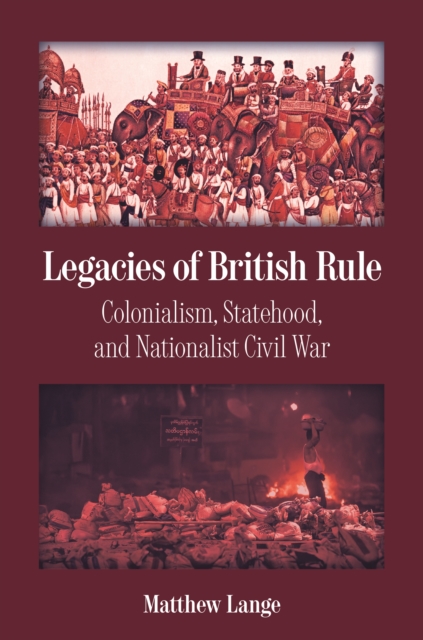
The relationship between colonial pluralism and nationalist civil war in former British coloniesWhy do some communities fight civil wars over national self-rule while others do not?
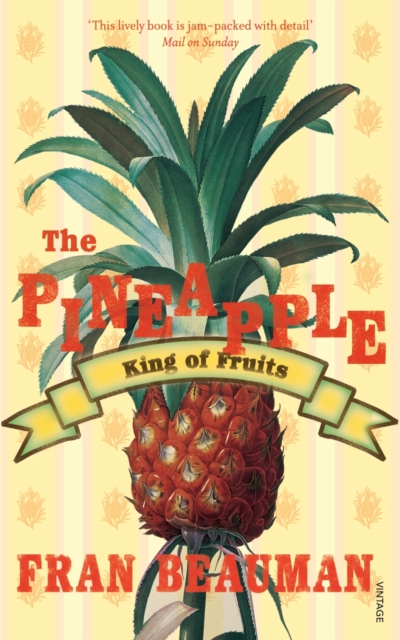
This enchanting, juicy history takes us from the pineapple's origins in the Amazon rainforests to its first tasting by Columbus in Guadeloupe and its starring role on the royal dinner tables of Europe.
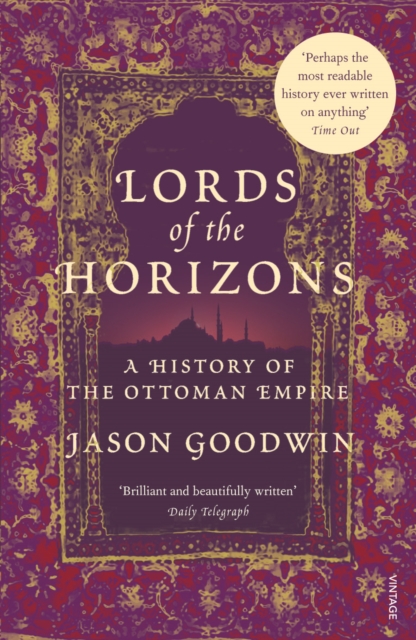
Perhaps the most readable history ever written Time OutLords of the Horizons charts the Ottoman Empire's swirling epic history; dramatic detailed and alive a journey, and a world all in one.
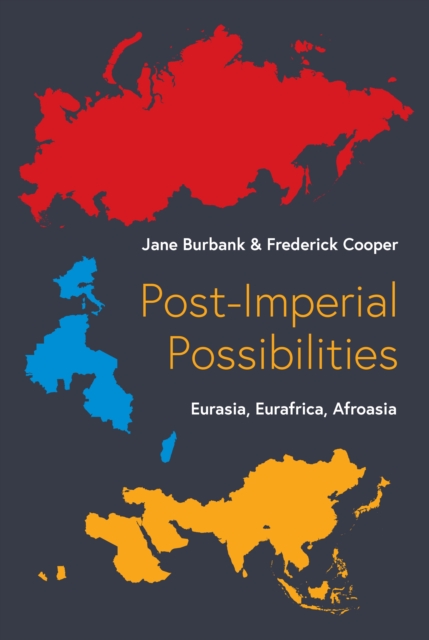
A history of three transnational political projects designed to overcome the inequities of imperialismAfter the dissolution of empires, was the nation-state the only way to unite people politically, culturally, and economically?
Rough Crossings is the astonishing story of the struggle to freedom by thousands of African-American slaves who fled the plantations to fight behind British lines in the American War of Independence.
The young George III was a poignant figure, humdrum on the surface yet turbulent beneath: hiding his own passions, he tried hard to be a father to his siblings and his nation.
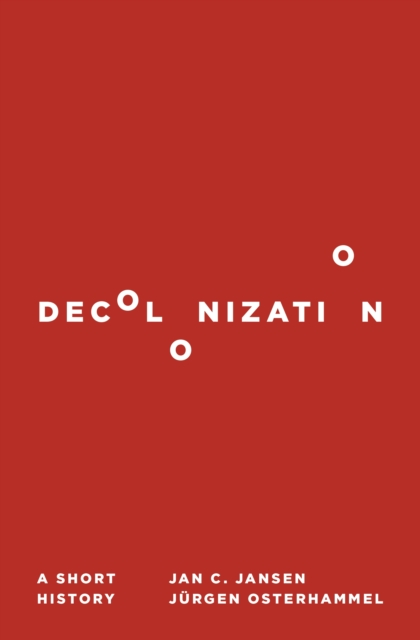
A concise and accessible history of decolonization in the twentieth centuryThe end of colonial rule in Asia, Africa, and the Caribbean was one of the most important and dramatic developments of the twentieth century.
Set in the 1950s, The Broken Word is an extraordinary poetic sequence that animates and illuminates a dark, terrifying period in British colonial history.
The emphasis on practical experience over ideology is viewed by many historians as a profoundly American characteristic, one that provides a model for exploring the colonial challenge to European belief systems and the creation of a unique culture.
This major intervention into debates about the postcolonial and the global proposes that theory should embody unevenness as symptom even as it envisions strategies to get beyond unevenness.
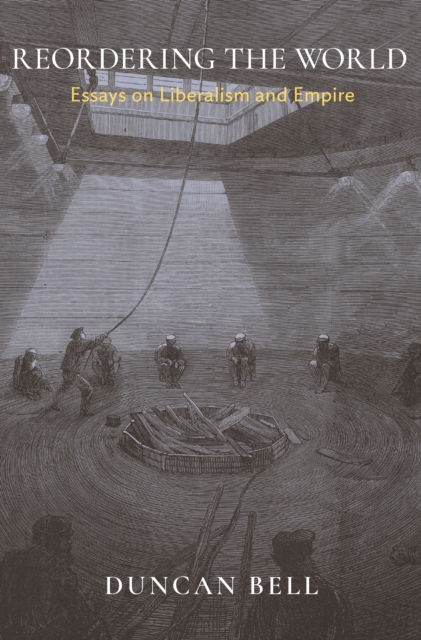
A leading scholar of British political thought explores the relationship between liberalism and empireReordering the World is a penetrating account of the complexity and contradictions found in liberal visions of empire.
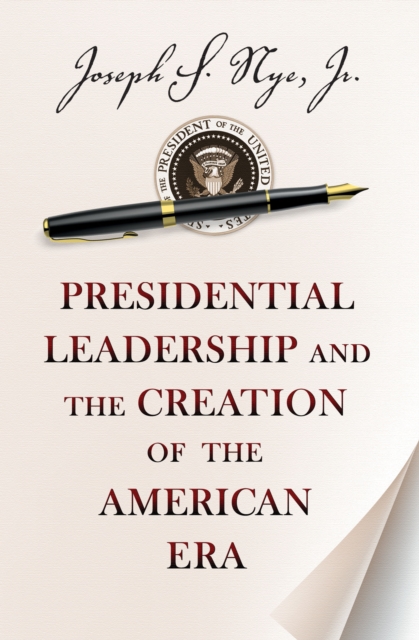
How presidents forged the American centuryThis book examines the foreign policy decisions of the presidents who presided over the most critical phases of America's rise to world primacy in the twentieth century, and assesses the effectiveness and ethics of their choices.
The emphasis on practical experience over ideology is viewed by many historians as a profoundly American characteristic, one that provides a model for exploring the colonial challenge to European belief systems and the creation of a unique culture.
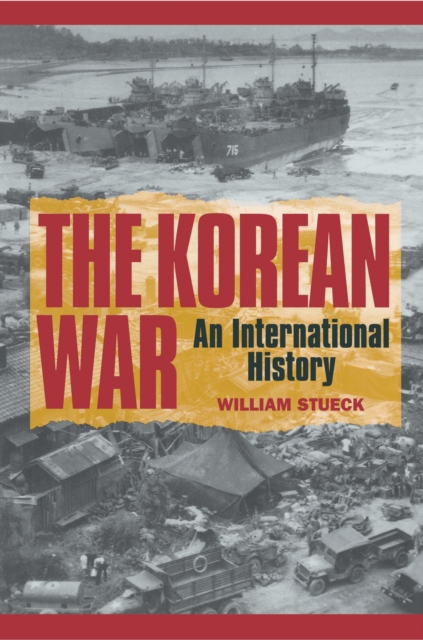
This first truly international history of the Korean War argues that by its timing, its course, and its outcome it functioned as a substitute for World War III.
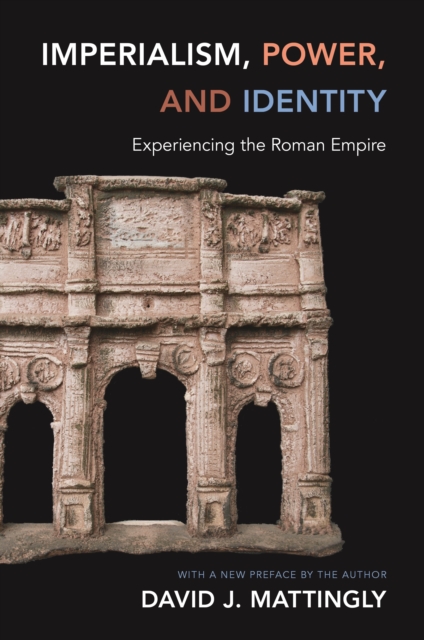
Despite what history has taught us about imperialism's destructive effects on colonial societies, many classicists continue to emphasize disproportionately the civilizing and assimilative nature of the Roman Empire and to hold a generally favorable view of Rome's impact on its subject peoples.
The relationship between colonial pluralism and nationalist civil war in former British coloniesWhy do some communities fight civil wars over national self-rule while others do not?
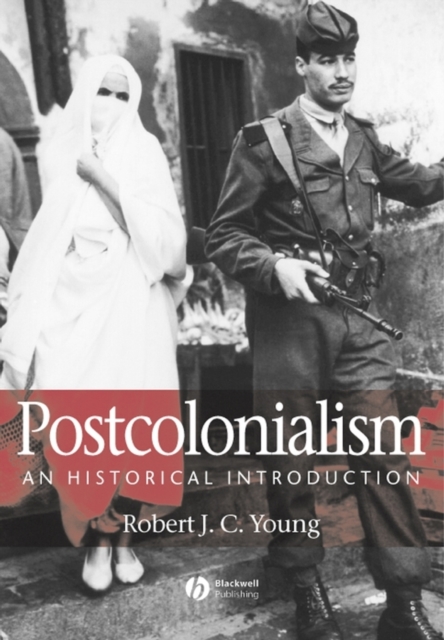
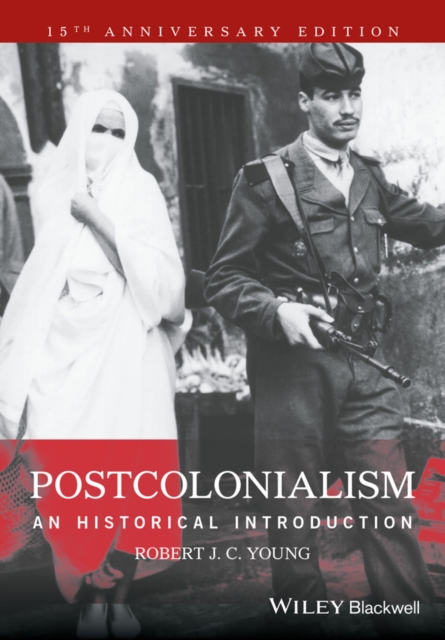
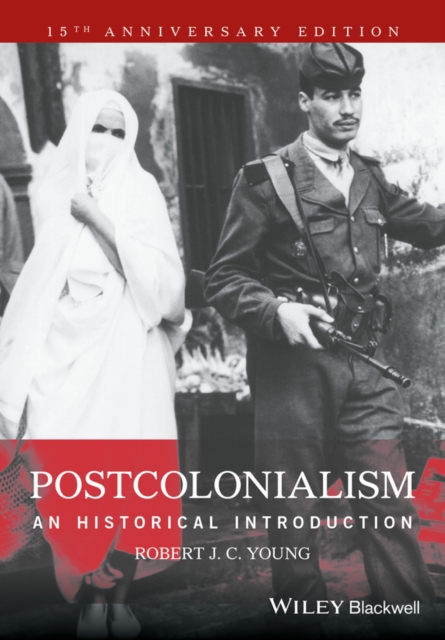
This key new introduction, by one of the leading exponents in the field, explains in clear and accessible language the historical and theoretical origins of post-colonial theory.
A Timely Look Back at the Era That Shaped Our World Thousands of years of recorded history show that the main way in which human societies have been organized is as empires.
A Timely Look Back at the Era That Shaped Our World Thousands of years of recorded history show that the main way in which human societies have been organized is as empires.
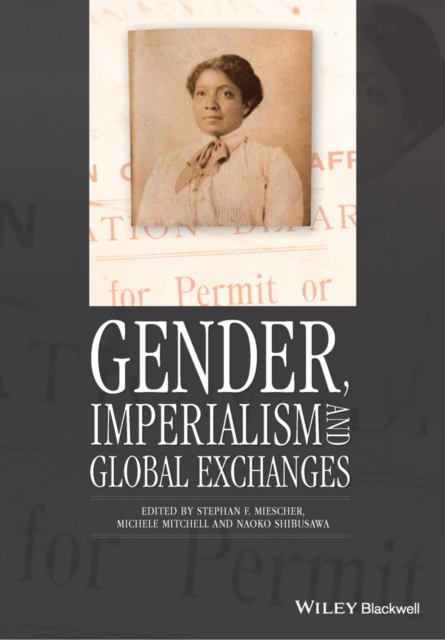
Gender, Imperialism and Global Exchanges presents a collection of original readings that address gendered dimensions of empire from a wide range of geographical and temporal settings.
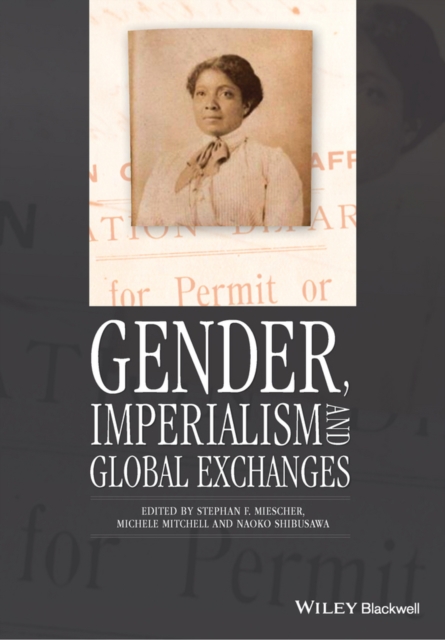
Gender, Imperialism and Global Exchanges presents a collection of original readings that address gendered dimensions of empire from a wide range of geographical and temporal settings.
This seminal work now available in a 15th anniversary edition with a new preface is a thorough introduction to the historical and theoretical origins of postcolonial theory.
This seminal work now available in a 15th anniversary edition with a new preface is a thorough introduction to the historical and theoretical origins of postcolonial theory.
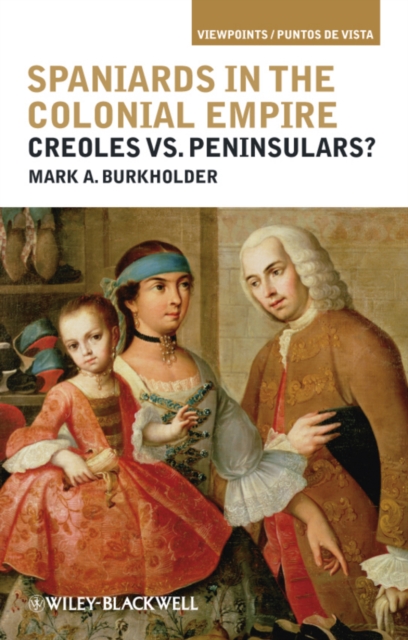
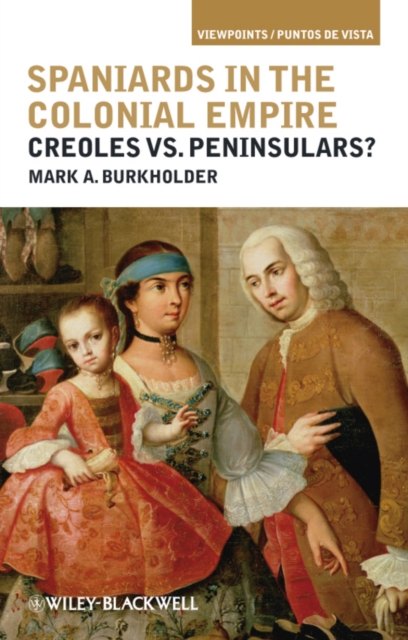
Spaniards in the Colonial Empire traces the privileges, prejudices, and conflicts between American-born and European-born Spaniards, within the Spanish colonies in the Americas from the sixteenth to early nineteenth centuries.
Spaniards in the Colonial Empire traces the privileges, prejudices, and conflicts between American-born and European-born Spaniards, within the Spanish colonies in the Americas from the sixteenth to early nineteenth centuries.