In 1879, armed only with their spears, their rawhide shields, and their incredible courage, the Zulus challenged the might of Victorian England and, initially, inflicted on the British the worst defeat a modern army has ever suffered at the hands of men without guns.
Shortlisted for the Baillie Gifford Prize, a revelatory, fearless history of the British Empire that lays bare its pervasive use of violence throughout the twentieth century.
A concise and accessible history of decolonization in the twentieth centuryThe end of colonial rule in Asia, Africa, and the Caribbean was one of the most important and dramatic developments of the twentieth century.
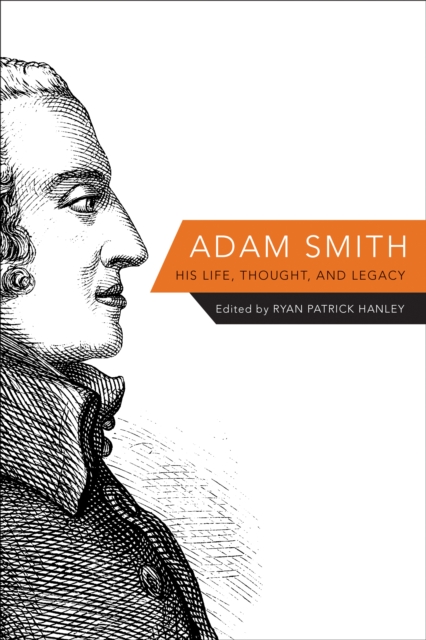
The essential guide to the life, thought, and legacy of Adam SmithAdam Smith (1723-90) is perhaps best known as one of the first champions of the free market and is widely regarded as the founding father of capitalism.
This is the first complete, one-volume English translation of the ancient Chinese text Xunzi, one of the most extensive, sophisticated, and elegant works in the tradition of Confucian thought.
A groundbreaking exploration of Garveyism's global influence during the interwar years and beyondJamaican activist Marcus Garvey (1887-1940) organized the Universal Negro Improvement Association in Harlem in 1917.
A groundbreaking history of the last days of the French empire in AfricaAs the French public debates its present diversity and its colonial past, few remember that between 1946 and 1960 the inhabitants of French colonies possessed the rights of French citizens.
Despite what history has taught us about imperialism's destructive effects on colonial societies, many classicists continue to emphasize disproportionately the civilizing and assimilative nature of the Roman Empire and to hold a generally favorable view of Rome's impact on its subject peoples.
Local Histories/Global Designs is an extended argument about the "e;coloniality"e; of power by one of the most innovative Latin American and Latino scholars.
Winner of the Whitley Award for Best Natural History Book 2022A compelling, funny, first-hand account of Australia's wonderfully unique mammals and how our perceptions impact their future.
From the best-selling author of The Commando and Born to Fight comes a fascinating investigation of modern warfare that combines methodical research and the fast-paced action of battle with the personal stories of the combatants on both sides of the line.
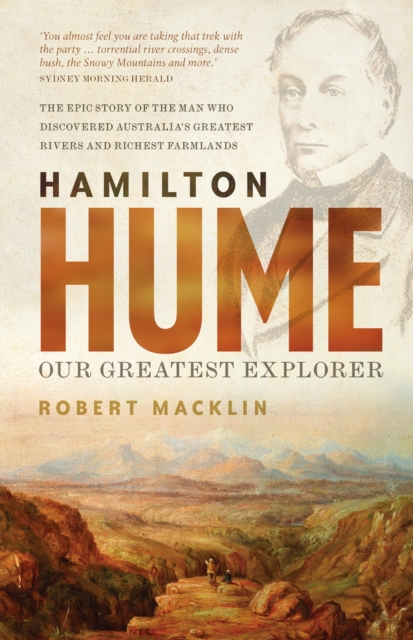
'You almost feel you are taking that trek with the party as Robert Macklin cites the obstacles - torrential river crossings, dense bush, the Snowy Mountains and more.
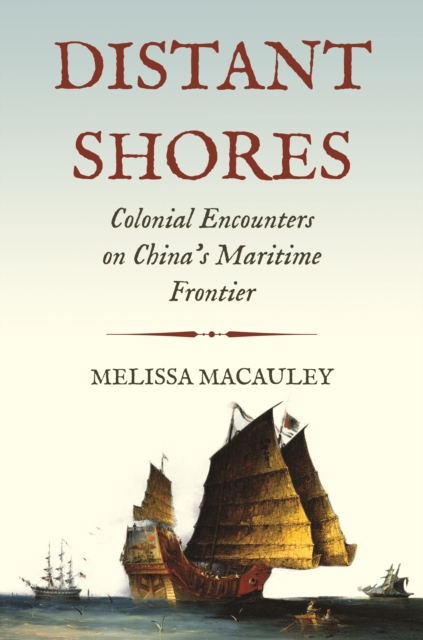
A pioneering history that transforms our understanding of the colonial era and China's place in itChina has conventionally been considered a land empire whose lack of maritime and colonial reach contributed to its economic decline after the mid-eighteenth century.
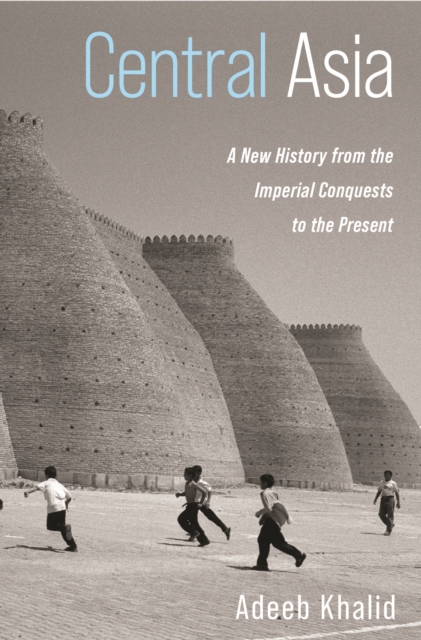
A major history of Central Asia and how it has been shaped by modern world eventsCentral Asia is often seen as a remote and inaccessible land on the peripheries of modern history.
A dramatic intellectual biography of Victorian jurist Travers Twiss, who provided the legal justification for the creation of the brutal Congo Free StateEminent jurist, Oxford professor, advocate to the Archbishop of Canterbury, Travers Twiss (18091897) was a model establishment figure in Victorian Britain, and a close collaborator of Prince Metternich, the architect of the Concert of Europe.
From the acclaimed author of The Gunpowder Age, a book that casts new light on the history of China and the West at the turn of the nineteenth centuryGeorge Macartney's disastrous 1793 mission to China plays a central role in the prevailing narrative of modern Sino-European relations.
A major new biography of the iconic Austrian empress that challenges the many myths about her life and ruleMaria Theresa (17171780) was once the most powerful woman in Europe.
How transatlantic thinkers in the late nineteenth and early twentieth centuries promoted the unification of Britain and the United StatesBetween the late nineteenth century and the First World War an ocean-spanning network of prominent individuals advocated the unification of Britain and the United States.
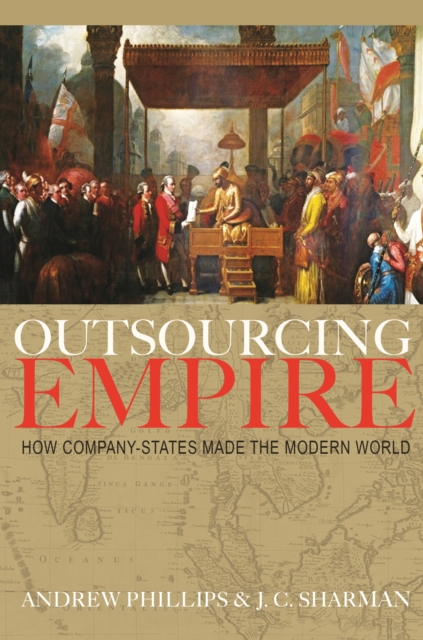
How chartered company-states spearheaded European expansion and helped create the world's first genuinely global orderFrom Spanish conquistadors to British colonialists, the prevailing story of European empire-building has focused on the rival ambitions of competing states.
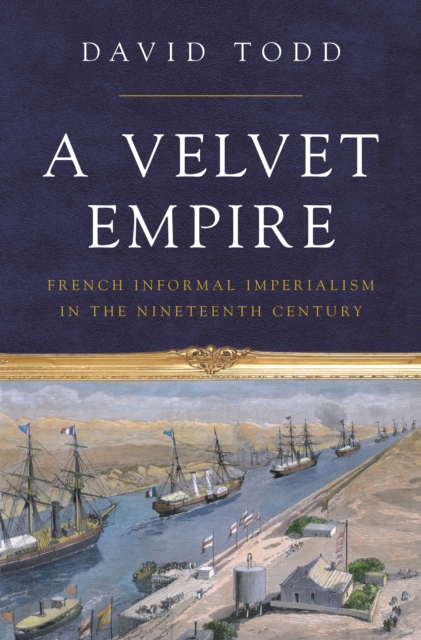
How France's elites used soft power to pursue their imperial ambitions in the nineteenth centuryAfter Napoleon's downfall in 1815, France embraced a mostly informal style of empire, one that emphasized economic and cultural influence rather than military conquest.
How a hybrid Confucian-engendered form of governance might solve today's political problemsWhat might a viable political alternative to liberal democracy look like?
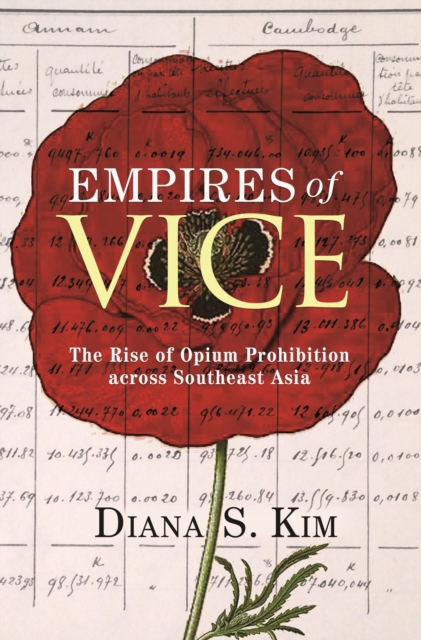
A history of opium's dramatic fall from favor in colonial Southeast AsiaDuring the late nineteenth century, opium was integral to European colonial rule in Southeast Asia.
How American colonists laid the foundations of American capitalism with an economy built on creditEven before the United States became a country, laws prioritizing access to credit set colonial America apart from the rest of the world.
How the rise of the West was a temporary exception to the predominant world orderWhat accounts for the rise of the state, the creation of the first global system, and the dominance of the West?
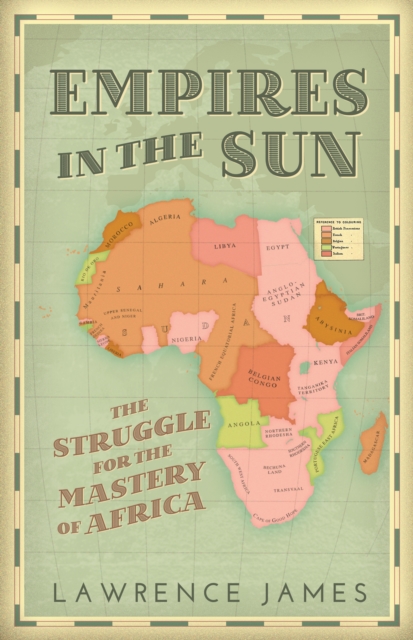
In this compelling history of the men and ideas that radically changed the course of world history, Lawrence James investigates and analyses how, within a hundred years, Europeans persuaded and coerced Africa into becoming a subordinate part of the modern world.
The most eloquent and personal story of a young man at war since Geoffrey Wellum's FIRST LIGHTUntil a winter evening in 1998 Nathaniel was just another history student on a comfortable career trajectory of high school to college to white collar job.
WINNER OF THE 2019 PEN HESSELL-TILTMAN PRIZEThe fascinating history of Christopher Columbus's illegitimate son Hernando, guardian of his father's flame, courtier, bibliophile and catalogue supreme, whose travels took him to the heart of 16th-century Europe' Honor Clerk, Spectator, Books of the YearThis is the scarcely believable - and wholly true - story of Christopher Columbus' bastard son Hernando, who sought to equal and surpass his father's achievements by creating a universal library.
A revelatory historical indictment of the long afterlife of slavery in the Atlantic worldTo fully understand why the shadow of slavery haunts us today, we must confront the flawed way that it ended.
Following Rivers of Gold and The Golden Age, World Without End is the conclusion of a magisterial three-volume history of the Spanish Empire by Hugh Thomas, its foremost worldwide authorityWorld Without End is the climax of Hugh Thomas's great history of the Spanish Empire in the Americas.
A SUNDAY TIMES, THE TIMES, SPECTATOR, NEW STATESMAN, TLS BOOK OF THE YEARThe British in this book lived in India from shortly after the reign of Elizabeth I until well into the reign of Elizabeth II.
WINNER OF THE 2021 DUKE OF WELLINGTON MEDAL FOR MILITARY HISTORYA DAILY TELEGRAPH BOOK OF THE YEAR 2020From an acclaimed military historian, the definitive account of Italy's experience of the Second World WarWhile staying closely aligned with Hitler, Mussolini remained carefully neutral until the summer of 1940.