Imperialism in Southeast Asia examines its subject against a backdrop of those countries that could at a given time be called imperialist: Britain, France, Spain, the Netherlands and the US.
Imperialism in Southeast Asia examines its subject against a backdrop of those countries that could at a given time be called imperialist: Britain, France, Spain, the Netherlands and the US.
This account is based on the tales of relations of those who were involved in the uprisings of the late 1700s by the Maroons - escaped slaves in Jamaica who banded together in a community, but were constantly in conflict with the British.
This account is based on the tales of relations of those who were involved in the uprisings of the late 1700s by the Maroons - escaped slaves in Jamaica who banded together in a community, but were constantly in conflict with the British.
The study of eighteenth century history has been transformed by the writings of John Brewer, and most recently, with The Sinews of Power, he challenged the central concepts of British history.
The study of eighteenth century history has been transformed by the writings of John Brewer, and most recently, with The Sinews of Power, he challenged the central concepts of British history.
A History of Portuguese Overseas Expansion 1400-1668 provides an accessible survey of how the Portuguese became so influential during this period and how Portuguese settlements were founded in areas as far flung as Asia, Africa and South America.
A History of Portuguese Overseas Expansion 1400-1668 provides an accessible survey of how the Portuguese became so influential during this period and how Portuguese settlements were founded in areas as far flung as Asia, Africa and South America.
This book offers a new approach to design theory and practice that draws on Indigenous knowledges, methodologies and methods, presenting concepts of decolonising and Indigenous design that are interweaved as theory, storytelling, and practices.
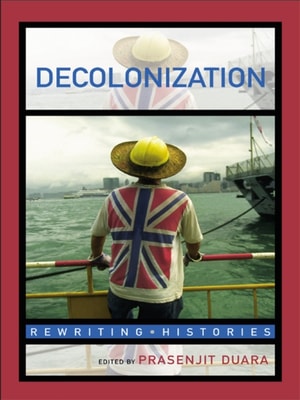
Decolonization brings together the most cutting-edge thinking by major historians of decolonization, including previously unpublished essays and writings by leaders of decolonizing countries including Ho Chi-Minh and Jawaharlal Nehru.
Decolonization brings together the most cutting-edge thinking by major historians of decolonization, including previously unpublished essays and writings by leaders of decolonizing countries including Ho Chi-Minh and Jawaharlal Nehru.
During the past decade, a remarkable transference of responsibility to Indigenous children's organisation has taken place in many parts of Australia, Canada, the USA and New Zealand.
During the past decade, a remarkable transference of responsibility to Indigenous children's organisation has taken place in many parts of Australia, Canada, the USA and New Zealand.
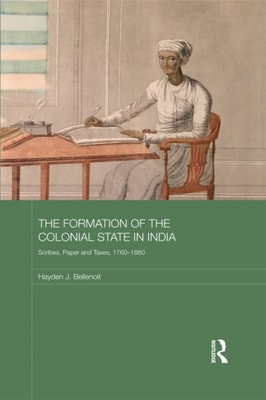
In the period between the 1770s and 1840s, through the process of colonial state formation, the early colonial state in India was able to harness and extract vast amounts of agrarian wealth in north India.
African social development is often explained from outsider perspectives that are mainly European and Euro-American, leaving African indigenous discourses and ways of knowing and doing absent from discussions and debates on knowledge and development.
African social development is often explained from outsider perspectives that are mainly European and Euro-American, leaving African indigenous discourses and ways of knowing and doing absent from discussions and debates on knowledge and development.
To what extent do women accept, adjust and challenge the intersecting and shifting relations of cultural, political and religious discourses that organize their (sexual) lives?
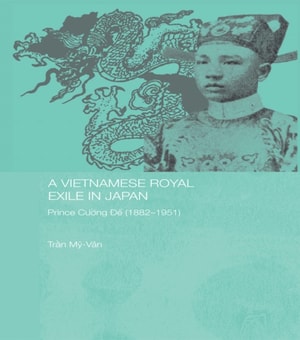
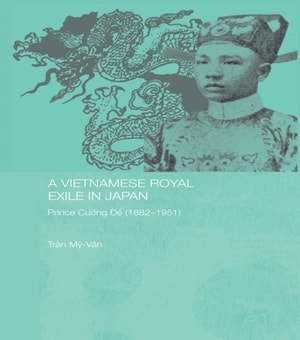
Prince Cuong De, viewed by the French as a pretender to the Vietnamese throne, was an important and interesting figure in the history of Vietnam's struggle for independence.
Prince Cuong De, viewed by the French as a pretender to the Vietnamese throne, was an important and interesting figure in the history of Vietnam's struggle for independence.
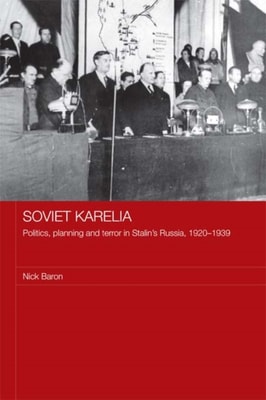
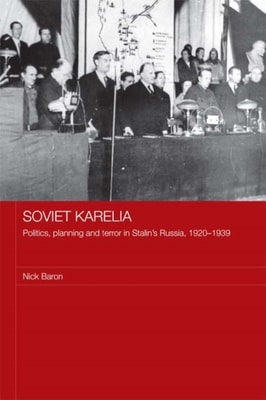
In 1920, Lenin authorised a plan to transform Karelia, a Russian territory adjacent to Finland, into a showcase Soviet autonomous region, to show what could be achieved by socialist nationalities policy and economic planning, and to encourage other countries to follow this example.
In 1920, Lenin authorised a plan to transform Karelia, a Russian territory adjacent to Finland, into a showcase Soviet autonomous region, to show what could be achieved by socialist nationalities policy and economic planning, and to encourage other countries to follow this example.
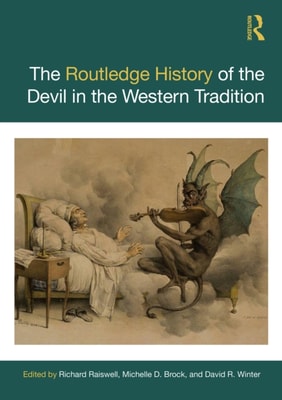
Covering a period of 2000 years, this book offers an interdisciplinary exploration of the devil's role in the Western tradition and draws from history, religion, art, literature, media studies, and anthropology to provide a multifaceted view of the devil over time.
The Routledge Companion to Postcolonial Studies offers a unique and up-to-date mapping of the postcolonial world, and is composed of essays as well as shorter entries for ease of reference.
The Routledge Companion to Postcolonial Studies offers a unique and up-to-date mapping of the postcolonial world, and is composed of essays as well as shorter entries for ease of reference.
This book tracks the phases of Singapore's economic and political development, arguing that its success was always dependent upon the territories links with the surrounding region and the wider global system, and suggests that managing these links today will be the key to the country's future.
This book tracks the phases of Singapore's economic and political development, arguing that its success was always dependent upon the territories links with the surrounding region and the wider global system, and suggests that managing these links today will be the key to the country's future.
One prevalent socio-cultural structure that is peculiar to South Asia is caste, which is broadly understood in socio-anthropological terms as an institution of ranked, hereditary and occupational groups.
One prevalent socio-cultural structure that is peculiar to South Asia is caste, which is broadly understood in socio-anthropological terms as an institution of ranked, hereditary and occupational groups.