The central problem to which this book, first published in 1984, is addressed is the transformation of agrarian structure as it historically evolved in India.
Seymour Drescher's regular, deeply-thought and carefully nuanced arguments have periodically reshaped how we think of the subject of the history of slavery itself.
Seymour Drescher's regular, deeply-thought and carefully nuanced arguments have periodically reshaped how we think of the subject of the history of slavery itself.
Impossible Refuge brings the perspectives of refugees into rapidly emerging dialogues about contemporary situations of mass forced migration, asking: what does it mean to be displaced?
Impossible Refuge brings the perspectives of refugees into rapidly emerging dialogues about contemporary situations of mass forced migration, asking: what does it mean to be displaced?
This is the fascinating biography, first published in 1985, of the remarkable Bengali religious leader Swami Pranavananda who lived in the turbulent years of the early twentieth century.
This is the fascinating biography, first published in 1985, of the remarkable Bengali religious leader Swami Pranavananda who lived in the turbulent years of the early twentieth century.
This book, first published in 1979, explores the sources and patterns of the distribution of personal incomes in India, between rural and urban areas and among socio-economic classes, differentiating particularly those groups falling below the poverty line.
This book, first published in 1979, explores the sources and patterns of the distribution of personal incomes in India, between rural and urban areas and among socio-economic classes, differentiating particularly those groups falling below the poverty line.
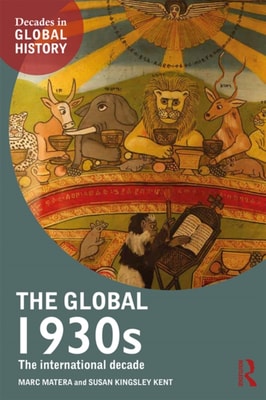
Decentering the traditional narrative of American breadlines, Soviet show trials and German fascists, The Global 1930s takes a truly international approach to exploring this turbulent decade.
Decentering the traditional narrative of American breadlines, Soviet show trials and German fascists, The Global 1930s takes a truly international approach to exploring this turbulent decade.
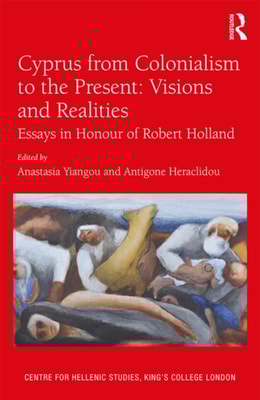
This volume is published in honour of the acclaimed work of Robert Holland, historian of the British Empire and the Mediterranean, and it brings together essays based on the original research of his colleagues, former students and friends.
This volume is published in honour of the acclaimed work of Robert Holland, historian of the British Empire and the Mediterranean, and it brings together essays based on the original research of his colleagues, former students and friends.
This book, first published in 1974, seeks to answer the questions whether the nuclear family tends to be an isolated unit relatively cut off from its extended kin network; whether the patterns and effects of urbanization in the developing nations follow exactly the same lines as in the industrialised nations; and whether the transition from pre-urban to urban living necessarily involves stresses and strains, conflict and sociocultural maladjustments.
This book, first published in 1974, seeks to answer the questions whether the nuclear family tends to be an isolated unit relatively cut off from its extended kin network; whether the patterns and effects of urbanization in the developing nations follow exactly the same lines as in the industrialised nations; and whether the transition from pre-urban to urban living necessarily involves stresses and strains, conflict and sociocultural maladjustments.
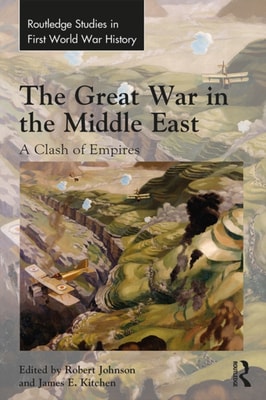
Traditionally, in general studies of the First World War, the Middle East is an arena of combat that has been portrayed in romanticised terms, in stark contrast to the mud, blood, and presumed futility of the Western Front.
Traditionally, in general studies of the First World War, the Middle East is an arena of combat that has been portrayed in romanticised terms, in stark contrast to the mud, blood, and presumed futility of the Western Front.
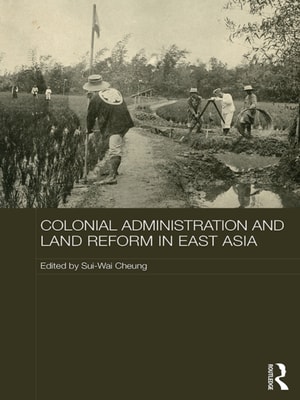
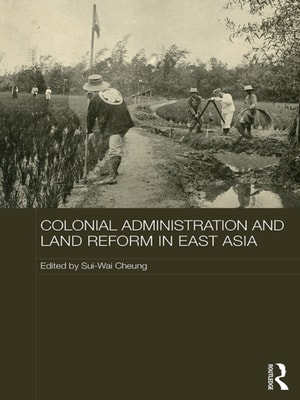
This book argues that as colonialism brought the concept of individual, as opposed to collective, land ownership to indigenous society, along with Western surveying techniques, the changes that resulted altered the relationship of the state to its citizens, and, thereby, the structure of local societies.
This book argues that as colonialism brought the concept of individual, as opposed to collective, land ownership to indigenous society, along with Western surveying techniques, the changes that resulted altered the relationship of the state to its citizens, and, thereby, the structure of local societies.
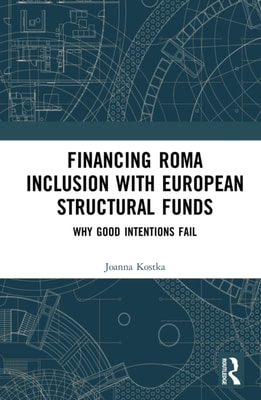
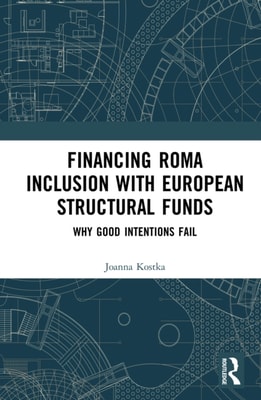
This book provides an analysis of the highly politicized field of Roma inclusion and addresses the controversies surrounding the effectiveness of funding initiatives derived from European Cohesion Policy.
This book provides an analysis of the highly politicized field of Roma inclusion and addresses the controversies surrounding the effectiveness of funding initiatives derived from European Cohesion Policy.
In the aftermath of the First World War, the victorious powers - more or less liberal democracies - argued that democracy would bring peace to Europe because this was the only effective way for legitimate states, with governments based on the consent of the governed, to be organized.
In the aftermath of the First World War, the victorious powers - more or less liberal democracies - argued that democracy would bring peace to Europe because this was the only effective way for legitimate states, with governments based on the consent of the governed, to be organized.
This book takes the concept of piracy as a starting point to discuss the instability of property as a social construction and how this is spatially situated.
This book takes the concept of piracy as a starting point to discuss the instability of property as a social construction and how this is spatially situated.
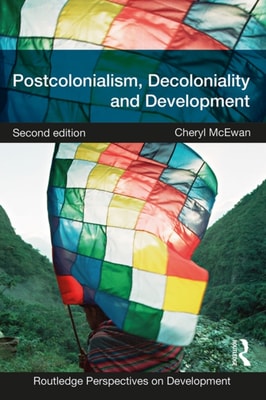
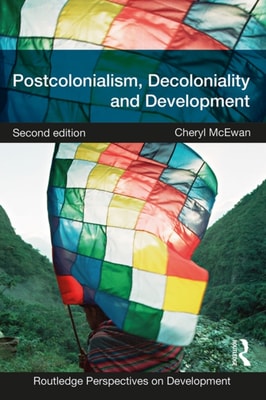
Postcolonialism, Decoloniality and Development is a comprehensive revision of Postcolonialism and Development (2009) that explains, reviews and critically evaluates recent debates about postcolonial and decolonial approaches and their implications for development studies.
Postcolonialism, Decoloniality and Development is a comprehensive revision of Postcolonialism and Development (2009) that explains, reviews and critically evaluates recent debates about postcolonial and decolonial approaches and their implications for development studies.
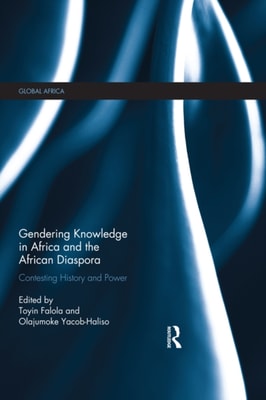
Gendering Knowledge in Africa and the African Diaspora addresses the question of to what extent the history of gender in Africa is appropriately inscribed in narratives of power, patriarchy, migration, identity and women and men's subjection, emasculation and empowerment.
Gendering Knowledge in Africa and the African Diaspora addresses the question of to what extent the history of gender in Africa is appropriately inscribed in narratives of power, patriarchy, migration, identity and women and men's subjection, emasculation and empowerment.