This timely and informative volume centres how global Black feminist narratives of care are important to our contemporary theorizing and highlights the transgressive potential of a critical transnational Black feminist pedagogical praxis.
This edited collection explores the visibility of modernization in architecture produced in different capitalist regions across the world and provides readers with a historico-theoretical and historico-geographical discussion.
Departing from more conscribed definitions, this book argues for an expansion of the concept of 'Creolization' in terms of duration, temporality, population, and importantly, in regional scope, which also impact climate and the practices of slavery that are typically included and excluded from consideration.
How do we try to make the world a better place, when the challenges of poverty, disease, war, conflict, and climate change continue to impact millions of lives?
This book mediates between postcolonial positions that criticize Marxist approaches (and Marx's writings) for their Eurocentrism and defenders of Marx, who claim that this accusation is a myth.
Breaking new ground in the study of European colonialism, this book focuses on a nation historically positioned between the Western and Eastern Empires of Europe - Finland.
Woodrow Wilson's presidential administration (1913-1921) was marked not only by America's participation in World War I, but also by numerous armed interventions by the United States in other countries.
This book explores the formation of human capital in education, interrogating its social and ethical implications, and examining its role in generating policies and practices that govern curriculum studies as an academic field.
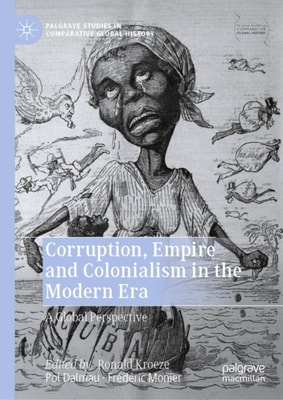
Answering the calls made to overcome methodological nationalism, this volume is the first examination of the links between corruption and imperial rule in the modern world.
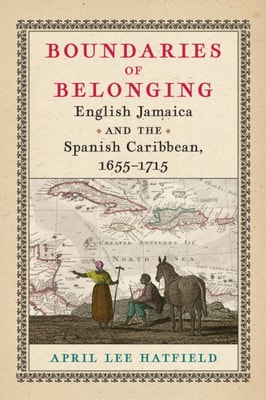
In the decades following England's 1655 conquest of Spanish Jamaica, the western Caribbean became the site of overlapping and competing claims-to land, maritime spaces, and people.
This edition brings together in three fully edited volumes the correspondence and associated papers of Sir Joseph Banks regarding European and especially British exploration of Africa from 1767-1820, for the first time publishing this globally scattered material in one place, thereby revolutionizing its availability and understanding of the activities of a key figure who helped organize and publish a series of missions to penetrate the African interior, mainly from West Africa and by crossing the Sahara from Cairo and Tripoli.
Following the Brexit vote, this book offers a timely historical assessment of the different ways that Britain's economic future has been imagined and how British ideas have influenced global debates about market relationships over the past two centuries.
Commemorating the thirtieth anniversary of Paul Gilroy's seminal text, The Black Atlantic: Modernity and Double Consciousness, this book offers fresh interpretations of established black Atlantic scholarship from the perspective of those typically elided from its ideological purview and existential narrative.
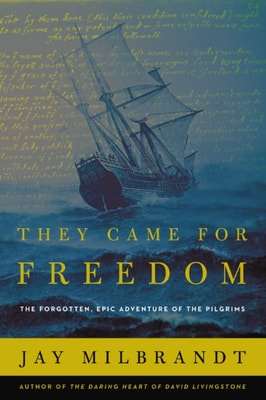
A page-turning story of the Pilgrims, the courageous band of freedom-seekers who set out for a new life for themselves and forever changed the course of history.
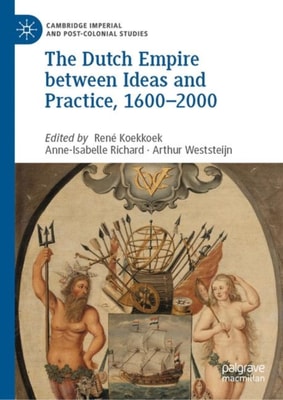
This volume explores the intellectual history of the Dutch Empire from a long-term and global perspective, analysing how ideas and visions of empire took shape in imperial practice from the seventeenth century to the present day.
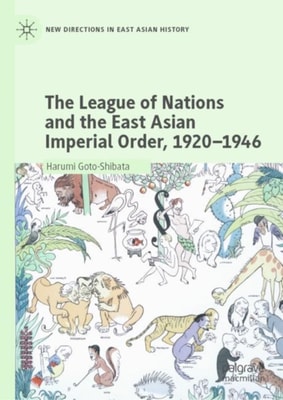
Well-grounded on abundant Japanese language sources which have been underused, this book uncovers the League of Nations' works in East Asia in the inter-war period.
This book explores perceptions of toleration and self-identity through an analysis of otherness' real experience of Italian travellers, Catholic missionaries and Maltese proto-journalists within Mediterranean border-spaces.
This book uses a historical and theoretical focus to examine the key of issues of the Enlightenment, Orientalism, concepts of identity and difference, and the contours of different modernities in relation to both local and global shaping forces, including the spread of capitalism.
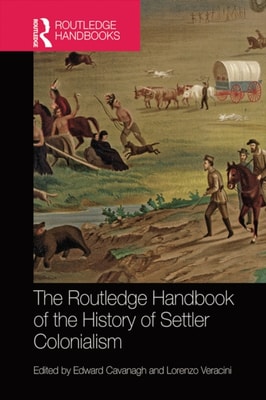
The Routledge Handbook of the History of Settler Colonialism examines the global history of settler colonialism as a distinct mode of domination from ancient times to the present day.
To what extent do women accept, adjust and challenge the intersecting and shifting relations of cultural, political and religious discourses that organize their (sexual) lives?
This book explores the interaction between science and society and the development of forensic science as well as the historical roots of crime detection in colonial India.
This book explores how public commentary framed Australian involvement in the Waikato War (1863-64), the Sudan crisis (1885), and the South African War (1899-1902), a succession of conflicts that reverberated around the British Empire and which the newspaper press reported at length.
This book offers an analysis of the decolonisation process across three different regions around the world: Central America, Southeast Asia and the Caucasus.
This collection provides new insights into the 'Age of Revolutions', focussing on state trials for treason and sedition, and expands the sophisticated discussion that has marked the historiography of that period by examining political trials in Britain and the north Atlantic world from the 1790s and into the nineteenth century.
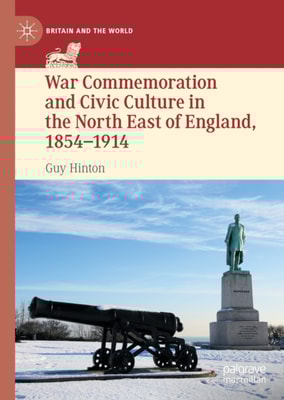
This book examines a diverse set of civic war memorials in North East England commemorating three clusters of conflicts: the Crimean War and Indian Rebellion in the 1850s; the 'small wars' of the 1880s; and the Boer War from 1899 to 1902.
This book will be the first to deeply analyze the Swedish court and monarchy through a longue duree perspective to show the crucial role of the court in maintaining a relationship between the monarchy and nobility throughout the eighteenth and nineteenth centuries.
In this edifying volume Sarah Corona and Claudia Zapata extrapolate the causes for the divisions between groups in Latin American society, bringing their years of experience investigating the conditions and consequences of heterogeneity in the region.