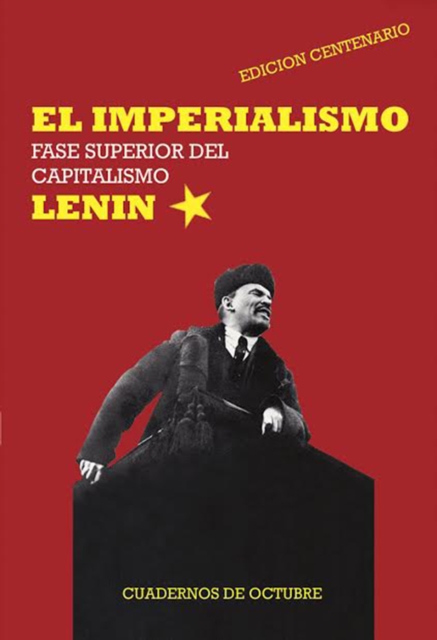
Si fuera necesario dar una definición lo más breve posible del imperialismo, debería decirse que el imperialismo es la fase monopolista del capitalismo.
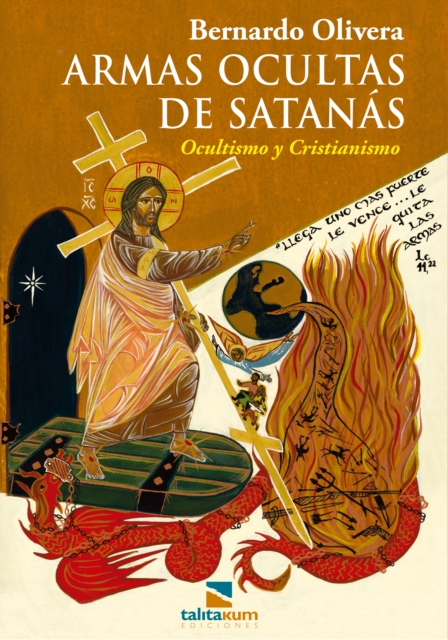
El enemigo de la raza humana, que se ha rebelado contra Dios y que quiere llevar toda la creación a la perdición y a la destrucción, quiere también hacernos perder la esperanza de amar y gozar de la misericordia de Dios-Amor.
Este es un libro religioso: su finalidad es desvelar la causa última del mal, el Maligno, y hacer un acto de fe en el absoluto señorío de Jesucristo sobre todo lo creado.
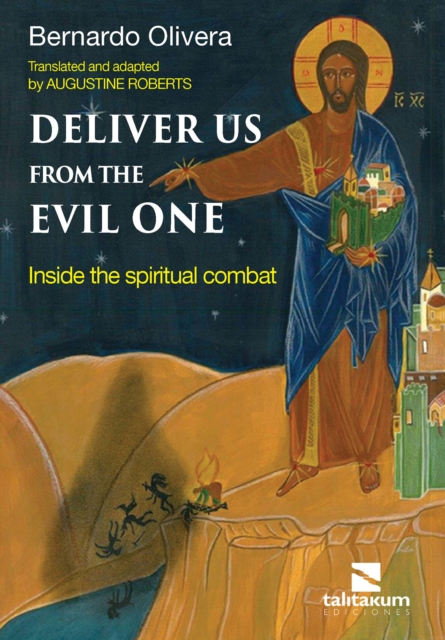
Bernardo Olivera no solo nos ayuda a reconocer la existencia del demonio, sino también a preguntarnos qué incidencia espiritual tiene esta realidad en la vida de cada uno, qué relación tiene con nuestro propio camino de santificación, nuestro propio "combate espiritual".
'A crucial, riveting polemic in support of one of the most precious things humanity has built - democracy itself' OWEN JONES'Graham Smith shows what fools our rotten constitution makes of us, with a monarch as emblem of a country beset by nepotism, backhanders, chumocracy and inherited privilege.
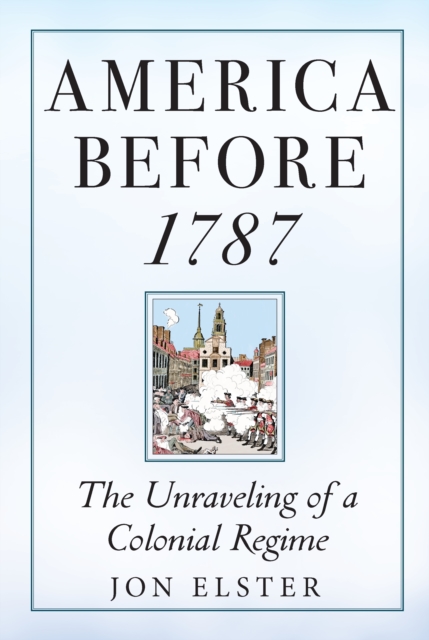
An original account, drawing on both history and social science, of the causes and consequences of the American RevolutionWith America before 1787, Jon Elster offers the second volume of a projected trilogy that examines the emergence of constitutional politics in France and America.
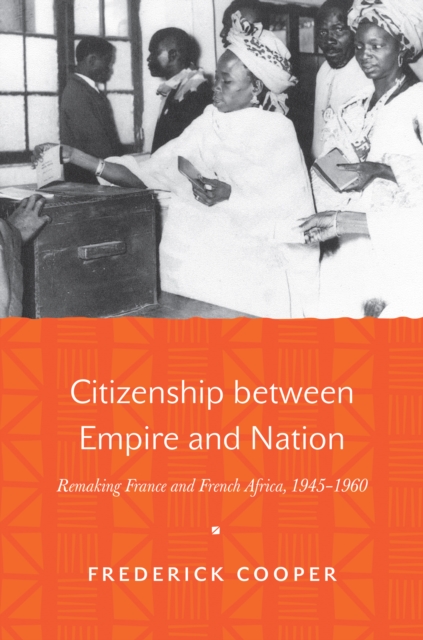
A groundbreaking history of the last days of the French empire in AfricaAs the French public debates its present diversity and its colonial past, few remember that between 1946 and 1960 the inhabitants of French colonies possessed the rights of French citizens.
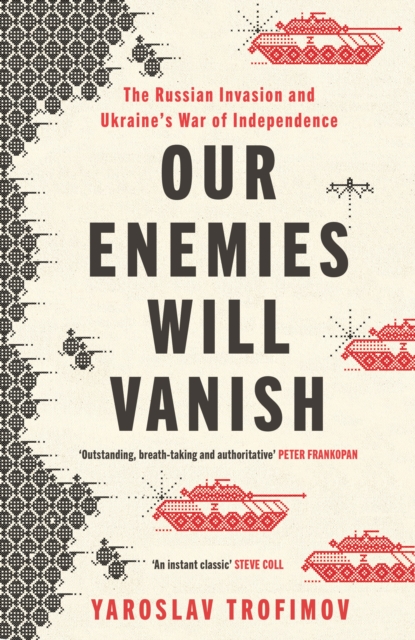
THE COMPELLING ACCOUNT FROM THE FRONT LINES OF THE WAR IN UKRAINEFINALIST FOR THE ORWELL PRIZEFINALIST FOR THE PETERSON LITERARY PRIZEA revelatory eyewitness account of Russia s invasion of Ukraine and heroism of the Ukrainian resistance by Pulitzer Prize finalist Yaroslav Trofimov, the chief foreign-affairs correspondent for The Wall Street Journal.
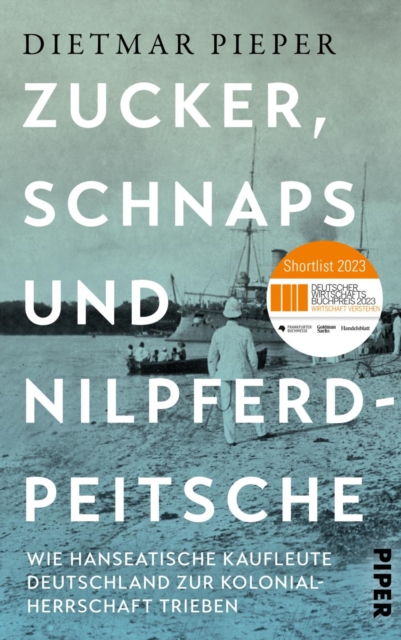
Der deutsche Kolonialismus entstand im Zusammenspiel von Kaufleuten, Bankiers und Reedern, für die der außereuropäische Handel seit Langem eine ihrer wichtigsten Einnahmequellen war.
Step into the golden age of ancient Egypt, where ambition, innovation, and divine authority converged to create one of humanity's most enduring wonders: the Great Pyramid of Giza.
Shortlisted for the Queensland Literary Awards, Work of State Significance and The University of Queensland Non-Fiction Book AwardShortlisted for the 2025 Prime Minister's Literary Awards, Australian HistoryWinner of the 2025 NSW History Award, Australian History PrizeWinner of the 2025 Marion ACT Literary Award, Non-FictionWinner of the First Nations History Award, Canberra Critics' Circle Awards 2024Winner of the 2025 ACT Book of the Year AwardFor the first time, the First Nations story of Cook's arrival, and what blackfellas want everyone to know about the coming of Europeans.
This book is a chronology of the dialogue between the colonised Palestinians and their British colonisers during the 'Mandate' years from November 1917 through May 1948.
A new history of French social thought that connects postwar sociology to colonialism and empireIn this provocative and original retelling of the history of French social thought, George Steinmetz places the history and development of modern French sociology in the context of the French empire after World War II.
An original account, drawing on both history and social science, of the causes and consequences of the American RevolutionWith America before 1787, Jon Elster offers the second volume of a projected trilogy that examines the emergence of constitutional politics in France and America.
'Key to understanding Black British history' - The Sunday Times'Sharp and still relevant' - Zadie SmithOne of the great poets of modern times, and a deeply respected political and cultural activist and social critic, Linton Kwesi Johnson is also a prolific writer of non-fiction.
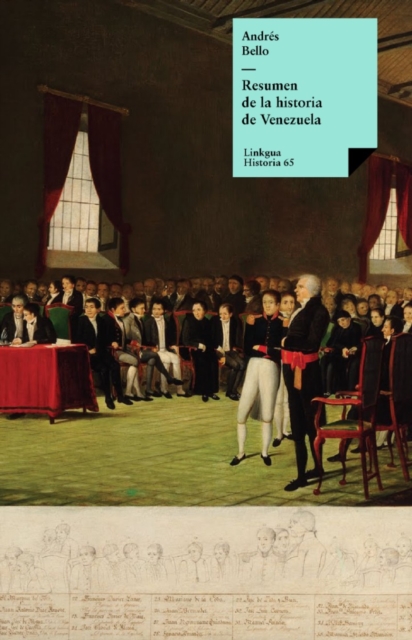
Las independencias hispanoamericanas interrumpieron de forma abrupta las relaciones no solo políticas, sino también demográficas, económicas y culturales que durante casi trescientos años habían vinculado estrechamente a España con sus territorios americanos, ahora emancipados.
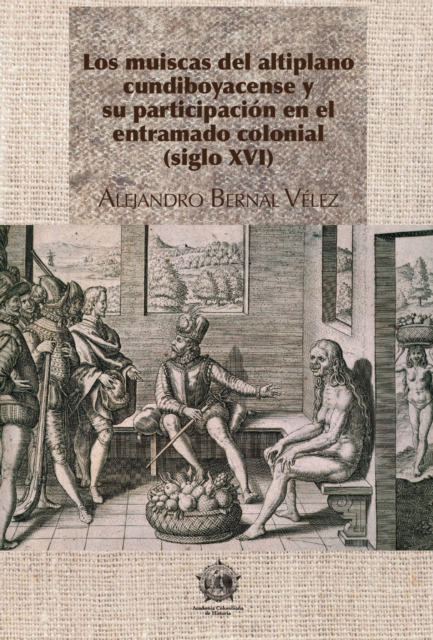
Los muiscas del altiplano cundiboyacense y su participación en el entramado colonial (siglo XVI) analiza el papel activo de las comunidades indígenas de esa región en el contexto de la dominación colonial de la segunda mitad del siglo XVI y las distintas facetas en las que la sociedad indígena respondió al poder español.
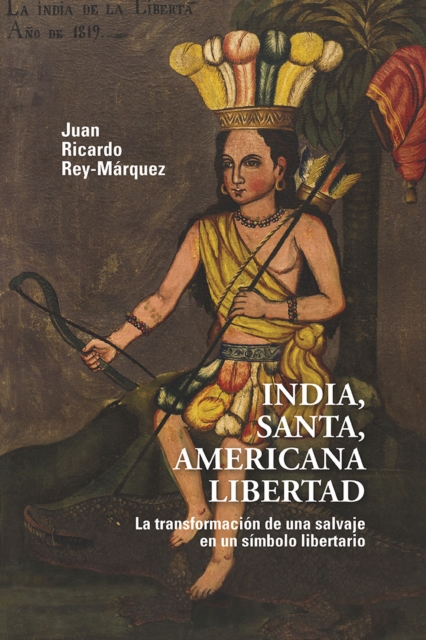
A pesar de parecer lo mismo, la alegoría de América y la india de la libertad se diferencian en un aspecto clave: la fiera y joven indígena, usada en la cartografía moderna, se cargó con la energía de los debates políticos del siglo XVIII para convertirse en un símbolo libertario.
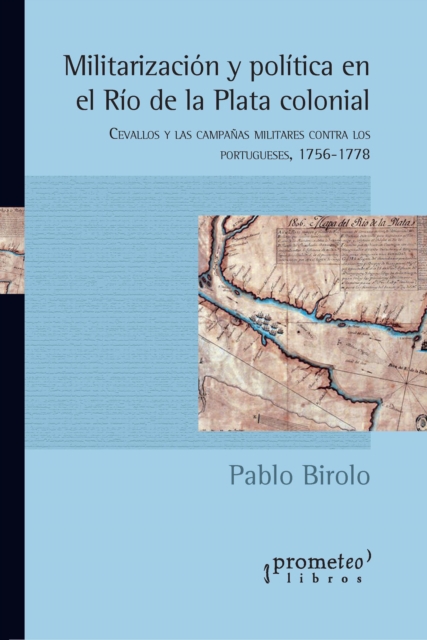
La fundación de Colonia del Sacramento en el año 1680 marcó el inicio de un ciclo de guerras entre españoles y portugueses en el Río de la Plata que se prolongó durante más de cien años.
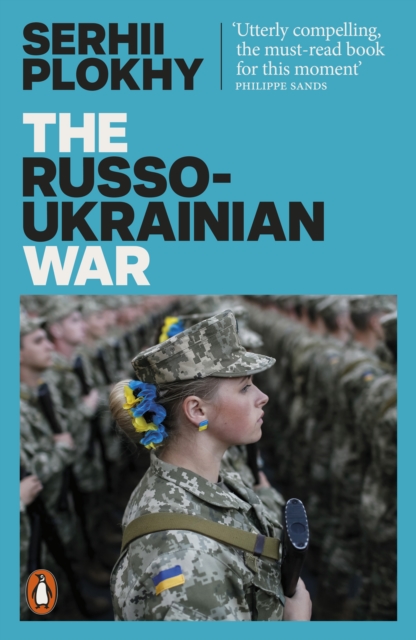
CHOSEN AS A BOOK OF THE YEAR BY THE FINANCIAL TIMES * TELEGRAPH * PROSPECT'The best account of the ongoing conflict its preconditions and its present-day horrors' Prospect Do you know what is at stake in Ukraine?
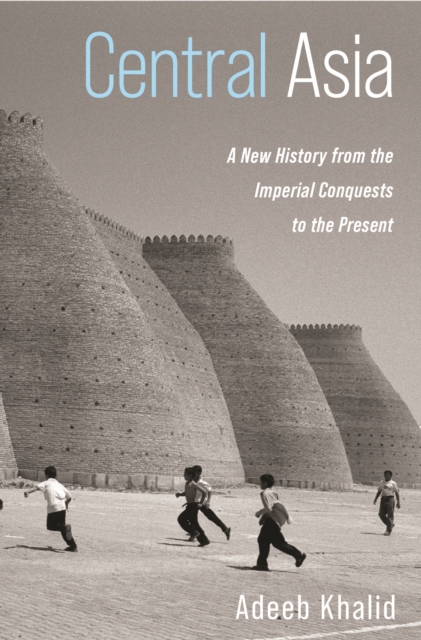
A major history of Central Asia and how it has been shaped by modern world eventsCentral Asia is often seen as a remote and inaccessible land on the peripheries of modern history.
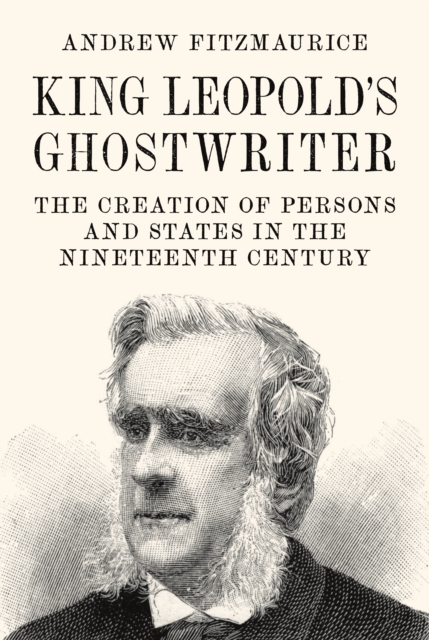
A dramatic intellectual biography of Victorian jurist Travers Twiss, who provided the legal justification for the creation of the brutal Congo Free StateEminent jurist, Oxford professor, advocate to the Archbishop of Canterbury, Travers Twiss (18091897) was a model establishment figure in Victorian Britain, and a close collaborator of Prince Metternich, the architect of the Concert of Europe.
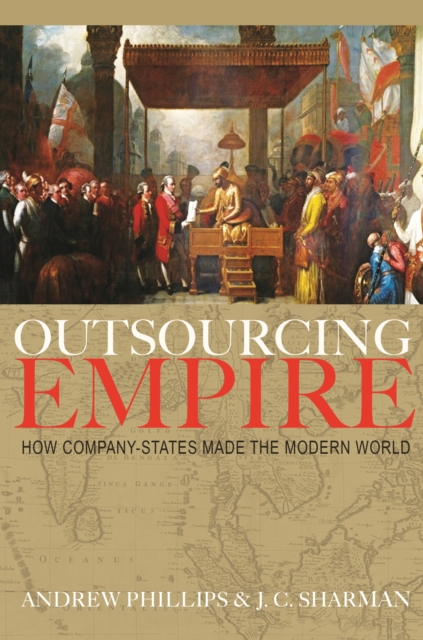
How chartered company-states spearheaded European expansion and helped create the world's first genuinely global orderFrom Spanish conquistadors to British colonialists, the prevailing story of European empire-building has focused on the rival ambitions of competing states.
A Congressional Medal of Honor AccountExtraordinary Valor is the story of Special Forces Major John Duffy's Medal of Honor gallantry at Firebase Charlie, and the heroism of South Vietnamese paratrooper, Major L Vn M, who fought by his side.
How social networks shaped the imperial Chinese stateChina was the world's leading superpower for almost two millennia, falling behind only in the last two centuries and now rising to dominance again.
A new history of French social thought that connects postwar sociology to colonialism and empireIn this provocative and original retelling of the history of French social thought, George Steinmetz places the history and development of modern French sociology in the context of the French empire after World War II.
Seit es eine kritische Geschichtsschreibung zu "Deutsch-Südwestafrika" gibt, ist mit Blick auf die deutschen ›Pazifizierungskriege‹ gegen Herero und Nama (1904–1908) von ›Genozid‹ die Rede.
Folgende Geschichten sind in diesem Werk enthalten:- Das blutige Gold der Wichita-Mountains- Tokecha- Ihr Traum war Kanada- Weißer Shayenne- Langes Messer aus Fort Kinley
Los ensayos que integran el libro que el lector tiene ahora entre sus manos se plantean como objetivo contribuir a desentrañar las relaciones existentes entre demonología cristiana y cultura folklórica en un escenario específico –España y el mundo ibérico– y, en un período determinado, los siglos de la primera modernidad.
A major new biography of the iconic Austrian empress that challenges the many myths about her life and ruleMaria Theresa (17171780) was once the most powerful woman in Europe.
From the acclaimed author of The Gunpowder Age, a book that casts new light on the history of China and the West at the turn of the nineteenth centuryGeorge Macartney's disastrous 1793 mission to China plays a central role in the prevailing narrative of modern Sino-European relations.
This first truly international history of the Korean War argues that by its timing, its course, and its outcome it functioned as a substitute for World War III.
A soldier's eye view of Vietnam's fiercest close-quarters battle upon its 50th anniversaryKhe Sanh's Hill Fights of 1967as experienced by co-author Bobby Maras and told in this hour-by-hour, day-by-day accountwere carnage on the ground, much of it hand-to-hand fighting in the dark.
An inspiring first-hand account by military aviation pioneer Richard Kirkland recounts how he and a handful of daring helicopter pilots revolutionized battlefield medical evacuation and blazed the trail for modern air-evac flying.
Brilliantly reconstructed from contemporary narratives, The Last Outlaws is both a gripping work of historical true crime and a richly revealing examination of our nation at its birth.