Geographers is an annual collection of studies on individuals who have made major contributions to the development of geography and geographical thought.
Geographers is an annual collection of studies on individuals who have made major contributions to the development of geography and geographical thought.
Geographers is an annual collection of studies on individuals who have made major contributions to the development of geography and geographical thought.
Geographers is an annual collection of studies on individuals who have made major contributions to the development of geography and geographical thought.
Geographers is an annual collection of studies on individuals who have made major contributions to the development of geography and geographical thought.
Geographers is an annual collection of studies on individuals who have made major contributions to the development of geography and geographical thought.
Geographers is an annual collection of studies on individuals who have made major contributions to the development of geography and geographical thought.
Geographers is an annual collection of studies on individuals who have made major contributions to the development of geography and geographical thought.
A myth-busting biography of Henrietta Maria, wife of Charles I, which retells the dramatic story of the civil war from her perspectiveA TIMES BOOK OF THE YEARSHORTLISTED FOR THE ELIZABETH LONGFORD PRIZEHenrietta Maria, Charles I's queen, is the most reviled consort in British history.
'The English Civil War is a joy to behold, a thing of beauty this will be the civil war atlas against which all others will judged and the battle maps in particular will quickly become the benchmark for all future civil war maps.
Coinciding with the 80th anniversary of the outbreak of World War II, this stunning collection of cartography offers a detailed insight into the German Blitzkrieg that overran Europe in the early years of World War II.
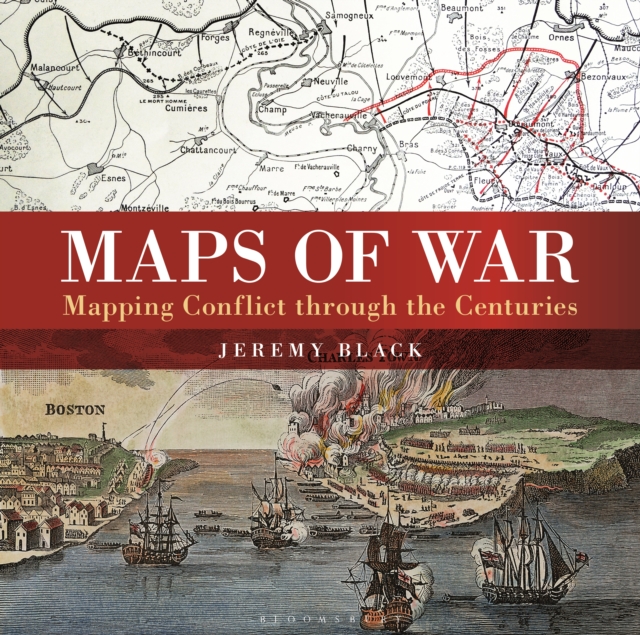
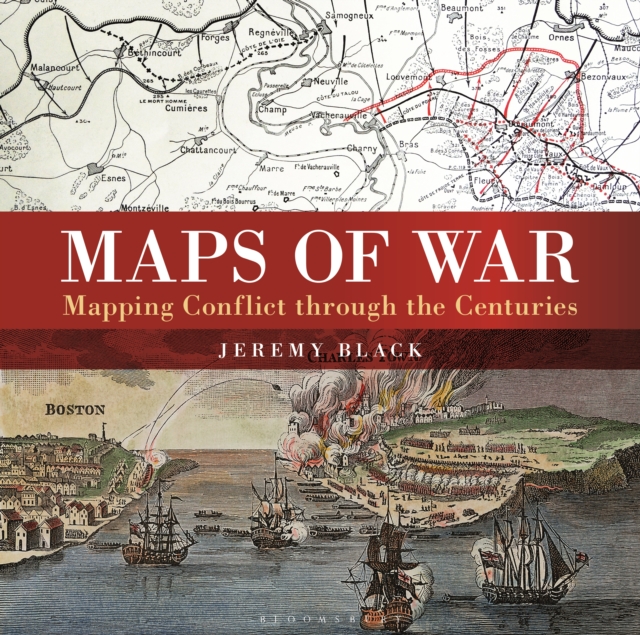
A magnificent visual survey of how conflict was recorded and planned, using maps produced at the time to reveal how warfare and its documentation has changed through the centuries.
A magnificent visual survey of how conflict was recorded and planned, using maps produced at the time to reveal how warfare and its documentation has changed through the centuries.
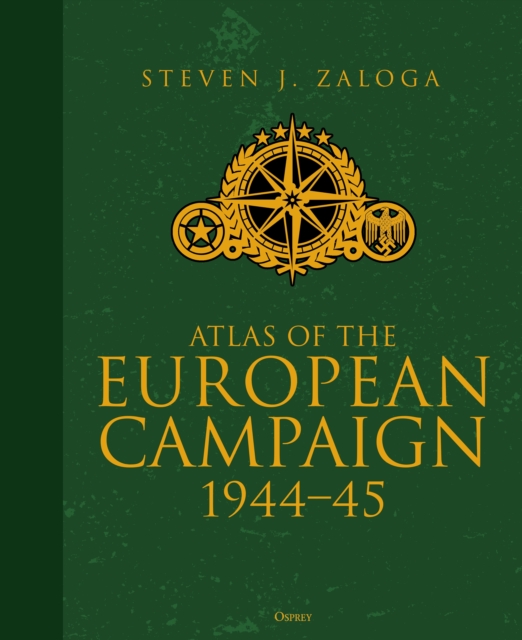
Featuring scores of painstakingly researched and intricately detailed maps, this stunning, luxuriously bound book displays and explains the campaigns on the most famous theatre of war in history the European Theatre of World War II.
Volume 33 of Geographers Biobibliographical Studies adds significantly to the corpus of scholarship on geography's multiple histories and biographies with six essays on individuals who have made major contributions to the development of geography in the twentieth century.
Volume 33 of Geographers Biobibliographical Studies adds significantly to the corpus of scholarship on geography's multiple histories and biographies with six essays on individuals who have made major contributions to the development of geography in the twentieth century.
After the enormous international success of The Phantom Atlas and The Golden Atlas, Edward Brooke-Hitchings stunning new book unveils some of the most beautiful maps and charts ever created during mankinds quest to map theskies above us.
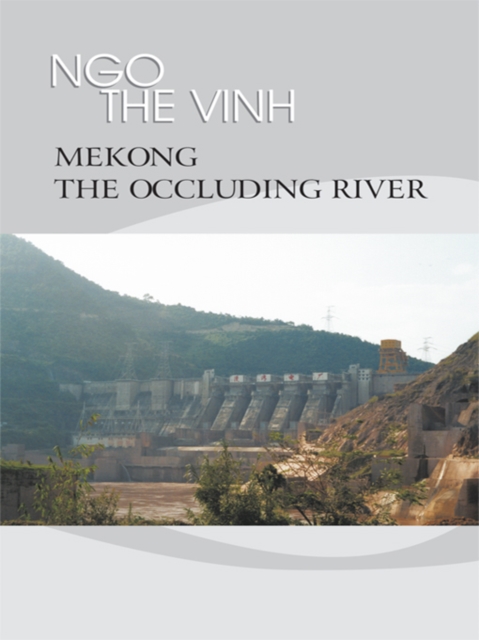
Part travelogue, part history, and part environmental treatise, Mekong The Occluding River is above all else an urgent warning that factors such as pollution, ecological devastation, and the depletion of natural resources are threatening the very existence of the Mekong River.
Geography and Politics Among Nations is intended to assist the general reader to grasp the significance of geopolitical awareness in the conduct of foreign relations.
**WINNER OF THE PULITZER PRIZE** 'A book of big questions, and big answers' Yuval Noah Harari, bestselling author of Sapiens Why has human history unfolded so differently across the globe?
If I have saved one dingle fact of the far off past from being lost, or have thrown any light on that which was doubtful on our local traditions, I shall not have spent the time occupied in writing this record altogether in vain.
Acclaimed travel writer and Oxford geography don Nick Middleton takes us on a magical tour of countries that, lacking diplomatic recognition or UN membership, inhabit a world of shifting borders, visionary leaders and forgotten peoples.
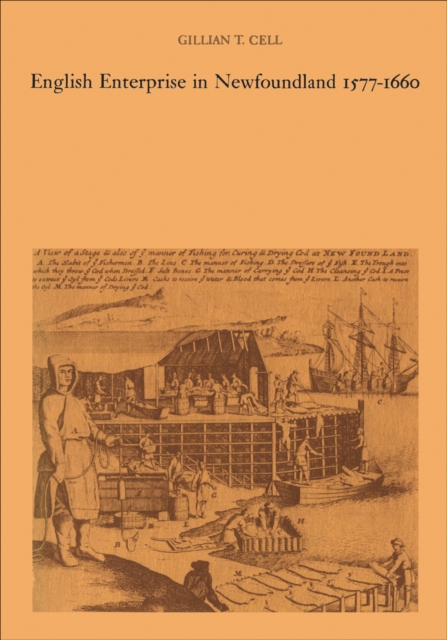
Between 1577 and 1660 Newfoundland emerged from relative obscurity to become the centre of a booming and valued industry, the site of one of England's first colonies, and a place of such strategic importance that the English government could not afford to ignore it.