From the best-selling author of THE DINOSAUR HUNTERS and THE LOST KING OF FRANCE comes the story of how our modern world was forged - in rivets, grease and steam; in blood, sweat and human imagination.
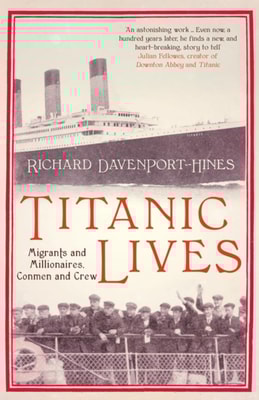
Marking the centenary of the Titanic disaster, 'Titanic Lives' is an utterly compelling exploration of the lives of the passengers and crew on board the most famous ship in history.
The delicious true story of the early chocolate pioneers by the award-winning writer, and direct descendant of the famous chocolate dynasty, Deborah CadburyIn 'Chocolate Wars' bestselling historian and award-winning documentary maker Deborah Cadbury takes a journey into her own family history to uncover the rivalries that have driven 250 years of chocolate empire-building.
The world is on the cusp of a manufacturing revolution, with open opportunities for those who understand what is driving the change The rapid emergence of China and India as prime locations for low-cost manufacturing has led some analysts to conclude that manufacturers in the "old economies"—the U.
"e;Emma Griffin gives a new and powerful voice to the men and women whose blood and sweat greased the wheels of the Industrial Revolution"e; (Tim Hitchcock, author of Down and Out in Eighteenth-Century London).
Outstanding Title by Choice MagazineOn the banks of the Pacific Northwests greatest river lies the Hanford nuclear reservation, an industrial site that appears to be at odds with the surrounding vineyards and desert.
An expert investigates Russia''s long history of technological invention followed by commercial failure and points to new opportunities to break the pattern.
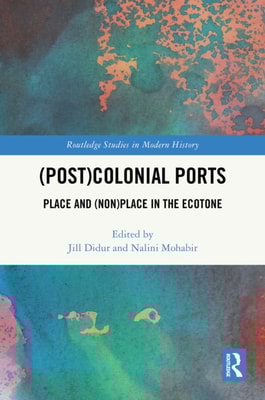
This book examines the role of (post)colonial ports in creating and shaping the ecotonal, cultural, historical, material, environmental, socio-political, and economic contexts in formerly colonized regions, spanning the Caribbean, Africa, North America, Europe, and the Pacific.
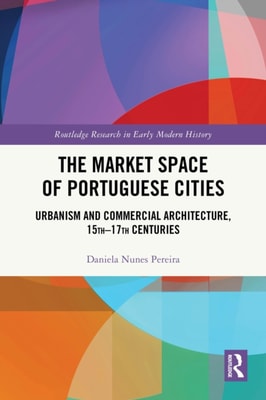
This book explores the transformation of market spaces in Portuguese cities during the intensification of trade driven by increasing profits from overseas exchanges, and how architectural structures and urban planning were directly impacted by these changes to accommodate the new economic dynamics.
An essential gift for every history buff, this boldly illustrated ebook maps out the events that have shaped our world - from the dawn of human civilization to the present day.
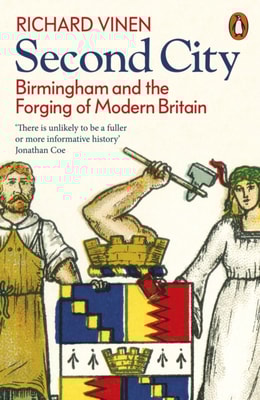
A DAILY TELEGRAPH BOOK OF THE YEAR 2022'There is unlikely to be a fuller or more informative history of Birmingham than Vinen's' Jonathan Coe, Financial Times'Vinen has written a history of Birmingham, but it is also a theory of Birmingham.
*Longlisted for the William MB Berger Prize for British Art History, 2022*A spectacular biography of the great designer, entrepreneur, abolitionist and beacon of the Industrial Revolution, from acclaimed historian and Director of the Victoria and Albert Museum, Tristram HuntJosiah Wedgwood, perhaps the greatest English potter who ever lived, epitomized the best of his age.
This book offers a historical analysis of landfill sites in New York City, Greater Toronto, and Greater Tel Aviv, and uses them as case studies to emphasize the international and global scale of issues concerning waste disposal and park redevelopments.
From the lumberyards and meatpacking factories of the Southwest Side to the industrial suburbs that arose near Lake Calumet at the turn of the twentieth century, manufacturing districts shaped Chicago's character and laid the groundwork for its transformation into a sprawling metropolis.
This inquiry into the technical advances that shaped the 20th century follows the evolutions of all the principal innovations introduced before 1913 (as detailed in the first volume) as well as the origins and elaborations of all fundamental 20th century advances.
Retaining all the well-loved features from the previous editions, Industrialisation and the People: Britain c1783-1885 has been approved by AQA and matched to the 2015 specification.
This inquiry into the technical advances that shaped the 20th century follows the evolutions of all the principal innovations introduced before 1913 (as detailed in the first volume) as well as the origins and elaborations of all fundamental 20th century advances.
The Digital Hand, Volume 2, is a historical survey of how computers and telecommunications have been deployed in over a dozen industries in the financial, telecommunications, media and entertainment sectors over the past half century.
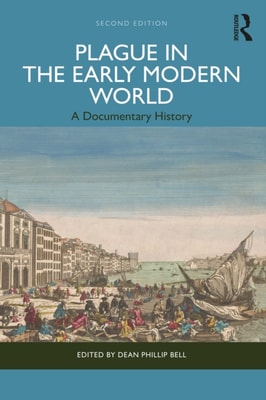
Plague in the Early Modern World, now in a second edition, presents a broad range of primary source materials from Europe, the Middle East, North Africa, China, India, and North America that explore the nature and impact of plague and disease in the early modern world.
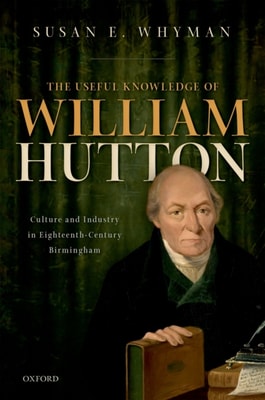
The Useful Knowledge of William Hutton shows the rapid rise of a self-taught workman and the growing prominence of the city of Birmingham during the two major events of the eighteenth-century - the Industrial Revolution and the Enlightenment.
The Useful Knowledge of William Hutton shows the rapid rise of a self-taught workman and the growing prominence of the city of Birmingham during the two major events of the eighteenth-century - the Industrial Revolution and the Enlightenment.
Without a means of crediting and debiting accounts worldwide and the non-physical transfer of funds, the rapid global economic integration of the late nineteenth and early twentieth centuries would have been impossible.
Since the end of the eighteenth century, the insurance industry has cast a safety net around the world, first in the British Isles and then further afield, irrespective of cultural, political and ideological divides.
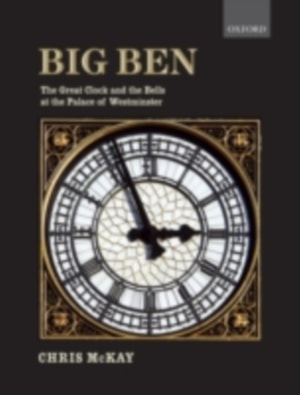
This book covers the history of 'Big Ben', the great clock and bells at Westminster, from the origins of Westminster as the seat of government right up to the celebrations of the Great Clock's 150th anniversary in 2009.
This book offers a fresh look at the often-censured but imperfectly understood traditions of Utilitarianism and political economy in their bearing for Victorian literature and culture.
This book covers the history of 'Big Ben', the great clock and bells at Westminster, from the origins of Westminster as the seat of government right up to the celebrations of the Great Clock's 150th anniversary in 2009.
This book offers a fresh look at the often-censured but imperfectly understood traditions of Utilitarianism and political economy in their bearing for Victorian literature and culture.
Since the Middle Ages Europe has been one of the most urbanized continents on the planet and Europe's cities have firmly stamped their imprint on the continent's economic, social, political, and cultural life.