This volume is devoted to the history, monuments and topography of Byzantine Constantinople, and includes two specially written pieces, as well as up-dates to the studies reprinted.
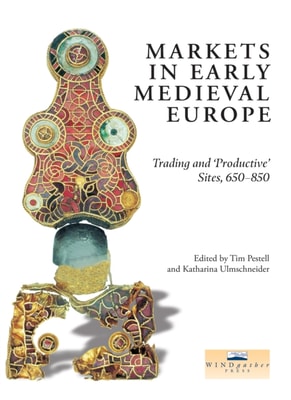
Major sites such as Hamwic and Dorestad typically dominate any discussion of early medieval trade and emporia - this study is altogether atypical in many ways.
Major sites such as Hamwic and Dorestad typically dominate any discussion of early medieval trade and emporia - this study is altogether atypical in many ways.
Clanging: Belfast in its industrial pomp must have been noisy: shipyards manipulating sheets of metal, the constant riveting being only one source of racket; the endless clatter from linen mills, the screeching of trams on unyielding rails, sirens and hooters marking time at the factories.
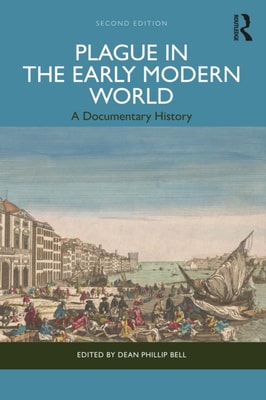
Plague in the Early Modern World, now in a second edition, presents a broad range of primary source materials from Europe, the Middle East, North Africa, China, India, and North America that explore the nature and impact of plague and disease in the early modern world.
This three-volume set concludes ABC-CLIO's groundbreaking series on the Industrial Revolution as it played out in the United States, offering volumes on the communications industry and the agriculture and meatpacking industries-plus a concluding overview volume on the causes, courses, and interconnections among the industries that brought such dramatic change to our lives.
In this landmark study of American labor history, Meredith Tax charts the actions of women in working-class, feminist, and socialist movements between 1880 and 1917 in the USA.
The Shadow of the Mine tells the story of King Coal in its heyday, the heroics and betrayals of the Miners' Strike, and what happened to mining communities after the last pits closed.
In 1973 a group of North Wales building workers were arrested for picketing-related offences during the first and only national building workers strike in Britain the year before.
Impoverished, indebted, and underdeveloped at the close of World War II, Romania underwent dramatic changes as part of its transition to a centrally planned economy.
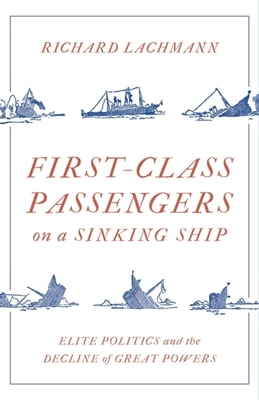
The extent and irreversibility of US decline is becoming ever more obvious as America loses war after war and as one industry after another loses its technological edge.
Railway expansion was the great industrial project of the late 19th century, and the Great Powers built railways at speed and reaped great commercial benefits.
Railway expansion was the great industrial project of the late 19th century, and the Great Powers built railways at speed and reaped great commercial benefits.
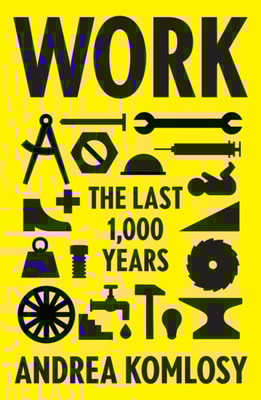
Andrea Komlosy argues in this important intervention that, when we examine it closely, work changes its meanings according to different historical and regional contexts.
The Great Labour Unrest examines the struggle between liberals, socialists and revolutionary syndicalists for control of Britain's best established district miners' union.