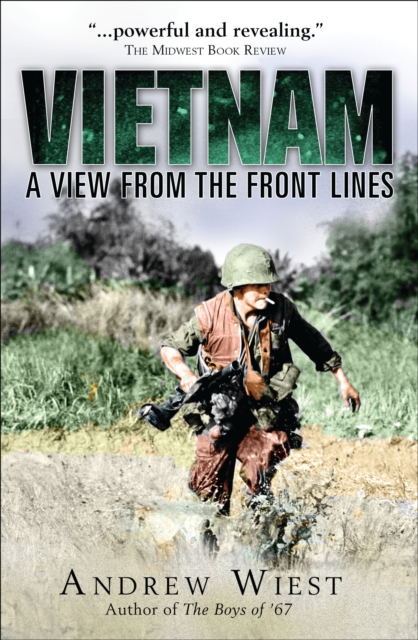
From Andrew Wiest, the bestselling author of The Boys of '67: Charlie Company's War in Vietnam and one of the leading scholars in the study of the Vietnam War, comes a frank exploration of the human experience during the conflict.
Readers of the Telegraph Letters Page will be fondly aware of the eclectic combination of learned wisdom, wistful nostalgia and robust good sense that characterise its correspondence.
The essential humour gift book of the year returns in the anticipated fourth volume of this bestselling series guaranteed to provoke laughter and amazement.
The United States is embroiled in conflicts in Iraq and Afghanistanwars that seem as far from Americans' understanding as they are distant from our shores.
Damon DiMarco's Tower Stories: An Oral History of 9/11 (20th Anniversary Commemorative Edition), eternally preserves a monumental tragedy in American history through the voices of the people who were in New York City on that fateful day.
As his health begins to fail, a historian in the year 2084 sets out to document the irreparable damage climate change has wrought on the planet over the course of his life.
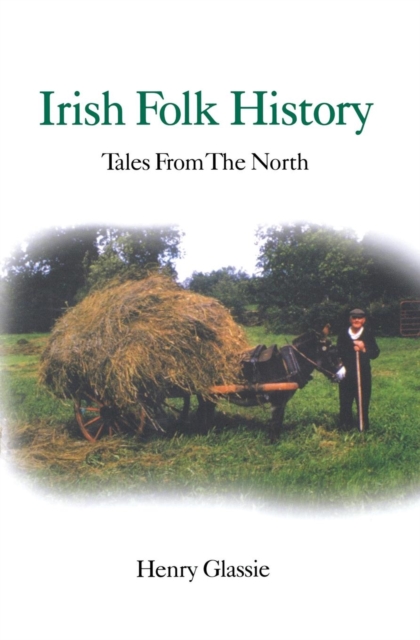
Made of the words of the people who live today in the beautiful, embattled countryside of Ulster, Irish Folk History is, in essence, the people's own statement of their past.
The power of imagination to construct those mythos which alone, according to Barres, give sense and value to our absurd existence and by which, above all, men are moved to believe and act, was at the centre of his life-long preoccupation with the art of arousing and directing spiritual energy in individuals and groups.
The fact that most of the contributors to Charles Dickens's first periodical, Household Words (published from 1850 to 1859), were anonymous has meant that in some highly important respects the character of the publication has been hidden.
Learning behind Bars is an oral history of former Irish republican prisoners in the Republic of Ireland and Northern Ireland between 1971, the year internment was introduced, and 2000, when the high-security Long Kesh Detention Centre/HM Prison Maze closed.
Learning behind Bars is an oral history of former Irish republican prisoners in the Republic of Ireland and Northern Ireland between 1971, the year internment was introduced, and 2000, when the high-security Long Kesh Detention Centre/HM Prison Maze closed.
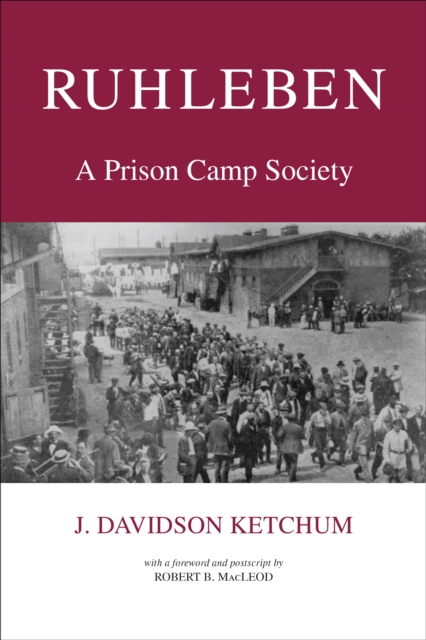
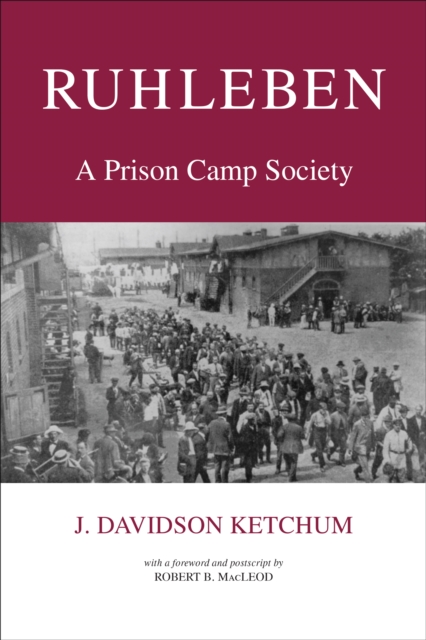
This is an unusual book in that it is an important contribution to social psychology and also an absorbing story of four strange years in a German prison camp of World War I.
This is an unusual book in that it is an important contribution to social psychology and also an absorbing story of four strange years in a German prison camp of World War I.
In the mid- to late-1930s, while he was a student at the Gregorian University in Rome, Bernard Lonergan wrote a series of eight essays on the philosophy and theology of history.
In the mid- to late-1930s, while he was a student at the Gregorian University in Rome, Bernard Lonergan wrote a series of eight essays on the philosophy and theology of history.
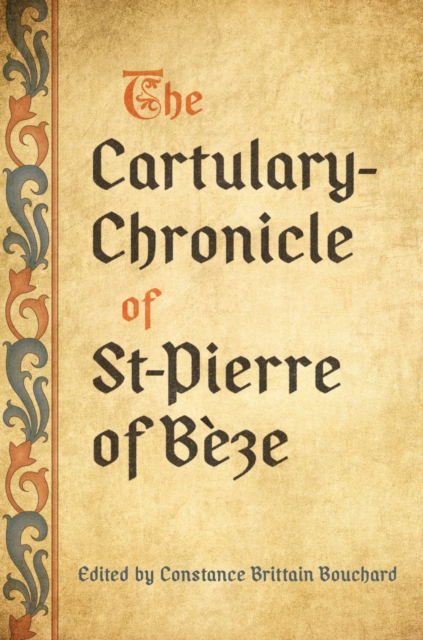
In the early twelfth century a Burgundian monk set out to tell the 500-year history of his monastery, embedded within a broader history of early medieval France.
In the early twelfth century a Burgundian monk set out to tell the 500-year history of his monastery, embedded within a broader history of early medieval France.
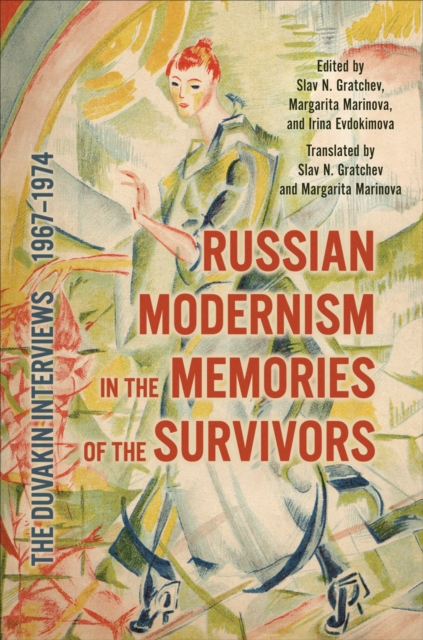
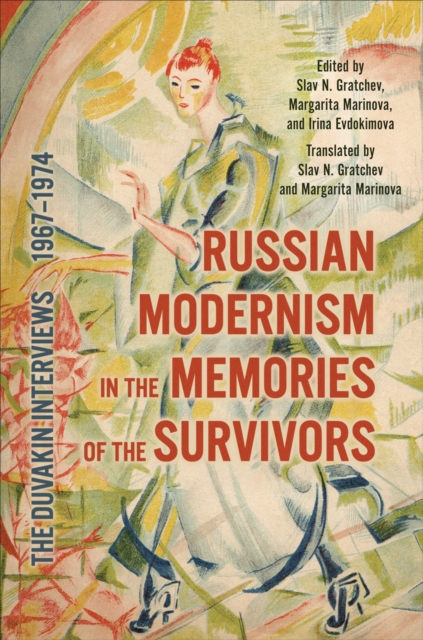
In the late 1960s and early 1970s, Soviet philologist, literary dissident, and university professor Viktor Duvakin made it his mission to interview the members of the artistic avant-garde who had survived the Russian Revolution, Stalin's purges, and the Second World War.
In the late 1960s and early 1970s, Soviet philologist, literary dissident, and university professor Viktor Duvakin made it his mission to interview the members of the artistic avant-garde who had survived the Russian Revolution, Stalin's purges, and the Second World War.
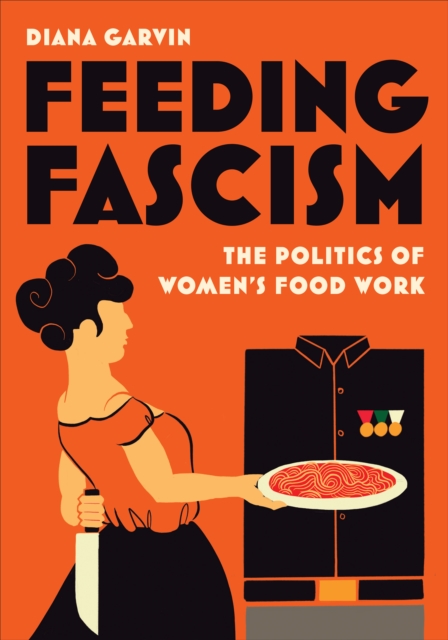
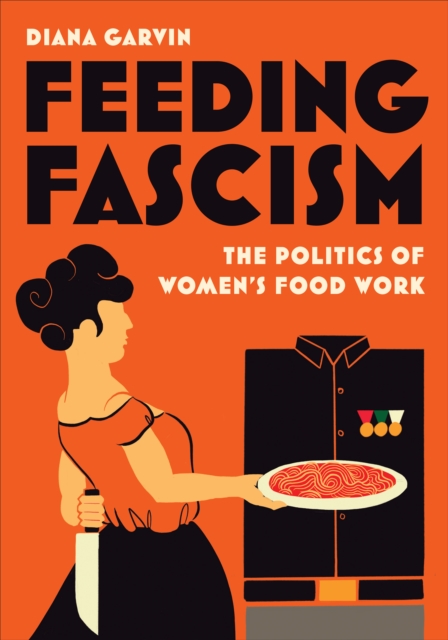
Feeding Fascism explores how women negotiated the politics of Italy's Fascist regime in their daily lives and how they fed their families through agricultural and industrial labour.
Feeding Fascism explores how women negotiated the politics of Italy's Fascist regime in their daily lives and how they fed their families through agricultural and industrial labour.
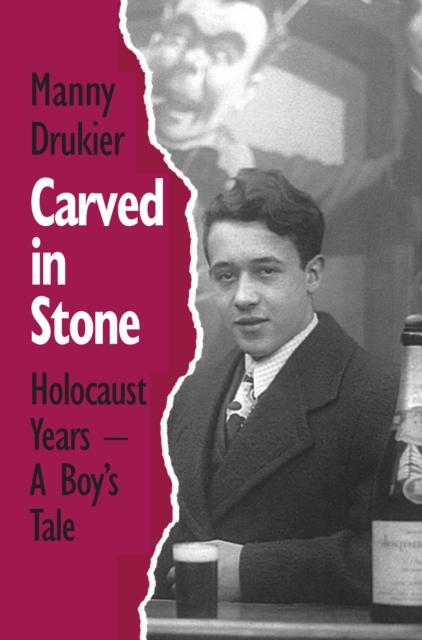
The title of this book is taken from Primo Levi's words about survivors of the Holocaust: `The survivors are divided into two well-defined groups: those who repress their past en bloc, and those whose memory of the offence persists, as though carved in stone.
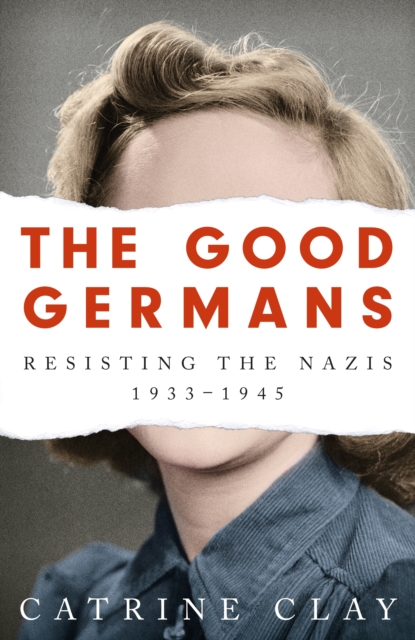
After 1933, as the brutal terror regime took hold, most of the two-thirds of Germans who had never voted for the Nazis - some 20 million people - tried to keep their heads down and protect their families.
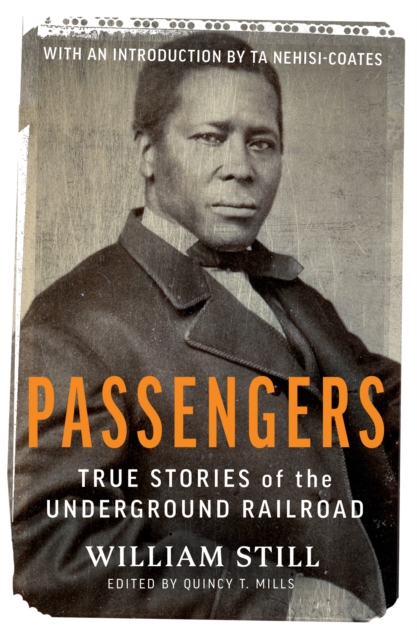
Discover a powerful collection of the hardships, hairbreadth escapes, and mortal struggles of enslaved people seeking freedom: These are the true stories of the Underground Railroad.