This oral history of ex-combatants of the Portuguese colonial war places the reader face-to-face with the men who were conscripted to fight the last and bloodiest of the West's colonial wars in Africa, namely in Angola, Mozambique and Guinea-Bissau (then Portuguese Guinea), between 1961 and 1974.
This book sheds new light on the life and times of Theodore Roosevelt, drawing on a remarkable set of oral histories gathered in the 1950s from those who knew him.
This book brings together the Armenian Genocide process and its transgenerational outcome, which are often juxtaposed in existing scholarship, to ask how the Armenian Genocide is conceptualized and placed within diasporic communities.
The Sound of Memories: Recordings from the Oral History Centre, Singapore features the happy, funny, poignant and bittersweet - but always heartwarming and unforgettable - stories, memories and anecdotes of Singaporeans from all walks of life.
This collection of interviews explores how the Chinese Dream is fueling the aspirations of individuals in China today and presents 40 representative cases that showcase the journeys that ordinary people undertake in pursuit of their dreams as well as their extraordinary achievements.
"Bauernaufstände in Deutschland und ihre Auswirkungen auf Europa"Entdecken Sie ein faszinierendes Kapitel der europäischen Geschichte, das die Grundlagen unserer modernen Gesellschaft nachhaltig geprägt hat.
This book revisits the 1970 Kent State shootings, also known as the May 4 massacre and the Kent State massacre, using a new approach of currere and psychoanalytic guided regression.
This book revisits the 1970 Kent State shootings, also known as the May 4 massacre and the Kent State massacre, using a new approach of currere and psychoanalytic guided regression.
This book looks at the memory of the communist past in Central and Eastern Europe, with a particular focus on Bulgaria: its "e;official"e; memory, constructed by institutions, its public memory, molded by media, rituals, books and films and the urban environment, and the everyday or 'vernacular' memory.
Simone Müller porträtiert 14 Jüdinnen und Juden sowie eine Zeugin Jehovas, die zwischen 1923 und 1942 geboren wurden und als Kinder oder Jugendliche Hitlers Terrorregime überlebten.
This book presents an innovative method to investigate the history of mathematics education using oral narratives to study different aspects related to the teaching and learning of mathematics.
The book uses an innovative prism of interorality that powerfully reevaluates Caribbean orality and innovatively casts light on its overlooked and fundamental epistemological contribution into the formation of Caribbean philosophy.
This book introduces lexomics, the use of computer-aided statistical analysis of vocabulary, to measure influence and integrate research from cognitive psychology and evolutionary biology with traditional, philological approaches to literature.
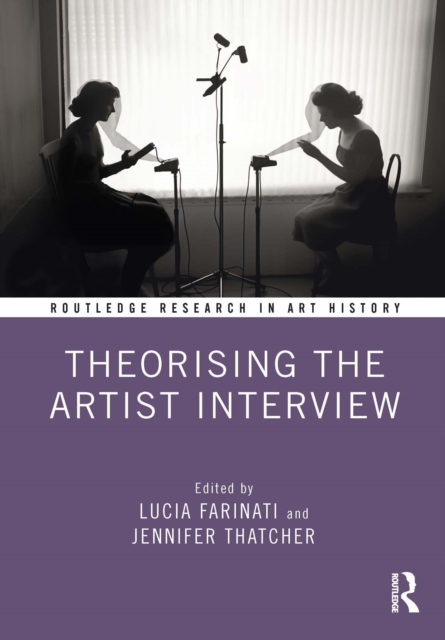
Reflecting on the relationship between artists and their audiences, this book examines how artists have presented themselves publicly through interviews and sought to establish a critical voice for themselves.
This collection of interviews explores how the Chinese Dream is fueling the aspirations of individuals in China today and presents 40 representative cases that showcase the journeys that ordinary people undertake in pursuit of their dreams as well as their extraordinary achievements.
The Sound of Memories: Recordings from the Oral History Centre, Singapore features the happy, funny, poignant and bittersweet - but always heartwarming and unforgettable - stories, memories and anecdotes of Singaporeans from all walks of life.
La historiografia sobre los movimientos armados en Colombia se ha enfocado, principalmente, en analizar las guerrillas de la segunda mitad del siglo XX desde una perspectiva macro y ofreciendo explicaciones estructurales.
La propuesta que hace la autora de este libro es interpretar la figura del Ángel de la Historia desde un ángulo antropológico y hacer una lectura de la IX Tesis de Benjamín donde aparece dicha figura, a partir de consideraciones que provienen de una antropología de la guerra y el conflicto.
This book breaks new ground in the study of British emigration to the United States from the 1860s to the 1930s through the analysis of interviews with English, Scottish and Welsh emigrants collected during the Great Depression era by the Federal Writers' Project, and mainly from the 1990s by the Ellis Island Museum fieldworkers.
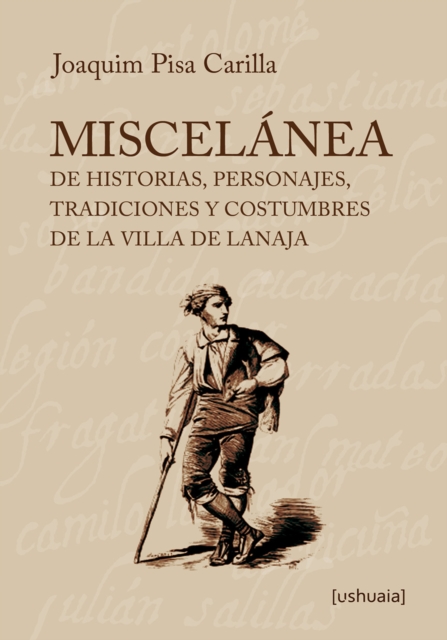
Miscelánea de historias, personajes, tradiciones y costumbres de la villa de Lanaja es un ensayo de historia local total, un paseo apasionado y apasionante por dos mil años de vida cotidiana en una población rural altoaragonesa.
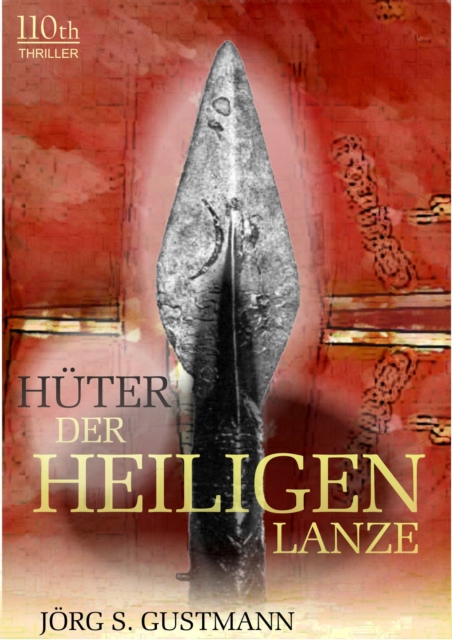
Sie gilt als eine der mächtigsten und geheimnisvollsten Reliquie der Menschheit: die heilige Lanze, mit der ein römischer Soldat Jesus in die Seite stach.
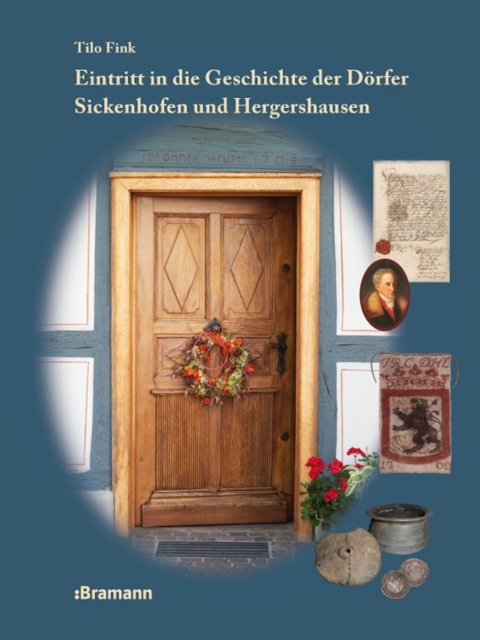
Dieses brandneue Buch bietet tiefgehende Einblicke in die Geschichte der alten Dörfer Sickenhofen und Hergershausen mit unbekannten historischen und wissenschaftlichen Aspekten, wie z.
Die Tochter des Widerständlers Adam von Trott reflektiert über die »knospenden Saaten«, die ihr Vater ihrer Familie und der Nachwelt hinterlassen haben.
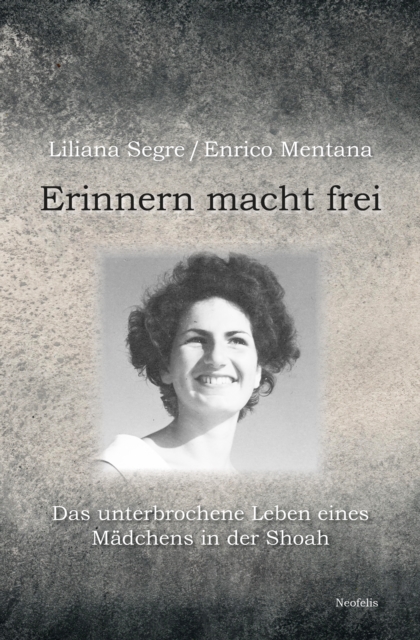
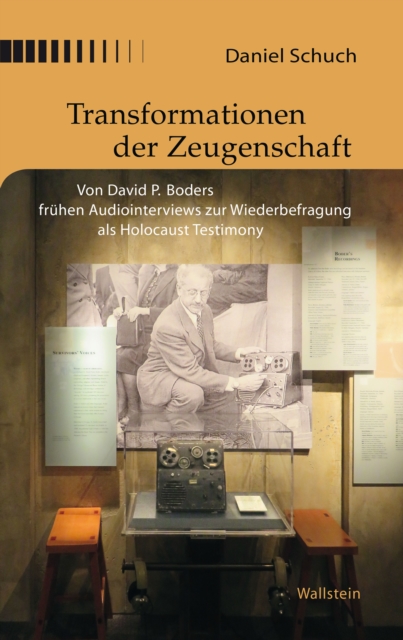
Zum Wandel von Zeugenschaft in wiederholten Befragungen von Holocaust-Überlebenden Was können wir aus den Erzählungen von Holocaust-Überlebenden lernen und warum erwarten wir von ihnen moralische Botschaften als Lehre aus den NS-Verbrechen?
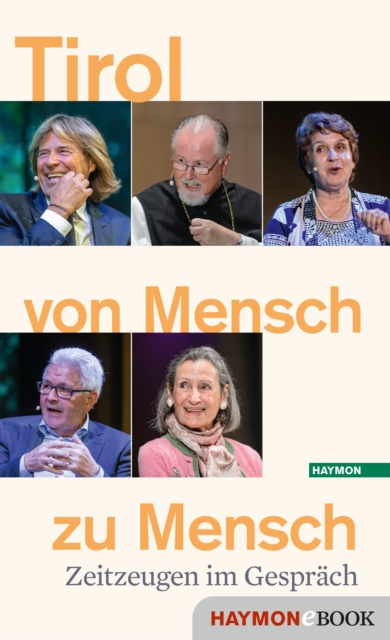
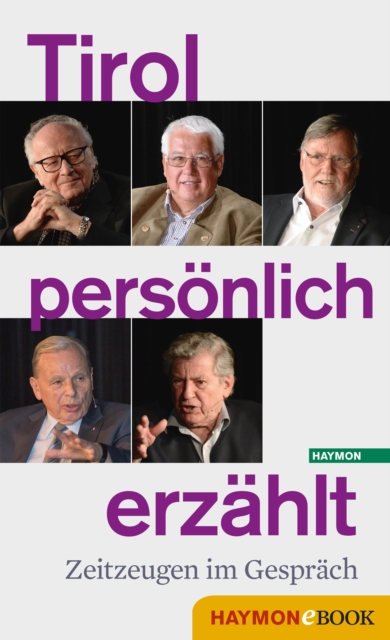
TIROL UND SEINE MENSCHEN: FÜNF BEMERKENSWERTE PERSÖNLICHKEITEN ERZÄHLENFünf faszinierende Tiroler Persönlichkeiten begegnen uns einmal ganz nahe: Hansi Hinterseer,vor allem als CHARISMATISCHER SCHLAGERSTAR bekannt, berichtet aus seinem turbulenten Leben und seiner vielfältigen Karriere als Moderator, Schauspieler und Ex-Skirennläufer, aber auch von seinen ganz privaten Erinnerungen aus der idyllischen Kindheit auf der Seidlalm.
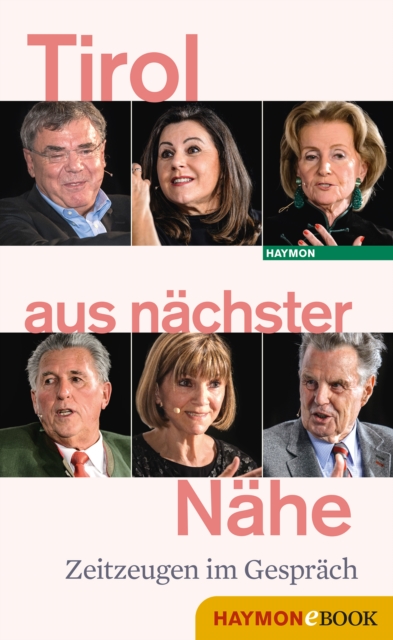
Sechs das Land prägende Tiroler Persönlichkeiten berichten aus ihrem Leben: Der Seilbahnexperte und Präsident des Aufsichtsrates der Unternehmensgruppe Leitner Michael Seeber schildert seinen eindrucksvollen Weg vom chaotischen Studenten zum überaus erfolgreichen Unternehmer und lässt an ganz persönlichen Erinnerungen teilhaben.
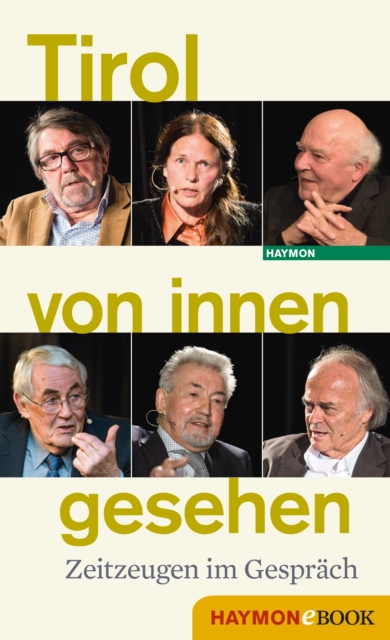
Sechs faszinierende Tiroler Persönlichkeiten, sechs spannende Geschichten und sechs unterschiedliche Blickwinkel auf die Heimat: Die Künstler Anton Christian und Walter Nagl, Alt-Bürgermeister Helmut Kopp, die Tochter des Südtiroler Freiheitskämpfers Georg Klotz, Eva Klotz, Kameramann und Hollywood-Regisseur Christian Berger und Unternehmer-Legende Leopold Wedl – sie alle berichten aus ihrem Leben und eröffnen damit einen ganz besonderen Blick auf Tirol und seine Geschichte.
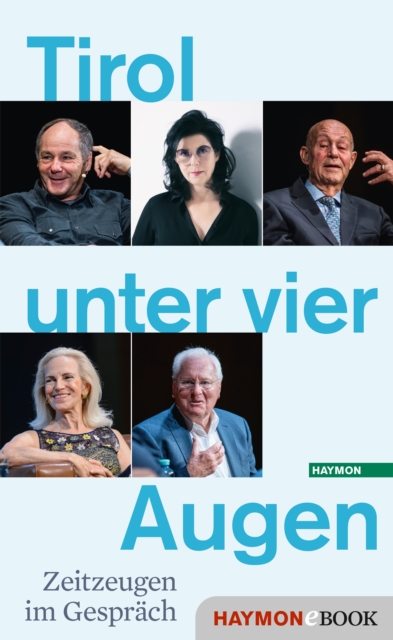
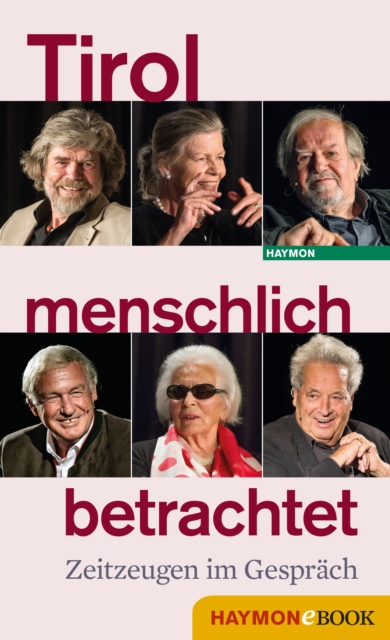
Tirol durch die Augen von sechs seiner bekanntesten Persönlichkeiten: Alpinlegende und Extrembergsteiger Reinhold Messner erzählt von abenteuerlichen Erfahrungen in den Bergen, in der Wüste und im ewigen Eis, über Grenzgänge - und vom Heimkehren nach Südtirol.