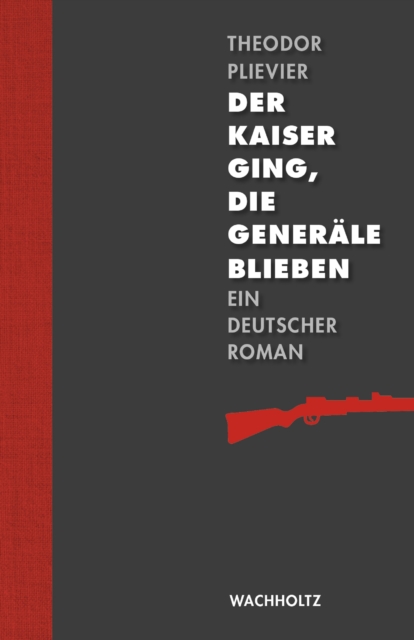
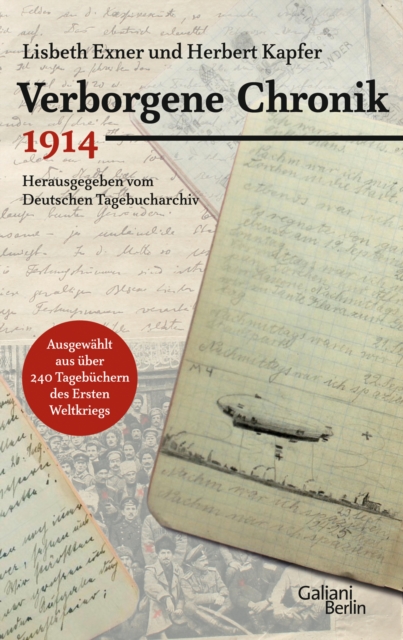
Als Europa den Atem anhielt: das Schicksalsjahr zwischen der deutschen Niederlage und dem Vertrag von VersaillesDer September 1918 sollte endlich den Sieg bringen.
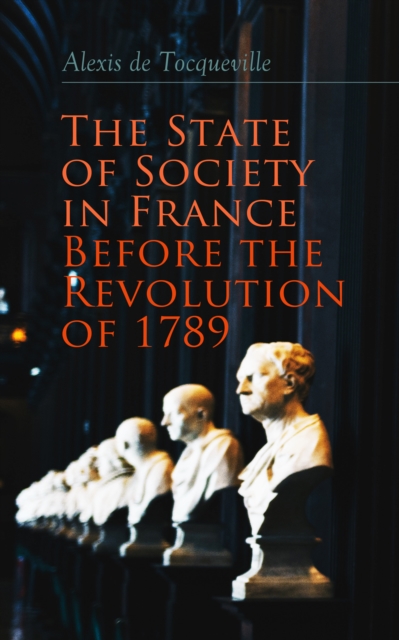
In The State of Society in France Before the Revolution of 1789, Alexis de Tocqueville examines the institutional, social, and administrative conditions that made revolutionary upheaval both possible and paradoxically continuous with the Old Regime.
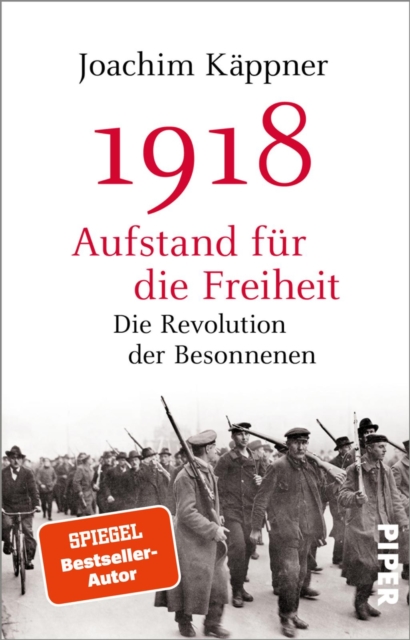
Die Revolution der Arbeiter und Soldaten von 1918 war eine historische Chance - dafür, ein demokratisches Deutschland zu schaffen, das stärker gewesen wäre als die Weimarer Republik.
Das Wagnis einer neuen Gesamtdarstellung, welche die facettenreichen Ergebnisse der Spezialforschung wirklich verarbeitet, dürfte weniger schwer fallen, wenn es vorbereitet wird durch repräsentative Querschnitte zu den Hauptbereichen der Revolutionsgeschichte unter integrierenden gemeinsamen Fragestellungen.
Die Zeit der Revolutionen ist nicht vorbeiWarum ist es so ein besonderer, geradezu erhabener Moment, wenn das Volk sich erhebt, auf dem Tahrir-Platz in Kairo oder auf dem Maidan in Kiew?
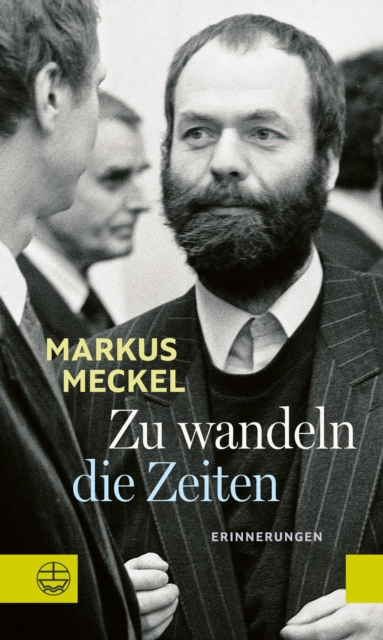
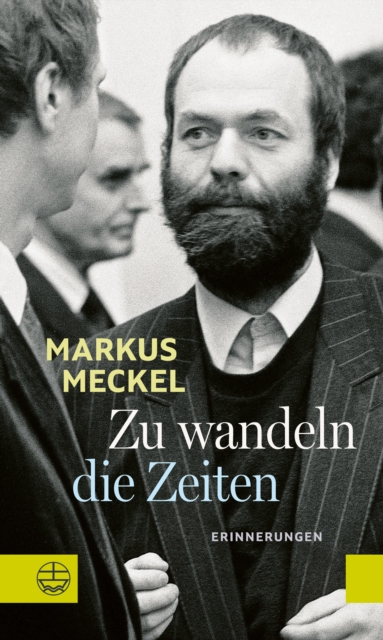
Ein Akteur der deutschen Einheit erinnert sichMarkus Meckel ist bekannt als langjähriger SPD-Bundestagsabgeordneter und ein Außenpolitiker, der sich bis heute aktiv um eine europäisch orientierte Erinnerungskultur und die Aufarbeitung der Diktaturen des 20.
Ein Akteur der deutschen Einheit erinnert sichMarkus Meckel ist bekannt als langjähriger SPD-Bundestagsabgeordneter und ein Außenpolitiker, der sich bis heute aktiv um eine europäisch orientierte Erinnerungskultur und die Aufarbeitung der Diktaturen des 20.
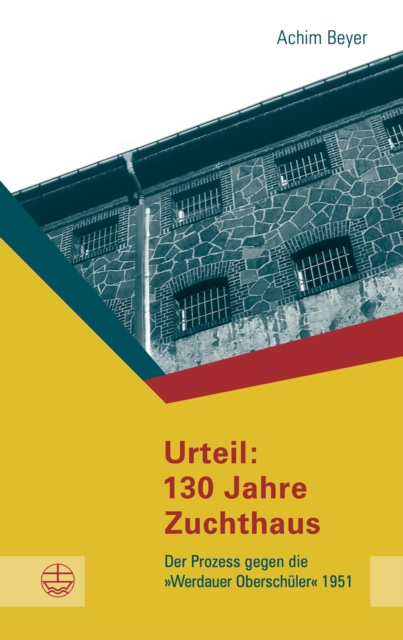
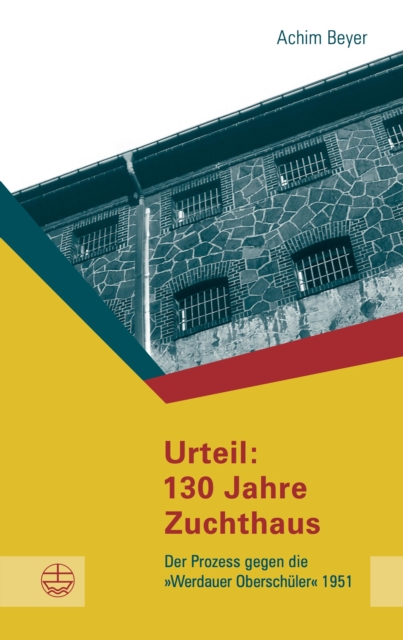
"Wendet euch gegen ein Gericht, das die Rechtssprechung wie einen Auftrag zur Auslöschung des politischen Gegners betreibt, – selbst wenn ihre Opfer noch Kinder sind.
"Wendet euch gegen ein Gericht, das die Rechtssprechung wie einen Auftrag zur Auslöschung des politischen Gegners betreibt, – selbst wenn ihre Opfer noch Kinder sind.
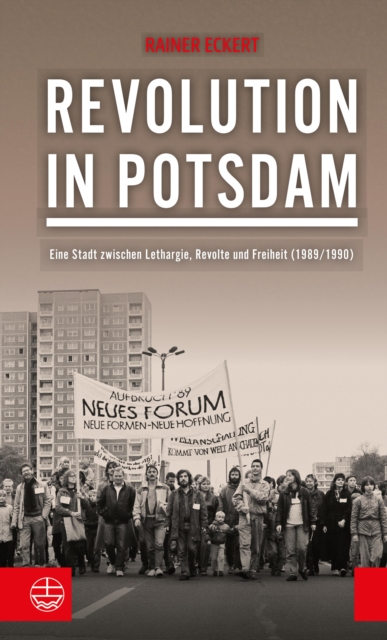
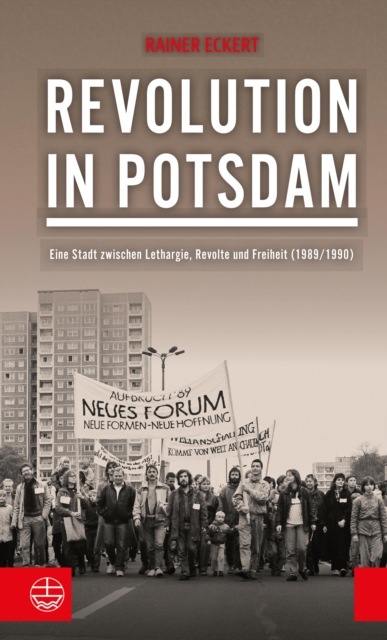
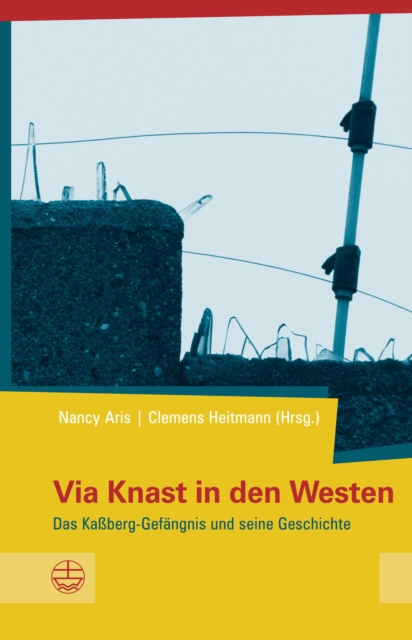
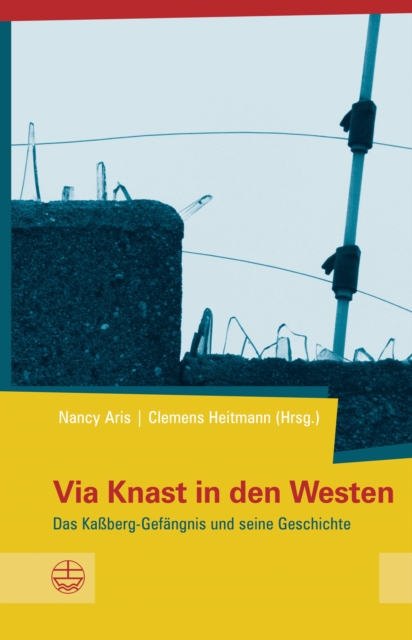
Potsdam war in der SED-Diktatur Sitz von Verwaltungs- und Bildungseinrichtungen, Standort von Militär und Staatssicherheit, aber auch von Einrichtungen der Evangelischen Kirche.
Potsdam war in der SED-Diktatur Sitz von Verwaltungs- und Bildungseinrichtungen, Standort von Militär und Staatssicherheit, aber auch von Einrichtungen der Evangelischen Kirche.
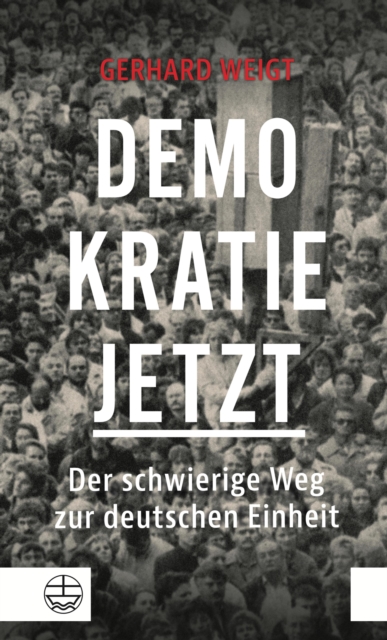
Gerhard Weigt erzählt als Zeitzeuge die Geschichte der Bürgerbewegung "Demokratie jetzt" sowie deren Vorgeschichte, die nicht ganz zufällig mit dem 13.
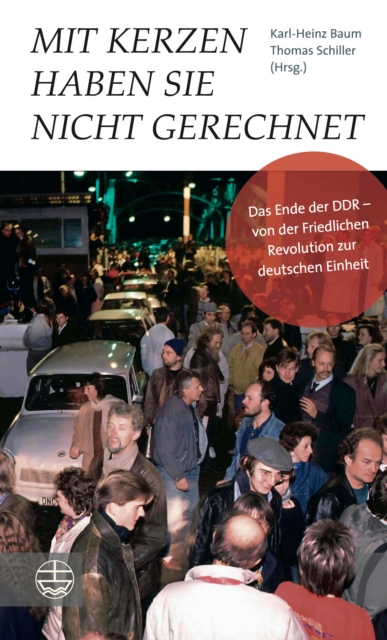
Die Führung der DDR hatte mit allem gerechnet – nur nicht damit, dass Kerzen und Gebete den deutschen Arbeiter- und Bauernstaat zu Fall bringen würden.
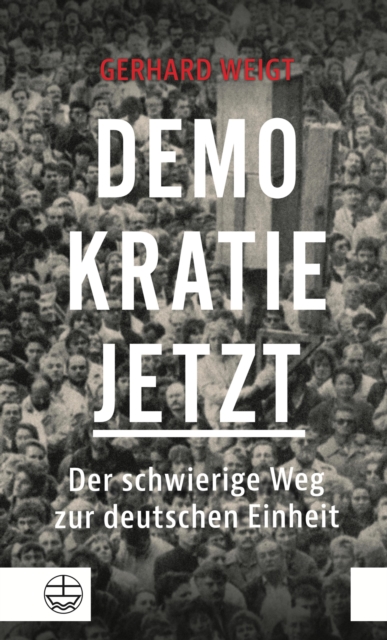
Gerhard Weigt erzählt als Zeitzeuge die Geschichte der Bürgerbewegung "Demokratie jetzt" sowie deren Vorgeschichte, die nicht ganz zufällig mit dem 13.
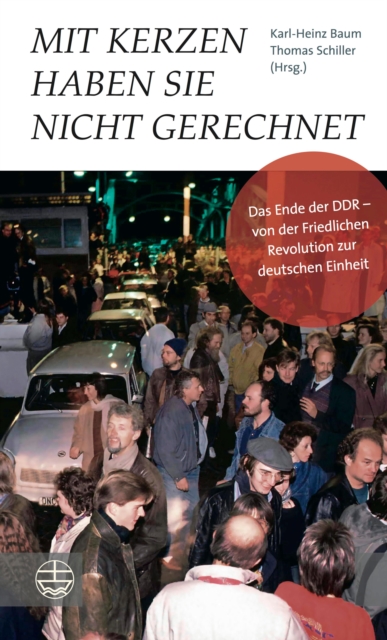
Die Führung der DDR hatte mit allem gerechnet – nur nicht damit, dass Kerzen und Gebete den deutschen Arbeiter- und Bauernstaat zu Fall bringen würden.