The Anglo-Irish war of 1919-1921 was an international historical landmark: the first successful revolution against British rule and the beginning of the end of the Empire.
In 1974 the Greek colonels ousted the Greek-Cypriot leader of Cyprus, Archbishop Makarios, and Turkey retaliated by invading and seizing a third of the island.
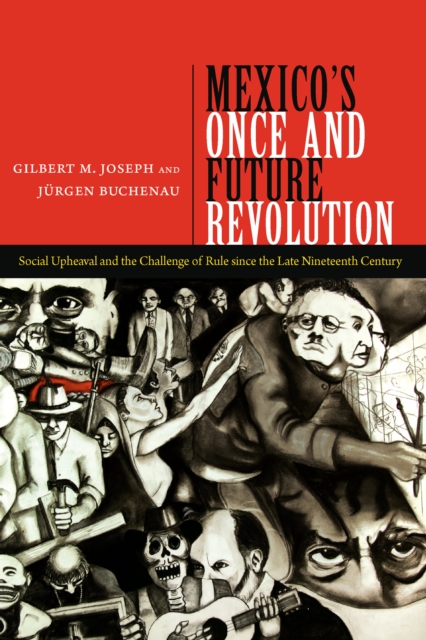
The 1946 Mexican presidential election signaled the ascent of a new generation of cosmopolitan civilian government officials, led by the magnetic lawyer Miguel Alemn.
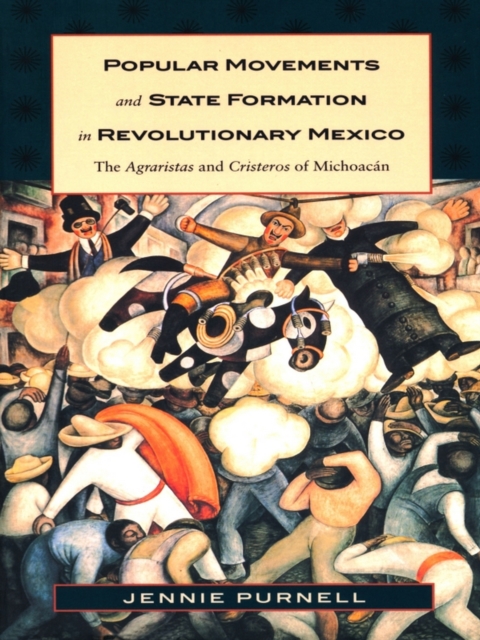
In Popular Movements and State Formation in Revolutionary Mexico Jennie Purnell reconsiders peasant partisanship in the cristiada of 1926-29, one episode in the broader Mexican Revolution and the last major popular rebellion in Mexican history.
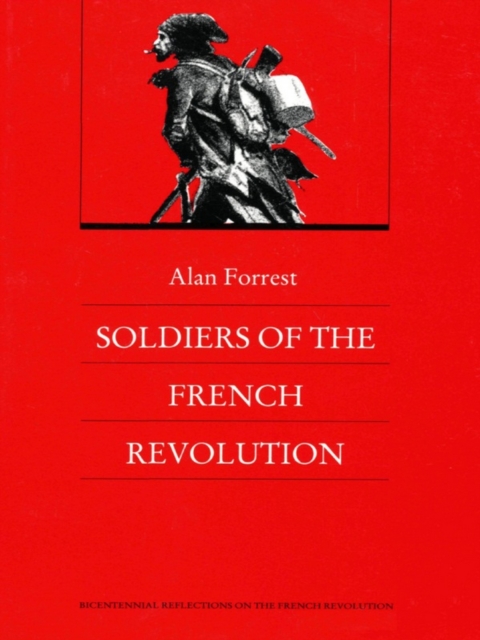
In this work Alan Forrest brings together some of the recent research on the Revolutionary army that has been undertaken on both sides of the Atlantic by younger historians, many of whom look to the influential work of Braudel for a model.
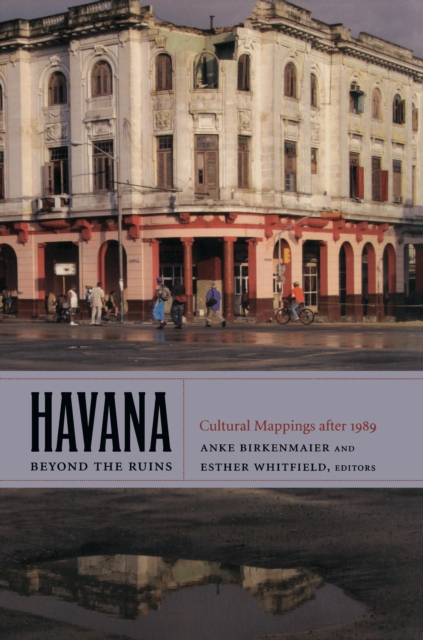
In Havana beyond the Ruins, prominent architects, scholars, and writers based in and outside of Cuba analyze how Havana has been portrayed in literature, music, and the visual arts since Soviet subsidies of Cuba ceased, and the Cuban state has re-imagined Havana as a destination for international tourists and business ventures.
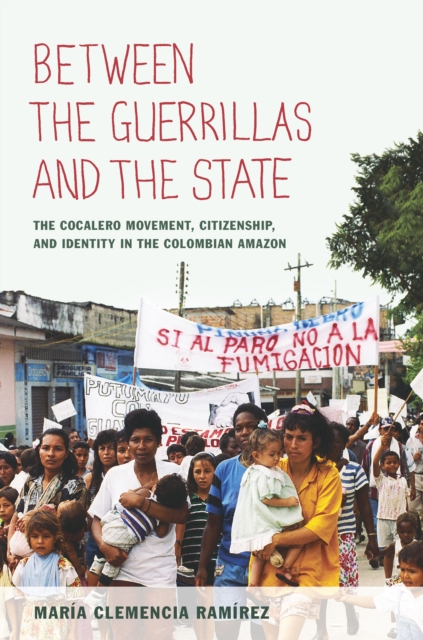
Responding to pressure from the United States, the Colombian government in 1996 intensified aerial fumigation of coca plantations in the western Amazon region.
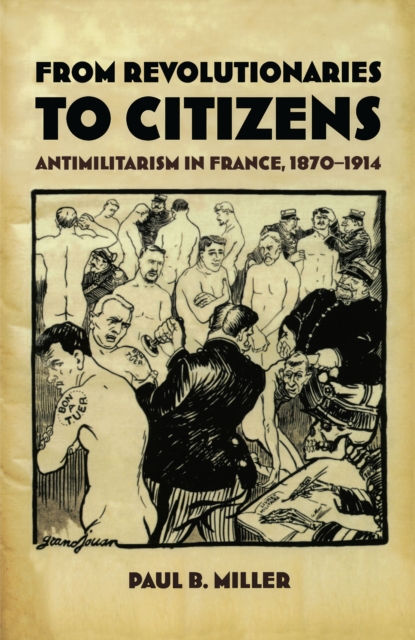
From Revolutionaries to Citizens is the first comprehensive account of the most important antiwar campaign prior to World War I: the antimilitarism of the French Left.
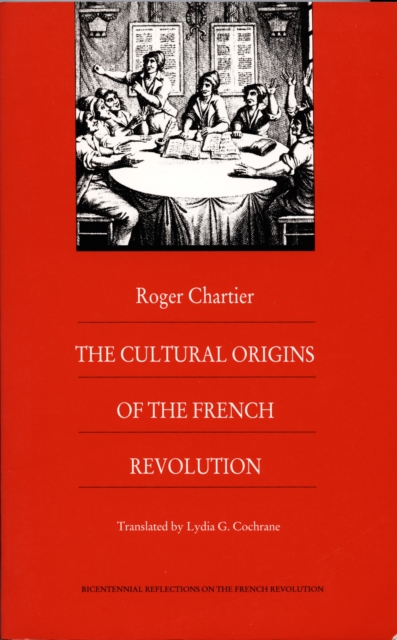
Reknowned historian Roger Chartier, one of the most brilliant and productive of the younger generation of French writers and scholars now at work refashioning the Annales tradition, attempts in this book to analyze the causes of the French revolution not simply by investigating its "e;cultural origins"e; but by pinpointing the conditions that "e;made is possible because conceivable.
A detailed study of the British invasion from Canada during the War of Independence No one who has read the history of the War of Independence can fail to be fascinated by the campaign of Gentleman Johnny Burgoyne.
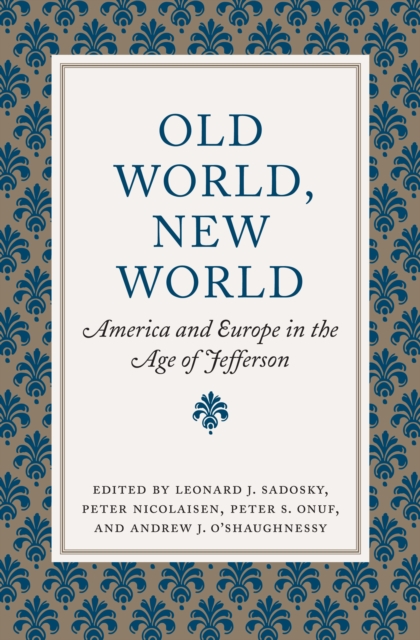
Old World, New World: America and Europe in the Age of Jefferson grew out of workshops in Salzburg and Charlottesville sponsored by Monticello's International Center for Jefferson Studies, and revisits a question of long-standing interest to American historians: the nature of the relationship between America and Europe during the Age of Revolution.
The author of Resisting Rebellion examines four of the twentieth century's most consequential rebellions-in China, Cuba, Afghanistan, and French Indochina.
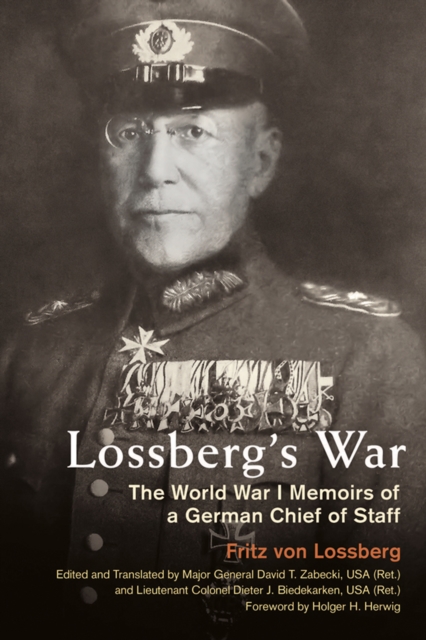
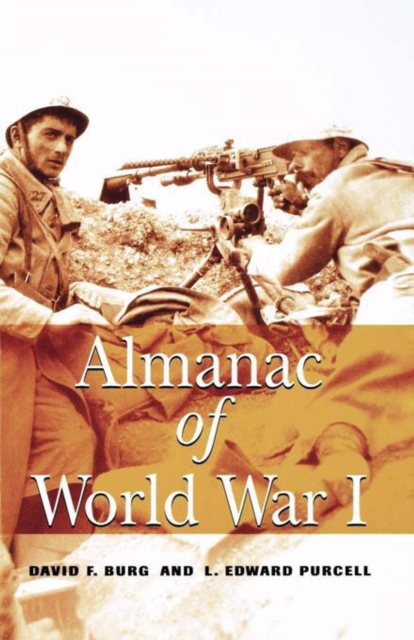
Provides a day-by-day account of the action on all fronts and of the events surrounding the conflict, from the guns of August 1914 to the November 1918 Armistice and its troubled aftermath.
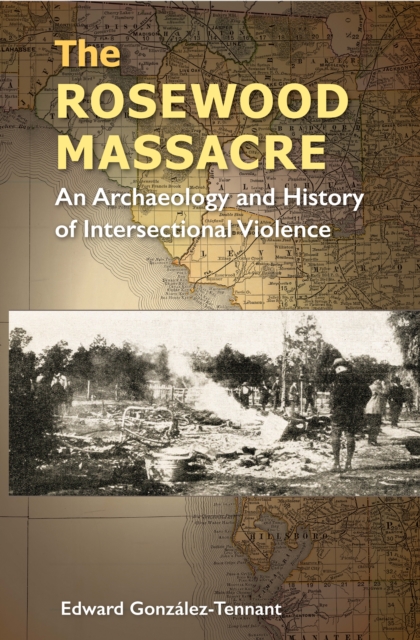
Southern Anthropological Society James Mooney Award - Honorable MentionDrawing on new methods and theories, Edward Gonzalez-Tennant uncovers important elements of the forgotten history of Rosewood.
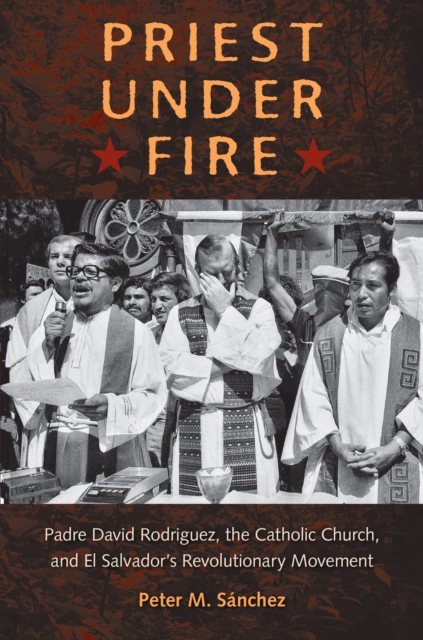
David Rodriguez, or Padre David as he is known throughout El Salvador, is a diocesan priest who followed the Second Vatican Council's doctrinal mandate to advocate for the poor and oppressed.
Southern Anthropological Society James Mooney Award - Honorable MentionDrawing on new methods and theories, Edward Gonzalez-Tennant uncovers important elements of the forgotten history of Rosewood.
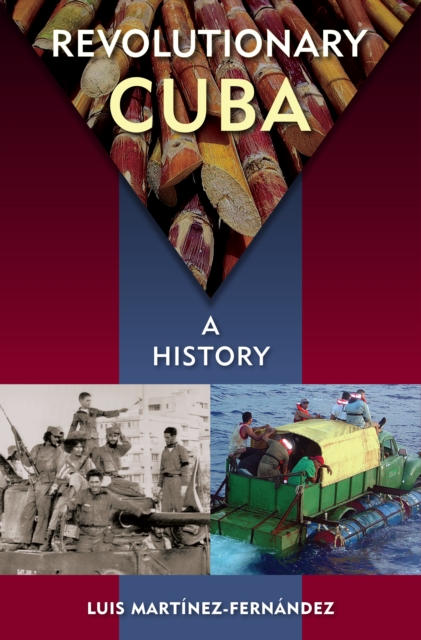
This is the first book in more than three decades to offer a complete and chronological history of revolutionary Cuba, including the years of rebellion that led to the revolution.
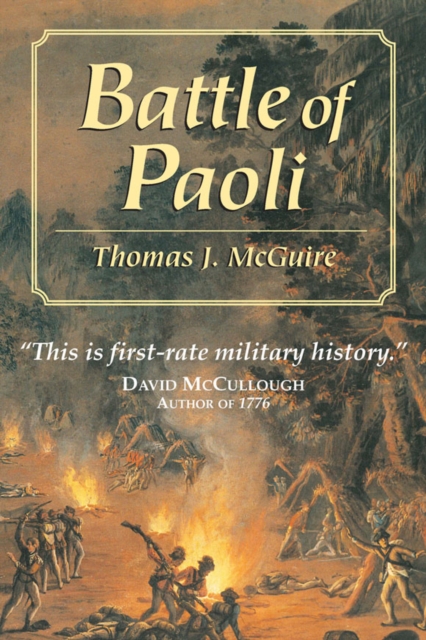
This first full-length treatment of the Revolutionary War battle recounts British general Charles Greys brutal attack on Anthony Waynes division of 1,500 Continentals in September 1777.
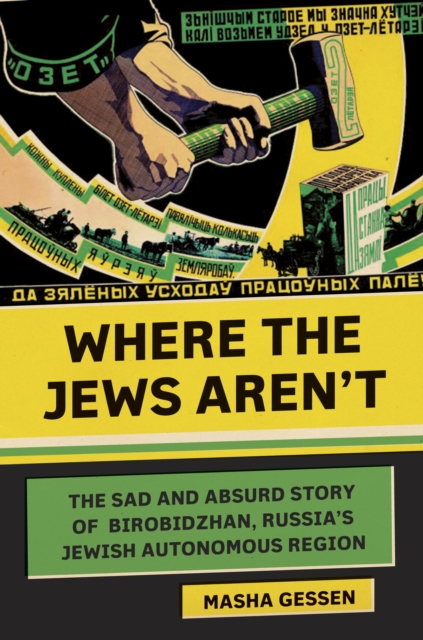
From the acclaimed author of The Man Without a Face, the previously untold story of the Jews in twentieth-century Russia that reveals the complex, strange, and heart-wrenching truth behind the familiar narrative that begins with pogroms and ends with emigration.
The "e;Arab Spring"e; was heralded and publicly embraced by foreign leaders of many countries that define themselves by their own historic revolutions.
Beginning in January 2011, the Arab world exploded in a vibrant demand for dignity, liberty, and achievable purpose in life, rising up against an image and tradition of arrogant, corrupt, unresponsive authoritarian rule.