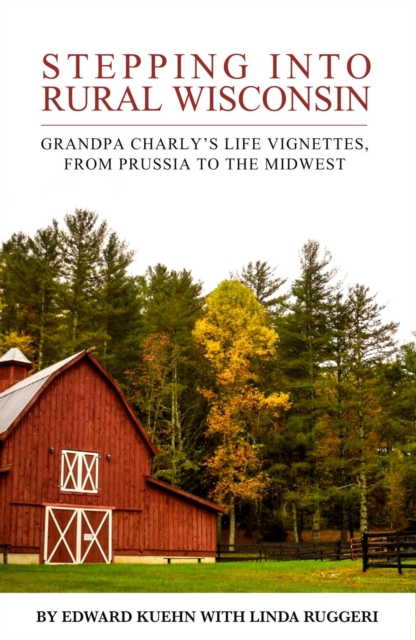
There are many historical memoirs about European immigrants that came to the US in the 1800s, but few shed light on the untold stories of the families that arrived from Prussia.
Alfonso Reyes, el escritor mexicano más notable de la primera mitad del siglo XX, sazona y hornea las palabras: marina el verbo crudo y lo sofríe, después capea los nombres y bate los adjetivos hasta el punto de turrón; por último, sirve todo acompañado de adverbios crujientes.
In her own words, the life of the beautiful young model and dancer who helped to bring down the Tory government of Harold Macmillan - the 'Profumo Affair' remains the greatest political sex scandal in recent British history.
Las investigaciones reunidas en este libro reconstruyen las historias de los principales archivos documentales oficiales de la Norpatagonia, pero también de los nuevos archivos surgidos en el ámbito de comunidades, organizaciones y colectivos sociales subalternizados en las lógicas y burocracias que signaron la conformación de los primeros.
Nicht nur Napoleon Bonaparte prägte die Umbruchszeit um 1800 maßgeblich, auch andere Dichter und Denker versuchten, ihre Ansätze in Bezug auf die Verbesserung der Gesamtsituation umzusetzen.
Since Spring 2013, Francesca Hornak has been writing a hugely popular column in the Sunday Times Style section, 'History of the World in 100 Modern Objects'.
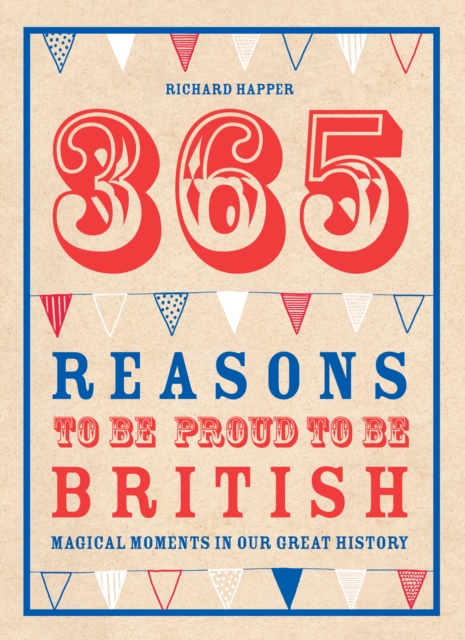
365 Reasons To Be Proud To Be British is a year-long scenic route of jollyness taking in the quirky events, inventions, traditions, people, places and characters that make Great Britain a nation worth celebrating every day of the year.
Dieses Heft nimmt in mehrfacher Weise Bezug auf das 30-jährige Jubiläum der Zeitschrift Geschichte und Region/Storia e regione, das im August 2022 gefeiert wurde.
Boasting countless benefits and applications, hand made felt is a chunky,durable and non-fraying fabric that can be used for fashion and home projects.
Enduring Entanglements: The Third Reich's Insidious Impact on America is the first comprehensive resource edition that examines the myriad of ways the Third Reich has impacted the United States from Nazi Germany's origins to the present.
'Absorbing' - The Guardian'Illuminating' - Vogue'Fascinating' - Pandora SykesIn Nostalgia, historian Agnes Arnold-Forster blends neuroscience and psychology with the history of medicine and emotions to explore the evolution of nostalgia from seventeenth-century Switzerland (when it was held to be an illness that could, quite literally, kill you) to the present day (when it is co-opted by advertising agencies and politicians alike to sell us goods and policies).
Let us take a look back over three decades of outrageous political mishaps with a new introduction from Sir Ivor Crewe covering Brexit blunder /blnd(r)/, n.
Life on the Old Farm takes you back to a time, not so long ago, when country life in Britain followed a pattern that had remained largely unchanged for centuries.
365 Reasons To Be Proud To Be Scottish is a year-long scenic route of jollyness taking in the quirky events, inventions, traditions, people, places and characters that make Scotland a country worth celebrating every day of the year.
Daniel Defoe's 'The History of the Pirates' is a gripping and detailed account of the ruthless world of pirates during the Golden Age of Piracy in the late 17th and early 18th centuries.
Das Buch 'Königs-Eigen' von Kapitän Frederick Marryat ist ein klassischer Abenteuerroman, der die Geschichte von Kapitän Merton und seiner Mannschaft erzählt, die auf der Suche nach einem sagenumwobenen Schatz sind.
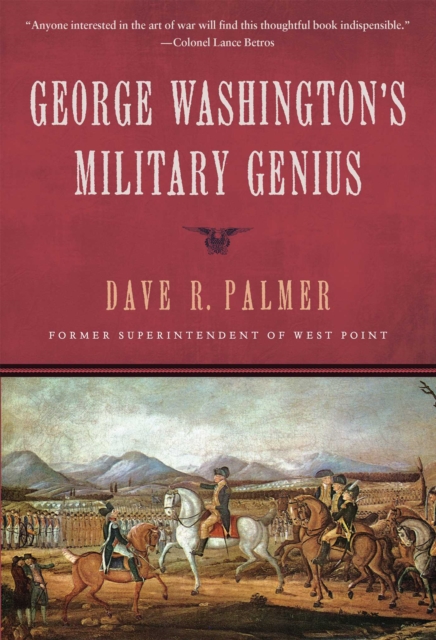
Confronting the critics who say George Washington's victories were due to luck, not skill, Palmer proves why the father of our country also deserves the title of America's pre-eminent military strategist.
Extracto de la célebre obra "La democracia en América", describe el paisaje geográfico y el entorno de la aún naciente nación norteamericana, y es, también, un retrato del mosaico humano que poblaba aquel territorio y un cuadro detallado de la situación política en la que se encontraba durante la primera mitad del siglo XIX.
Was die Chaostheorie mit dem Schmetterling beschreibt, der mit seinem Flügelschlag einen Tornado auslöst, illustriert die ‹Kleine Basler Weltgeschichte› an konkreten Beispielen aus der Geschichte.
Se presenta en estas páginas la crónica histórica de las principales batallas que marcaron uno de los momentos más difíciles en la historia del México independiente: la invasión norteamericana.
In Washington Irving's novel 'Bracebridge Hall (Illustrated Edition)', readers are transported to the quaint English countryside estate of Bracebridge Hall.
Lion Rampant is Robert Woollcombe's graphic account of his experiences as a front-line infantry officer with the King's Own Scottish Borderers during the desperate battle for Normandy and the Allied advance into Germany.
This fascinating collection of entertaining stories from the seven seas reveals unusual and bizarre sailing trips, vessels and characters, and recounts perilous journeys in freak weather and other legendary tales.
The 19th-century MP John Burns described the Thames as 'liquid history' and ever since the Romans founded Londinium in 43 AD, the river has played a key cultural and economic, political and social role in the history of England.